

Zakeke welcomes a new partner: Kulaber
We are delighted to announce our partnership with Kulaber! The kulaber.designstudio develops sustainable solutions in the digital space – for unique brand experiences. The focus of their work is concept design, brand communication and digital transformation with regard to web-based solutions.Inspired and driven by a passion for art, culture and new technologies, as well as a sense of aesthetics, they help companies and individuals to develop their strengths, values and goals of their brand. Contact them here at www.kulaber.design To get more details about our Partner Program check this link https://www.zakeke.com/agency-partner
A New Era of Digital Reality: From 3D to AR and Beyond
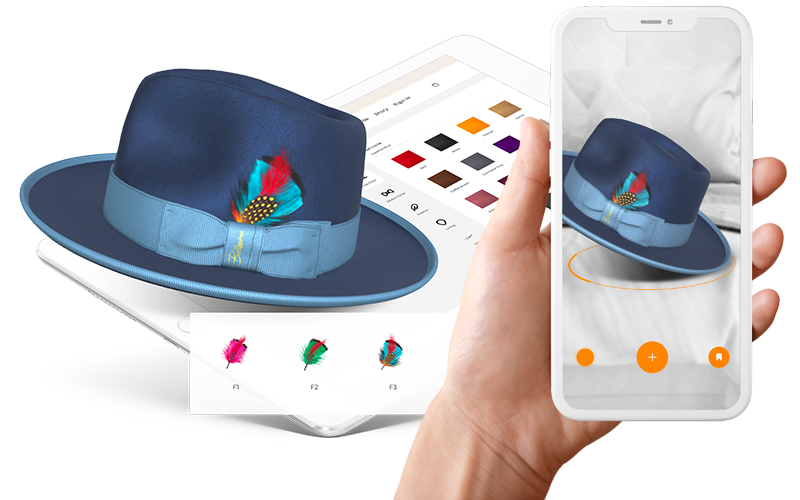
In this post, we’ll delve into the crux of 3D Visualization and explain how it impacts consumer behavior. We’ll also examine how AR and 3D Visualization are redefining retail and what the future holds for these technologies. The world is changing, and the way customers experience products has also changed. As consumers demand more customization and yearn for more personalized products, forward-thinking companies are leveraging visualization tech to achieve a competitive edge. Technologies like 3D visualization and augmented reality (AR) have opened up a new realm of possibilities, improving customer experience and saving costs in the long run. And companies adopting these technologies are seeing a quantum leap in revenue and sales. For instance, recent research has found that augmented reality boosts online shopping sales by up to 200%. That’s because the modern consumer, particularly millennials and Gen Z’ers, prefer shopping on sites that replace physical interactions with more engaging virtual experiences. And this is where 3D visualization comes in. So, what is 3D visualization? What is 3D Visualization? The goal of 3D visualization is to provide a digital representation of what the object would look like in the real world. A good example is companies that use try-on technology, like Guerlain. When shopping at their store, you can see realistic 3D imagery of the product you want to buy without visiting a physical store. 2D and 3D Visualization: What’s the Difference? Online retailers focus heavily on putting their products in front of the customers. However, online shopping suffers a major drawback; it can be difficult to determine whether the product will meet the client’s expectations by viewing the product images. And this is where 2D and 3D visualization comes into play. In contrast, 3D Visualization allows shoppers to view product visuals from every angle and see how each part would look. Customers can interact with the product to see every detail. They can spin it, turn it, zoom in, zoom out, and do more. What are the Advantages of 3D and AR Visualization? The use of AR and 3D product visualization in e-commerce greatly impacts the customer shopping experience. Here are a few advantages of using 3D and AR in e-commerce. 1. It Increases the Confidence of Shoppers Trust is the foundation of the brand-customer relationship. But how do you build trust with your customers? 56% of consumers say that additional product information inspires them to trust a brand more and make a more informed purchase decision. In an age where consumers first research a product online before committing to buy, 3D visualization and augmented reality can help them make more informed decisions. These technologies make them envision how a product would look and feel in their home, encouraging them to buy. 2. Increase Your Conversion Rates The longer the customers stay on your website and explore your products, the more likely they’ll make a purchase. With a photorealistic 3D model integrated into your site, your customers can truly experience your products virtually, accelerating their conversion journey. Research shows that interacting with AR can boost your conversion rates by up to 94% as shoppers feel more connected to your brand. 3. Reduce the Product Returns As the move to online shopping intensifies, high return rates are one of the biggest problems faced by online retailers. Research conducted by Mintel, a market research company, found that 49% of online shoppers had returned products bought in the previous year. Addressing the question of why consumers return the goods, UPS surveyed 18,000 global online shoppers. Among the top reasons were faulty or damaged products (30%), followed closely by goods not matching the description at 27%. The product return problem can easily be solved with the use of AR and 3D visualization. AR, for instance, offers virtual try-on and product demos, providing shoppers with an opportunity to try before they buy. As a result, customers can make more informed buying decisions, reducing the high customer return rates. Redefining Retail: How Is 3D Closing the Loop? The impact of 3D renderings is being felt in virtually all industries, and the retail sector is no exception. As Allan Cook, the MD at Deloitte Consulting, puts it, “The massive shift to 3D will completely transform retail and change how people shop.” 3D technology is already making waves in retail. Savvy businesses are using 3D visualization to improve customer experience and drive sales. 3D assets can also be used to create different forms of content—from key visuals to social content, CGI product shots, product customizations, etc. Investing in quality 3D designs and technology can also save your business money. For instance, using CGIs in your catalog can remove the need for expensive photoshoots while allowing the users to view true-to-scale imagery in their homes. The Future of 3D and AR Visualization: A Huge Global Market As more companies realize the benefits of using 3D visualization and AR in their platforms, the 3D rendering market continues to grow. The 3D visualization market exceeded $2 billion in 2019 and is projected to grow at an over 20% CAGR up to 2026. The advancement in 3D modeling and emerging augmented reality/virtual reality technologies are driving the demand for efficient 3D visualization solutions. The future of 3D will take design work to a new level of quality and speed. 3D visualization coupled with augmented reality has led to the development of what tech nerds call “product display 2.0.” Taking furniture in retail as an example, 3D Visualization and AR help customers envision the products as if they have already bought them and placed them in their apartment. Only physical stores were able to offer this kind of experience a few years ago. Companies like Flex Arcade have already implemented AR into their e-commerce platform. The company enables shoppers to visualize their arcades while configure them in 3D and AR. Customers can choose to bring more changes to the design or complete a purchase. By enabling a 3D product configurator, online shops can simulate the unique feeling of a product—virtually from
Abzeichen: Wie Zakeke hilft, Zeit zu sparen und Kunden zufriedenzustellen
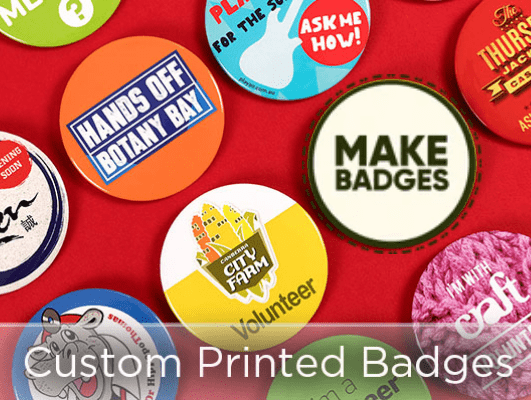
Der E-Commerce entwickelt sich weiter. Neue Technologien sind auf den Markt gekommen und die Zahl der Online-Käufer steigt. Um die wachsende Nachfrage nach Aufträgen zu befriedigen, müssen Unternehmen ihre Zeiten optimieren und Prozesse verbessern, die mit zu viel Zeitaufwand verbunden sind. Aus diesem Grund hat sich Make Badges -– ein Unternehmen auf BigCommerce – für Zakeke entschieden, ein einfach zu bedienendes Produktanpassungs-Tool für Online- und Offline-Shops. Über Make Badges Das 2004 gegründete Online-UnternehmenMake Badges nimmt Bestellungen aus ganz Australien entgegen. Wie der Name schon sagt, ist Make Badges ein Unternehmen, das Abzeichen verkauft, die Kunden individuell gestalten können. Wie Sie sich vorstellen können, hat das Unternehmen zahllose potenzielle Zielgruppen: kleine Unternehmen, große Unternehmen, Schulen und Universitäten oder auch lokale Behörden. Oder einfach nur Einzelpersonen, die Abzeichen für Geburtstage, politische Kampagnen oder andere Anlässe benötigen. Ich habe mit dem Geschäft vor etwa 16 Jahren begonnen, damals nur als Hobby. . Im Laufe der Jahre ist es zu einem größeren und erfolgreicheren Unternehmen herangewachsen, das heute etwa sechs Mitarbeiter beschäftigt. Es hat Spaß gemacht, das Geschäft auszubauen, den Erfolg zu sehen und andere Leute einzubeziehen. Paul West – Inhaber und Geschäftsführer von Make Badges Die Herausforderung Der manuelle Arbeitsaufwand hielt Make Badges zurück Zu Beginn erhielten Paul und sein Team Bestellungen von Kunden per E-Mail oder über ein Online-Formular auf der Website. Die meiste Arbeit wurde offline erledigt. Die Mitarbeiter von Make Badge luden das Design herunter, änderten es, passten es an die Form des Abzeichen an und schickten es dann zur endgültigen Genehmigung an den Kunden. Dann entschieden sie sich für eine E-Commerce-Plattform, BigCommerce, aber die Probleme hatten damit kein Ende. Wir sind nach und nach auf BigCommerce umgestiegen, was es den Kunden ermöglichte, eine Grafikdatei hochzuladen, aber sie hatten keine Möglichkeit, eine Vorschau auf der Website zu sehen oder irgendeine Art von Bildformatierung oder Designarbeiten durchzuführen. Also mussten wir viele dieser Aufgaben selbst offline erledigen. Das bedeutet, dass wir viel mehr Zeit damit verbringen mussten, die Größe und Formatierung von Druckvorlagen zu ändern und diese dann zur Genehmigung an den Kunden zurückzuschicken, um Änderungen vorzunehmen. Kleine Bestellungen waren ein Problem Wenn die gesamte Arbeit manuell erfolgt, können zu kleine Bestellungen ein Problem darstellen. Man muss die Bestellung des Kunden erfüllen oder läuft das Risiko, Kunden zu verlieren. Daher suchte Paul nach einem Tool, das die Zeit optimiert und es ihm ermöglicht, auch Kleinstaufträge anzunehmen. Andere Produktanpassungs-Tools waren nicht ausreichend Nach dem Umstieg zu BigCommerce begann Paul, sich nach Online-Design-Tools umzusehen, aber alle nutzten Flash. Zu diesem Zeitpunkt entschiedenen sie sich für ein anderes Tool, bevor sie auf Zakeke aufmerksam wurden, aber dieses Tool konnte nicht leisten, was sie sich gewünscht hatten. Es war langsam, hatte nur wenige Funktionen und unterstützte verschiedene Betriebssysteme, Browser und Geräte nicht perfekt. Und die Kundenbeschwerden nahmen zu. Wir haben es eine Weile genutzt, aber es war einfach nicht das, was wir brauchten. . Die andere App, die wir vor Zakeke genutzt hatten, war etwas langsam. Es konnte nicht immer auf verschiedenen Plattformen, Betriebssystemen und Browsern und verschiedenen Gerätetypen geladen werden, egal ob auf einem Handy oder einem Desktop-Computer. Es war also nicht immer einfach in der Bedienung. Die Lösung Paul wollte etwas, das gut zu BigCommerce passt und das sich skalieren lässt. Er wollte mehr Bestellungen schnell erfüllen und gleichzeitig die Kundenzufriedenheit hoch halten. Ein einfach zu bedienendes Produktanpassungs-Tool Make Badges benötigte ein Tool, mit dem sie einen Selbstbedienungsansatz für ihr Geschäft anbieten konnten. Sie konnten nicht weiterhin Kundenanfragen entgegennehmen, Produkte personalisieren und Designs manuell genehmigen, wenn sie skalieren wollten. Wir waren froh, umzusteigen, als wir Zakeke gefunden hatten. Es hat mehr Funktionen als die bisherigen Tools, mit denen wir gearbeitet haben, und ist für uns und unsere Kunden sehr einfach zu bedienen. Zakeke versetzt Kunden in die Lage, viele Aufgaben selbst zu erledigen. Und jetzt ist es für uns einfacher, die Datei zu öffnen, sicherzustellen, dass sie für den Druck geeignet ist, und sie dann zum Druck zu schicken. Aber auch im Backend war die Einrichtung der Produkte sehr einfach. Mir gefällt es, dass man die fünf oder sechs Schritte zur Einrichtung einfach überspringen kann. Die Zufriedenheit des Kunden steht an erster Stelle Für Make Badge war es wichtig, den Kunden eine zufriedenstellende Benutzererfahrung mit einem einfach zu bedienenden Tool zu bieten, unabhängig von der Plattform, der Art der Geräte oder der Betriebssysteme, die sie verwenden. Wir haben weniger Kunden, die anrufen und sagen, dass etwas nicht funktioniert oder dass sie etwas nicht perfekt machen können, seit wir Zakeke verwenden. Das ist ein gutes Zeichen. Es ist ein Problem weniger, um das wir uns kümmern müssen. Und ein Problem weniger für unsere Kunden. Ein gutes Text-Tool Abzeichen sind rund. Daher möchten viele Kunden, dass der Text der natürlichen Kurve des Abzeichens folgt. Es war nicht leicht, ein Produktanpassungs-Tool zu finden, das genau abbildet, wie der Text aussehen wird. Viele Kunden fügen gerne Text in ihre Designs ein. Das Text-Tool von Zakeke ist sehr gut, insbesondere die Art und Weise, wie man Text auf einem Pfad erstellen kann. Die Kunden können den Text auf dem Abzeichen nach oben oder unten krümmen. Viele unserer Produkte sind rund und haben deshalb Kurven. Es macht also Sinn, dass der Text der runden Kurve des Produkts folgen. Wir haben viele Design-Tools daraufhin getestet, wie gut sie Text auf einem Pfad darstellen können. Einige der Tools konnten das überhaupt nicht gut. Zakeke macht es wirklich einfach, den Text auf einem Pfad zu erstellen, sogar für unsere Kunden. Um zufriedene Kunden zu gewinnen, müssen sie genau sehen können, wie das von ihnen gekaufte Produkt aussehen wird. Aus diesem Grund verwendet Make Badges die 3-D-Echtzeitvorschau von Zakeke . Die 3D-Echtzeitvorschau hilft Kunden auch dabei, sich genau vorzustellen, wie ihr Design auf einem Produkt aussehen wird. Das Ergebnis Make Badges bietet nach wie vor die Möglichkeit, eigene Designs einzureichen, aber dieses Tool wird hauptsächlich von Profis genutzt. Etwa 30 % der Bestellungen gehen immer noch auf diese Weise ein, aber 70 % der Benutzer verwenden Zakeke. Unser Ziel ist es, in der
EngraveCo: Wie Zakeke einem Familienunternehmen zu mehr Größe verhalf
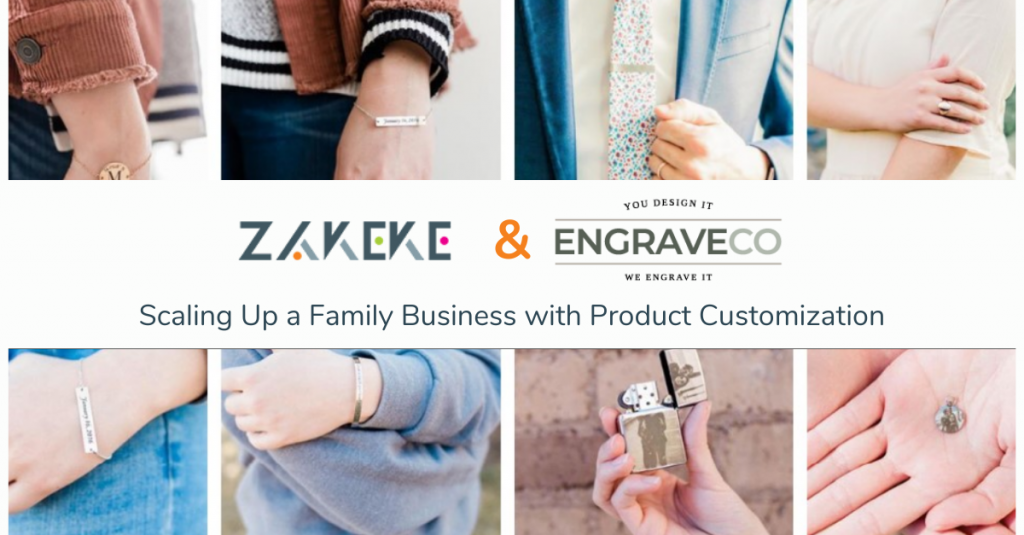
EngraveCo ist ein Familienunternehmen, das von Brandon und Caitlyn Young mit der Unterstützung ihrer engagierten Mitarbeiter gegründet wurde. Das Unternehmen ist auf die Lasergravur von Schmuck, Schlüsselanhängern, Wasserflaschen, Taschenmessernund vielen anderen personalisierten Accessoires spezialisiert. Wo es eine saubere Oberfläche gibt, egal wie klein oder groß, kann das Unternehmen Ihren Gegenständen mit einer einzigartigen Botschaft oder einem Symbol Persönlichkeit verleihen. Zunächst verkaufte das Paar nur Schmuckstücke und andere ausgefallene Geschenkartikel online. Aber schon bald bekamen sie eine Flut von Anfragen für Sonderanfertigungen. Brandon und Caitlyn investierten in eine Graviermaschine, um ihre Artikel mit einem besonderen Design zu versehen. Als sie ihr Verfahren perfektionierten, stellten sie jedoch schnell fest, dass es eine Nachfrage nach mehr personalisierten Artikeln mit anderen Designelementen als Text gab. Zu den beliebten Designs, die oft angefragt wurden, gehören Blumen, Symbole und sogar verschiedene geometrische Muster. Das spornte sie an, einen Weg zu finden, diesen Wünschen nachzukommen. Das Paar brauchte nicht lange nach Inspiration zu suchen, denn das, was sie vorhatten, wurde bereits von vielen T-Shirt-Designern umgesetzt. “Man kann seine eigenen Elemente und Dinge per Drag & Drop auf ein T-Shirt ziehen, während man es entwirft. Wir wollten etwas sehr ähnliches erreichen.” Brandon Young, CEO vonEngraveCo Der nächste Schritt bestand darin, ein Geschäftsmodell zu finden, das es EngraveCo ermöglichen würde, das zu tun, was sie wollten, und gleichzeitig die Betriebskosten niedrig zu halten. “Wir haben in der Tat zuerst ein anderes Unternehmen gefunden, aber das Problem war, dass die meisten Plattformen nicht für Mobilgeräte geeignet waren.” Brandon Young, CEO vonEngraveCo Brandon Young war klar, dass ihre Lösung für Mobilgeräte optimiert sein musste, um mehr potenzielle Kunden anzusprechen. Nachdem er sich die Zahlen angesehen hatte, stellte er fest, dass zwischen 60 und 80 % des Website-Verkehrs und der E-Commerce-Verkäufe über das Handy abgewickelt wurden. Das bedeutete, dass die Lösung, die sie zuvor verwendet hatten, nicht ganz ihren neuen Anforderungen entsprach. “Wir mussten etwas finden, das für Mobilgeräte geeignet ist.” Sie begannen, sich umzusehen und mit verschiedenen Personalisierungs-Plugins zu experimentieren, die mit WooCommerce kompatibel waren. Schließlich stießen sie auf eine Lösung von Zakeke. Nach einem kurzen Test stellte Brandon erfreut fest, dass die Software den Test der mobilen Kompatibilität bestanden hatte. Obwohl sie ihre Bilder neu aktualisieren und alle Grauzonen neu programmieren mussten, begannen sie schnell mit der Migration von ihrer bestehenden Plattform zu Zakeke. In seinen eigenen Worten: Sie mussten ganz von vorne anfangen. “Auch wenn es etwas mehr Zeit in Anspruch nahm, als wir dachten, hatte das Zakeke-Plugin alles, wonach wir gesucht hatten.” Brandon Young, CEO vonEngraveCo Es dauerte eine Weile, aber Brandon war sich sicher, dass es ein Wechsel war, den sie vornehmen mussten. Nach seiner Schätzung verbrachten sie die nächsten 2–3 Monate damit, sicherzustellen, dass alles reibungslos funktionierte. “Alles hat super funktioniert. Wir haben das Angebot ein bisschen beworben und Tausende von Bestellungen erhalten, also hat es sich für uns bisher wirklich ausgezahlt” , fügt er hinzu. ÜBER ZAKEKE Das Produktanpassungs-Tool von Zakeke ist eine Cloud-basierte Plattform für E-Commerce und Online-Shops zur Verbesserung des Kundenerlebnisses. Mit dem 2D/3D-Echtzeitkonfigurator und den AR-Tools von Zakeke können Unternehmen jedes ihrer Produkte online und in Einzelhandelsgeschäften anpassen, von Schmuckstücken über Kaffeebecher und Kleidung bis hin zu Wasserflaschen. Solange es eine Oberfläche zum Bedrucken gibt, kann jeder einem ansonsten gewöhnlichen Produkt eine einzigartige Note verleihen. Dieses Maß an Personalisierung garantiert Kundenzufriedenheit, reduziert die Rücksendungen und fördert die Markentreue. Außerdem hilft es Unternehmen, ihren Betrieb zu skalieren. Möchten Sie herausfinden, wie wir EngraveCo geholfen haben? Besuchen Sie die Zakeke Demo oder wenden Sie sich an unser freundliches Team , um sofort die ersten Schritte auf Ihrer Reise zu unternehmen. JETZT KOSTENLOSE TESTVERSION STARTEN Bleiben Sie auf dem Laufenden und folgen Sie uns auf Linkedin, Facebook und Instagram.
3D-Produktkonfigurator für Salesforce Commerce Cloud: Überraschen Sie Ihre Kunden
E-Commerce ist ein wachsender Markt. Das ist eine Tatsache. Die anspruchsvollsten Marken entscheiden sich für Salesforce Commerce Cloud– eine der wichtigsten E-Commerce-Plattformen – und integrieren eine Reihe von Tools, um ihren Kunden ein dynamisches Einkaufserlebnis zu bieten. Wenn wir ein Geschäft betreten, nehmen wir den Artikel in die Hand, der uns interessiert, drehen ihn, um ihn von allen Seiten zu betrachten und probieren ihn an. All das fehlt im E-Commerce. Daher verlassen sich Unternehmen auf Bilder, um ihre Produkte im Detail zu zeigen. Das entspricht oft nicht den Erwartungen der Kunden, die immer anspruchsvoller werden. Glücklicherweise lösen 3D-Produktkonfiguratoren dieses Problem und sind auf dem Vormarsch, da visuelle Inhalte für den Verkauf unerlässlich geworden sind. Tatsächlich nutzen 32 % der Käufer neue Technologien – wie Augmented Reality – um sich das Produkt, das sie kaufen möchten, im Detail anzusehen, und 83 % von ihnen geben an, dass die Qualität der Produktbilder ihre Kaufentscheidung beeinflusst. Was ist ein Salesforce Commerce Cloud 3D-Produktkonfigurator? Ein Produktkonfigurator (oder ein Produktanpassungs-Tool) ist eine Softwareanwendung, mit der Kunden Produkte direkt in Ihrem Online-Shop anpassen können. Im Falle eines Tools wie Zakeke, wird das Erlebnis durch 3D-Modelle verbessert, die es dem Kunden ermöglichen, mit dem Produkt wie in einem Ladengeschäft in Berührung zu kommen. Es bietet eine neue Möglichkeit, mit Produkten zu interagieren. Kunden können sie aus jedem beliebigen Winkel betrachten, sie drehen, heranzoomen und so weiter. Sie können auch das Material ändern, Elemente auswählen usw. Mit anderen Worten, sie können alles tun, was sie im wirklichen Leben tun würden.. Warum sollten Sie einen Salesforce Commerce Cloud 3D-Produktkonfigurator verwenden? Ein Produktkonfigurator in Salesforce ermöglicht es Ihnen, den Verkauf zu optimieren, indem Sie einen CPQ Prozessimplementieren: Configuration, Price, Quote (Konfiguration, Preis, Angebot). Das Ergebnis sind fehlerfreie Angebote, schnelle Verhandlungen und eine Optimierung des Verkaufsprozesses. Ein Salesforce Commerce Cloud 3D-Produktkonfigurator gibt Ihren Kunden alle Werkzeuge an die Hand, die sie benötigen, um genau das zu erstellen, was sie kaufen möchten. Die Vorteile der Implementierung eines 3D-Produktkonfigurators in Ihrem Salesforce-Commerce-Cloud-Shop sind zahlreich. Versuchen wir, die wichtigsten aufzulisten: Conversion rate: Aktuelle Studien zeigen, dass die Conversion Rate auf Produktseiten mit 3D-Modellen und AR-Technologie um bis zu 250 % steigt und dass Kunden bereit sind, mehr für die von ihnen entworfenen und angepassten Produkte zu bezahlen. Die Produktanpassung hilft dem Kunden in der Entscheidungsphase. Menschen neigen dazu, sich an 80 % von dem zu erinnern, was sie sehen. Deshalb geben 83 % der Käufer an, dass ihre Kaufentscheidung von der Qualität und Quantität der verfügbaren Produktbilder beeinflusst wird, und 67 % der Verbraucher sagen, dass hochwertige visuelle Inhalte wichtiger sind als Produktbeschreibungen oder Kundenbewertungen. Kosteneffizienz: Der Einsatz von Software zur Produktanpassung und -konfiguration hilft Ihrem Unternehmen, die Kosten zu senken – vor allem, wenn Ihr Unternehmen allgemeine Artikel auf Lager hat oder per Dropship versendet, die einfach über einen Print-on-Demand-Service konfiguriert werden können . Darüber hinaus entfällt die Notwendigkeit, endlose Varianten desselben Produkts auf Ihrer Website zu präsentieren. Sie ermöglichen es Ihren Kunden einfach, kreativ zu werden. • Reduzierung der Rücksendungen: E-Commerce-Shops haben eine höhere Anzahl an Rücksendungen als physische Läden. Sie liegt bei etwa 20 % gegenüber 8–10 %. Mit einem Produktanpassungs-Tool mit AR- und 3D-Technologien können Kunden jedes Detail überprüfen. Das Bild wird so realitätsnah wie möglich sein, was die Kundenzufriedenheit erhöht und somit die Anzahl der Rücksendungen senkt. Kundeninteraktion: Interaktive Produktkonfigurationen binden Kunden und unterhalten sie länger in Ihrem Salesforce-Commerce-Cloud-Shop. Dies erhöht die Wahrscheinlichkeit, dass der Kunde Ihr Produkt kauft. Durch die Produktanpassung fühlt der Kunde sich stärker mit dem Produkt selbst und der Marke verbunden. Was können Sie mit einem Salesforce Commerce Cloud 3D-Produktkonfigurator tun? Die Möglichkeiten sind endlos. Ihrer Fantasie sind keine Grenzen gesetzt. Um Ihnen einen Vorgeschmack darauf zu geben, was Sie mit einem Salesforce Commerce Cloud 3D Produktkonfigurator tun können, besuchen Sie den den Demo-Shop, wo Sie Zakeke in Aktion sehen können. Hier sind die besten Funktionen, die ein Salesforce Commerce Cloud 3D-Produktkonfigurator haben muss: 3D-Konfiguration: Kunden müssen in der Lage sein, ihre eigenen Versionen Ihrer Produkte zu erstellen, Komponenten auszuwählen, Elemente und Materialien zu ändern, Farben anzupassen und vieles mehr. AR und 3D-Ansicht: Kunden müssen in der Lage sein, den personalisierten Artikel in ihrem eigenen Raum in realer Größe über Augmented Reality zu sehen und ein realistisches Live-3D-Modell des Produkts zu sehen, in das sie hineinzoomen, das sie drehen und mit dem sie interagieren können. Erfahren Sie mehr über die Bedeutung des 3D-Handels. Unbegrenzte Konfigurationsmöglichkeiten: Sie brauchen Flexibilität und Skalierbarkeit. Ein Salesforce Commerce Cloud 3D-Produktkonfigurator muss Ihnen unbegrenzte Konfigurationsmöglichkeiten bieten. Das heißt, Sie müssen in der Lage sein, so viele Produkte zu verkaufen, wie Sie möchten, und mehrere Farben, Größen und Stile desselben Produkts festlegen zu können. Sie müssen in der Lage sein, Regeln und Einschränkungen für jedes Design zu definieren, komplexe Preisregeln festzulegen und unterschiedliche Preise basierend auf Menge, Einrichtungskosten, Anzahl der Farben und Personalisierungsbereichen anzuzeigen. Flexible Druckmethoden: Sie müssen in der Lage sein, unbegrenzte Druckmethoden für ein oder mehrere Produkte, Seiten und Varianten einzustellen. Sie können Einstellungen für Ihre druckfertigen Dateien definieren, die für andere Gravur-, Stick- und Personalisierungsmethoden als den Druck verwendet werden können. Angebot anfordern: Sie müssen in der Lage sein, eine Schaltfläche in Ihrem Shop hinzuzufügen, um eine Anfrage zu erhalten, alle Details zu lesen, ein Angebot zu erstellen und es zu senden. Mit anderen Worten, eine CPQ-Implementierung. Omnichannel-Ansatz: Es ist ein Irrtum zu denken, dass die Produktanpassung nur für Online-Shops geeignet ist. In der Tat geht der Trend dahin, traditionelles Einkaufen mit digitalem Einkaufen in einer Omnichannel-Perspektive zu kombinieren. Mit anderen Worten: ein einzigartiges Kundenerlebnis zu schaffen, das Online- und In-Store-Services integriert. Ein Tablet reicht bereits aus, um die Produktanpassung in den Laden zu bringen. Wie integriere ich einen 3D-Produktkonfigurator? Zakeke kann Ihnen dabei helfen, einen 3D-Produktkonfigurator in Ihren Salesforce Commerce Cloud-Shop zu integrieren. Zakeke ist eine innovative Cloud-Plattform, die die besten Funktionen integriert, die ein Produktkonfigurator haben muss. Es bietet Lösungen für alle Arten von Unternehmen: von kleinen Unternehmen bis hin zu den wichtigsten internationalen Marken. Es ist eine der weltweit besten Produktkonfigurations-Plattformen mit beispielloser 3D-Bildqualität. Zakeke
A Guide to Understanding Web to Print & Visual Customization
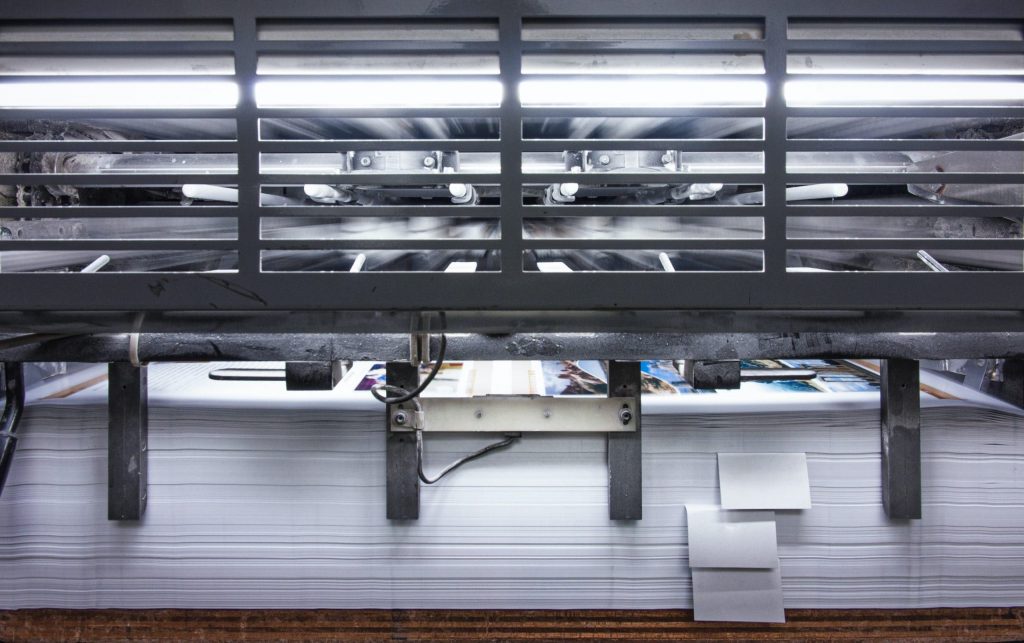
In this post, we’ll introduce you to web-to-print technology and visual customization. We’ll also explain how these technologies work and their benefits to your business. The explosive expansion of the internet has massively contributed to the growth of e-commerce as a retail platform for many goods and services worldwide. Online shopping has risen dramatically, given that consumers can shop 24/7 and access a wide variety of goods and services while enjoying shopping in the comfort of their homes. So far, 69% of Americans have shopped online, and e-commerce’s share of total retail sales is projected to rise from 22.1% in 2022 to 23.4% in 2023. That said, it isn’t surprising to see all kinds of printing orders being customized and ordered through a web-to-print solution. This technology has become the center of attention for e-commerce store owners looking to differentiate their products and reach a wider audience. But what exactly is web-to-print, and why do you need it? What’s Web to Print? In its most basic form, web-to-print is a technology for commercial digital printing. Also known as Web2Print, W2P, or Print e-commerce, web-to-print is a service that offers printing products and services online through e-commerce storefronts. This technology provides high-quality print-ready data for your e-commerce print service and ensures high volume print and brand consistency in all print work. Typically, these systems receive orders, provide live estimates, accept payments, and produce print-ready artworks. From customized apparel to commercial printing to promotional materials—a wide variety of products can be customized or designed and printed on demand with the help of this technology. Today, the global web-to-print industry is valued at $24 billion and is projected to grow at a CAGR of 5% to reach $30.5 billion by 2030. How Does It Work? Generally, web-to-print technology offers customers a web portal or platform to design, choose, or customize their goods and place orders. Lastly, you fulfill the orders by printing at your print shop. For this to work, you’ll need robust W2P product design software that easily integrates into your e-commerce storefront. The best web2print software features an intuitive design studio that enables customers to design any e-commerce merchandise in your store. It should also automate your workflow and send you high-quality printable output files for seamless print job operations. Benefits of Web-to-Print Solutions Web2Print technology not only automates your workflows; it also brings a slew of benefits to your business. Companies integrating web to print software can enjoy many benefits associated with this print technology, including. 1. Brand Consistency Brand identity is critical to the success of any business. One of the ways to develop a strong (and memorable) brand identity is through print materials such as logos, brochures, business cards, etc. Maintaining consistency in colors and fonts across all your print materials becomes easy with web-to-print software. Consumers can prepare a set of editable templates with consistent brand elements, customizable based on need, ensuring brand consistency and quality prints. 2. Cost Savings Web-to-print provides clients with the opportunity to order on demand. Customers can choose from available designs or create new ones, easily order online, and specify the delivery time. This means that it frees you from maintaining inventory. Additionally, W2P technology saves you on spending hiring designers because it provides product-self customization, and the entire process can be done online. Even customers with no design skills can easily customize ready-to-print templates and place orders. For example, if a customer wants to update a business card logo, all they have to do is modify the template to include the changes and place a new order. 3. Fast Delivery The traditional print workflow is notoriously slow and time-consuming. In contrast, web-to-print is fast and requires only a few steps. By eliminating some of the usual steps in the ordering process, you can also reduce the overall cost of printing. Clients only need to select a template, fill in their details, and download a printout instantly. Creating a pre-approved print on demand eliminates the usual approval process, significantly reducing the turnaround time. 4. Order from Anywhere The web-to-print interface allows customers to place orders any time they want and from anywhere. All a customer needs are log-in details and access to a browser. This means you’re not restricted to one location and can place orders anywhere. A web-to-print solution is also convenient because more than one person can place orders should the other be occupied or out of the office. 5. Print More Orders Instantly With Web2Print, you can print a high volume of orders within a short period as compared to traditional printing. Your sales team can accept orders online on behalf of your customers. Also, customers can place their orders via smartphones or desktops at any time of the day or night. This way, your storefront can process a high print volume since the process is automated. Visual Commerce: The Perfect Solution for Web-to-Print Businesses And offering W2P services isn’t enough. You need to provide a smooth and satisfying experience to the customer to encourage them to return. One way to achieve that is through 3D visualization and product customizations. The trick is to invest in a robust product customizer for web-to-print to automate your printing business, which allows your customers to personalize your products. A visual product customizer is a software application that enables customers to customize products directly within your e-commerce storefront. You can improve the process with augmented reality (AR) and 3D visualization solutions. These technologies let customers interact with a product and check out every detail before purchase. Why Is Visual Customization Important? Visual customization brings many advantages to your business, including: Whether your business stocks or dropships, a visual product customizer can help it reduce costs as the products can simply be configured through a web-to-print service. But product customizers aren’t created equal. For a product customizer to deliver a quintessential customer experience, it should possess at least one or all of these features. Sell More and Print Easier with Zakeke The success
Zakeke welcomes a new partner: Photowonder
We are delighted to announce our partnership with Photowonder! Photowonder provides extremely reliable and highly cost effective post production support to some of the largest and most creative companies around the world. They specialize in photo & video editing, motion graphics and 3D design. Their studio provides a wide variety of custom 3D modeling services for different purposes and fields. Their talented and skilled 3D artists use the latest technology developments to adapt to the needs of their clients. Photowonder understands seasonal demands can put a strain on production. The team can help you scale your business quickly while helping you save money. Contact them here at https://photo-wonder.com/ To get more details about our Partner Program check this link https://www.zakeke.com/agency-partner
July 2022 Release Notes
Huge release this July, we introduce you Autofit Textbox, Default Font Size, Edit image’s size, support for BigCommerce Multi-Storefronts and multiple Etsy’s updates
Using NFTs to Promote Your eCommerce Brand

Today we look at what NFTs can really offer your brand with lessons learned from real-world examples. Non-fungible tokens (NFTs) may be viewed as the newest tool that demonstrates how value and currency as concepts are evolving through the digital age. Many companies are already taking notice, have already experimented with NFTs, and are now securing their positions as frontrunner brands in the process. Coca Cola, Nike, Gucci, Ray-Ban and numerous other recognizable brands are creating NFTs in a variety of collectable formats to create exclusivity as well as broad exposure for their designs and products. Many of these items appear in the metaverse where they are viewed in 3D and AR in virtual stores and on virtual runways. For companies wanting to get an idea of what an NFT is and how it can be used to drive brand value, we must first establish what value is to a brand and then connect those values to key economic principles and the technology behind NFTs. eCommerce Brand Value Marketing and Brand executives often talk about value in the context of how brands contribute to the success of a business: brand awareness, reach, market share, customer experience, customer loyalty, and other KPIs. Value is one of the few things we encounter that always exists in both a conceptual and actual state. Understanding value practically and conceptually will be integral for exploring and understanding the world of NFTs. For our discussion we will keep things simple and define value refers as the price that someone is willing to pay for a thing. What makes assigning value to a thing both challenging and interesting is that it is always possible for two parties to have very different or diverging opinions on a given value. Asking a variety of people or entities what something is worth could yield you a handful to hundreds of thousands of different answers, all informed by how the given party assesses disparate information. NFTs as an ecommerce asset. For those who may be new to NFTs, an NFT is a unique digital asset that has its ownership details tracked on a blockchain. This can be a broad set of assets that includes digital goods, such as virtual apparel or digital art, or tangible assets, such as physical apparel and art. As NFTs are a way to allow people to make and own digital files (e.g., MP3, MP4, gifs, jpegs, etc.), they open unlimited possibility to new channels for brand expression and points of connection with customers. Determining whether NFTs are right for your business will take thought, time and research, however, the upside of NFTs is access to an existing globally distributed network of customers which will continue to grow over time especially as new applications are discovered and virtual experiences proliferate. Here are a few suggestions as to how to make good use of NFTs. Adapt and exploit changes of value. One potential source of NFT value is the current direct-to-consumer state in which NFTs exist. Given the mechanics of how the technology functions, visibility into the ownership and uses of assets is available for all to see. Companies have frictionless interactions with consumers as a result and they have near perfect visibility into how their outputs are being valued and used by end consumers whenever an item is bought or sold. NFTs offer fractional ownership of items and assets which opens up new possibilities for brands. Brands can take lessons from artistic experimentation in NFTs. For example, the ability to purchase an excerpt from a song, a portion of an image, or part of any other digital asset opens the door to increasing the volume of participants in each market. Prior to NFTs, centralized transactions and ownership have primarily benefited the ultra-rich. NFTs are decentralized assets available to anyone with stable internet and disposable income to transact. Make a strong visual connection between NFTs and your brand’s mission. A clear example is Nike’s use of NFTs to certify the veracity of each pair of sneakers. When Nike customers buy a shoe, a digital version of the product appears in a ‘virtual locker’ under an initiative called CryptoKicks. Given the “sneaker head” subculture that exists around collecting, trading and reselling sneakers, incorporating a digital seal of authenticity to the physical counterpart of the token takes these practices to the next level, and is aligned with their brand’s purpose of delivering highly desirable products and services that Nike customers love. Be bold and get creative with your brand. The possibilities for NFTs to enhance your brand strategy are limitless, and your desire for creative expression in this space should be just as limitless. One strategy for NFTs is minting a digital collectible tied to a physical item in your portfolio that can be used for gaming or online forums as you may have seen already from major brands who are already in this space. The potential for NFT brand opportunities goes beyond the realm of the collectible to unlocking enhanced customer experiences. Across all industries, NFTs offer new avenues for rewards systems that enhance brand loyalty. In the worlds of sports and music, NFTs are already being used to build communities of devoted fans and offer exclusive access to their favorite athletes and musicians. Asset management agencies provide end-to-end creation and management services and even marketplaces for collateralized loans as exemplified by a variety of fintech firms.As companies explore digital assets and ramp up their marketing and product teams to deliver, they will be flooded with a great variety of narrowly focused use cases as wells high prices brought about by the hype that often distracts from the technology. NFTs may be novel, digital and something that many people will not have encountered in their day-to-day lives so there is only a limited amount of information that can be gleaned from market prices of NFTs. Instead, go for a meaningful and sustained focus on understanding the NFTs’ economic value to your service and approach it with natural levels of skepticism as
Taking AR from online eCommerce to eCommerce in the Metaverse
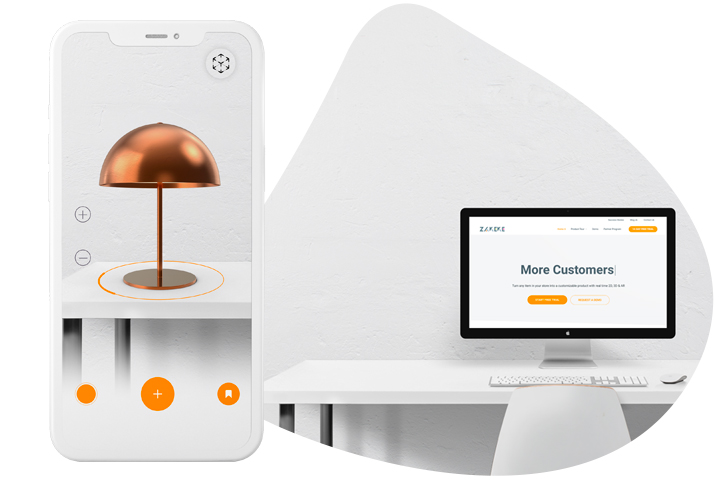
Today, many brands are interested in using or are already starting to use AR for marketing in the metaverse. Online stores today use AR-based product visualizations that deliver interactive product experiences that connect with customers on an emotional level and potential customers can use the technology to check out products from practically any location. For businesses, moving augmented reality from online shopping to the metaverse may be the incentive needed to move AR-based marketing to the masses. Augmented Reality in ecommerce Most people have already experienced AR technology through a smartphone app with over 50% of smartphone owners claiming to have already used AR apps when shopping. In this post we will define and focus on augmented reality as a virtual interactive experience of a real-world environment where real objects are enhanced by digitalized perceptual information, and virtual objects can also appear within the real-world environment. AR enables brands to create an online store where shoppers can move around and interact with virtual and real objects. For marketers, AI enables the creation of new advertising and product interaction experiences such as virtual storefronts, signs and billboards that are visible to all who are within a defined area of the metaverse. Why Augmented Reality? When using augmented reality the real world becomes metaverse-enhanced and doesn’t require people to leave reality to visit. That’s a key reason why AR and its blended real world and virtual world experience will likely become a part of our own world. The viewing experience is also more relaxed and more palatable to most people than say a VR experience as there are few people who are willing to stare for hours at screens a half-inch from their eyes and remain detached from the world around them. AR as a Marketing Tool In order for there to be an effective AR-based marketing campaign, there must be an audience to which to market. Today you may not know anyone that regularly spends time in the metaverse or perhaps you know someone that spends a regular amount of time in a metaverse wearing AR glasses or using an AR app. Looking ahead we expect that most people will experience AR and the metaverse. This doesn’t mean that brands should wait for broad adoption of AR as now is the time to start preparing for emerging marketing trends in the current environment and in the metaverse. Businesses and marketers need to study the trends of the metaverse now so they don’t find themselves left behind when the technology is mainstream. The initial interest in the metaverse reveals a major opportunity for brands to start experimenting with sales and marketing strategies. The widespread use of AR is here and now as the hardware has now become technologically advanced and low enough in cost to be adopted by a mass market. Widespread adoption will largely depend on whether there are enough easily identifiable use cases for AR. AR has the potential to enable marketers to position their products in the best light possible, as it enables marketers to provide a narrative of their products in real-life and allows customers to experience this reality.When used properly, AR is a powerful tool for businesses and marketers as it allows customers to experience products in a variety of use cases that may not be immediately obvious and it gives them the freedom of how to engage with a brand. AR in the Metaverse Consumers have high expectations for brand experiences in the metaverse and they expect to be receiving more dynamic, enriching product information in this new environment. The brands that will win out are those that are willing to try out the technology now, so they can deliver positive experiences when consumers start rushing to join. The biggest advantage of using AR is that it opens up a world of possibilities that don’t exist in real life and it is available to use now. A consumer can create virtual artwork that appears on the wall or ceiling, and may be animated or continually changing and is always available for anyone with AR glasses to see and engage. For those skittish about needles perhaps virtual tattoos will be more to their liking and yes, they may be animated. As consumers walk down a store aisle, they may look at a product to see an AR enabled product descriptions, pricing, available accessories, and so forth.In your home, instead of sitting in a particular room with a TV, one could sit anywhere, indoors or outdoors, to watch a movie on a wall-sized screen. When working on your car, you could look at the area being worked on to see a schematic overlay. For almost any item a person can purchase, they can use AR to view it in their home or on their body. This metaverse vision is about being in real places where mixed reality glasses can reveal otherwise invisible digital layers. For businesses, marketers and advertisers, these types of scenarios present opportunities to interact with prospects and customers. Currently, many brands use augmented reality to enhance their marketing efforts through the use of AR-enhanced mobile apps that allows potential customers to try out clothing, makeup and hairstyles on themselves or see a piece of furniture in their own homes. Many consumers have stated that they prefer shopping online over in person, however, there is an element missing from much of today’s online shopping and that is the act of trying on, and interacting with a product before you buy it. AR allows consumers to experience and interact with a product before purchasing it, creating a strong bond between the buyer and the product. Consumers can do that today with current AR experiences and that capability will become even more rich in the metaverse. In stores, retail spaces, online and in the metaverse, shoppers can use virtual try-on filters to simulate how they might look any type of apparel (hats, shoes, watches and jewelry) without visiting a store. This allows users to purchase with confidence,