

NFT Gamification: A New Engaging Customer Experience
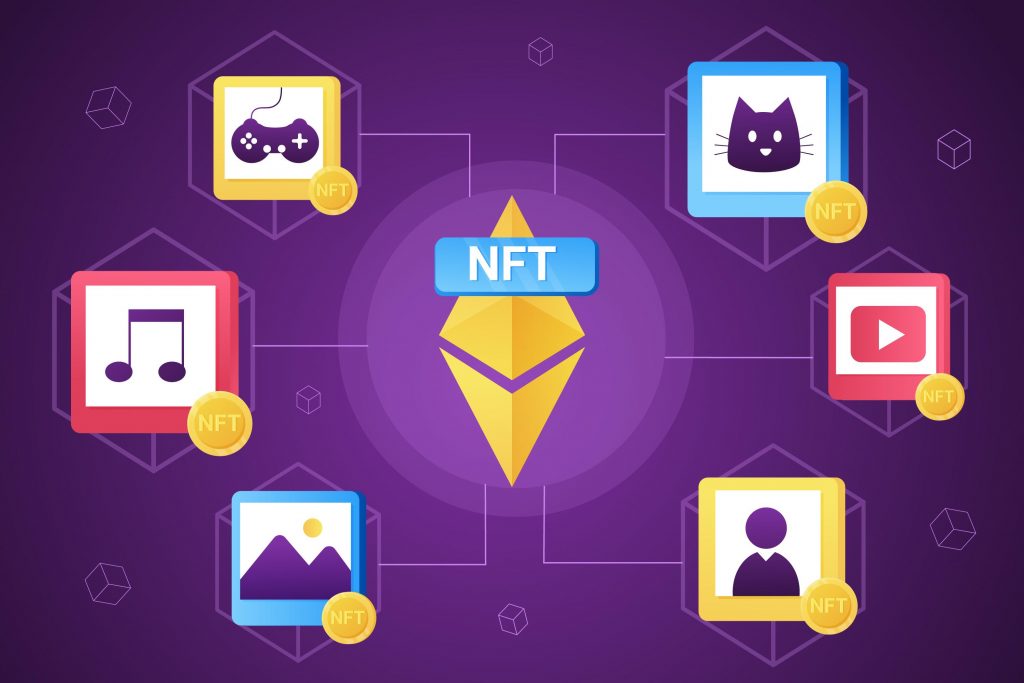
In the dynamic and competitive e-commerce landscape, brands continuously explore innovative strategies to engage customers and enhance their shopping experience. One remarkable creative idea is using Non-Fungible Tokens (NFTs) to gamify the shopping experience. This article delves into the fascinating intersection of NFTs and gamification. It explores how these digital assets are harnessed to create engaging, fun experiences that captivate customers and transform how they interact with brands online. Are you ready to learn about the future of retail? Download our free “Retailer’s Guide to the Metaverse, NFTs, and Web3” ebook to learn how to leverage the power of NFTs and Metaverse in your business. Gamification and NFT: a match made in Heaven Gamification, the strategy of incorporating game-like elements into non-gaming environments, has proven to be a potent tool for enhancing user engagement. It’s about making tasks or processes more enjoyable. For example, fitness applications utilize gamification to inspire users to achieve their health objectives. They offer badges, rewards, and social features to make tracking workouts and meals more entertaining, transforming a routine task into an engaging experience. In the context of Web2 platforms, gamification has been widely used. Social media platforms like Facebook and Instagram use likes, shares, and comments to encourage user interaction. For example, gamification elements have been extensively used in e-commerce platforms to make the online purchase experience more entertaining. E-commerce giants like Amazon and eBay use reviews and ratings to engage customers and encourage repeat purchases. As we transition from Web2 to Web3, the potential for gamification becomes even more exciting. Thanks to the blockchain, Web3 offers fresh avenues for gamification. It provides two primary benefits: enabling rewards ownership and ensuring user engagement traceability. NFTs could be adopted by e-commerce platforms looking to spice up the shopping experience and enhance their loyalty programs. Gamification of On-chain Loyalty Programs Businesses have successfully incorporated game mechanics into their loyalty programs, such as earning purchase points, completing challenges, or participating in community activities. These can then be redeemed for rewards or exclusive benefits, motivating customers to engage more with the brand and fostering a sense of community among members. On-chain loyalty programs offer a world of possibilities: Community is the cornerstone of almost any Web3 endeavor. Giving tradable assets to people who genuinely care about a brand makes it possible to unite them all in one exclusive place and increase their sense of belonging. How blockchain games can improve brand engagement Brands are not only incorporating gaming elements into their processes, but they also incorporate their brands into gaming. We’ve previously discussed how brands are leveraging virtual worlds to stay relevant. Blockchain-based games, also called play-to-earn games, are equally beneficial for brands. Users can earn and own parts of the game as NFTs. Players can be rewarded based on their playing and receive badges as NFTs. They can even own the characters. In this context, brands have been exploring various strategies. Some have launched exclusive NFT collections within games, like Burberry, while others have developed their own play-to-earn games, like PMU. Some brands, like Louis Vuitton, have even incorporated NFTs into their gaming apps. NFT gamification examples in e-commerce Gamification in on-chain loyalty Starbucks has innovatively integrated NFTs with its Odyssey on-chain loyalty program, transforming it into an engaging game-like experience. Customers embark on ‘journeys’, such as the ‘Doing Good’ journey, which promotes sustainable practices. Upon completion, users are rewarded with unique NFT Stamps that can be traded on NFT marketplaces. Purchasing an NFT gives members additional “points” that they can use to level up their tier, adding a new layer of engagement and reward for customers. This approach has enabled Starbucks to create a vibrant community on Discord, where members discuss quests, trade NFTs, and provide feedback, enhancing customer engagement and loyalty. Brands and in-game NFTs In collaboration with Mythical Games – a prominent Web3 gaming house – Burberry launched a collection of NFTs for the popular Blankos Block Party. This multiplayer party game features digital vinyl toys known as Blankos, which players own. Burberry introduced a limited-edition Burberry Blanko named Sharky B, an NFT that can be purchased, upgraded, and sold within the Blankos Block Party marketplace. Sharky B, adorned with Burberry’s clothes, is not just a collectible item but also shows a series of attributes, including speed and agility, ensuring its uniqueness and rarity. As part of this collection, Burberry also launched its branded NFT in-game accessories, including a jetpack, bracelets, and pool shoes, which players can apply to any Blanko they own. PMU, a major European horse betting company, has entered the world of Web3 by introducing its NFT-based fantasy game, Stables. This game allows players to own digital replicas of real horses. The performance of the physical horses in real life directly influences the players’ strategy and success in the game. Stables utilizes actual racetrack data and statistics to establish race conditions. Stables is a prime example of how a traditional brand can use gamification to successfully enter the Web3 space, generate immediate revenue, and create opportunities for valuable partnerships and activations. In August 2021, Louis Vuitton introduced a game called Louis: The Game, which enables users to navigate a virtual world alongside a character named Vivienne. The game aims to locate exclusive brand postcards (NFTs) while navigating the brand’s 200 years of history. The brand aimed to expand its influence and engagement with young consumers by launching this game. In contrast to other companies that have simply auctioned off NFTs, Louis Vuitton encouraged fans to solve puzzles within the game to participate in a raffle for ten distinct NFTs featuring Vivienne in various fashionable appearances. These NFTs could be utilized as profile images and could be transferred across different platforms. Louis: The Game garnered over two million downloads. Benefits of NFT gamification in e-commerce In the world of e-commerce, NFT gamification holds the potential to revolutionize how customers interact with brands. Brands are harnessing the power of NFTs to create unique, immersive experiences, as demonstrated by Starbucks’ blockchain-based loyalty program,
10 Effective E-commerce Advertising Strategies To Boost Your Results

In today’s e-commerce landscape, advertising plays a crucial role. Enhancing online sales and amplifying performance through e-commerce advertising stands as the ultimate goal. This article outlines 10 effective strategies for achieving success with e-commerce advertising. It delves into the world of online advertising, starting a journey of discovery and learning. Your adventure begins now! The Evolution of E-commerce Advertising Gone are the days when e-commerce advertising was as simple as setting up a banner ad and waiting for the sales to roll in. With the rise of AI and other tech advancements, e-commerce advertising has morphed into a complex creature that requires a strategic approach. But fear not, we’re here to help you tame that creature. How to Advertise E-commerce? 10 Effective Strategies Strategy 1: Harnessing the Power of Social Media Social media isn’t just for sharing cute cat videos and drool-worthy food snaps anymore. It’s become a powerhouse for e-commerce advertising. Whether it’s Facebook, Instagram, or TikTok, each platform offers unique ways to reach your target audience. For instance, Instagram’s shopping feature allows users to purchase products directly from your posts. Now, isn’t that neat? And with TikTok’s innovative features, like the TikTok Galaxy Gift, brands can engage users in exciting and interactive ways, driving sales and brand awareness. But it’s not just about posting; it’s about engaging. Respond to comments, share user-generated content, and create a community around your brand. Remember, social media is a two-way street. The more you engage with your audience, the more they’ll engage with you. Strategy 2: The Rise of Video Ads If a picture is worth a thousand words, then a video is worth a million. Video ads are all the rage in e-commerce advertising, and for good reason. They’re engaging, informative, and let’s face it, way more fun than reading a block of text. So, why not give it a shot? Create a product demo, a behind-the-scenes tour, or even a fun unboxing video. And don’t forget about platforms like YouTube. With its vast audience and powerful targeting options, YouTube can be a goldmine for e-commerce businesses. Just make sure your videos are high-quality, engaging, and optimized for search. Strategy 3: Optimizing Facebook Ads Facebook Ads are like a goldmine for e-commerce businesses. With the right targeting and creative strategy, you can reach millions of potential customers in no time. But remember, it’s not just about reaching people; it’s about reaching the right people. So, make sure to use Facebook’s detailed targeting options to reach your ideal audience. And don’t forget about ad optimization. Test different ad formats, creatives, and bidding strategies to find what works best for your business. Remember, the key to successful Facebook advertising is continuous testing and optimization. Strategy 4: Leveraging Email Marketing Email marketing might seem old school, but it’s still one of the most effective e-commerce advertising strategies out there. It’s all about building relationships with your customers and keeping your brand top of mind. So, don’t just send promotional emails. Send valuable content that your customers will appreciate. And don’t forget to personalize your emails. Trust us, your customers will notice. But it’s not just about sending emails; it’s about tracking your performance. Use email marketing platforms to track your open rates, click-through rates, and conversions. This data can help you optimize your emails and improve your ROI. Strategy 5: Exploring Influencer Marketing Influencer marketing is like word-of-mouth advertising on steroids. By partnering with influencers in your niche, you can reach a wider audience and build trust quickly. Plus, it’s a great way to create authentic content for your brand. Just make sure to choose influencers who align with your brand values and have a genuine connection with their followers. And remember, influencer marketing is not just about one-off promotions. It’s about building long-term relationships with influencers and their audience. So, provide value to the influencers, engage with their audience, and make it a win-win situation for everyone. Strategy 6: Mastering SEO Search engine optimization (SEO) might seem intimidating, but it’s crucial for your e-commerce business. By optimizing your website and content for search engines, you can attract high-quality traffic and boost your visibility online. So, do your keyword research, optimize your product pages, and create valuable content that your audience will love. But SEO is not just about keywords; it’s about providing a great user experience. Make sure your website is fast, mobile-friendly, and easy to navigate. Remember, a happy user is a loyal customer. Strategy 7: Utilizing Retargeting Ads Ever visited a website, and then got ads for that website everywhere you went online? That’s retargeting in action. Retargeting ads allow you to reach people who have already interacted with your brand, making them more likely to convert. So, don’t let potential customers slip away. Use retargeting ads to remind them why they should choose you. And don’t just retarget everyone; segment your audience based on their behaviour. For example, you can retarget people who added products to their cart but didn’t complete the purchase. By showing them personalized ads, you can increase your chances of converting them into customers. Strategy 8: Diving into Data with Google Analytics Data is your best friend in advertising for e-commerce. With tools like Google Analytics, you can track your advertising performance, understand your audience better, and make data-driven decisions. So, don’t just guess what’s working. Dive into the data and let it guide your strategy. But remember, data is only as good as your ability to interpret it. So, take the time to learn how to use Google Analytics effectively. Understand what each metric means, set up custom reports, and track your key performance indicators (KPIs). This will help you make smarter advertising decisions and improve your ROI. Strategy 9: Creating Engaging Content Content is king in e-commerce advertising. Whether it’s blog posts, videos, or social media posts, engaging content can attract customers, build trust, and drive sales. So, don’t just sell products. Tell stories, provide value, and create content that your audience will
Metaverse Shopping: The Future of Virtual Retail Experiences

The metaverse, a complex digital landscape, presents a new context for brands. Its potential implications for shopping are intriguing yet uncertain. In this article, we will explore the metaverse, its relation to shopping, notable experiences, examples, and its possible impact on the future of retail. Are you ready to learn about the future of retail? Download our free “Retailer’s Guide to the Metaverse, NFTs, and Web3” ebook to learn how to leverage the power of NFTs and Metaverse in your business. Understanding the Metaverse The metaverse, a term that’s been making rounds, is a convergence of various technologies: Augmented Reality (AR), virtual reality (VR), blockchain, the Internet of Things (IoT), and the Internet, all functioning in real time. It’s not a singular entity but a network of interconnected digital spaces, each with unique characteristics and rules. The metaverse is challenging due to its evolving nature. In the first five months of 2022, over $120 billion was invested in metaverse-related technologies, more than double the $57 billion invested throughout 2021 (McKinsey). Even though the pandemic-induced “metaverse hype” has subsided, the trend toward digitalization continues. Apple’s venture into this space with its augmented and virtual reality goggles demonstrates the increasing sophistication of mixed-reality devices. The investment influx is not limited to large tech companies but also includes venture capitalists, private equity firms, startups, and established brands. The current state of the metaverse is a blend of various initiatives that blur the lines between physical and digital realities. Gaming platforms like Roblox are driving the early versions of the metaverse, but its potential reaches far beyond gaming. According to a McKinsey report, the metaverse is poised to impact various sectors, such as Consumer and Retail, Media and Telecommunications, Healthcare, Financial Services, Automotive, Tourism, and Entertainment. This article will delve deeper into the potential of retail and shopping in the metaverse. What is the vision for Metaverse Shopping? In the metaverse, shopping becomes an immersive journey where consumers in the future can interact with products and brands like never before. Traditional shopping and metaverse shopping are distinct experiences. First of all, in the digital realm we can’t rely on smell, taste and touch, just on sight and sound. Yet, the metaverse opens up possibilities that traditional commerce couldn’t match. Let us dive deeper into what the metaverse could bring to the table: However, success in the metaverse is more than just about creating flashy, high-tech experiences. It’s about understanding and catering to consumers’ needs and interests. According to a McKinsey survey on commerce in the metaverse, consumers are now more willing to pay for product offerings that tie back to the physical world in some way than for purely virtual ones. For instance, consumers ranked virtual events and virtual homes in the bottom two use cases in the fashion and beauty category. Consumers were most excited about experiences augmenting and complementing their physical-world experiences. Most popular Metaverse Shopping experiences While the full realization of the metaverse may still be on the horizon, brands are already pioneering new types of experiences and gathering crucial insights. Most of these activations are marketing initiatives designed to engage customers in innovative ways. This section delves into three of the most popular metaverse shopping experiences. Alternatively, it can involve creating experiences that draw elements from virtual worlds but relate to physical products, providing a unique and engaging shopping experience. Metaverse Shopping examples and case studies case studies Let’s now delve into the application of these concepts in the real world. However, it’s crucial to remember that these activations must align with a company’s goals and needs. The metaverse offers many opportunities, but it’s not a one-size-fits-all solution. Metaverse Shopping and the Future of Retail The metaverse commerce playbook is still being written. The success of the metaverse in retail depends on creating a virtual world in which to engage, mixing different technologies. Consumers increasingly see their digital shopping experience becoming a rich ecosystem across multiple online channels, and the metaverse may be a natural expansion. Despite the substantial promise of the metaverse, the emergence of a new channel means retail executives also have significant challenges and questions they will have to tackle. For example, they must consider how the metaverse could impact physical stores by further shifting consumers’ preferred shopping channels. Retailers must seek the right balance between their physical retail network and virtual-world offerings, aiming to develop a seamless connection between them to drive real-world sales. Are you ready to learn about the future of retail? Download our free “Retailer’s Guide to the Metaverse, NFTs, and Web3” ebook to learn how to leverage the power of NFTs and Metaverse in your business. DVRS DVRS is a pioneering Web3 studio, guiding brands on their blockchain journey. With a team of seasoned blockchain engineers and crypto-native experts, they create immersive experiences and build digital communities, setting new standards in the Web3 space.
E-commerce Video Marketing Strategy: 10 Tips-Guide for Success

Video has become an essential tool for businesses to effectively promote their products and services online. With the rising popularity of social media platforms and the increasing demand for visual content, incorporating videos into your eCommerce marketing strategy can significantly boost your sales and brand engagement. By harnessing the power of engaging visual content, eCommerce companies can effectively communicate their brand’s message, showcase products, and build meaningful connections with their audience. Embracing video marketing opens the door to a new realm of opportunities, enabling businesses to thrive and flourish in the fast-paced world of online commerce. However, in order to achieve success in this competitive landscape, it is crucial to master the art of eCommerce video marketing. In this guide, we will provide you with 10 valuable tips that will help you maximize the potential of video marketing for your eCommerce business. From creating captivating content to optimizing your videos for search engines, this guide will equip you with the essential knowledge and skills to succeed in the world of eCommerce video marketing. Introduction to eCommerce Video Marketing In recent years, the landscape of eCommerce has evolved significantly, and businesses are constantly seeking innovative ways to stand out in the competitive online market. One strategy that has gained immense popularity and effectiveness is eCommerce Video Marketing. As consumers increasingly turn to digital platforms for shopping, video content has emerged as a powerful tool for businesses to engage, captivate, and convert their audience. Let’s find out how to create a video marketing strategy that makes a difference! The Importance of Video Marketing for eCommerce Businesses Enhanced Engagement Video content has a unique ability to captivate and hold the attention of viewers. It allows businesses to convey complex information in a visually appealing and easily digestible format. Engaging videos can evoke emotions, trigger responses, and leave a lasting impact on potential customers. Improved Product Understanding For eCommerce businesses, showcasing products effectively is crucial. Videos provide an opportunity to demonstrate products in action, highlight features, and offer in-depth explanations. This can lead to better customer understanding, resulting in more confident purchasing decisions. Increased Conversion Rates Studies have consistently shown that including videos on product pages can significantly increase conversion rates. When potential customers can see the product in action and understand its benefits, they are more likely to make a purchase. Builds Trust and Credibility Building trust is essential in any eCommerce relationship. Videos, especially customer testimonials and product reviews in video format, can create an authentic connection with the audience. Real people sharing their experiences instil confidence in the brand and its offerings. Boosts Brand Awareness Engaging and shareable videos have the potential to go viral, expanding your brand’s reach far beyond your immediate audience. Social media platforms, in particular, provide an excellent opportunity to spread your message and increase brand awareness through videos. Personalization and Storytelling Videos allow businesses to personalize their marketing messages. Through storytelling, they can connect with customers on a deeper level, humanizing the brand and creating a sense of belonging. Mobile-Friendly Experience With the increasing use of mobile devices for online shopping, video content is easily accessible and convenient for on-the-go consumers. Mobile-optimized videos cater to this growing segment of the market. SEO Benefits Search engines favor websites with video content, making it easier for potential customers to discover your products through organic search. Video descriptions, titles, and tags can be optimized to improve your eCommerce site’s visibility. User-Generated Content (UGC) Opportunities eCommerce businesses can leverage user-generated video content, where customers showcase products or share their experiences. UGC adds social proof and authenticity, making it a powerful marketing asset. Real-Time Engagement Live streaming and interactive video formats enable real-time engagement with customers. Q&A sessions, product launches, and behind-the-scenes glimpses provide opportunities to foster relationships and answer customer queries. Why Product Videos for eCommerce Marketing? Product videos have become a crucial element of eCommerce marketing due to their ability to provide more in-depth and engaging information about products, resulting in higher conversion rates and increased customer satisfaction. Here are some data-driven reasons that highlight the importance of using videos instead of images in eCommerce marketing: Increased Conversion Rates According to studies, product videos can increase conversion rates by up to 80% when compared to static images alone. When customers can see products in action and understand their benefits, they are more likely to make a purchase. Higher Retention and Engagement On average, viewers retain 95% of a message when they watch it in a video compared to 10% when reading it in text. Videos capture attention better and keep viewers engaged, leading to a better understanding of the product and its features. Reduces Product Returns Clear product videos that demonstrate how a product works and its size, appearance, or functionalities help manage customer expectations. Incorporating 3D visualization can be a game-changer in reducing product returns. It allows customers to interact with products virtually, examining them from all angles and getting a more immersive experience. It provides a realistic representation of the product which in turn, reduces the likelihood of returns due to mismatched expectations. Mobile Shopping Preference Mobile users prefer video content as it requires less effort and time than reading lengthy product descriptions. With the rise of mobile eCommerce, videos provide a seamless shopping experience on smaller screens. Social Media Performance Social media platforms prioritize video content, and videos tend to receive higher engagement rates than images or text posts. Videos are more likely to be shared by users, increasing the brand’s visibility and reach. Explaining Complex Products Videos allow brands to demonstrate complex products or services in a more comprehensive and easily understandable manner, simplifying the decision-making process for potential customers. Competitive Advantage Despite the proven benefits of video marketing, many eCommerce businesses still rely primarily on images. By incorporating product videos into your marketing strategy, you gain a competitive edge and provide a more engaging shopping experience. Types of eCommerce Video for Marketing Indeed, there are various types of eCommerce videos used for marketing
Top 10 E-commerce Trends in 2023 Every Store Should Know About

Click-click and you got yourself a brand-new car right in front of your porch. Yes. You heard it right. Online shopping has grown in popularity, and if you really want to keep up with new e-commerce trends then you should read our article carefully. In the upcoming years, e-commerce is expected to grow even more rapidly. We’ve selected the top 10 trends in 2023 that you should definitely start using ASAP. 1. Mobile Shopping Cell phones are going to be a big part of online shopping in the future. – Over half of all online shopping in the United States occurred through mobile devices in 2018, with expectations for this trend to further increase. The majority of online purchases, around 75%, will be conducted through mobile devices by 2023. Mobile commerce involves more than just utilizing your phone for buying items. This means that whenever you make a transaction by using your phone, such as interacting with advertisements, conversing with sales personnel, or exploring different brands on your phone’s browser or app. It is essential to have a website that is responsive across all devices, enabling customers to effortlessly browse through your complete range of products. 2. Food & Beverage E-commerce is being increasingly adopted by establishments such as grocery stores, cafes, and fast-food places, where people can purchase food and beverages. They are exploring novel approaches to utilize technology in order to directly sell and advertise their products to customers. It is advisable for food and drink companies to establish an online shopping system for their customers if they haven’t already. Understanding the diverse trends happening in this swiftly changing domain is vital for companies seeking to improve their existing website, web application, or mobile app, considering both the business and consumer outlook. The competition within the online food and drink industry continues to intensify as time goes on. In order to ensure the long-term success of your company, it is vital to have a food and beverage e-commerce platform that has the ability to develop and execute strategies that enhance customer satisfaction, streamline internal operations, and enhance the visibility of your brand across various online platforms. 3. Variety of Payment Methods E-commerce stores benefit from offering diverse payment methods as it provides customers with a variety of options to select from, according to their individual circumstances, resulting in a better shopping experience. It is improbable that they will abandon the cart. Flat, rectangular pieces of paper or plastic, known as cards, are commonly utilized for playing games, providing information, or displaying identification. Nowadays, the most widespread methods of payment are debit and credit cards. The importance of contactless cards has increased during the pandemic. The technology incorporated in these cards is either RFID or NFC. Cash is a means of payment made with tangible currency, like banknotes and coins, which is utilized for buying products and services. Payments made through a mobile device, like a smartphone or tablet, are known as mobile payments. Paying for items can be done through the use of a mobile device, as opposed to traditional methods such as cash or credit cards. 4. Online Promotion and Advertising With the growing popularity of online shopping, the number of online ads is also on the rise. Stores face the challenge of increased advertising expenses due to the growing number of competitors, which is not good news for them. Nonetheless, one must give careful thought to this trend while formulating budgets and marketing plans. About 60% of people from Generation Z buy products or services directly from social media platforms. Previously, social media was primarily utilized by individuals to explore novel products, yet it has now become an avenue for businesses to enhance their sales as well. The forefront of the social commerce revolution is occupied by young people from Generation Z. Disregarding the importance of social media might pose a risk for businesses that could potentially fall behind as Gen Z grows into adulthood. Technology is something they are well-acquainted with, and they strive for a connected and effortless user experience across all their online activities. 5. Customer Service In 2023, the emphasis of customer service is on being easily reachable and supportive to customers both prior to and following their purchase. While it is important for your customer service to be efficient and effective in problem-solving, there are instances where customers simply seek someone who will attentively listen to their concerns. Effective communication and active listening to customers can help resolve the majority of problems. Expecting someone to be constantly available to answer questions is not a realistic expectation. This is where stores should try out new technologies like chatbots. Chatbots support crafting a set of responses that provide customers with the impression of having a sincere dialogue. 6. Conversational Marketing Businesses employ conversational marketing as a means of interacting with customers through conversing and facilitating two-way communication. The main aim is to actively connect with customers in real-time and emphasize relationship-building through dialogue. The concept of conversational marketing involves interacting with individuals who land on your website, aiming to convert them into potential customers or offering a means for current customers to continue engaging with your business. The utilization of Conversational marketing facilitates a faster customer journey, an increased average e-commerce conversion rate and increased customer engagement. Drift, a company focused on marketing and sales, introduced this word for the very first time. It simplified the process for companies to engage with their target audience and existing clientele. It facilitates rapid communication between teams and website visitors, ensuring immediate access to desired answers and information. 7. Voice and Visual Searches An escalating number of individuals are resorting to modern approaches like voice and visual searches to explore and make purchases on the internet. Optimize your online store to meet the needs of both search engines and customers searching for products. The utilization of AI technology in voice-based e-commerce has led to its expansion and development as an integral component within the e-commerce
NFT in Fashion: Redefining the Future of Style

In the fashion world, staying on top of digital innovation is not an option but a strategic imperative. Brands that excel in this domain captivate their audience and cultivate lasting loyalty, driving their business growth. Non-Fungible Tokens (NFTs), in particular, have caught the attention of most top fashion players worldwide. This article explores the concept of NFTs in fashion, their rising popularity, and how fashion businesses leverage this trend. Are you ready to learn about the future of retail? Download our free “Retailer’s Guide to the Metaverse, NFTs, and Web3” ebook to learn how to leverage the power of NFTs and Metaverse in your business. What is NFT in fashion? NFTs are unique digital assets stored on a blockchain. These digital items are unique and cannot be replicated, giving them a value that can be bought, sold, or traded, much like physical fashion items. NFTs in the fashion industry encompass a wide array of applications. They are being used to create digital versions of physical goods, giving rise to the concept of “digital twins”. This allows for creating unique, one-of-a-kind fashion items and provides a new way for brands to engage with their customers. As younger generations spend more time online than ever, fashion brands must focus on digital identity and expression to stay relevant. Major video games’ business models, such as Fortnite, rely entirely on selling their in-game digital wearables. Similarly, metaverse platforms like Decentraland and The Sandbox leveraged digital collectibles from day one. Moreover, many brands combine NFTs with physical goods, creating a unique blend of the digital and physical worlds. This approach allows customers to own a physical item and its digital counterpart, enhancing the value and appeal of the product. Also, NFTs are revolutionizing the luxury fashion industry by serving as digital authenticity certificates, ensuring the provenance and uniqueness of premium items, thereby enhancing their value and desirability. Furthermore, brands are exploring opportunities beyond virtual clothing, launching exclusive content as NFTs. This can range from brand-inspired avatars to rare collectibles, offering customers unique digital assets that can be owned and traded. Why are fashion NFT projects so popular? The popularity of fashion NFT projects can be attributed to several factors. They offer a new form of expression for tech-savvy fashion enthusiasts. They provide a platform for designers to showcase their creativity without the constraints of physical production. Moreover, the exclusivity associated with NFTs resonates well with the fashion industry’s – particularly the high fashion – penchant for status. Especially in the fashion luxury industry, authenticity is fundamental, and the blockchain’s safety can play a significant role in fighting counterfeits. Each NFT fashion item or membership pass is unique and cannot be replicated, fostering exclusivity. These digital assets can be bought and sold on various online platforms that support NFT transactions, providing a new marketplace for fashion enthusiasts and additional revenue streams for brands. Moreover, NFT fashion could enhance sustainability in the fashion sector through more energy-efficient supply chain tracking and the utilization of digital prototypes. According to data collected for the Vogue Business Index, 17% of brands had worked with NFTs as of Winter 2021. How fashion businesses are capitalizing on the NFT trend Several fashion businesses are capitalizing on the NFT trend. The Fabricant, a digital fashion house, sold an iridescent dress as an NFT for $9,500 in May 2019. Since then, many brands, including Louis Vuitton, Burberry, Nike, Levi’s, Dolce & Gabbana, Gap, and Adidas, have launched various NFT projects. Comprehensive Web3 strategy Nike has been a pioneer in the integration of NFTs in the fashion industry. In late 2021, it acquired RTFKT, a popular Web3 virtual footwear and clothing brand. Together they launched one of the most successful brand collections: CloneX. Nike’s total revenues for its web3 activities reached $185 million. In late 2022 the brand developed its own Web3 platform, “.SWOOSH”, designed to build a more thoughtful community for sneakerheads. Nike’s approach to Web3 is inclusivity-first, focusing on co-creation with their community. Gucci has been a trailblazer in the NFT space, launching a series of innovative projects that align with its brand values. From organizing a Christie’s auction to sell its first NFT to launching the Gucci Garden on Roblox and partnering with Superplastic and 10KTF for unique NFT collections, Gucci has consistently pushed the boundaries of what’s possible in the Web3 fashion landscape. Their strategy of quick iteration, brand ethos consistency, and platform agnosticism has set a new standard in the industry. Gamification with NFTs Louis Vuitton has also made its mark in the NFT space. The brand released “Louis: The Game,” an NFT video game for mobile devices, marking a unique approach to engaging with consumers. The game features various missions and adventures, with players having the opportunity to collect a variety of NFTs along the way. NFT for Transparency and Authenticity Louis Vuitton’s venture into blockchain technologies doesn’t stop with gamification. In 2021, Prada, Cartier, and the French fashion house launched the Aura Blockchain Consortium. Their solution provides a global luxury blockchain for product transparency and traceability. It ties products to client IDs, enabling customers to verify product authenticity. On-chain loyalty Lacoste has expanded its NFT ecosystem with “The Mission”, a new Web3 experience. This initiative allows UNDW3 NFT holders to participate in point-based competitions and receive rewards. By accumulating points, Lacoste NFT holders can enhance the rarity and value of their tokens, demonstrating Lacoste’s innovative approach to customer engagement in the digital realm. At the time of writing, Lacoste is turning its NFT endeavors into a full-blown on-chain loyalty program – offering their holders long-term digital and physical benefits. (volendo mettere link a blog precedente) Conclusion Fashion brands do not only resort to NFTs for people to collect digital garments and express themselves online. They can also leverage this new tech to gamify and enrich their loyalty programs and track and authenticate their products. In this case, NFTs are crucial in bridging the gap between people and blockchain-powered solutions. The advent of NFTs in fashion has opened
5 Tips to Improve SEO for E-Commerce Product Pages
Since a lot of shopping starts with a search, e-commerce brands must invest in SEO for e-commerce product pages or risk becoming lost online, losing potential customers, and reducing revenue. By taking advantage of product page search opportunities, your online store can generate more transactions and increase profits. 5 Tips on Improving SEO for E-Commerce Product Pages When it comes to strengthening product page SEO, it may be a long-term investment, but it’s one of the most efficient ways to drive relevant traffic to your online store. Some benefits of investing in SEO for e-commerce product pages are: Below we’ll share 5 e-commerce product page best practices you should implement and why they benefit your bottom line. 1. Write Unique SEO Product Descriptions and Titles for Better Search Visibility First on our list of product page best practices for e-commerce SEO are SEO product descriptions. An SEO product description is more than a few product details. It requires strategic product content optimization to rank higher for search queries that drive potential customers to your product pages when they use those keywords to shop online. SEO for product descriptions and titles should be unique and not have duplicate content. If your product page copy has duplicate content, it can make it harder for Google to crawl it and prolong indexing for other product pages too. If your online store isn’t indexed by Google or takes a long time, it’s virtually invisible. For this reason, online stores shouldn’t use the manufacturer’s website descriptions and write unique SEO product descriptions to avoid duplicate content and indexing issues. If your product pages aren’t getting crawled/indexing, try adding internal links to your pages from other pages of your website such as category pages, menu navigation, and blog articles. Some ways to improve SEO product descriptions and titles for e-commerce brands are: SEO product descriptions and titles should meet where your visitors are in their buyer’s journey. Below we’ll explain some common keyword mistakes to avoid in SEO for e-commerce product pages to ensure you’re targeting the right ones. 2. Use the Right Keywords and Search Intent to Attract the Right Audience E-commerce brands mistakenly don’t do keyword optimization for product pages correctly or at all. Keyword optimization for e-commerce product page SEO is more than stuffing the highest volume keywords to product descriptions and titles. Product page keyword optimization requires strategic planning to ensure the keywords you’re targeting have the correct search intent and provide the best SEO opportunities. The easiest way to know a keyword’s search intent is to enter it into a search engine and look at the search results. For example, a keyword like “best athletic shorts” would generate blog search results, while “athletic shorts” would generate product page search results. If the keyword you’re targeting for an SEO product description isn’t generating product page search results, this is a sign that you have the wrong search intent. If your online store optimized a product page with a keyword intended for blog content, it could increase its bounce rate and lower average session duration because that’s not what users are looking for with that search query. In this case, “best athletic shorts” would be intended for users searching for informational blog content, not potential customers shopping for products. Although this keyword applies to a product, the search intent is for users researching athletic short options, general information, and the best features to look for first before buying. Some ways to improve keywords research and optimization for e-commerce SEO product descriptions are: Ensuring that the keywords used to optimize your product page copy are the right search intent will attract only relevant traffic and influence the right audience to buy. 3. Add Structured Data Markup to Generate Rich Results from Google How to optimize an e-commerce product page for SEO… without structured data markup? This is one of the most critical components of on-page SEO for e-commerce. It helps Google understand and categorize product page content more appealingly to encourage more user interaction — also known as rich results. Structured data markup helps produce rich results, which is essential for e-commerce product SEO. It generates special search results features that can make your online store stand out in the SERPs, such as product schema markup. For example, if your online store sells many types of shoes, product schema markup gives Google more information about your product pages, like shoe size, shoe type, brand, and color. This helps ensure that Google crawls all product pages correctly and produces rich snippets. According to Search Engine Journal, users click on rich results 58% of the time versus non-rich results at 41%. Rich results can enhance the shopping experience at your online store by displaying product ratings, pricing, product image, and availability within the SERPs — instead of users clicking through to your website to learn more. Structured data markup is essential in SEO for e-commerce product pages because it makes it easier for Google to understand and showcase your products better for potential customers. Without structured data markup, Google couldn’t tell the difference between the shoe products you sell. By providing the standardized language Google requires to generate rich snippets for your product pages, it can help them rank higher and display details in the SERPs for more specific search queries, which can increase search visibility and transactions. Some structured data types that can apply to SEO for e-commerce product pages are: Structured data markup is fundamental to e-commerce SEO for product pages. It can make your online store stand out in the SERPs, make it easier for potential customers to shop online, and streamline the shopping experience. Consumers nowadays don’t want a difficult online shopping experience, and it can be difficult for e-commerce brands to stand out in a competitive digital market. Investing in e-commerce product SEO through structured data markup can increase search visibility and generate more revenue. 4. Create Clear Call-to-Actions to Guide Users Along their Buyer’s Journey Next on our list
How to build a winning NFT Loyalty Program for your e-commerce
In today’s vibrant digital landscape, businesses constantly seek innovative ways to engage customers and foster loyalty. One such groundbreaking innovation that has been making waves recently is the use of Non-Fungible Tokens (NFTs) in loyalty programs. This article delves into the concept of NFT loyalty programs, their benefits, and how they can revolutionize customer retention strategies. Are you ready to learn about the future of retail? Download our free “Retailer’s Guide to the Metaverse, NFTs, and Web3” ebook to learn how to leverage the power of NFTs and Metaverse in your business. Introducing NFTs Non-Fungible Tokens, or NFTs, are unique digital assets stored on a blockchain. Unlike traditional tokens or cryptocurrencies, NFTs are unique and cannot be exchanged on a like-for-like basis. This uniqueness makes NFTs ideal for proving ownership in the digital world. The rise of NFTs has opened up a world of possibilities for businesses to engage with their customers in a more personalized and meaningful way. By offering unique digital assets as rewards, businesses can create membership programs that are more engaging, secure, and easily verifiable. With NFTs, gamification mechanics can be leveraged based on rarity and tiers levels. Evolution of Loyalty Programs Loyalty programs have been a staple in customer retention strategies for decades. They have evolved from simple punch cards and point systems to digital apps and membership clubs. However, traditional loyalty programs often face challenges such as low redemption rates, lack of personalization, and difficulty measuring program effectiveness. These programs often fail to create a sense of exclusivity or offer rewards that genuinely resonate with customers. NFT-based loyalty programs offer a novel approach to customer retention. The transparency and traceability of blockchain technology make it easier to measure the effectiveness of loyalty programs. Customers can easily track and redeem rewards, leading to higher redemption rates. Furthermore, NFTs can be designed to reflect the customer’s preferences, enhancing the personalization of the rewards. The potential of NFT loyalty programs extends beyond mere customer retention. NFTs can also be a powerful marketing tool, allowing businesses to create unique campaigns and promotions to drive customer engagement and increase brand awareness. The Web3 Studio DVRS At DVRS, we believes that on-chain loyalty programs can give brands a unique opportunity to grow a highly engaged community, analyze customer interactions, get detailed analyses of user personas, and track their on-chain behavior. This level of insight and engagement is unparalleled in traditional loyalty programs, making NFT loyalty programs a game-changer in customer retention strategies. Industries Benefiting from NFT Loyalty Programs and Their Challenges NFT loyalty programs are versatile and can be implemented across various industries. Here are a few sectors that could particularly benefit: However, implementing NFTs in loyalty programs is not without challenges: NFT Loyalty programs examples As the concept of NFT loyalty programs continues to gain traction, several forward-thinking brands have already started to explore this new frontier. One such brand is Starbucks, which has embraced this technology with its ‘Starbucks Odyssey’ program. Starbucks Odyssey is a special loyalty program that offers customers unique NFT “stamps” as rewards, which can be used for exclusive benefits within their digital community. This not only enhances customer engagement but also creates a unique digital experience for customers. Since its launch, Starbucks Odyssey has seen significant success. The program has attracted many participants, with its first NFTs generating a total trading volume of over $1.8 million. This success demonstrates the potential of NFT loyalty programs and how they can be used to create a unique and engaging customer experience. Designing an NFT Loyalty Program When designing an NFT loyalty program, businesses should consider the following: Remember, the design of your NFT loyalty program should be a strategic decision that aligns with your overall business objectives and customer engagement goals. In conclusion, NFT loyalty programs offer a promising new approach to customer retention, allowing businesses to offer unique, personalized rewards that can enhance customer loyalty and engagement. In the future, NFTs could be integrated with existing loyalty systems, allowing businesses to leverage their current infrastructure while offering a new type of reward. Are you ready to learn about the future of retail? Download our free “Retailer’s Guide to the Metaverse, NFTs, and Web3” ebook to learn how to leverage the power of NFTs and Metaverse in your business. DVRS DVRS is a pioneering Web3 studio, guiding brands on their blockchain journey. With a team of seasoned blockchain engineers and crypto-native experts, they create immersive experiences and build digital communities, setting new standards in the Web3 space.
How to implement eCommerce SEO strategies for effective Link Building
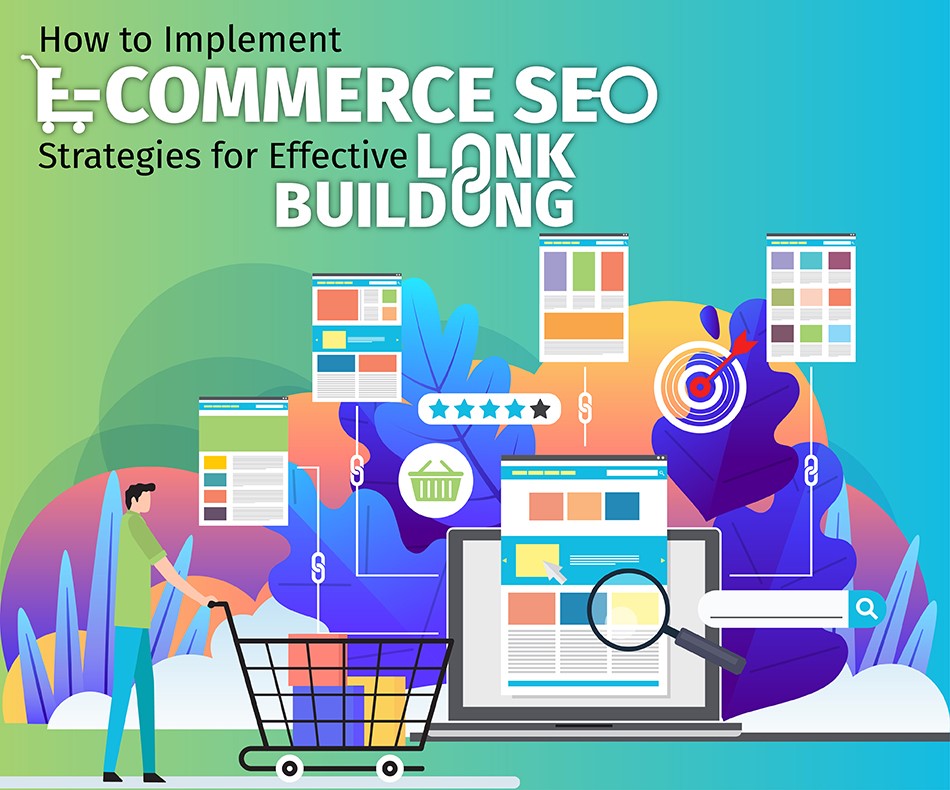
In the ever-expanding world of e-commerce, search engine optimization (SEO) is vital in driving organic traffic and increasing online visibility. Among the various SEO strategies, link building is a powerful technique that can significantly enhance the rankings of an e-commerce website in search engine results pages (SERPs). This article provides a comprehensive guide on implementing ecommerce SEO strategies for effective link building. Understand the basics of ecommerce SEO A user-friendly website structure ensures visitors can easily navigate and find the information they seek. A well-organized website structure enhances the user experience and encourages visitors to stay longer, reducing bounce rates and increasing the chances of conversions. Clear and intuitive menus, categories, and subcategories must be created to make it simple for people to traverse the website. Internal linking connects relevant pages within the website, allowing search engines to discover and index them more effectively and helping users find related information. A slow-loading website frustrates users and leads to higher bounce rates. Additionally, search engines prioritize websites with fast loading times in their rankings. Optimizing site speed is crucial for providing a positive user experience and improving SEO performance. Website owners can employ various techniques to improve loading times, such as optimizing images and media files, minimizing HTTP requests, enabling browser caching, using content delivery networks (CDNs), and choosing a reliable hosting provider. Identify target keywords for the e-commerce website Regarding the best SEO strategies for ecommerce websites, identifying target keywords is of utmost importance. The search terms and phrases that potential buyers use while shopping for goods or services online are target keywords. You may improve your chances of showing in pertinent search results and attracting qualified organic visitors to your e-commerce website by optimizing your website for these keywords. Finding and using the appropriate keywords will enable you to: Optimizing your website for target keywords helps search engines understand the relevance and intent of your content. Consequently, your chances of appearing higher on search engine results pages (SERPs) are increased. By targeting keywords closely related to your products or services, Visitors who are more likely to be interested in what you offer are drawn to you. This raises the possibility of getting them to become clients. Targeting specific keywords aligns your content with user intent. When users find the information they are searching for, they are more likely to have a positive experience on your website, increasing the chances of engagement and boosting the conversion rate. Conduct research to identify the keywords that your competitors are targeting. This can be done by analyzing their website content, meta tags, and page titles. Tools like SEMrush and Ahrefs can provide valuable data on competitor keywords and their search rankings. Stay current with your industry’s latest trends and developments. Monitor industry forums, social media platforms, and news websites to identify emerging keywords and topics. This helps you align your SEO strategy with market demands and customer interests. Create high-quality content for Link Building High-quality content serves as the foundation for successful link-building. Produce compelling, informative, and shareable content that resonates with your target audience. This could include blog posts, product guides, infographics, videos, etc. Creating valuable content increases the likelihood of other websites linking to your ecommerce site, boosting its authority and search engine rankings. Implement On-Page optimization techniques When it comes to SEO ecommerce strategies, individual web pages can be optimized for on-page optimization to increase their exposure in search engine results. Ensure your e-commerce website is properly optimized by optimizing title tags, meta descriptions, headings, URLs, and image alt tags. Incorporate your target keywords naturally throughout the content while maintaining a user-friendly experience. Strategies for effective Link Building in ecommerce Guest blogging is a valuable strategy for building backlinks and establishing your brand as an authority in the industry. Identify reputable industry blogs or publications that accept guest contributions and offer to write high-quality, informative articles related to your niche. In your author bio or within the content itself, include a link back to your ecommerce website. This helps with link acquisition and exposes your brand to a broader audience. Influencers and bloggers often have a significant online following and can help drive traffic to your e-commerce website through link placements. Identify influencers and bloggers in your niche and contact them for collaboration opportunities. In return for an unbiased review or feature on their website and a backlink to your product page or homepage, please provide them with complimentary goods or services. This strategy can generate valuable backlinks and increase brand exposure. Informative, unique, and engaging content has a higher chance of attracting backlinks. Invest in creating valuable content such as guides, tutorials, industry reports, or infographics relevant to your target audience. Providing high-quality content increases the likelihood of other websites linking to it as a valuable resource. Promote your content through social media channels, email marketing, and outreach to industry influencers, encouraging them to share and link to your content. Optimize product pages for Link Building Product pages are crucial for ecommerce websites – optimizing them for link building can significantly impact your search engine rankings and visibility. When other websites link to your product pages, it signals their relevance and value, leading to improved organic traffic and conversions. Here are some key steps for optimizing product pages for link building: 1. Creating Unique and Informative Product Descriptions Craft compelling, unique, and informative product descriptions that provide value to your customers. Avoid using generic manufacturer descriptions and write your own to differentiate your products from competitors. Incorporate relevant keywords naturally and provide detailed information about the product’s features, benefits, and usage. Well-written and engaging product descriptions increase the chances of other websites linking to your product pages. 2. Utilizing User-Generated Content and Customer Reviews User-generated content (UGC) and customer reviews are decisive social proofs that can enhance the credibility and trustworthiness of your product pages. Encourage customers to leave reviews and ratings on your website and showcase them prominently on your product pages. Positive reviews can influence potential