

AR jewellery: the future of jewellery design
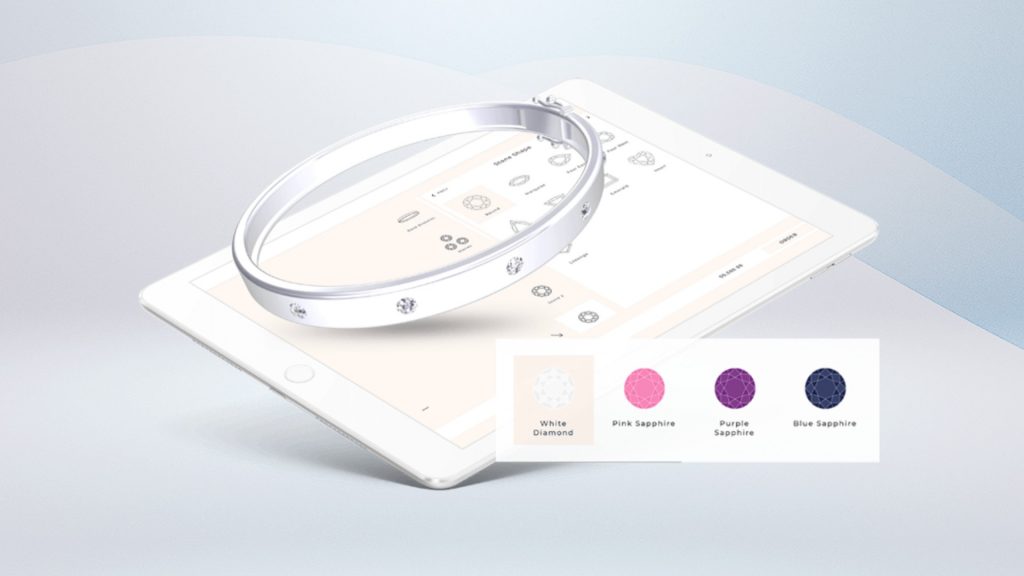
The jewellery industry is big business in the entire world, for example, according to a recent Statista Research, jewellery industry brings in 1.41 billion GBP in revenue in the UK. AR jewellery try-on technology is one way brands can coax back customers ready to shop again after the pandemic. Also known as “virtual try-on software”, “digital try-on tech”, “virtual dressing rooms”, etc., Augmented Reality (AR) let shoppers “virtually” try out jewellery, apparel, eyewear, even furniture and more, using an interactive App. Let’s talk more about the use of AR in the jewellery industry, how it works, and a few of its many uses and benefits in the world of ecommerce. How Augmented Reality is changing the retail industry More and more retailers are adding AR technology to their online experience to help consumers with the buying process and increase customer engagement. A Snapchat and Deloitte report reveals AR use in various industries, including ecommerce, is tracking similar in scale to the mobile phone explosion of the mid-2000s. A recent Google Consumer AR Survey found 66% of all shoppers were interested in trying AR in ecommerce. The use of AR in retail, especially for virtual jewellery try-ons, gives shoppers the power to interact with digital content via an App as if the item(s) was in their own home or office. One easy way to understand AR try-ons is to compare it to a social media filter used to personalise a user’s real-time image. How does Virtual Try-On AR jewellery work? Augmented Reality combines different technologies including AI face detection, tracking, cameras, and more so users can see how an item will look in real life. This interactive Augmented Reality technology generally works by: Different ways to use AR in the jewellery industry High-end luxury items, like jewellery, that have been a harder sell in the past online will see an increase in ecommerce revenue with more use of AR and VR technology by manufacturers. One way this increase is expected to occur is through more sales of custom products. AR is an especially valuable tool that ecommerce stores can use to highlight customization options to customers. AR in jewellery ecommerce stores offers boundless possibilities, but there are two most popular use cases: product configuration and Virtual Try-On. Jewellery customization and configuration with AR Product configuration for jewellery is how ecommerce offers large-scale customization to shoppers. Product configuration, leaning heavily on modern modularization tools, lets ecommerce meet specific customer needs. Many online tools are integrated into online stores, giving shoppers a range of customization options. Jewellery customers can personalize everything from colour, jewellery type or style, finish, and gemstones. Add custom names or monograms, and more. Meanwhile, AR try-ons camera-enabled devices into virtual showrooms so users can see their customizations in 3D. Shoppers create designs — mixing and matching different elements — then view the result using an AR try-on before hitting “buy.” Virtual Try-On jewellery using AR Shoppers spend 10,719m GBP on jewellery and watch in the UK alone. An expected increased use of AR try-on jewellery software should drive sales even higher as these apps give a full Shopping Experience to users. AI and machine learning verifies object or person seen in the device’s camera. Then, the app overlays the jewellery image selected. Next, AI tracking and other tools are implemented so orientation, placement, and size adjust as needed. If the person moves the object (jewellery) moves also, as if in the same space. Let’s see an example: if shoppers want to see how a ring or bracelet will look on them, they can activate AR view, and see the ring in AR and 3D. The App device’s camera is activated, allowing the app to overlay imagery of the ring or bracelet onto a real-time camera feed of their hand/arm. You’ve likely already seen AR try-on at many retailers, such as Tiffany and Co which used virtual jewellery try-ons for ecommerce and social media. Benefits of using AR for jewellery businesses Augmented Reality can help jewellery ecommerce stores in many ways: According to Bain and Co, luxury sales to Gen Z and Gen Alpha will grow 3x faster than other generations from now until 2030. These generations are also more likely to adopt AR and all the last technologies on the market. Consumers want more choices. AR try-on apps are more efficient. They’re a timesaver, giving shoppers across all demographics more shopping options. The use of AR also improves social selling as Apps are used by customers to share looks, and get advice from friends as they shop online. One challenge for ecommerce is meeting consumers’ desire to try-on jewellery items before purchase. Virtual try-ons fulfil this need. Also, shoppers using virtual try-ons are less likely to return items since AR helps them better visualize the jewellery item. According to Shopify, merchants with 3D & AR content including virtual try-ons saw an increase in conversion rates by 94% on average. Also, since it’s easier for customers to shop on websites with AR, higher customer satisfaction is likely. AR apps also can be outfitted with AI modules gathering data to provide useful shopper insights. How to get started with AR jewellery You can start providing your customer with the possibility to customize and see in 3D & AR your jewellery items simply by choosing the right tool: Zakeke. The time will never be better to start using Zakeke’s powerful 3D Configuration and AR tools to bring a more immersive Shopping Experience to your customers. Use AR to provide immersive, interactive visuals that will bring your products to life and increase consumer confidence in your jewellery brand. Zakeke is an all-in-one Visual Commerce platform that can increase your sales and conversion rates through the power of 3D Configuration and AR. Easy to set up and implement, Zakeke integrates seamlessly with the most used ecommerce platforms including WooCommerce, Shopify, and more. So, are you ready to implement powerful Product Configuration and jewellery AR try-on for your ecommerce? Let’s start from now with
How Product Customization Can Boost the Jewelry & Furniture Shopping Experience
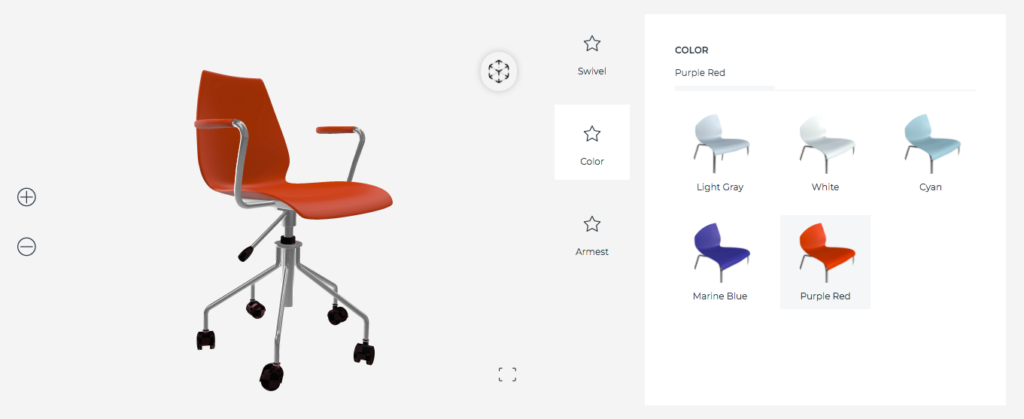
With today’s technology, it is common to hear about businesses using technology for operations. Companies now take advantage of automation software and other innovations to streamline their processes. As a result, consumer tastes and preferences have also evolved significantly. Back in the day, it was a challenge for businesses to address all customers’ needs due to limitations, producing processes, or simply lack of imagination. Fortunately, technology has paved the way to eliminate these obstacles for both manufacturers and customers. In today’s digital era, the importance of customization and personalization has skyrocketed. According to research by Deloitte, more than 50% of customers prefer customized products or services in specific categories, and 1 in 4 people are willing to pay more for such items. The concept of made-to-order has become extremely popular for jewelry and furniture as people want to have a say in how their products turn out. Providing Better Customer Service When shopping for jewelry and furniture, it is common for people to have specific needs. Some shoppers may walk in without knowing what they are looking for, but they may still have an idea on what they want and do not want. By giving them the liberty to customize their order as they see fit, you can provide them with the best possible customer service. Personalized jewelry is extremely popular and sought-after because it allows people to incorporate unique and sentimental elements into it. Whether it be a symbolic gem or a carved initial, these little touches can add so much to the resulting piece. The same is for furniture, where custom pieces are often made to fit a space perfectly. Stimulate Customer Retention Customer retention is built on factors like brand image and overall product or service quality. With personalization and customizations on the rise today, it is no surprise that these steps have been found to stimulate customer retention. Allowing customers to have a say in their product is one of the best ways to improve customer relations, which can translate to loyalty. Promote User-Friendly Experience Giving customers the chance to personalize their products makes the shopping experience much more user-friendly. Many times, customers may be interested in what you have to offer, but want to have options to make slight modifications. By giving them such creative freedom, you can attract a larger crowd. However, should you decide to offer personalizations, you must ensure that the process is easy to follow. If the design or ordering process is too complicated, customers may opt not to customize their orders in the first place. That’s why Zakeke has been chosen by more than 43.000 merchants all over the world: in order to give customers an immersive shopping experience, flawless and easy to integrate with most of the e-commerce ecosystems. Product customization is not just a trend, it’s a reality that needs to be implemented, in the right way, to increase revenues, awareness and to improve the customer experience itself.