

Best SEO Practices For E-commerce: Step-By-Step Guide

What are the best SEO practices for your online store? Let’s take a look at the following guide specifically designed to improve e-commerce web positioning on Google. 1. Define the categories and products of your online store that you want to work with First of all, you should select the products from your online store that you want to enhance their positioning. So my recommendation is that you focus on those products where you are most competitive and they represent the 80/20% of your sales. Let’s dive in with real-life examples! In the case of Surfoon, the example that we will use throughout this guide is the category of star products, which are surf skateboards. Once we know which product category we want to work with, we are going to investigate how our potential customers search for our products on Google. 2. Perform a keyword research for representative products Doing keyword research is one of the most important e-commerce best practices for SEO! To perform e-commerce keyword research, we will use tools like Semrush to know the search volume of the representative keywords of our product category that we want to rank. Using this tool we will find out how many searches per month the Surfskates product family has and for which related keywords we should work. Once we know the searches that our keyword has, we will evaluate if we want to work it or not. We will also be able to find out which keywords related to our product we should work with. In the case of surfskates we can detect the following patterns: With this information, we will be able to analyze the Google search results for the keywords we want to position and create the content accordingly. 3. Create content related to keyword research Once we know the users’ search intentions, we must create the pages that respond to the searches of our potential customers. These search intentions will be separated according to the phase of the purchase process: Information, consideration, purchase. In the case of surfskates we can see the following examples for each phase of the buying process: How to choose a surfskate? (Informational) In this case, the potential customer is looking for information on how to choose a surfskate. So he/she will need a blog article to learn how to choose the best one for him/her. Best surfskate brands (Consideration) In this case you already know which surfskate to buy and why but you need to know which brands are the best to practice this sport considering the quality of the brand and the price. Surfskate carver (Purchase) Here the potential customer already knows which surfskate to buy and which brand and in this case will be looking for the best conditions for the purchase of the product. With this you have a clear idea of the pages you should create for your online store and appear in Google searches. 4. Facilitate crawling and indexing of pages Once we have created the pages to be indexed, it is important that they meet the following requirements: Be labeled with the index tag It is important that the page contains the index meta tag, so that Google can enter the page in the search results. Be found in the sitemap.xml The page must be in the sitemap.xml for Google to prioritize its indexation. Linking from different points of the online store You should link the pages you have created from different points of your online store, to make it easier for google robots to find the new URL. This means doing e-commerce link building the right way. 5. Correctly place keywords into the pages Once we have the pages correctly indexed we must help Google understand what is the search intent of each page. Prominent sites to use the keyword will be: Meta title A Meta title, also known as a title tag or page title, is a fundamental element of SEO (Search Engine Optimization) and web design. It is a descriptive and concise piece of text that is placed in the HTML code of a web page to indicate the title of that page. This title is not always visible on the page itself, but appears in the title bar of the browser and in Google search results. Meta description The Meta description is a short piece of text that is included in the HTML code of a web page. It is not visible on the page itself, but is displayed in Google search results. Its main purpose is to summarize the content of the page in a concise and attractive way, providing users with a preview of what they will find when they click on the link. An effective Meta description should be relevant, contain keywords and encourage users to click on the link, which can improve click-through rate (CTR) and search engine performance. H1, H2, H3 In SEO, H1, H2 and H3 headings are HTML tags used to structure and hierarchize the content of a web page. The H1 represents the main title of the page and is crucial to indicate the main topic. H2s are used to subdivide important sections within the content, and H3s are used for subcategories within H2s. Using these headings in a consistent and relevant manner helps search engines understand the structure and hierarchy of the content, which improves the readability and SEO optimization of the page. By using these correctly you will help Google to better understand your website. Conclusion on SEO best practices for ecommerce In short, the goal of SEO for an online store is to achieve organic visibility on Google and consequently to get more sales. To achieve this, you will need to know what are the best SEO practices for ecommerce. You will need to start by doing keyword research on the products you want to position and help Google understand your website so that it can position you in searches related to the products you sell. Josep Delafou Mayoral SEO
Proven Strategies to Increase E-commerce Traffic with Visual Content
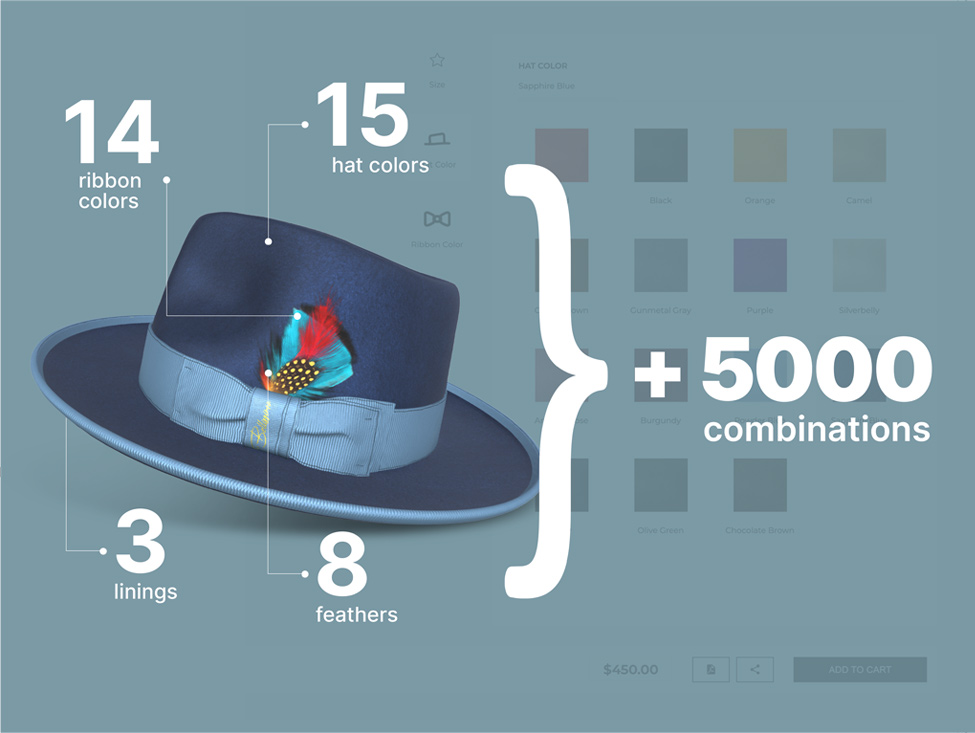
In visual content for your e-commerce marketing strategy, diverse options exist. Notable choices encompass memes, high-quality images and videos, and 3D product configurators to boost your product page engagement. Each content variety offers distinct advantages, underscoring the significance of selecting the most suitable ones to align with your target audience and business objectives. To illustrate, memes are an excellent avenue for crafting enjoyable and captivating content capable of achieving virality and reaching a broad audience. High-quality photos and videos are valuable tools for presenting your products and services engagingly and educationally. Meanwhile, 3D product configurators empower customers to personalize products and gain comprehensive insights from various angles before purchasing, resulting in heightened sales and enhanced customer satisfaction. In the forthcoming sections, we will delve into comprehensive strategies for leveraging each type of visual content to augment e-commerce traffic and fortify your financial success. Memes: A Fun and Engaging Choice Memes are a potent tool for grabbing attention and engaging your audience. These amusing and relatable images have the potential to go viral, attracting a surge of visitors to your e-commerce platform. Here’s how to harness the influence of memes effectively: Intros as Visuals: Making a Great First Impression Your website’s introduction serves as a virtual welcome for visitors, setting the tone for their experience. When it comes to crafting an effective intro, utilizing one of various online intro maker tools can make a significant difference in capturing your audience’s attention and leaving a lasting impression.Here’s how: 3D Product Configurator: Enhancing User Experience Enhancing the user experience in e-commerce is crucial, and a 3D Product Configurator or a Visual Product Customizer can make a big difference. Here’s how to make it work effectively: Conclusion Success in the fierce world of e-commerce depends on standing out from the competition. A great way of grabbing your target audience’s attention is through visuals. By using strategies like memes, engaging intros, and 3D product configurators, you can drive more traffic to your online store. To summarize, remember that visuals are not just eye candy but a vital tool for boosting e-commerce traffic. Implement these proven strategies, stay true to your brand’s identity, and watch as your online store attracts more visitors and potential customers. Embrace the visual revolution, and may your e-commerce journey be successful! Elen Mesropyan Elen is an experienced web content and report writer at LinkyJuice. She has a passion for creating engaging and informative articles. She mainly specializes in SEO-optimized content and IT-related articles. With a background in marketing, she always writes copy that leaves a lasting impact on readers.
Ecommerce Product Videos Mastery: Strategies, Trends, and Success Stories

In the digital age, ecommerce has revolutionized the way we shop. The convenience of online shopping has attracted a massive customer base, and as a result, the competition among ecommerce businesses has intensified. In this fierce landscape, standing out is essential, and one tool that has emerged as a game-changer is ecommerce product videos. In this article, we will delve into the world of ecommerce product videos, exploring their significance, strategic importance, types, and how to craft the perfect video. The Strategic Importance of Product Videos In an era where consumers increasingly rely on online shopping, the demand for effective methods to showcase products has grown exponentially. To meet this need, ecommerce video marketing strategies have emerged as a powerful tool to bridge the gap between physical shopping experiences and the world of online purchasing. These videos offer a dynamic means to provide customers with an up-close and personal look at products. In the realm of e-commerce, where customers can’t physically touch or try products, videos have become an indispensable resource to bridge that gap and create a more immersive shopping experience. Product videos offer several advantages over other forms of content. They engage customers more effectively, provide a deeper understanding of the product, and increase conversion rates. All the Benefits of Using E-commerce Product Videos Here are some key benefits of using product videos in marketing and sales strategies: Types of E-commerce Product Videos There are many types of videos e-commerce can use to boost their performance: Demo Videos Demonstrative videos are designed to showcase how a product works or is used. These videos are especially effective for products that may have unique features or require some level of demonstration to fully grasp their value. Through these types of videos, viewers gain a clear understanding of its functionality, making them more likely to make an informed purchasing decision. User-Generated Content (UGC) User-generated content videos leverage content created by customers themselves. This can include reviews or testimonials. UGC videos are powerful because they offer an authentic perspective on the product, coming directly from real customers. They build trust and credibility, as potential buyers see others like themselves sharing their experiences with the product. Unboxing Videos Unboxing videos provide a firsthand look at the process of unpacking a product. These videos are particularly popular among consumers who enjoy the anticipation and excitement of receiving a new item. It can create a sense of excitement, adding to the overall buying experience. How-To Videos How-to videos offer step-by-step instructions on how to use a product. These instructional videos are valuable for products that may have complex features or functionalities. They serve as a helpful resource for customers, guiding them through the setup, operation, and maintenance of the product, ensuring a positive user experience. Testimonial Videos Testimonial videos feature satisfied customers sharing their experiences with a product. These videos provide social proof and demonstrate how the product has solved specific problems or met certain needs for real users. Testimonials can be emotionally compelling, as they often highlight the positive impact of the product on customers’ lives. 360-Degree View Videos 360-degree view videos allow viewers to interactively explore a product from all angles. These videos provide an immersive and detailed look at the product’s design, features, and aesthetics. They give potential buyers a comprehensive understanding of the product’s physical attributes, which can be particularly useful for products with intricate details. Lifestyle Videos Lifestyle videos go beyond showcasing the product in isolation. They depict the product in real-life scenarios. These videos appeal to the emotions and aspirations of potential buyers, making the product more relatable and desirable. How to Craft the Perfect Product Video Creating an effective product video is a strategic process that involves several key steps. Here’s a step-by-step guide to help you craft the perfect product video: Begin by defining your target audience. Who are your ideal customers? What are their preferences, needs, and pain points? Understanding your audience is crucial because it will shape the content, style, and tone of your video. Tailor your message to resonate with your specific audience, addressing their interests and concerns. Identify and emphasize the unique selling points (USPs) of your product. What makes it stand out from competitors? Is it innovative, eco-friendly, or exceptionally durable? Your product’s USPs are the key features or benefits that set it apart. Showcase these prominently in your video to grab the viewer’s attention and communicate the value of your product. Aim to create a concise video that delivers your message effectively. Ideally, your video should range from 30 seconds to 2 minutes, depending on the complexity of the product and the depth of information you need to convey. Focus on the most compelling aspects of your product and avoid unnecessary details. Invest in the quality of your video production. Good lighting, clear audio, and high-quality video footage are essential for creating a professional-looking video. Ensure that your product is well-lit and visually appealing. Use a tripod or stabilizer to capture steady shots. High-quality production values reflect positively on your brand and instil confidence in viewers. Your product video should guide viewers on what action to take next. Whether it’s making a purchase, signing up for updates, or exploring more product details, a clear and compelling call to action is crucial. Use persuasive language to encourage viewers to take the desired action. Ensure that the CTA is prominently displayed at the end of the video and, if possible, reiterated verbally. Consider incorporating storytelling elements into your video. Narratives engage viewers on an emotional level, making your product more relatable. Share the story behind your product’s creation, highlight customer success stories, or create a scenario that showcases the product’s real-world application. Storytelling adds depth and resonance to your video. Best Ecommerce Product Video Campaigns Apple’s iPhone Launch Videos Apple’s product launch videos are legendary for a reason. They are meticulously crafted to create a sense of anticipation and desire among viewers. Their videos showcase sleek design, cutting-edge features, and the promise
Zakeke Shines Once Again as a Leader in the G2 Fall 2023 Reports
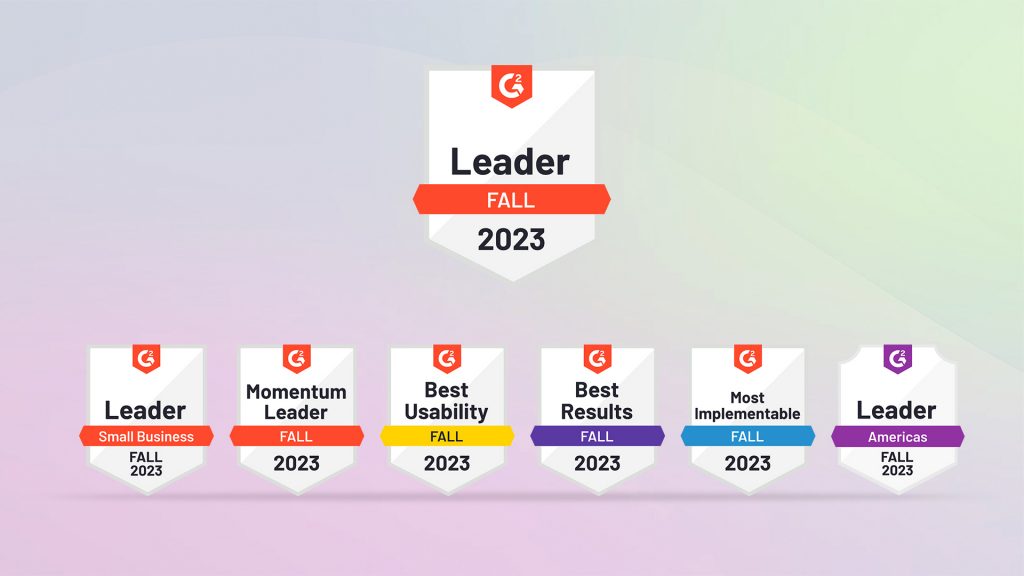
Fresh from G2 – The Fall 2023 Reports are finally in, and Zakeke stands strong – once again – as a Leader in Visual Product Customization and Visual Configuration, proudly showcasing 11 distinguished badges, including the newly acquired America’s and Momentum Lead Badges. We owe our success to our dedicated customers. Their unwavering support and feedback motivate us to constantly refine our platform. Explore the G2 Fall 2023 Reports to see Zakeke’s notable mentions. Overall Leader in Visual Product Customization and Visual Configuration Zakeke has once again been recognized as a Leader in the Grid® Report, both for Visual Product Customization and Visual Configuration. Software solutions like Zakeke are game-changers for e-commerce businesses. By harnessing the power of Visual Commerce in 2D, 3D, and Augmented Reality, these businesses can really elevate their Customer Experience and achieve impressive results. Additionally, Zakeke has been confirmed as a Visual Customization Leader in the “Small Business” category. Every day, we’re here to help startups and small businesses grow with innovation and automation. New Exceptional Milestones: America’s Leader and Momentum Leader Zakeke has secured two new Leader badges: Most Implementable, Best Usability, Best Results This season, Zakeke has earned more prestigious badges: Experience Zakeke’s lightning-fast and intuitive Visual Product Customization tool that seamlessly integrates with any eCommerce setup. Want to see impactful results in no time? Dive into Zakeke’s 14-day free trial, and for a richer insight, book a complimentary expert demo!
Navigating NFT Ownership in The E-commerce Landscape

In a world where digital assets are becoming increasingly valuable, the concept of ownership is undergoing a radical transformation. NFTs (Non-Fungible Tokens), blockchain-based assets, are said to revolutionize how we think about ownership, value, and authenticity. But how do these digital assets intersect with the ever-evolving landscape of e-commerce? In this article, we’ll explore the pillars of NFT ownership, their potential applications in e-commerce, and the advantages they offer. We’ll also delve into some real-world case studies and provide a guide for e-commerce brands looking to embrace this new technology. Are you ready to learn about the future of retail? Download our free “Retailer’s Guide to the Metaverse, NFTs, and Web3” ebook to learn how to leverage the power of NFTs and Metaverse in your business. Introduction: The Intersection of NFTs and E-commerce E-commerce has always been about convenience and scalability, offering many options for consumers and businesses. NFTs, on the other hand, bring the elements of uniqueness and ownership into the digital realm. When these two worlds collide, we get an ecosystem where digital assets can be easily traded, owned, and authenticated while providing new ways to engage with customers. The Pillars of NFT Ownership How does NFT ownership work? Safety Owning an NFT means you have verifiable proof of ownership stored in the blockchain over your digital asset. Uniqueness By now, you should know what “NFT” stands for. However, it may not be clear what “Non-fungible” means. It means NFTs can’t be swapped for or changed with another NFT, contrary to money, where 10€ can be exchanged for another 10€, which wouldn’t matter. In simpler terms, each NFT is unique; it has specific information distinguishing it from any other token. Interoperability NFTs can be used across different applications and services, providing a seamless experience for the owner. Transparency The blockchain technology underpinning NFTs ensures that all transactions are transparent and can be audited, enhancing trust and security. Potential Applications of NFTs in E-commerce Before we dive into the specifics, it’s crucial to note that the examples we’re about to explore are merely food for thought. These are successful forerunners in the NFT space, serving as illustrative cases to give you a flavor of what’s possible. The applications of NFTs are vast and can extend into various other domains. Ownership in Games: Sorare and Top Shot In the gaming realm, NFTs are redefining what ownership and engagement mean. Platforms like Sorare and Top Shot allow users to own, trade, and even engage with officially licensed digital cards or moments from their favorite sports. These aren’t mere collectibles; they’re assets that can be utilized within the game’s ecosystem, adding an intriguing layer of strategy and value. NFTs for Works of Art The art sector has been among the early adopters of NFTs, offering artists and collectors a secure and immutable platform to buy, sell, and trade art. The NFT technology opens new revenue streams for artists and offers consumers a unique avenue to interact with art. NFTs as Certificates of Ownership NFTs can act as digital certificates of ownership for a wide array of digital and physical products. These certificates can authenticate the origin and even the ethical sourcing of products, providing a transparent and tamper-proof verification method. This is especially beneficial in industries plagued by counterfeiting. These are good thought-for-thought examples that for e-commerce could take the following forms: Digital Collectibles Imagine owning a collection of limited-edition NFTs that grant you access to exclusive benefits. These could range from special discounts on an e-commerce platform to event VIP experiences. Valuable assets as NFTs Turning valuable assets into NFTs can increase the liquidity and the capacity for trading them. Authenticity and Ownership Brands can issue NFTs as certificates of authenticity for physical products, enhancing consumer trust. Advantages of Integrating NFTs into E-commerce Enhanced Customer Engagement NFTs can serve as a powerful tool for customer engagement, offering exclusive content or experiences to holders. For example, they are a great tool to implement gamification mechanisms or to spice your loyalty program up. New Revenue Streams The resale of NFTs can provide brands with a percentage of the profits through smart contracts, creating a new revenue stream. CommunityNFTs can help in building a solid community around your brand. By offering exclusive NFTs, you can create a sense of belonging among your customers, leading to increased loyalty and advocacy. Increased Trust The blockchain technology underlying NFTs is transparent and immutable, increasing consumer trust. How does NFT Prove Ownership: Case Studies Breitling In collaboration with French web3 studio Arianee, Breitling has been pioneering blockchain-certified “passports” for their products since 2020. These digital certificates offer transparency in raw material sourcing and improved customer service, seamlessly integrating Web3 technology into their existing Web2 app. NBA Top Shot Launched in beta in October 2020, NBA Top Shot allows fans to own and collect NFT-based NBA highlight clips. Targeting Gen Z and Millennial basketball enthusiasts, the platform has successfully onboarded a mainstream audience, offering various payment options and easy UX. At its peak, it generated over $45 million in a single day. Bialetti Bialetti, the iconic coffee brand, has ventured into the NFT space with its Moka Expressions collection. Targeting tech-savvy coffee lovers, the limited-edition NFTs offer exclusive physical and digital experiences, including membership tiers with additional benefits like access to archival prints and private virtual events. In conclusion, NFTs offer a new paradigm for digital ownership and have the potential to innovate e-commerce. The possibilities are endless, from creating new revenue streams to enhancing customer engagement and trust. Are you ready to learn about the future of retail? Download our free “Retailer’s Guide to the Metaverse, NFTs, and Web3” ebook to learn how to leverage the power of NFTs and Metaverse in your business. DVRS DVRS is a pioneering Web3 studio, guiding brands on their blockchain journey. With a team of seasoned blockchain engineers and crypto-native experts, they create immersive experiences and build digital communities, setting new standards in the Web3 space.
Mastering E-commerce Keyword Research: The Ultimate Guide

Imagine walking into a vast digital marketplace, where every online store is vying for attention. Some stores are bustling with customers, while others are eerily quiet. What sets them apart? Often, it’s the power of keyword research. It’s the invisible force that pulls customers into one store and not the other, guiding their every click and purchase. Now, if you’re thinking, “Keyword research? Sounds technical and tedious,” Ok, get it. But here’s the twist: it’s less about algorithms and more about understanding human behavior. It’s about tapping into what your customers are really searching for and meeting them right there. And the numbers back this up. A study by Ahrefs revealed that websites that prioritize long-tail keywords can witness up to a 70% surge in traffic. That’s a game-changer! Whether you’re launching your first e-commerce venture or seeking fresh strategies to boost an existing one, this guide promises insights that can transform your online store’s trajectory. Ready to embark on this journey? Let’s set sail! Understanding the Importance of Keyword Research for E-commerce In the bustling digital marketplace, standing out is a blend of art and science. And keyword research is the compass guiding this journey, especially for e-commerce businesses. Imagine you’re a shopper. When you type “how to fix a watch” into a search engine, you’re on a different mission than if you searched for “buy luxury watch online.” This is the essence of user intent. By understanding and targeting these specific intents with your keywords, you’re not just driving traffic, you’re attracting visitors who are more likely to convert because they found precisely what they were seeking. But it’s not just about understanding your audience. It’s also about optimizing your budget. If you’re pouring money into paid advertising, you want to ensure you’re getting the most value out of every cent. This means bidding on the right keywords. Think about it: some keywords might bring a flood of visitors, but if they’re not converting, that’s a lot of wasted money. On the other hand, high-intent keywords might have fewer searches, but they bring in visitors who are ready to buy. And then there’s the content. Keyword research is like a guiding star for your content strategy. Whether you’re brainstorming blog topics or crafting the perfect product description, knowing the terms your audience uses can make your content resonate more deeply. Plus, search engines love relevant content. The more you optimize your content around specific keywords, the better your chances of climbing the ranks and being seen by even more potential customers. Lastly, keyword research is about staying agile. The digital world is always shifting. New trends emerge, old ones fade, and consumer behavior evolves. By keeping a pulse on keyword trends, you can anticipate these shifts and adapt, ensuring your e-commerce business remains at the forefront. Why is Keyword Research so Important for E-commerce? In the vast ocean of e-commerce, keyword research is your compass. It’s what ensures you’re sailing in the right direction, attracting the right customers, and offering them exactly what they’re seeking. Let’s delve into why it’s such a pivotal aspect of e-commerce: How to Do Keyword Research for E-Commerce Dive Deep with Long-Tail Keywords: Leverage User-Generated Content: Spy on Your Competitors: Seasonal and Trend-Based Research: Wrapping Up Unlocking the nuances of e-commerce keyword research is akin to discovering a secret pathway to success in the digital realm. By pinpointing and targeting the right keywords, you’re not just attracting visitors; you’re drawing in potential customers who are genuinely interested in what you offer. Remember, it’s not merely about quantity but the quality of traffic that truly counts. As you embark on this journey, ensure you’re equipped with the right strategies, tools, and an unwavering focus on your audience’s needs. Happy optimizing! Frequently Asked Questions (FAQs) About E-commerce Keyword Research Q: Why is keyword research important for my e-commerce business? A: Think of keyword research as the foundation of your e-commerce SEO strategy. It helps you understand what potential customers are searching for, allowing you to tailor your content, products, and ads to meet those specific needs. By targeting the right keywords, you increase your visibility on search engines, drive more relevant traffic to your site, and ultimately boost sales. It’s like having a roadmap that directs interested buyers straight to your virtual doorstep. Q: What tools can I use for e-commerce keyword research? A: There’s a plethora of tools out there, each with its unique strengths. Some of the top contenders include Google Keyword Planner for insights directly from Google, SEMrush and Ahrefs for comprehensive SEO analysis, Ubersuggest for user-friendly keyword suggestions, and AnswerThePublic for understanding user queries. The best tool often depends on your specific needs and budget. Q: How often should I conduct keyword research for my e-commerce business? A: The digital world is dynamic, with trends, market demands, and user behaviors constantly evolving. While there’s no hard and fast rule, I recommend revisiting your keyword research at least every six months. This ensures you stay updated with current search trends and can adapt your strategy accordingly. Q: What is keyword difficulty and why is it important? A: Keyword difficulty refers to how challenging it might be to rank for a particular keyword on search engines. It considers factors like competition, search volume, and current rankings. Understanding keyword difficulty helps you gauge whether it’s worth investing time and resources into targeting a specific term or if your efforts might be better spent elsewhere. Q: How can I incorporate keywords into my e-commerce website? A: Incorporating keywords goes beyond just stuffing them into your content. Place them strategically in product titles, descriptions, meta descriptions, and URLs. Create valuable blog posts around topics related to your keywords. Ensure that your site’s technical SEO, like alt tags and schema markup, also aligns with your keyword strategy. Remember, it’s about creating a seamless and relevant experience for your users. Aryan Shukla E-commerce Growth Marketing Expert – The Frame Agency Aryan, an E-commerce Growth Marketing expert and
NFT Activations: A Cutting-Edge E-commerce Strategy and the Essential Tools to Implement It

In the age of digital transformation, e-commerce brands are constantly seeking innovative strategies to engage with their audience. One such novel approach is the integration of NFTs into e-commerce platforms. This article delves into NFT activations and their significance in e-commerce. It provides a roadmap for businesses to harness their potential and some tools to simplify the process. Are you ready to learn about the future of retail? Download our free “Retailer’s Guide to the Metaverse, NFTs, and Web3” ebook to learn how to leverage the power of NFTs and Metaverse in your business. NFT and e-commerce NFTs, unique digital assets verified using blockchain technology, could revolutionize the e-commerce landscape. They can offer brands a novel way to sell digital collectibles, virtual merchandise, and experiences. In e-commerce, NFT activations refer to the strategic use of NFTs to enhance customer engagement, drive sales, and foster brand loyalty. NFT activations are more than just digital collectibles, they’re a powerful tool for e-commerce businesses. These activations offer benefits such as creating a sense of belonging, fostering community engagement, and even opening up new revenue streams. For instance, owning a particular NFT could grant access to exclusive content, discounts, or real-world events. Case Studies: Successful NFT Activations Several brands have successfully integrated NFT activations into their strategies: Blvck Paris Blvck Paris, renowned for its signature monochromatic style, has innovatively integrated NFTs into its brand strategy. Their NFT platform is a tiered membership system. The number of NFTs a user holds determines their membership level, with each tier offering its own unique set of benefits. It’s a straightforward approach that combines fashion and the digital space. Adidas capsule collection Adidas embraced the NFT wave in many ways; one was partnering with the iconic Bored Ape Yacht Club NFT collection for a distinctive capsule collection available only online. This collaboration showcased the transformative potential of NFT licensing in e-commerce. The “Into the Metaverse” collection was well-received and quickly sold out. Balmain The luxury fashion powerhouse Balmain ingeniously harnessed NFTs to amplify FOMO during a digital sale. They launched an exclusive collection of their Unicorn model that bridged the virtual and the physical by coupling the pair of shoes with an exclusive NFT. The results were notable: the NFTs sold out, over 20,000 users joined the waitlist, and many purchases were made using crypto. The launch also caught the attention of over 100 media outlets. OffLimits Cereal OffLimits has innovatively combined NFTs with tangible products. Through their “Best Cereal in the Metaverse” initiative, NFT owners actively participate in designing an actual cereal box via a private Discord channel. This collaborative design, a mega-collage of various NFTs, is then printed on cereal boxes and shipped to NFT owners, merging the digital and physical worlds thanks to a unique brand engagement strategy. Lacoste Lacoste unveiled a virtual store offering exclusive perks to UNDW3 NFT pass holders. The virtual store experience is accessed via Lacoste’s standard e-commerce platform. This digital initiative features a unique collection, a scavenger hunt, and a VIP underwater space with augmented reality elements accessible only to members. The activation ingeniously fits Lacoste’s e-commerce platform and Web3 loyalty program UNDW3, providing members with a new shopping experience with an exclusive twist. Tools and Platforms for NFT Activations Brands don’t need to start from scratch. Platforms like Zealy, Absolute Labs, and Tropee are tools enabling brands to deploy a Web3 strategy quickly. They help with NFT community building, NFT gamification activities, tracking campaign performance, and more. These platforms simplify implementing an NFT project, ensuring brands can focus on crafting unique experiences for their audience. Let’s dive deeper into these tools: To embark on an NFT journey, you need the right tools and platforms. OpenSea and Blur, but also LooksRare and Rarible stand out as platforms that allow brands to mint and sell their NFTs. In the NFT Art category, SuperRare is one notable marketplace. On the other hand, tools like Metamask offer a secure wallet for NFT transactions. For seamless integration into e-commerce platforms, these tools are indispensable. Step-by-Step Guide for E-commerce Businesses to Implement NFT Activations A guide to NFT activations for e-commerce platforms: 1. Establish a clear NFT strategy 2. Pilot with a targeted audience 3. Design unique digital collectibles 4. Enhance customer benefits with NFTs 5. Scale up your NFT offerings 6. Collaborate with leading NFT marketplaces and creators In conclusion, NFT activations present a golden opportunity for e-commerce brands to engage with their audience in brand-new ways. By understanding the potential of NFTs and leveraging the right tools, brands can craft unique experiences, drive sales, and foster brand loyalty. Are you ready to learn about the future of retail? Download our free “Retailer’s Guide to the Metaverse, NFTs, and Web3” ebook to learn how to leverage the power of NFTs and Metaverse in your business. DVRS DVRS is a pioneering Web3 studio, guiding brands on their blockchain journey. With a team of seasoned blockchain engineers and crypto-native experts, they create immersive experiences and build digital communities, setting new standards in the Web3 space.
Integrating Virtual Try-On in eCommerce: A Step-by-Step Guide

Try before you buy! Virtual try-on in eCommerce empowers customers to test products online before making a purchase, simply by utilizing their smartphone or desktop camera. In this article, we will explore how you can seamlessly integrate this technology into your webshop for an enhanced shopping experience. 1. Trying on Glasses Virtually: A Seamless Experience With Virtual Try-On, customers can effortlessly try on glasses virtually, evaluating how well they fit and suit their preferences. This technology enables users to explore an extensive selection, experimenting with various models and colors to make informed comparisons. The real-time testing feature provides a unique shopping experience, allowing potential clients to visualize themselves wearing the glasses, enabling quicker and more confident purchasing decisions. How does it work? The process is simple – customers can take a picture of themselves using their webcam or smartphone. By merely looking into their device’s camera, the glasses are virtually placed on their face, enabling them to explore all the details of the eyewear. 2. The Technology Behind Virtual Try-On for glasses Virtual glass fitting utilizes cutting-edge technology to deliver realistic results. Using artificial intelligence and 3D scanning, the customer’s face and head are accurately captured and analyzed, allowing for precise adjustments to the glasses’ shape. Augmented Reality (AR) technology plays a crucial role, providing customers with real-time visuals of how the glasses would look on them. 3. Companies Offering Virtual Try-On for Glasses Several prominent retailers, including Apollo, Fielmann, Ray-Ban, Lenskartl, and GlassUSA, already offer virtual fitting for glasses. This technology’s potential is continually being recognized by more companies, making it an increasingly popular feature in the market. 4. 5 Steps to Integrate Virtual Try-On in Your eCommerce Store 1. Choose the Right AR Technology for Your Shop Opt for a SaaS platform, which allows easy integration of virtual try-on without the need for programming knowledge or significant investments. With Zakeke’s user-friendly platform, you can upload product photos, create 3D models, and integrate them via plugins effortlessly. 2. Create High-Quality 3D Models of Your Products Invest in high-quality 3D models of your products, enabling customers to view items from all angles, grasping a comprehensive understanding of their size, shape, and attributes. You can hire professional 3D modelling services or use different software to create your own models. Optimize the models for AR by reducing polygons and texture sizes to enhance performance on mobile devices. 3. Implement AR Into Your Website Implementing AR in your website or app can be achieved through AR plugins or SDKs designed specifically for eCommerce. Zakeke offers an easy-to-implement Plug-in for popular shop platforms like Shopify, WooCommerce, and BigCommerce, allowing easy installation without any developer skills. 4. Test and Optimize Your AR eCommerce Integration After integrating AR eCommerce, thoroughly test and optimize the user experience. Identify and address any technical issues, such as slow loading times or glitches in the virtual try-on. Gather feedback from customers to understand how they interact with the AR features and make necessary adjustments to enhance the experience. 5. Promote Your AR Integration Promote your new AR capabilities through your website, social media channels, and email marketing campaigns. Highlight the benefits of AR, such as the ability to view products in 3D or try on virtual glasses. Encourage customers to share their AR experiences on social media and offer incentives like discounts or free shipping. Effective promotion will attract new customers and foster loyalty among existing ones. Summary In conclusion, integrating virtual try-on in eCommerce is a game-changer for the online shopping experience, particularly in the eyewear industry. It has revolutionized the way customers shop online by allowing them to virtually try on products before making a purchase. This innovative approach not only provides convenience but also boosts customer confidence and reduces returns. By following these steps, businesses can leverage the power of virtual try-on to attract new customers, foster brand loyalty, and elevate their position in the competitive market. Manuel Messner CEO – Mazing GmbH Manuel Messner, CEO & Co-Founder of Mazing, specializes in immersive technologies like Augmented and Virtual reality. A seasoned entrepreneur, he leverages his e-commerce experience to provide innovative web AR solutions, positioning Mazing among leading AR companies in Europe and the USA.
Zakeke: A 5-Step Guide to Submitting a Review on G2
G2 is the go-to platform for genuine user reviews. Your Zakeke experience could be the guidepost for others on their tech journey. If you’re new to this, don’t worry! We’ve simplified it for you. Check out our 5-step guide to submitting your Zakeke review on G2. Ready to help out your peers? Let’s get started! Step 1: Visit Zakeke’s G2 profile Visit Zakeke’s G2 profile and click on “Write a Review”. Step 2: Sign in to G2 Once you select the “Write a Review” button, the following screen should appear before you. Click on “Continue to Login”. You have different options: Once you fill out the form, you will receive an email for verification. Click on the link in the email and you’re logged in! Step 3: Write your review Now comes the exciting part – writing your review! You might see a few questions, but they’re pretty straightforward. They’ll ask about your likes, dislikes, and how Zakeke has solved problems for you. In just under 5 minutes, you can share an honest reflection on your Zakeke experience. Let’s get your thoughts out there! Step 4: Confirm you are an actual user Now you have to verify you’re an actual user of Zakeke! Step 5: Submit your review After filling out all sections, pause for a moment to: And just like that, you’re done! Give yourself a pat on the back!
How to build your own NFT Community in 7 simple steps

In the ever-evolving digital landscape, Non-Fungible Tokens (NFTs) have emerged as a powerful tool for building engaged communities. Brands build virtual communities leveraging these unique digital assets as exclusive membership passes. This article will guide you through the NFT communities, highlighting the potential of NFTs and providing practical steps to leverage this technology for your brand. Are you ready to learn about the future of retail? Download our free “Retailer’s Guide to the Metaverse, NFTs, and Web3” ebook to learn how to leverage the power of NFTs and Metaverse in your business. A Quick Overview of NFTs Web3 – the paradigm of the internet powered by blockchain technology – is known for offering users greater control and transparency, with NFTs being one of its most famous tools. NFTs are unique digital assets that can be bought, sold, and traded on the blockchain. They can represent anything from digital art and music to virtual real estate and virtual goods. In particular, NFTs have revolutionized the concept of collectibles. Traditionally, collectibles were physical items people could hold, display, and trade. They were tangible symbols of status and often held sentimental value. However, the digital age has transformed this concept, introducing virtual collectibles that exist solely in the digital realm, such as skins in video games. The advent of Web3 has taken this transformation a step further. With Web3, digital collectibles can be turned into NFTs unlocking a series of benefits: What is an NFT Community? Why Should E-commerce Businesses Care About NFTs? An NFT community is a group of individuals united by their interest in (and usually ownership of) a particular NFT or series of NFTs. These communities are often built around specific collections or themes, allowing members to interact, trade, and discuss their shared interests, notably on Twitter and Discord. For e-commerce businesses, NFT communities offer a unique opportunity. They create a sense of belonging and status among their members due to the scarce supply of NFTs. Moreover, the demand is driven by owning a specific NFT that can provide access to particular communities or special perks, such as exclusive products, in-life events, discounts, etc. This allows e-commerce businesses to create an organic link with their customers. The Current State of NFT Communities NFT communities are characterized by their high levels of engagement, with members actively participating in discussions, trading activities, and community events. Brands that embrace NFTs and Web3 can become part of the early adopters, reaching a young, tech-savvy audience. It is possible to distinguish three categories of NFT communities: Understanding the Appeal of These Communities NFT communities offer a unique blend of social interaction, entertainment, and financial opportunity. They provide a platform for users to express their interests, showcase their collections, and potentially profit from their investment (when NFTs’ value appreciates). For brands, NFT communities offer direct access to a highly engaged audience, new revenue streams, and valuable insights into customer behavior. By understanding the appeal of these communities, brands can design more effective strategies to engage their customers, enhance brand loyalty, and drive growth. 5 Case Studies of E-commerce Businesses with Thriving NFT Communities. The initiative aligns with the music industry’s potential for innovation through Web3, where NFTs could give artists more recognition. How to Build a Winning NFT Community in 7 Steps Building an NFT community offers a unique opportunity to create engagement and exclusivity, resonating with new and existing audiences. However, it’s essential to do it right. This guide is designed to put your brand in the right direction toward Web3 and your brand’s NFT community. Are you ready to learn about the future of retail? Download our free “Retailer’s Guide to the Metaverse, NFTs, and Web3” ebook to learn how to leverage the power of NFTs and Metaverse in your business. DVRS DVRS is a pioneering Web3 studio, guiding brands on their blockchain journey. With a team of seasoned blockchain engineers and crypto-native experts, they create immersive experiences and build digital communities, setting new standards in the Web3 space.