

Zakeke welcomes a new partner: MageCloud
We are delighted to announce our partnership with MageCloud! About MageCloud MageCloud is a full-cycle eCommerce agency that helps build and scale eCommerce stores around the world. They are a result-oriented team of certified Magento, Shopify, WooCommerce developers, and founders of MageCloud.net, a PaaS solution, that allows installing a pre-configured Magento store in 3 minutes. They have been working on developing and promoting eCommerce businesses for almost 10+ years and have built and managed multiple eCommerce stores that successfully generated millions of dollars on an annual basis in very competitive markets. Their team of 20 professionals provides eCommerce development services, Design services and Full-service digital marketing solutions. To get more information on how can MageCloud help you reach out amazing results together with Zakeke, please contact them at https://magecloud.agency/ To get more details about our Partner Program check this link https://www.zakeke.com/agency-partner
How to Increase Sales & Engagement with a ShopWired Visual Customizer
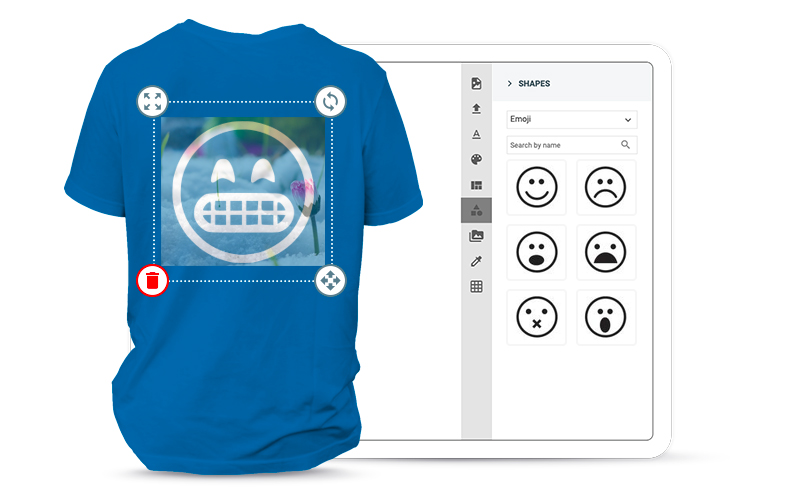
What is a ShopWired Visual Customizer? Why Zakeke Visual Commerce for ShopWired? Zakeke is an out-of-the-box solution with incredible 2D imagery, cutting-edge 3D configuration, and augmented reality functions to quickly start selling custom products on your ShopWired store. No need to be a 3D or AR expert. Let’s take a look at some of the ways you can increase sales and engagements using visual customizers in ShopWired. 3D 360-Views It’s a well-known fact that when shopping online the main disadvantage is the fact that consumers cannot see items physically meaning some details are hidden in static images. Using only static images on your website ultimately means that you cannot provide a detailed insight into your product which unfortunately can result in a lack of sales and engagement from consumers. 3D Product Configurator You can also use 3D technology to design a bespoke 3D Product Configurator. Customers love envisioning what their dream product will actually look like and with a visual customizer, you can allow customers to change material, texture, colour, dimensions, and much more in real-time. This type of 3D configuration bridges the gap between customization and interactivity and means your customers can interact with a realistic 3D model meaning, replicating that physical store experience. Augmented Reality and Live Preview With the rise of augmented reality, customers have come to expect some form of augmented reality from a brand. You’ll be glad to know that using a visual customizer, you can embed augmented reality and live previews into your store. With just a click of a button, customers can visualise how products will really look in their home, on their walls, in their drawers, etc. using augmented reality takes the customer experience to a new level that most competitors won’t be doing. This again, immediately sets you apart from competitors in the industry, allowing your brand to be the industry leader in taking customer experiences to the next level online. You can make these previews fully responsive and able to work on any device giving users a fast and intuitive mobile experience Product Customization Using a visual customizer, you can create a catalogue of customizable products where shoppers can create their dream products. using integrations like Zakeke, you can set infinite customizations for your customers to choose from. These can range from simple text and image customization to complex rules for showing the real effect of a method other than printing like engraving. Giving your customers freedom over the products they buy immediately increases your conversion rate. if a customer cannot find what they’re looking for elsewhere but they can create it exactly how they want with you, you’re almost 100% likely to secure the sale just by offering product customization alone. Unlimited Products & Storage With Zakeke, there are no limits to customizable products. Put simply, you can sell as many as you want. We give you the freedom and flexibility over complex pricing rules which means you can show different prices based on quantity, setup costs, number of colours, and even personalization areas. All of this data will be stored in the cloud on our bespoke system which means you never have to worry about the storage quantity needed for your 3D images and models. With this unlimited storage, the possibilities really are endless for your store. You can create products with confidence, knowing storage quantity will never be an issue for your store. The results? As you can see from our findings, using visual customizers in your store can have a great impact on your sales and engagement levels. With customers becoming savvier every single day it’s important that brands stay up to date with trends and constantly look for ways to offer customers an immersive interactive experience when it comes to buying products. Zakeke can help you do exactly that. Get started here If you are wondering what you can do with Zakeke, check out our DEMO STORE. Supported Platforms: Shopify WooCommerce Prestashop BigCommerce Salesforce OpenCart Etsy API ShopWired DISCOVER ZAKEKE START A FREE TRIAL Stay up to date and follow us on LinkedIn, Facebook and Instagram
How to Automate B2B Quotes On eCommerce With Product Configuration
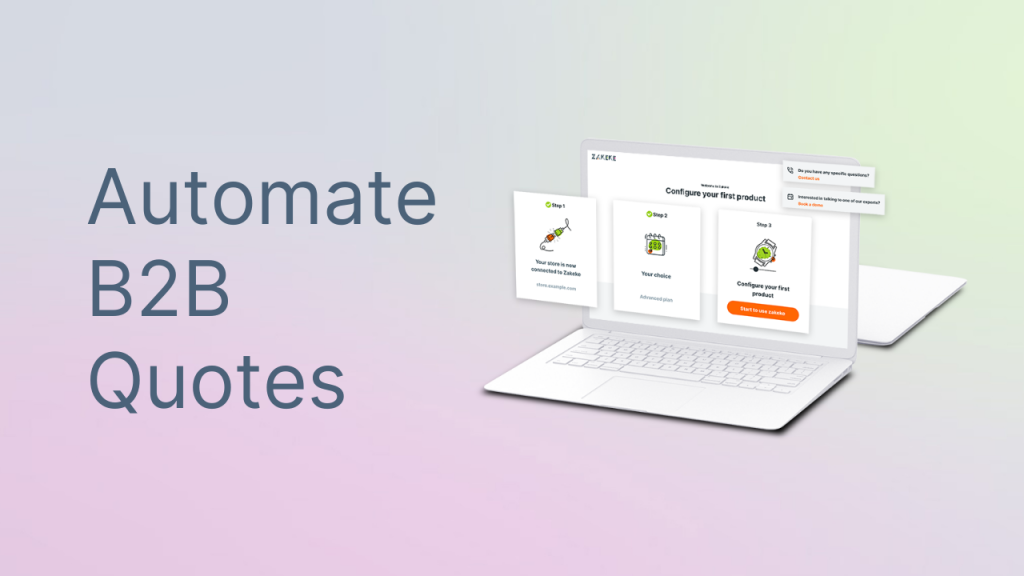
Today’s business buyers expect a streamlined, digital purchase experience. If you’re still using manual quote management processes, you’re likely losing out on sales. Especially for businesses offering customizable products, automating quotes on ecommerce platforms is crucial. How can you do it? Have you ever considered implementing a Product Configurator? Let’s start from the beginning and discover why implementing a Product Configurator can significantly automate B2B quotes on ecommerce and boost your store’s performance. What Are Quotes On Ecommerce? When Do You Need Them? Why should an ecommerce store offer the option to get quotes? There are many cases where quotes can prove to be essential for an online store. Let’s think about high-quality, limited edition products, for example: for these products, perhaps it would be better to offer the possibility to request an immediate quote rather than immediately communicating the price and potentially frightening the customer, right? And then, let’s consider the case of made-to-order products, those crafted and personalized directly by customers online. A bag, a pair of shoes, a designer accessory: you can choose to show the price immediately, which changes with dynamic pricing rules, or to offer the option to request a quote, giving the customer an exclusive price and a limited time to complete the order. Given the utility of this feature, it’s crucial to know how to manage quotations easily. Let’s see why. Challenges in Manual Quotation System Like all operations within a business, quote management is an activity that must be handled efficiently, automating everything possible to reduce operations and errors. Why manual management of quotes isn’t the best solution? Here are the main reasons: Automate B2B Quotes: You Need The Right Software! To offer B2B quotes on your ecommerce platform, you need the right online quote software. What is it? It’s a software solution that enables you to automate the quoting process and provide personalized quotations to clients automatically. Especially if you sell customized products online, a Product Configurator can be the all-in-one solution for offering B2B quotes and making your products customizable. Implementing a Product Configurator can significantly streamline the process of generating quotes for customized products on your ecommerce platform. This tool allows customers to tailor their products according to their preferences and specifications, such as size, color or features, and enables businesses to create customized quotes for their products and services. By inputting key information about the product or service being offered, the Configurator can generate a tailored quote that considers the customer’s specific needs. Product Configurators are excellent for B2B companies that offer complex products or services. By automating the quoting process, businesses can save time and resources while providing their customers with accurate, personalized quotes. Benefits Of Using a Product Configurator to Automate B2B Quotes A Product Configurator offers several benefits for businesses, including: Faster quote turnaround Customers today expect a quick and easy purchase experience. They don’t want to wait days or weeks to receive a quote. In this case, it’s up to businesses to provide a fast and efficient quoting process. A Product Configurator can help businesses speed up their quote turnaround times by automating the process. When customers have already designed their product or service using the configurator, all that’s left for the business to do is generate the quote. This can be done in a matter of minutes, allowing businesses to close deals faster. Increased accuracy When quotes are generated manually, there’s always a risk of human error. This can lead to inaccurate quotes that don’t reflect the true cost of the product or service. A Configurator eliminates this risk by automatically generating accurate and up-to-date quotes. This ensures that customers receive an accurate quote the first time, every time. For example, if the price of a product changes, the configurator will automatically update the quote to reflect the new price. Improved customer satisfaction Personalized, accurate quotes lead to happier customers. If they receive a quote that doesn’t reflect their needs or budget, they’re likely to be disappointed and may even look elsewhere for a better deal. On the other hand, if they receive a quote tailored to their specific needs, they’re more likely to be satisfied with the purchase. Automate B2B quotes can help businesses create quotes tailored to each customer, leading to improved customer satisfaction. A Configurator can also help businesses upsell and cross-sell by suggesting additional products or services that the customer may be interested in. Better conversion rates When customers are satisfied with the quoting process, they’re more likely to convert into paying customers. The higher conversion is a result of both the improved customer satisfaction and the faster quote turnaround time. This software can help businesses increase their conversion rates by automating the quoting process and creating personalized quotes tailored to each customer’s needs. For example, if a customer is interested in purchasing a product but isn’t sure which model to choose, the Configurator can suggest different models that meet their needs. This helps businesses close more deals and grow their revenue. Lowered costs Manually generating quotes can be time-consuming and expensive. Businesses need to dedicate staff members to the task, and they may even need to outsource it to a third-party company. Quote automation using a Configurator can help businesses save money by automating the quoting process. By using a configurator, companies can generate quotes quickly and efficiently, without the need for extra staff or outsourcing. Tips For Using a Configurator For Quotes When you’re using a CPQ for a B2B business, there are a few things to keep in mind: Start Automating Your B2B Quotes With Zakeke CPQs are a valuable tool for any B2B business. By automating the quoting process, they can help businesses save time and money. They can also improve customer satisfaction by creating personalized quotes that cater to each customer’s needs. When using a CPQ, it’s important to keep a few tips, such as ensuring that the configurator is easy to use and accurate. By following these tips, you can make the
What Is Augmented Reality (AR)? A Practical Guide
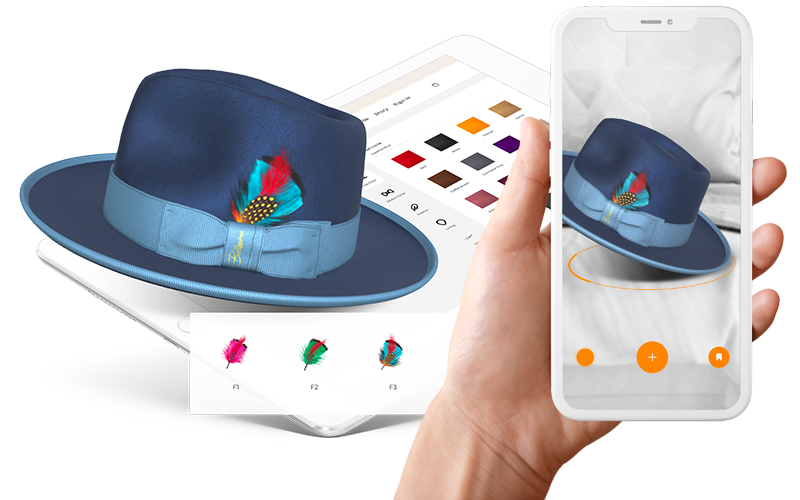
The History of Augmented Reality The term “augmented reality” was coined by Tom Caudell in 1990 and popularized by Boeing researcher Ronald Azuma in 1997. However, the technology dates back much further than that. The earliest known example of AR is from 1950 and the work of Morton Heilig. Heilig was a cinematographer and designed what he called the “Sensorama Simulator.” The Sensorama Simulator was a machine that allowed users to experience movies in a completely immersive way. The machine had stereo speakers, a stereoscopic 3D display, fans, smell generators, and a vibrating chair. Heilig only built one prototype of the Sensorama Simulator, but it’s considered the first example of AR. Other early examples of AR include: Telespace Mask: Created in 1960, the Telespace Mask was one of the first head-mounted displays (HMDs). The mask displayed simple computer-generated images and was intended for use in teleconferencing. Heads Up Display: In 1968, Pierre Pestieau patented the Heads Up Display (HUD). HUDs are now common in aircraft and allow pilots to see the information without looking away from their field of view. Sword of Damocles: In 1968, computer scientist Ivan Sutherland also created an HMD called the “Sword of Damocles”. The device was so named because it was too heavy to be worn for long periods of time. The Sword of Damocles was the first AR system that allowed user interaction. Of course, today’s AR is much more accessible and doesn’t require the machinery that older versions required. Now, AR is easily accessible with mobile phones, tablets, computers, and handheld devices. What AR Is and What AR Isn’t One of the most common misconceptions about AR is that it is sometimes confused with VR (virtual reality). Though sometimes used interchangeably, the two technologies are very different in both application and technologies. What Augmented Reality Is Augmented reality uses existing reality and physical objects in our environment to develop digital enhancements in real-time. This digital information is then layered on top of the physical world to change or improve it in some way. For example, an everyday use of AR is to display text messages or social media notifications on top of our view of the physical world. This allows us to see the information without taking our eyes off what we’re doing. The goal of AR is to make it seem like the additions are part of the actual environment that can be interacted with. To experience AR, users have to operate a device loaded with AR software and a built-in camera. The camera and software work together to analyze the environment and determine where to place digital enhancements. Through the technology, the enhancements can often be manipulated or engaged with somehow. Augmented reality is used in many ways across various industries. What Augmented Reality Isn’t As mentioned, AR is sometimes confused with VR. Virtual reality is not a digital enhancement of a real environment. Instead, VR completely replaces the natural environment with only digital images. Through a device (like a headset), a VR experience is all-encompassing and shows its user only what the software has been programmed for the user to see. Users can engage with virtual objects in VR using controllers or movements. Oculus Rift, Playstation VR, HTC Vive, and others are examples of virtual reality equipment. Though it is often used for gaming, there are many other applications of VR used by many industries, including health, science, and humanities. AR is also not 360-degree videos–though AR can use 360-degree video software to enhance the experience. 360-degree videos are also immersive, but just in the way that you can view different parts of the world by moving your phone or another device around. Mixed reality (MR) is perhaps the closest to augmented reality. The key difference between MR and AR is that MR produces synthetic content that reacts with real-world content. Mixed reality used to be a term used more often but now augmented reality has almost completely replaced it. How Augmented Reality is Used Today With the technology becoming more and more popular worldwide, augmented reality can be found across many different industries, platforms, and devices. Today, many people use AR without much thought about it. Digital Information Displays What used to be the work of science fiction and movies, where display screens shared important information, is now found in cars and other transport vehicles. You can get real-time directions, information about accidents or upcoming road hazards, the weather, and just about anything else pertinent to your operational success directly from your dashboard. Inserting Labels Products utilize AR technology to make their marketing more interesting and bring to life their brands. The wine brand 19 Crimes, for example, allows users to scan their phone across a label and receive an augmented reality video of the character being displayed. The character goes into a story about their history and creates a level of intrigue that doesn’t exist anywhere else on the wine shelf. Backs of cereal boxes also offer a full AR experience right at the breakfast table. See The Product In Your Space or On Your Face With some apps, furniture and home goods brands now offer the opportunity to see specific products as they would live in your space or home. While you can’t sit on a virtual couch (yet!), you can see if it matches the rest of your belongings or see how it might fit in a specific space. Warby Parker launched their AR app in 2019 as a way for customers to see how they’d look in certain eyewear. Instead of waiting for a package to arrive, only to be disappointed, users can check out firsthand whether they like the style or color they chose. Social Media Filters Snapchat, Instagram, and TikTok all currently use AR technology to help social media users manipulate the way they look or the space around them. Some are silly and meant to entertain, while others offer truly remarkable transformations that flow seamlessly as though part of the real
7 Powerful Ecommerce KPIs Every Store Owner Needs to Know

Although it may go without saying, unlike Kevin Costner’s character in sentimental baseball movie ‘Field of Dreams’, simply building something is not enough to guarantee anyone will come looking for it. And so it is with eCommerce stores. You may have done everything to bring it to life. You’ve got the right domain name and an eye-catching web shop. You’ve done all your market research and have 100% certainty of who your target customer is. You may even have secured all the right supplier partnerships. Now comes the hard part – driving traffic to your store, keeping customers there, encouraging them to buy, and giving them a reason to come back. But where do budding Bezos’ begin? They start by getting their eCommerce KPIs in order. What Are KPIs? eCommerce KPIs? Yup, your online store’s Key Performance Indicators. Or, in (slightly) less business-y terms, the factors that lead to actions and outcomes. Unlike metrics, which are essentially how you determine the progress of a specific process (without bias) a KPI has momentum. It’s driven towards an overall business objective. It’s goal-orientated, so to speak. But it’s still an effective way of determining progress. Confused? Ok, so maybe that last sentence was deliberately misleading. There are a lot of crossovers between KPIs and metrics for one good reason – they can sometimes be one and the same. Basically, a KPI can function as a metric, but a metric alone is not a KPI. We need an example. Think of it like this – we want to increase our eCommerce store’s Average Order Value (see below for more). This is our KPI – to increase it, not merely to measure it. But, to understand an increase in our Average Order Value we’ll need to measure its progression. The main difference between KPIs and metrics is essentially intent and purpose. And intent drives things forwards. The Most Important eCommerce KPIs to Focus On: KPIs are always linked to business objectives – that’s a given. Knowing the desired outcome means finding a path towards achieving it. This is where KPIs come into their own. They function as milestones – points which need to be reached in order to declare something as inherently successful. In eCommerce, KPIs are data-driven – which makes complete sense. However, while they’re ultimately geared towards increasing sales, they address a very specific part of the process; as you’ll see. Let’s consider some of the most important eCommerce KPIs. 1) Conversion Rate (CR) The conversion rate is essentially the amount of shoppers who bought something against the number of site visits. In real world terms, it’s the amount of people who come into your store measured against the number of people who made an actual purchase. It’s a percentage. Get 100 people in to your store and only 10 buy something, then you have a conversion rate of 10% So how do you boost the conversion rate? You give shoppers something truly unique – access to a product, service, or experience that they’ll enjoy. The more invested consumers become, the greater the chance of a purchase. 2) Average Order Value (AOV) Average Order Value isn’t strictly how much each customer brings in each time. Well, actually it is – but there’s a little more to it. Essentially it’s ‘revenue generated’ divided by the number of orders. The resulting number is the AOV. Basically, it’s a way of understanding how much money each customer generates for the business – data which can consequently determine how much they’re worth spending on to acquire, which leads us neatly on to… 3) Customer Acquisition Cost (CAC) Probably one the better known eCommerce KPIs, the customer acquisition cost is a measure of how much companies should spend on attracting and onboarding new business. It’s the gap between the budget received and the number of successful conversions. Once you know what customers will spend on average, a cost can be attributed to acquiring each one. The better a company gets at lowering this cost, the more profitable they’ll be. It’s essentially a continuous improvement process. 4) Customer Lifetime Value (CLV) CLV operates on the assumption that your business wants to establish a long term relationship with its customers. As a metric, it can be used to determine how much revenue customers will produce for your company over the entire course of your relationship with them. It’s calculated by multiplying the Average Order Value by the average number of repeat purchases per customer. And what does good look like here? More money over a longer period of time. 5) Net Promoter Score (NPS) Net Promoter Scores. We’ve all seen them somewhere – a questionnaire, popup box, or similar: would we recommend this product or service to a friend? It’s actually a very accurate way of understanding the qualitative ‘how customers feel about your business’ with the quantitative ‘marks out of 10’. It may sound a little simplistic – it’s effectively the difference between good points (from promoters) and bad ones (from detractors) – but it’s super valuable. 6)Shopping Cart Abandonment Rate Ah yes. The whole customer thinking ‘let’s see how much this is all going to cost… ‘ before realizing ‘HOW MUCH??’ at the last hurdle. You can work this out by dividing the number of shoppers completing transactions, by the number of shoppers adding items to the cart. You’ll soon see how alarmingly high these rates are – more than three quarters of eCommerce shoppers abandon their carts according to research. But even more worryingly, a high cart abandonment rate can indicate wider site problems – such as a lack of trust or transparency. 7)Contribution Margin (CM) Once you subtract all of your costs – production, marketing, sales, packaging etc – from the total revenue, you’re left with your contribution margin. It’s NOT the same as your profit. Essentially some costs (eg marketing) are variable and are subject to change, while others (eg materials) are fixed. Being able to separate these out and look at them
Virtual Try-On: A Game Changer for the Retail Industry
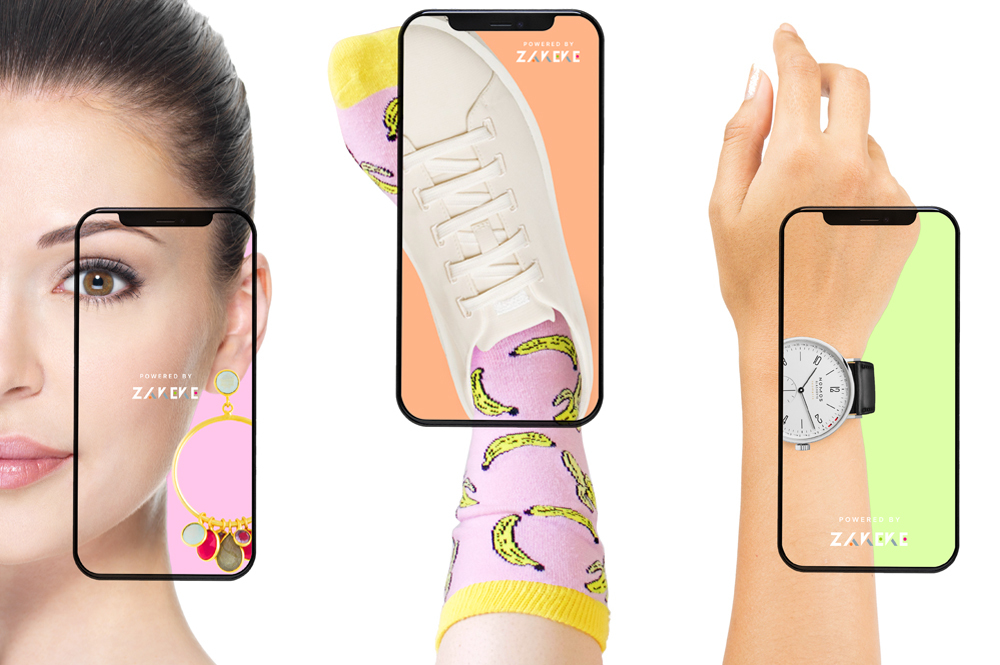
1. What Is Virtual Reality? Virtual Reality (VR) is an interactive computer-generated experience that creates a simulated environment. VR allows the user to interact with that environment in a realistic way as if they were actually there. 2. The Benefits Of Virtual Reality For The Retail Industry There are several benefits that VR brings to the retail industry. Read on to find out! Enhances Ease First, it allows customers to try on clothes without having to actually wear them. This is a game-changer for the retail industry and will likely change fashion as we know it. Immersive Shopping Experience Second, VR can be used to create an immersive shopping experience. This means that customers can explore a virtual store, view products from all angles, and even interact with the products. This can be a great way to increase sales, as customers will be more likely to buy something if they have had the opportunity to experience it in VR. Improves Customer Service Third, VR can be used to improve customer service. For example, retailers can use VR to help customers choose the right size or colour of a product, or to help them make a decision about which product is best for them. Employee Training Fourth, VR can be used to train employees. This can be especially helpful for retailers who sell complex products or who have multiple locations. VR can also be used to improve customer satisfaction by giving customers a more positive shopping experience. Increased Accuracy Virtual try on is a much more accurate way to virtually try on clothes. With traditional methods, you are limited by what is in the store. With virtual try on, you can try on clothes from any store, anywhere in the world. This also allows you to try on clothes that are not available in your size or that are not sold in your country. 3. How To Create And Use A Virtual Reality App There are several ways to create a VR app. The most common way is to use a development platform such as Unity or Unreal Engine. These platforms allow you to create 3D environments and interactions using coding or scripting languages such as C++ or JavaScript. If you are not familiar with coding or scripting, there are also many tools and frameworks that can help you create VR apps without any coding experience. Another way to create VR apps is to use 360-degree video. This is a type of video that allows the viewer to look in all directions, as if they were actually there. There are many tools and services available for creating 360-degree videos, and it is a great way to get started with VR development. Once you have created your VR app, you need to distribute it to your customers. The most common way to do this is through app stores such as the Google Play Store or the Apple App Store. However, you can also distribute your app directly to customers, or even embed it on your website. 4. The Future Of VR In Retail The future of VR in retail is exciting. We can expect to see more VR apps from retailers, and we will likely see more innovative uses of VR technology. For example, we may see more virtual stores that allow customers to explore products from all angles, or VR apps that help customers choose the right size or colour of a product. We may also see more retailers using VR to train employees and improve customer service. Ways That Retailers Can Use VR Technology There are many ways that retailers can use VR technology today to market their products and increase sales. Some of the most common ways are by creating VR apps, using 360-degree videos, and using virtual reality headsets. There are a few different ways that virtual try-ons can be implemented. The most common way is to use a webcam to capture an image of the customer’s body. This image is then used to create a three-dimensional model of the customer’s body that can be used to try on clothes. Another way to do virtual try-ons is with a VR headset. This method allows the customer to actually see themselves in the clothes they are trying on. 5. Why You Should Care About Virtual Reality and The Retail Industry Virtual Reality is a powerful tool that can be used for many different purposes. For the retail industry, VR brings several benefits, including the ability to try on clothes without having to wear them, the ability to create an immersive shopping experience, and the ability to improve customer service. If you are a consumer, you should care about VR because it will likely change the way we shop for clothes and other products. If you are a retailer, you should care about VR because it provides a new way to market your products and increase sales. There are a number of reasons why virtual try on is a game changer for the retail industry. First of all, it allows customers to try on clothes without having to actually wear them. This is a huge benefit, as it saves customers time and hassle. It also allows them to try on more clothes than they would be able to if they were actually trying them on in a store. Second of all, virtual try-on makes it easier for customers to find the right size and style of clothes. This is because they can compare different sizes and styles without having to go to different stores. Thirdly, virtual try-on is more cost-effective for retailers. This is because it eliminates the need for customers to try on clothes in-store, which can be time-consuming and costly. 6. Visual Commerce, Augmented Shopping and Virtual Try-On Visual commerce, augmented shopping and virtual try-on are all terms that refer to the ability to try on clothes without actually having to wear them. This is a game-changer for the retail industry and will likely change fashion as
April 2022 Release Notes

A brand new tool that allows you to prevent your customers from using offensive language and not-allowed images to customize your products, plus mirrored print files and new UX options inside the Configurator
Zakeke welcomes a new partner: Velstar

We are delighted to announce our partnership with Velstar! Velstar is a Shopify Plus agency. Born in 2016, they have been helping direct-to-consumer brands like AVON, French Connection, Comet and Castore scale ever since. They’ve made a mark in the Shopify Plus world, but involve themselves beyond just building ecommerce stores. As growth marketers, they also focus on how to drive high-quality traffic to your stores – and turn that traffic into long-term, repeat customers and recurring revenue. “At Velstar, it’s important for us to partner with leading technology providers that help our clients remain relevant and meet their customer needs, and Zakeke does exactly that. The solution gives customers the freedom and flexibility to personalise products, as well as visualise and interact with the product before making that all-important purchase, which means fewer refunds, fewer complaints, and more 5-star ratings for our merchants.” Barry Kilby, Technical Director at Velstar To get more information on how can Velstar help you reach out amazing results together with Zakeke, please contact them at velstar.co.uk To get more details about our Partner Program check this link https://www.zakeke.com/agency-partner
How Can 3D Product Configurators Help Your E-Commerce Store?
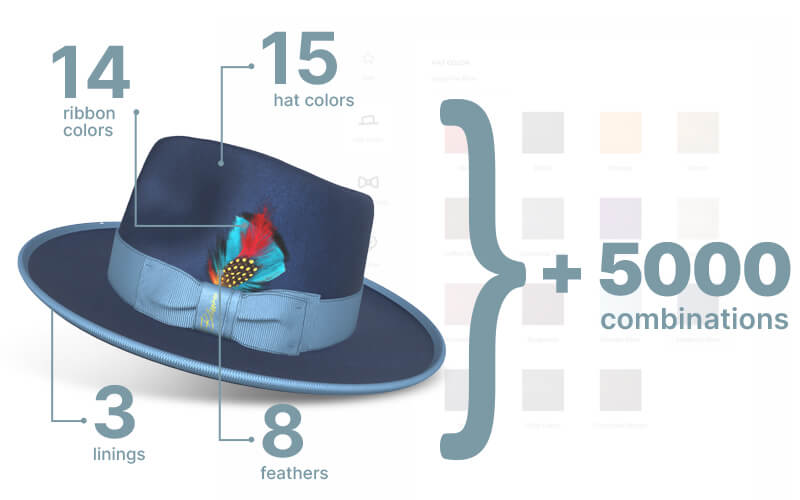
Learn how 3D configurators help online retailers increase sales and client engagement with custom products
The Future Of Fashion: Virtual Try-On & Customization
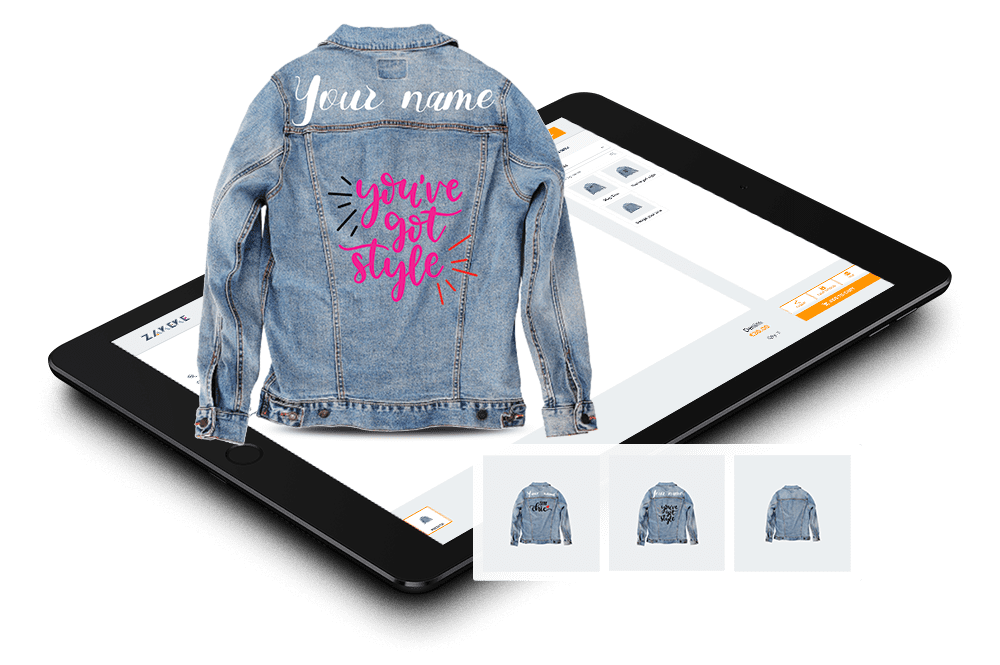
What’s the future of fashion? If you ask most people, they’ll say that it’s all about customization and trying on clothes virtually before you buy them. This way, you can pick out the perfect top and match it with your favorite jeans without any risk of buying clothes that don’t look good on you. With more companies offering this service, there’s no reason not to take advantage of it! What Is Virtual Try-On And How Does It Work? When you think of virtual reality, what comes to mind? Gaming? Movies? While those are certainly popular applications for VR, did you know that they can also be used for shopping? That’s right – virtual try on is a thing, and it’s changing the way we buy clothes. So, what is a virtual try on? Simply put, it’s a way to try on clothes without having to actually put them on. You can do this either by using a special headset or by viewing an image of yourself in the clothes. This allows you to see how the clothes fit and look without having to leave your home. The Benefits Of Virtual Try On Another advantage of virtual try-on is that it can help customers make better buying decisions. With virtual try-on, they can see how different styles and colors look on them and get a sense for what looks good and what doesn’t. This can lead to more informed buying decisions and fewer returns. Virtual try-on is also a great way to increase traffic and sales for fashion retailers. When customers can try on clothes virtually, they’re more likely to buy items that they wouldn’t have otherwise. In addition, virtual try-on can help retailers reach new customers who might not have visited their store otherwise. Overall, virtual try-on is a great way for fashion retailers to improve their customer experience and increase traffic and sales. With virtual try-on, customers can find the right clothes for them without having to leave their home, and retailers can reach new customers and increase sales. It’s a win-win for everyone involved! How Virtual Try On Is Changing The Fashion Industry The virtual try-on is changing the fashion industry by giving customers a more realistic view of how clothes will look on them. This is done by allowing customers to try on virtual versions of clothes before they make a purchase. Virtual try-on for retail also helps tu increase sales, as customers are more likely to make a purchase if they can see how the clothes will look on them. In addition, virtual try-on technology is becoming more and more advanced, with new features being added all the time. For example, customers can now use virtual reality to try on clothes in a virtual setting. This technology is sure to revolutionize the fashion industry, and it will be interesting to see what new developments are made in the field of virtual try-on in the future. The Future Of Virtual Try On Technology is constantly evolving and with it, so is the fashion industry. virtual try-on is one of the latest and most innovative technologies being used in the fashion industry today. With virtual try-on, customers can try on clothes without having to leave their home or even change out of their pajamas. This technology uses a virtual reality headset or a webcam to create a virtual version of the customer that can be dressed in different clothes. As the fashion industry undergoes rapid changes, with the increasing demand for customization, virtual try-on has become an essential part of the customer experience. With platforms like Zakeke, customers can now personalize any product (clothing, promotional gifts, paper products, shoes, jewelry, watches, etc..) and visualize how they would look using the virtual try-on feature. This technology not only allows customers to be more creative with their choices, but also eliminates the need to go through the hassle of returning products that don’t fit well. Additionally, virtual try-on can help businesses increase sales by providing an engaging and interactive experience that encourages customers to buy more products. Augmented Reality and Virtual Try-On Augmented Reality (AR) technology is being used more and more in virtual try-on applications for fashion. This is because AR allows the customer to see how the clothing will look on them without having to actually try it on. This is a valuable feature, as it can save time and hassle for customers. There are many different virtual try-on applications available, and the technology is constantly evolving. For example, virtual reality (VR) can now be used to create a more realistic experience for customers. This means that customers can try on clothing in a virtual environment that looks just like the real world. Another development in virtual try-on is the use of motion tracking. This allows customers to move around in the virtual space and see how the clothing looks from all angles. This is a valuable feature, as it can help customers to make better decisions about what they want to buy. It is clear that virtual try-on is here to stay, and that it will continue to evolve in the future. This is good news for customers, as it means that they will have more options and flexibility when it comes to buying clothes. In the future, we can expect to see even more innovations in virtual try-on technology. What Is A Virtual Storefront and Why Is It Essential? A virtual storefront is a critical aspect of virtual commerce. It allows the customer to view the product, try it on, and make a purchase. The virtual storefront is also responsible for providing a virtual environment in which the customer can interact with the product. This virtual environment should be as realistic as possible to ensure that the customer has a good shopping experience. One of the most important aspects of virtual commerce is virtual try-on. There are several virtual try-on solutions available, and each has its own strengths and weaknesses. Some solutions use 3D models