

AR For Marketing: Pros, Examples and Starting Tips

A proper digital marketing campaign helps establish a relationship between customers and brands. Standing out from the competition calls for following the latest industry trends. Augmented reality is one of the most recent examples of how technology can reshape the way marketers approach their craft. What Is AR and How Is It Used in Marketing? AR stands for augmented reality. It layers computer-generated aspects onto physical surroundings. In layman’s terms, augmented reality is a means to change our world via sound, computer-generated visuals, and other senses. In the context of marketing, it opens a lot of opportunities for brands to provide customers with new ways of purchasing. The Impact of AR Marketing Augmented reality impacts multiple fronts. For marketing, the expectations are quite high. According to Fortune Business Insights, the AR market size in North America alone is expected to reach almost $100 billion in 2028. Another study published by Exploding Topics reveals that AR-based shoppers are 50% more likely to spend more. 7 Benefits of AR Marketing Let’s take a look at some of the key AR for marketing benefits to get a better idea of why the concept is trending so much. 1. Distinguishes a brand from competitors The first benefit is how AR advertising helps brands differentiate themselves from competitors. Implementing the latest technology gives you an edge over brands that fail to recognize innovations. Put yourself in the shoes of a customer. Would you be more interested in someone who offers a virtual environment to check out a product, or someone who has pop-ups and lackluster product photos on their website? 2. Offers opportunities to test different marketing strategies Augmented reality brings flexibility to the testing process. Thousands of new products are released every year. Saturated marketing means that most ideas fail. One of the main reasons behind failure is the lack of customer feedback. Before, you had to develop a product fully and present its physical version. Now, however, AR enables one to delve deeper into the experience and provide more in-depth feedback. No more expensive prototypes when you can invite multiple testers to an augmented reality environment. 3. Reduces returns and refunds AR shopping reduces returns and refunds. Shoppers have less room to make an error when they have an opportunity to try a product without leaving home. 4. Encourages purchases AR experiences attract attention from potential customers. Some might want to try it for themselves just to see what it is like. For other shoppers, there is also the fact that they can delve deep into testing products to make the best possible decision. And once they are confident in their choice, they will spend money. 5. Builds hype Hype leads to more conversions. People who are not familiar with AR for marketing might hear about it from their peers. A simple campaign that involves AR marketing on social media can go viral. Some of it is luck, but the augmented reality concept in marketing is still relatively new. It’s still hot, so make the most out of it while the hype is there. 6. Enables a different storytelling approach Many marketers like to create a narrative that excels in quality. At the same time, some products are quite complicated, so it makes sense to look for ways to create a story/product description with the help of augmented reality to tell a richer story. 7. Provides ways to visualize products Modern shoppers don’t have the attention span to read super-long product descriptions. Hence, it is common to utilize visualization. AR takes visualization to another level. Examples of Augmented Reality Marketing Campaigns If you are looking for augmented reality marketing examples to get some inspiration or justification that the concept works, consider these three. 1. IKEA Purchasing furniture online comes with a risk, as you can’t predict how it will look at your place. IKEA developed its Studio app to let shoppers utilize sensory technology. One can take a picture of their room and try different furniture setups available from IKEA. 2. Niantic Out of the companies that use augmented reality, Niantic is arguably the most notable example. Their Pokemon GO mobile game was a global success. So many people are Pokemon fans, and they own a smartphone. The app also encourages going outside and exercising, so the benefits go beyond just enjoying catching characters from your childhood. 3. Adidas Shoe shoppers look not just for comfort but also how the footwear looks. Out of augmented reality examples in shopping, Adidas is another solid shout. They worked on an iOS app, which makes decisions for shoe shopping much easier. Augmented Reality for E-commerce: Why You Need It AR for marketing exists because it presents a new and innovative way to approach product presentation for shoppers. A more immersive experience benefits consumers because they have more information at hand. And if customers are happy and shopping, the businesses are happy, too. How Can You Use AR Marketing? AR for marketing doesn’t end with just new ways to present products via immersive visuals. Brands can utilize AR with QR codes. How To Start With AR Marketing For Your Store: Zakeke Are you interested in starting your journey with augmented reality marketing but don’t know where to start? Zakeke has the visualization side covered. Use our platform to bring your brand’s products to life and boost the customer experience. It’s intuitive and easy to use. Fully 100% WebAR and Virtual Try-On: enhanced experiences for your customers, zero hassles for you. Embrace the AR revolution today: start free trial or book a demo today. Laura Alexander E-Commerce Content Manager Laura Alexander is a freelance digital content manager and copywriter. Specializing in tech, ecommerce, and educational content, she had her work appear in publications like Omnikick, Pomodoneapp, Sortlist, and Price2Spy.
How To Boost Your E-Commerce Marketing Results with 3D Advertising
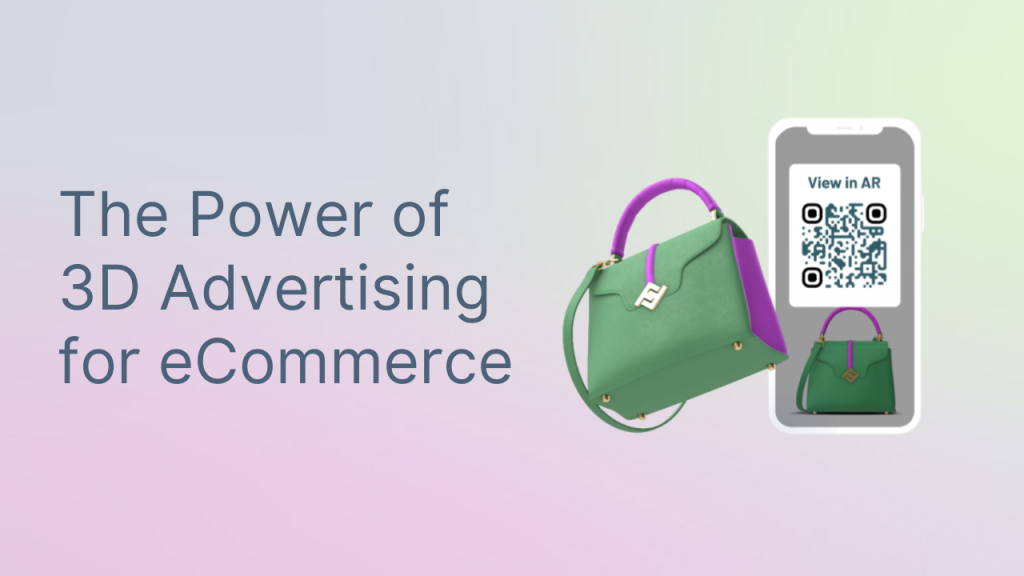
In the fast-paced world of e-commerce, staying ahead of the competition is crucial. And one innovative marketing tool that’s been making waves is 3D advertising. But what exactly is 3D advertising, and what can it do for your e-commerce business? Let’s delve into the topic and discover why 3D advertisement is the new horizon of e-commerce marketing. What Is 3D Advertising? Imagine being able to showcase your products in a way that’s so lifelike, your customers feel like they’re holding them in their hands. That’s the magic of 3D visualization and 3D advertising – they bring products to life in a way that traditional 2D visuals just can’t match. In other words, 2D is somewhat flat, boring, and uninspiring whereas 3D is captivating, engaging, and utterly immersive. It’s about creating an experience that draws customers in and keeps them coming back for more. Benefits of using 3D in Advertising The use of 3D in advertising has given brands a powerful tool to stand out in a crowded marketplace. But beyond just grabbing attention, the benefits of using 3D in advertising are wide-ranging. Captivating Visual Experience When you incorporate 3D advertising, you are offering your audience a visual treat that is hard to resist. The depth and realism of 3D visuals instantly grab attention and create a memorable impression. Sometimes you can even add interactivity to 3D assets, allowing your customers to rotate, zoom, and interact with it. This level of engagement is unparalleled and creates a lasting impact on the consumer’s memory. Enhanced Brand Recognition By utilizing 3D advertising, your brand can stand out in a crowded digital space. The unique and immersive nature of 3D visuals sets your brand apart and leaves a lasting impression on your audience. It’s a powerful tool for increasing brand recognition and establishing a strong visual identity in the minds of your customers. Improved Consumer Engagement Traditional advertising can struggle to capture and maintain consumer attention. Whether it’s a 3D product demonstration or an interactive 3D ad campaign, the immersive nature of 3D content, coupled with conversational commerce elements, ensures higher consumer engagement and interaction with your brand. Furthermore, leveraging conversational commerce along with 3D advertising offers an interactive and engaging experience that keeps consumers hooked. Interactive Storytelling Potential With 3D advertising, you have the opportunity to tell a compelling and immersive story about your products or brand. You can transport your audience into a virtual world where they can experience your products in a way that feels personal and engaging. This storytelling potential adds depth and emotion to your marketing efforts, forging a stronger connection with your target audience. Better Product Visualization One of the biggest advantages of 3D advertising is the ability to showcase products from every angle, with a 360° product view, providing a comprehensive view that goes beyond traditional product photography. This level of product visualization allows consumers to make more informed purchasing decisions and reduces product returns due to inaccurate representations of products. Competitive Edge in Marketing Adopting 3D advertising gives your brand a competitive edge by offering an immersive and visually compelling experience that sets you apart from your competitors. It positions your brand as innovative, forward-thinking, and committed to providing an exceptional consumer experience. 3D Advertising Examples: Companies Using 3D Adv in Their Campaigns Now that you know how 3D advertising can be a game-changer, let’s take a look at some companies that use it in their digital marketing campaigns. Rebecca Minkoff Globally recognized women’s fashion and accessories brand, Rebecca Minkoff has been all about 3D images and Augmented Reality since late 2019. What’s cool is that they’re using this tech wizardry to let you try out their designer goodies before you decide to splurge on them. It lets you check out how that designer purse or pair of sunnies would look on you before hitting that “Add to Cart” button, and honestly, it’s like having your own personal fashion show right on your phone. IKEA Next on the list is IKEA, the OG furniture giant that’s been acing the 3D and AR game since back in 2017. They’ve had their AR app, IKEA Place, up and running for a while now, letting you virtually plop 3D models of their furniture into your humble abode before you commit to buying. No more guessing if that new couch will fit perfectly in your living room – you can actually see it in action before making the call. Garten und Freizeit Garten und Freizeit, the online haven for outdoor furniture, were in a pickle trying to sell their large and in-charge products with just basic 2D images. But they turned the tables by embracing 3D visualization tech, and what do you know? Their sales conversions shot up by a whopping 60%! That’s the power of getting a full-on 3D furniture experience when you’re scoping out a potential purchase. Bumbleride Bumbleride, the eco-friendly stroller heaven, hopped onto the 3D modeling train to make it way easier for parents-to-be to pick out their dream stroller. Now, you can take these beauties for a spin right from the comfort of your home, seeing exactly how they’d fit into your world before you make that big decision. Nike Nike, the trendsetting powerhouse that’s been using 3D and AR wizardry since way back in 2013! They were one of the first big names to dip their toes into 3D printing for their kicks, and they’ve only soared higher since. Fast forward to today, and they’re using AR to give you a next-level sneaker-fitting experience. Start With 3D Advertising in Your E-Commerce: Easy with Zakeke! Zakeke is the go-to suite for all your 3D, AR, Virtual Try-On for eCommerce and customization needs when it comes to advertising and marketing in e-commerce. 3D Product Configurator If you’re looking to entice your customers with an immersive personalized 3D shopping experience, our 3D Product Configurator is the way to go. This tool lets your customers become creators by designing made-to-order products with their preferred colors, materials, and
The Ultimate E-Comm Guide to 3D Product Rendering
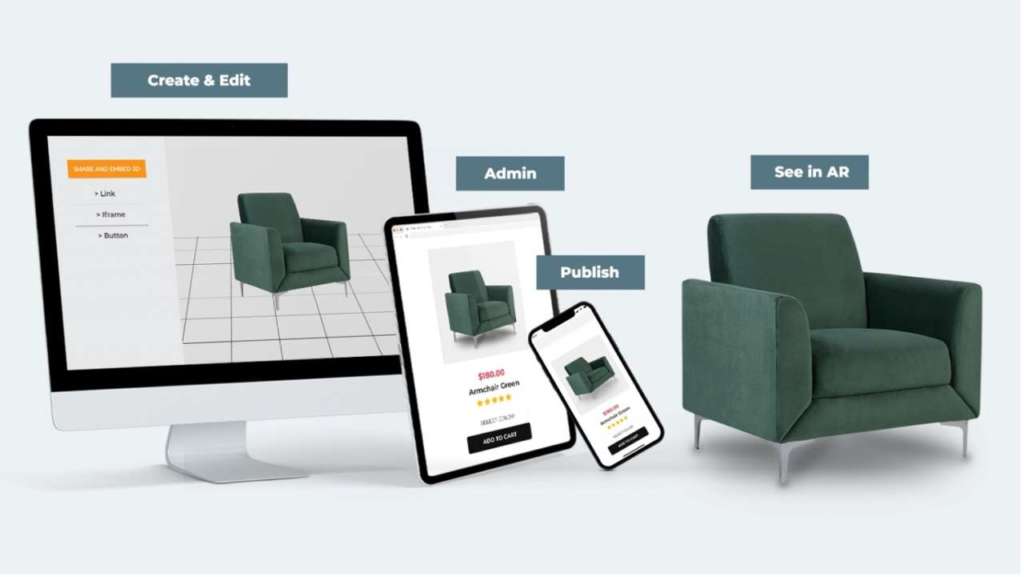
As online shopping rises, the quest for visually appealing product presentations has never been more crucial so does the need for captivating and immersive product experiences. Enter the world of 3D product rendering – a game-changing technology that is revolutionizing the way businesses showcase and sell their products in the digital landscape. This sophisticated method allows you to create detailed and realistic representations of products, facilitating a deeper understanding of their design and functionality. By leveraging advanced software and rendering services, you can enhance both the aesthetic appeal and the technical accuracy of product presentations. Welcome to our comprehensive guide, where we delve into the thrilling realm of 3D product rendering and explore its transformative impact on e-commerce. Together, we’ll uncover the ins and outs of 3D render products, their benefits, and why they have become essential for businesses aiming to engage their audience. What Is 3D Product Rendering? Product 3D rendering, essential for 3D product visualization, is a process that uses specialized software to create photorealistic or non-photorealistic images from 3D models. This technique results in what is called a 3D render, which can showcase a product in various color variations, angles, environments, and views. At its core, this technique involves the creation of a high quality digital model that replicates a real world product. The model is then processed using rendering software to produce a lifelike image or animation. This process is instrumental in various industries, including automotive, fashion, and consumer electronics, where visual accuracy and detail significantly influence consumer decisions. By mastering a rendering service, you not only enhance the visual appeal of your products but also streamline the product design and development phases. One of the main advantages of 3D product render is the ability to visualize a product long before it is physically created. This feature allows marketers to plan ads in advance, enables manufacturers to see the product’s appearance, and allows brands to test the market through pre-selling. In the e-commerce sphere, 3D product rendering offers an indispensable tool for showcasing products in their best light. The Importance of 3D Rendering in Product Design The significance of 3D rendering in product design process cannot be overstated. It serves as a bridge between conceptualization and realization, allowing you to visualize and refine products before they reach the manufacturing stage. This capability reduces the need for physical prototypes, which can be both time-consuming and costly. Furthermore, 3D product rendering provides a platform for iterative design, where modifications can be made quickly and efficiently. By incorporating 3D rendering into your product design workflow, you are empowered to create innovative, high-quality products that meet and exceed market expectations, allowing customers to have a real 3D representation of their preferred products. Key Elements of 3D Rendering The 3D rendering process is a captivating blend of technical expertise and artistic creativity. It involves several stages, each essential in bringing a digital product to life with stunning visual appeal. Let’s explore the intricate steps that make the 3D rendering process possible. Modeling The foundation of the 3D rendering process lies in the art of modeling, where a 3D representation of an object is meticulously crafted using specialized software. During this phase, the size, shape, and appearance of the object are determined, setting the groundwork for the subsequent stages. Texturing The next step, texturing, involves infusing the 3D model with color, surface properties, and material attributes to authentically reflect the object’s overall appearance. This process adds depth and realism, crucial for captivating the viewer’s attention and imagination. By applying realistic textures, you mimic the surface properties of the product, such as glossiness, roughness, and color. This attention to detail ensures that the render accurately reflects the product’s physical characteristics, which is essential for both design validation and marketing purposes. Lighting Conditions Creating a realistic lighting setup within the 3D environment is pivotal. Carefully positioning and calibrating light sources to mimic real-world behavior elevates visual fidelity, injecting life and dimensionality into the digital creation. Proper lighting techniques can highlight specific features of the product, making it more appealing to the viewer. Shadows complement lighting by enhancing the realism of the render, providing cues about the product’s form and spatial orientation. Camera Angles and Perspective Camera angles and perspective significantly impact the viewer’s perception of a product render. By strategically choosing angles, you can emphasize specific features or demonstrate functionality. A well-chosen perspective can also convey the product’s scale and context, providing a comprehensive visual representation. Rendering The culmination of the painstaking effort invested in modeling, texturing, and lighting is the rendering phase. Here, the 3D model and intricate lighting setup are transformed into a 2D image using sophisticated computer software, resulting in a snapshot that encapsulates the essence of the digital world. Post-production To polish the rendering and elevate its visual impact, thorough post-production is undertaken. Utilizing software like Adobe Photoshop or Lightroom, enhancements and adjustments are meticulously applied. These can range from adding motion blur and depth of field to incorporating lens flares, culminating in a visually captivating final image. How 3D Rendering Process Works The creation of a 3D product render involves several critical stages, each contributing to the final output’s quality and effectiveness. Modeling the Product Modeling is the first step in the rendering process, where you create a detailed 3D representation of the product. This stage requires precision and attention to detail, as the model forms the foundation for subsequent rendering tasks. Applying Textures and Materials Once the model is complete, textures and materials are applied to simulate the product’s surface properties. This step involves selecting appropriate textures that reflect the product’s real-world appearance, ensuring authenticity in the render. Setting Up Lighting and Environment Lighting and environmental settings are crucial to achieving realistic renders. By configuring these elements, you control the mood and ambiance of the scene, enhancing the product’s visual appeal and conveying the desired message. Rendering and Post Production The rendering phase involves converting the 3D model into a 2D image or animation. Post-production techniques, such
How Web AR Technology Is Changing Online Experiences: A Full Guide

Augmented reality (AR) has found use in multiple areas of human activity. Not only is it a fun engagement-boosting tool – the applications of web-based AR are only limited by a developer’s creativity. From its foundational components to real-world applications and future possibilities, this guide dwells on the transformative potential of the newest Web AR technology advances, with ideas that both business owners, developers, and augmented reality enthusiasts will find insightful. What Is Web AR? Web augmented reality is a technology that allows users to access AR directly from the browser. So, unlike virtual reality software that requires an app to function, to experience Web AR, users only need a device with a camera and an internet connection. How exactly does it work from the user’s perspective? Users scan a QR code or follow a link to open a dedicated web page in their browser. The browser then requests access to the device’s camera and displays the camera input directly on the web page. At the same time, the software adds digital elements based on the identified objects, also called markers. As a result, the browser window shows a stunning combination of the physical and digital realms. When displayed via smartphone, the AR elements can be interacted with: viewed from different angles, moved around the place, etc. The Technical Nuance Behind Web AR WebAR experiences are becoming more advanced because mobile devices are adding new features that can support them. While every kind of AR uses the device’s camera, web-based mobile AR can as well have access to the phone’s gyroscope, accelerometer, orientation, and magnetometer. Most experiences based on the newest Web-Based AR technology rely on these four key technical features. Despite a surprising amount of nuance, Web AR is a simpler and more affordable choice for those who want to get started with augmented reality. While the fact that it is cloud-based limits the range of the technology’s capabilities, Web AR is tailored to function flawlessly on any device from budget options to flagship phones. Web AR Vs In-App AR – What’s The Difference? If you want to enable AR technology for your business, there are two main ways of implementing it. You can choose to develop an app or incorporate Web AR into your product. The key difference of an app-based AR from Web AR is that the in-app option stores the software elements and the data needed to render an augmented piece in the application. Other than that, it is pretty straightforward: the app uses your device’s camera to show 3D content on top of what you see around you. It works together with your device’s hardware, like the camera, gyroscope, and accelerometer. The digital input (sound, text, graphics, or GPS data) is then augmented with the software and the combined image is created. While app-based AR can offer more advanced features than Web AR, users need to download the app to experience them. This condition makes things tougher, especially if people have limited storage space or their device isn’t compatible. Studies show a 50% drop in engagement when users have to go through a download. Besides that, only 25% of people use the app beyond the first interaction. Comparison Table Features Web AR App-based AR Available on any device X Supports any operating system X Compatible with web analytics tools X Not limited by browser performance constraints X Provides advanced capabilities by utilizing the device’s hardware X Use Cases Of Web Based AR The use of augmented reality is only limited by a developer’s creativity. One of the recent marketing trends implies crafting unique user experiences for your customers. And nothing says unique better than immersive try-on, 3D face filters, or the capability of instantly changing the background during a video call. Web-based AR can be applied in multiple ways across various industries. Below are just some of the compelling use cases. As the technology continues to evolve, we can expect to see even more innovative use cases emerging in the future. WebAR for Retail and E-commerce WebAR enables customers to visualize products in their own environment before making a purchase. This applies to furniture, wallpapers, clothing, accessories, or even plastic surgery. For example, customers can use their smartphone to see how furniture or home decor items would look in their living room. Or customers can try on clothes, shoes, glasses, or even nail polish to see if they suit their looks before buying. This immersive shopping experience increases engagement and reduces return rates, leading to higher customer satisfaction and increased sales. AR for Education WebAR can enhance learning experiences by making educational content more interactive and engaging. One of the examples is healthcare: medical students can use WebAR to explore 3D models of the human face and body, examine organs and systems from different angles and gain a deeper understanding of complex concepts. Another idea for AR in education is interactive face masks and AR-based games. Teachers can create engaging trivia for students to review and evaluate their knowledge of the subject. Features like face and hand motion tracking make this technology suitable for this purpose. Augmented Reality in Advertising and Marketing Campaigns Brands can leverage AR to create immersive and interactive advertising and marketing campaigns. For example, a company launching a new product can create Augmented Reality product experiences that allow consumers to interact with virtual versions of the product, watch demonstrations, or participate in gamified experiences, all directly from a web browser. Benefits Of Using Web-Based AR Overall, augmented reality comes with a ton of benefits for your business in every industry, from eCommerce to education. Studies show that, by adding interactivity to content, you boost your message’s memorability by up to 80%. Augmented reality creates a unique user experience, and your customers are more likely to remember those. Besides that, implementing AR in spheres like eCommerce allows your users to try your goods in the comfort of their homes, which decreases return rates. As we said before, Web AR technology is
February 2024 Release Notes

Zakeke’s continues to increase performances and bring more exceptioonal experiences: new rotations limits for 3D models, new fields for quotations summaries, Save Design for all products, new Exit warning messages, a Zoom level for your interface and more
Redefining Retail: Next-Level Shopping With 3D Clothing Catalogs
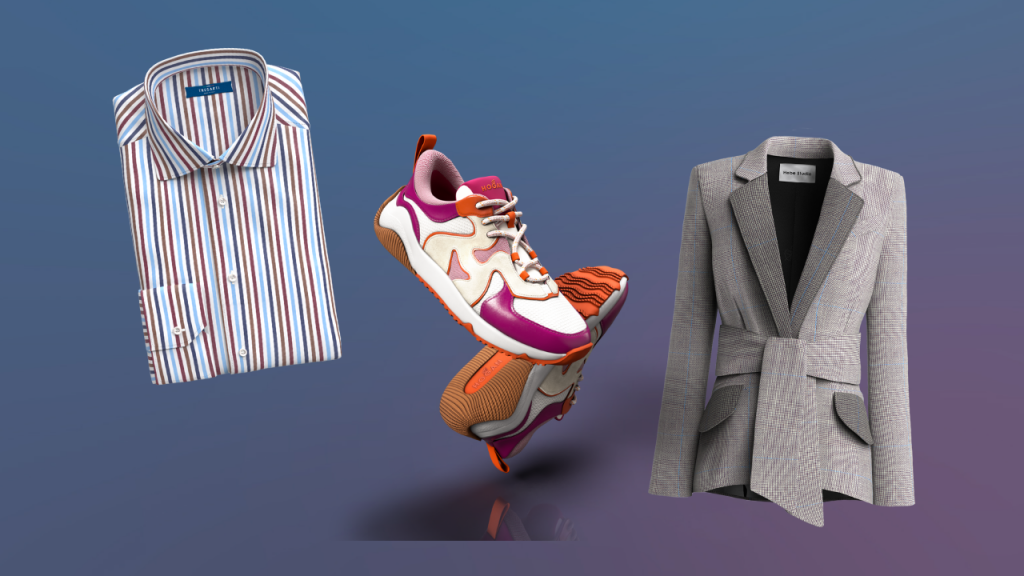
The retail industry is undergoing a dramatic transformation, with the emergence of 3D clothing catalogs revolutionizing the shopping experience. Imagine being able to browse through a virtual wardrobe, where you can visualize how a garment fits and drapes on your body, all from the comfort of your home. The traditional brick-and-mortar shopping is taking a backseat as retailers dive into the world of virtual reality, offering customers an immersive and personalized shopping experience. This advancement in technology is not just a game-changer – it’s a retail renaissance. In this article, we’ll delve into the fascinating realm of 3D clothing catalogs and explore how they are redefining the way we shop for fashion. From the convenience of virtual try-ons to the environmental impact of reducing stock production, personalized shopping with 3D clothing is reshaping the retail landscape as we know it. The Power of Personalization in Retail When it comes to retail, product customization is the key to capturing the hearts and wallets of modern consumers. People crave unique experiences and products that resonate with their individual tastes, and the fashion industry is no exception. 3D in fashion offers a level of immersion and personalization that was previously unimaginable. Imagine being able to select your body type, skin tone, and even height to visualize how a particular outfit would look on you. The ability to personalize the shopping experience to this level creates an emotional connection between the customer and the product. It’s no longer just about browsing through static images of models; it’s about virtually stepping into the clothing and making it your own. 3D product visualization in retail gives consumers a sense of empowerment, allowing them to confidently make purchase decisions and reducing the likelihood of returning ill-fitting items. With 3D clothing models, static images become obsolete, making way for a new era of immersive and tailored fashion experiences. Introducing 3D Clothing Catalogs Traditional flat images and generic product descriptions are left in the dust as 3D models take center stage. It’s time to turn pictures into 3D models! This groundbreaking technology allows shoppers to interact with clothing in a way that was previously unimaginable. From zooming in to examine fabric textures to viewing items from every angle, the immersive experience offered by 3D clothing is unparalleled. With 3D clothing, consumers can explore the intricate details of each garment, gaining a comprehensive understanding of the product before making a purchase. This level of engagement bridges the gap between online and in-store shopping, offering a dynamic and interactive experience that transcends the limitations of traditional e-commerce platforms. This shift towards 3D clothing catalogs represents a fundamental evolution in the way we shop for clothing. The Power of Virtual Try-On Experiences in The Fashion Field What if you could try on countless outfits without the hassle of fitting rooms or the frustration of visiting multiple stores? Virtual try-on experiences powered by 3D clothing models are making this a reality. By leveraging Augmented Reality and advanced 3D modeling, retailers can provide customers with a lifelike fitting experience through their smartphones or computer screens. Virtual try-on clothes experiences enable shoppers to see how garments look on their actual bodies, creating a level of confidence and trust in their purchasing decisions. This not only enhances the convenience of shopping but also minimizes the uncertainty often associated with online fashion purchases. With virtual try-on experiences, you can experiment with different styles, sizes, and colors, empowering you to curate a wardrobe that truly reflects your personal style. The interactive nature of virtual try-on experiences breathes new life into the fashion shopping journey, fostering a deeper connection between the consumer and the brand. It’s a personalized fitting room right in the palm of your hand, redefining the way we explore, select, and ultimately, purchase clothing. The Importance of Custom Tailoring and Bespoke Options 3D clothing design software paves the way for an era of custom tailoring and bespoke options that cater to the individual preferences of consumers. Through advanced 3D Configurator software, shoppers can customize garments to their exact measurements, select fabric options, and even personalize design elements, creating truly unique pieces that speak to their sense of style. This level of customization not only meets the demand for individuality but also aligns with the growing trend of conscious consumerism. By offering custom tailoring and bespoke options, retailers are promoting a mindset of quality over quantity, allowing shoppers to invest in pieces that are made specifically for them, reducing the likelihood of impulse purchases and contributing to a more sustainable approach to fashion consumption. The ability to create personalized, made-to-measure clothing experiences empowers consumers to move away from the “fast fashion” mentality and towards a more considered and intentional approach to building their wardrobes. 3D clothing catalogs serve as a gateway to a world where each garment is a reflection of its wearer, emphasizing the significance of individual expression within the realm of fashion. How 3D Clothing Boosts Customer Engagement and Loyalty In a market where competition is fierce, cultivating lasting relationships with customers is paramount. 3D models in fashion offer a unique opportunity for retailers to engage with their audience in a meaningful and immersive way. When customers can visualize and engage with products in a personalized manner, it creates a memorable and enjoyable shopping journey. This heightened level of engagement goes beyond traditional online shopping, elevating the connection between consumers and brands. It’s no longer just about making a transaction; it’s about creating an experience that resonates with the customer, leaving a lasting impression that extends far beyond a single purchase. Furthermore, the data and insights gathered from 3D clothing interactions enable retailers to understand their customers’ preferences and behavior better. By leveraging this information, brands can tailor their offerings and marketing strategies to align with the desires of their audience, further strengthening their position in the market and solidifying customer loyalty. Potential Impact on Sustainability in The Fashion Industry The fashion industry has long grappled with sustainability challenges, from excessive waste to carbon
A Comprehensive Guide to eCommerce Marketing Automation in 2024
Imagine your online store running on autopilot, with personalized messages reaching customers at just the right moment, abandoned cart reminders, product recommendations, and targeted ads finding the perfect audience. Sounds like a dream, right? Well, that’s the power of e-commerce marketing automation. It’s not magic, but it’s pretty darn close. By automating repetitive tasks and leveraging data-driven insights, you can free up your time, boost your sales, and create a seamless shopping experience for your customers. And the numbers speak for themselves: Let’s look at how you too can ditch the manual grind and unlock the full potential of your business using eCommerce marketing automation strategies and tools. What Is Marketing Automation For eCommerce? E-commerce marketing automation is the process of using tools & AI to perform various marketing tasks automatically in an online retail environment. These tools help improve efficiency by automating repetitive processes, enabling businesses to offer personalized content, target specific customer segments, and optimize their overall marketing strategy. Automation software empowers e-commerce businesses to engage with their audience in a more timely and relevant manner by sending targeted emails and managing social media campaigns. Ultimately, this improves the e-commerce customer experience and drives sales. For example, if a customer leaves items in their cart without checking out, an abandoned cart email can be sent automatically to remind them of their purchase and encourage them to complete it. Benefits of eCommerce Marketing Automation Automating your eCommerce marketing tasks can be a game-changer, freeing up your time, boosting your sales, and creating a more personalized experience for your customers. Here are 4 key benefits of automating your eCommerce marketing: 1. Saves You Time and Money Repetitive tasks like sending abandoned cart emails, managing social media posts, and creating personalized product recommendations can take up a huge chunk of your time. Ecommerce marketing automation tools handle these tasks for you, freeing you up to focus on strategic initiatives like product development, market research, and building customer relationships. This can lead to significant cost savings in the long run, as you won’t need to hire additional staff to handle these tasks on a bigger scale. 2. Boosts Sales and Conversions Automated marketing campaigns can be highly targeted and personalized, leading to a significant increase in sales and conversions. By sending abandoned cart emails, triggering product recommendations based on browsing history, and offering personalized discounts, you can nudge customers toward making a purchase. Additionally, automated email sequences can nurture leads and turn them into loyal customers. 3. Enhances Customer Experience Automation tools can help you personalize your marketing efforts by segmenting your audience based on demographics, purchase history, and interests. This allows you to send targeted messages and recommendations that are relevant to each customer. As a result, customers are more likely to engage with your brand and make repeat purchases. 4. Data-Driven Decision Making Automation tools track and analyze data from your marketing campaigns, giving you valuable insights into what’s working and what’s not. This data can be used to optimize your campaigns, improve targeting, and personalize your messaging even further. With the right data, you can make informed decisions about your marketing strategy and ensure that you’re getting the most out of your investment. 9 Effective eCommerce Marketing Automation Strategies 1. Create Dynamic Content for Personalized Experiences 80% of consumers are more likely to do business with a company offering personalized experiences. Dynamic content involves tailoring website elements and marketing materials based on individual user behavior. By analyzing data on customer preferences, past purchases, and online behavior, businesses can dynamically display personalized product recommendations, promotions, and even website layouts. Amazon excels in this by dynamically adjusting its homepage to showcase products relevant to each user’s browsing and purchase history. Source This approach improves user engagement, increases the likelihood of conversions, and provides a more personalized and enjoyable shopping experience to customers, ultimately leading to higher customer satisfaction and loyalty. 2. Send Welcome Emails Welcome emails play a vital role in establishing a positive relationship with new customers and many brands do this for better engagement. By automating welcome emails, eCommerce businesses can create a warm introduction, encourage users to explore their offerings, and potentially lead to the first purchase. Airbnb, for example, sends personalized welcome emails to new users, providing essential information about their platform and services. Source This initial positive interaction also sets the tone for a long-lasting and positive customer relationship. 3. Send Cart Abandonment Emails Shopping cart abandonment is a common phenomenon in e-commerce, with an average abandonment rate hovering around 70% which leads to a loss of $18 billion in sales revenue annually. Cart abandonment email automation can be your powerful weapon to recover lost sales. It involves automatically sending targeted emails to users who have added items to their shopping carts but left the website without completing the purchase. This strategy aims to re-engage potential customers, remind them of their abandoned carts, and convert those forgotten carts into purchases. Remember, cart abandonment email automation is a powerful tool, but personalization is key. The best approach is to send a series of emails, starting with a gentle reminder and escalating with increasing incentives over time. Tailor your approach to your brand and audience for maximum impact. 4. Send Automatic SMS Messages Automatic SMS messages offer a direct and immediate way to engage with customers. By incorporating automatic SMS messages into marketing campaigns, eCommerce businesses can reach customers directly on their mobile devices, delivering timely promotions, personalized offers, and important updates. This strategy not only improves customer satisfaction but also contributes to increased sales through immediate and impactful communication. For example, after a customer makes a purchase, Sephora sends automated SMS notifications confirming the order and providing a link for shipment tracking. This real-time tracking information keeps customers informed about their deliveries, enhancing transparency and reducing uncertainty. 5. Use Automated Chatbots Automated chatbots are invaluable tools for eCommerce businesses, providing immediate assistance and enhancing customer engagement. A noteworthy illustration is Spencer’s, a retail brand that harnesses automated
Augmented Reality For Products: Must-See Applications
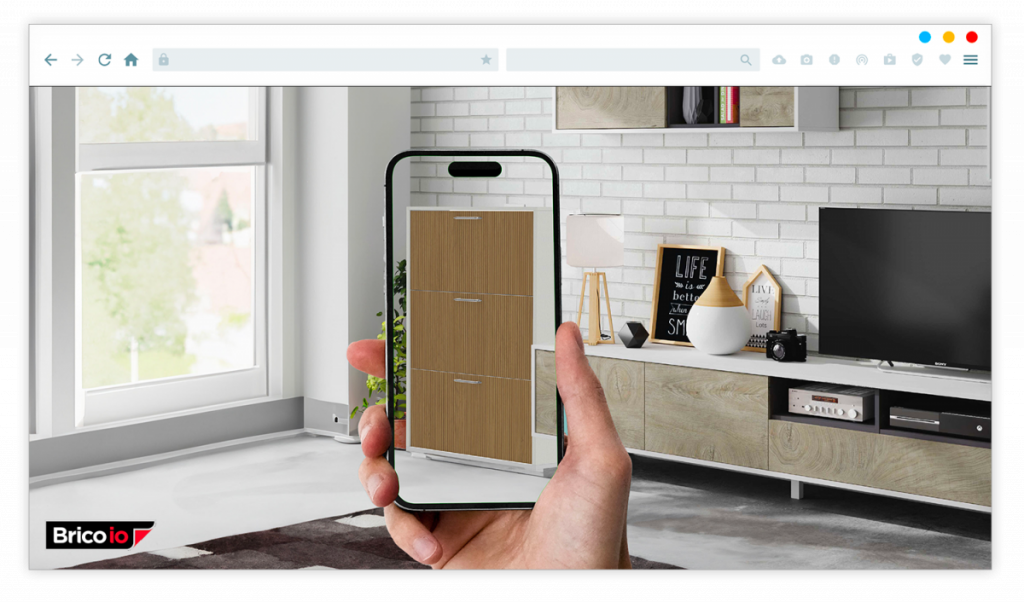
What if you could try your products closely before making a purchase? Sounds exciting. Isn’t it? What if you could demand a touch for the latest makeup or new furniture to check whether it suits your requirements? Well, that’s where Augmented Reality for e-commerce comes into existence. Augmented Reality is where you add digital elements to your real world (virtually) to provide an accurate worldview. Augmented Reality for products overlays digital images over physical objects. Augmented Reality makes you interact with the virtual object just as if it were ordinarily present. Let’s discover how brands are using AR in e-commerce! What is AR and How Does It Work? As we’ve already mentioned, Augmented Reality allows you to seamlessly add digital elements into your real space. Augmented Reality and Virtual Reality differ in one important feature: AR enhances the real world with digital objects, while VR creates a completely virtual world. How does it work? The device that supports the AR features uses the lens to scan out the object on which its digital impression must be laid on its algorithm and software, then measures out the distance of the object, and finally, the object is digitally placed over it. The AR image appears as an enhanced version of the actual physical world. Given its features, Augmented Reality is now one of the most important allies for brands that want to improve their customers’ shopping journeys and turn them into adventures and AR experiences. Let’s see how brands are using Augmented Reality for products and marketing today. Some Real-Life Augmented Reality Examples Here are some well-known examples of AR applications: 1. Snapchat Snapchat is leading the way in using Augmented Reality to create fun and interactive experiences. One of the coolest features is their trendy filters. Here’s how it works: the app uses artificial intelligence to detect and map your facial features. Then, it adds digital filters on your face in real-time, changing your appearance instantly. This clever use of AR technology makes Snapchat incredibly engaging and keeps users coming back for more. 2. Pokémon Go Among the best uses of Augmented Reality technology is Pokémon Go. After its initial release in 2016, it quickly gained popularity among individuals of all ages. The idea was to develop a game combining physical interaction with digital technologies. Along with these, you have interior decoration apps, AR Maintenance, Google Glass, Google Street View, Google ARcore, IKEA mobile app, Weather Channel studio effects, etc. The world is under the strong influence and usage of technology and digital experiences. Businesses are on the verge of escalating their business by adopting strategies and modifying tactics to strengthen their bond with the customer to appeal to and connect with their target customers. According to recent studies, AR has gained the tag of one such digital marketing tactic that is quickly earning attention and increasing the purchase level while boosting sales in business. This is why AR advertising is becoming increasingly important for brands and businesses. Augmented Reality Products: 5 Cool Applications When it comes to Augmented Reality, some industries and products are particularly well-suited to this technology. Let’s take a look at which ones (and if your business is among them, you should seriously consider it!): In these cases, Augmented Reality for product visualization could be a real game-changer! 8 Ways Augmented Reality Helps Boost Your Sales AR experiences can increase sales in several ways, including improving the shopping experience, raising customer engagement, and giving customers helpful information. The following are ways in which AR can boost sales: Research indicates that customers are more inclined to buy from a business that offers product customization and tailored experiences. The most effective method for displaying particular aspects not visible in pictures is to include AR in any real-world environment. Its interactive digital platform helps buyers make informed decisions to choose products with realistic animations and customs, highlighting the best features on one screen. Through the use of AR in business, this interactive, personalized shopping experience also enables the customer to see a fictional thing in any realistic setting, as it saves time. Customers can shop online instead of making the time-consuming trip to offline shopping. One of the first things in business is to identify your target audience, and with the correct target market, you can hatch the eggs of marketing effectively. AR can help you identify and increase your target audience. All you have to do is find a client, understand its high purchasing and demanding power, and simultaneously conduct market research to detect what kind of products your customers like or demand. Clients prefer to clearly understand the product’s characteristics while selling to retail establishments and other groups. B2B sales can benefit from AR technology as it seeks to alter how customers interact and engage with products. This is particularly valid for ideas for future works of art. For instance, it could be challenging for clients to picture a structure that isn’t yet finished. They can get a glimpse of the potential structure through Augmented Reality before it is ever constructed. The way we assist our clients with technical issues might be revolutionized with Augmented Reality service assistance. Mobile teleconferencing between support staff and users is one of the most prominent ways this technology can benefit users. Markers that the user can see in 3D space can be drawn on the screen by the support agent on the other end of the conversation. This is very useful for tasks like troubleshooting computers. To assist the customer, the technical support representative can draw a circle around the area of interest by just having the user point their camera at their computer. Then, using their smartphone as a window, the user may see the circle in three dimensions. This can significantly simplify remote support. In a store, it’s common for customers to find themselves aimlessly searching for specific items. It’s much more annoying when you’re pressed for time. Thanks to Augmented Reality technology, customers can more easily explore even the largest
How 3D Tech Boosts Sustainable Product Design
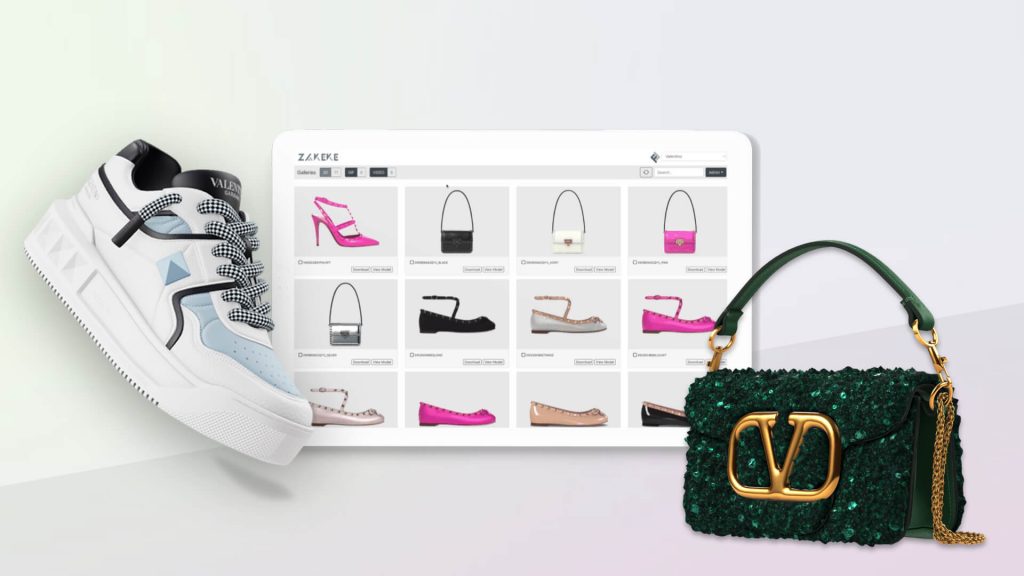
In recent years, sustainability has become a crucial focus for businesses across industries. Consumers are demanding products that are not only functional and aesthetically pleasing but also eco-friendly. 3D technology has emerged as a game-changer in sustainable product design. By creating digital renderings rather than physical samples, 3D can slash waste and carbon emissions across design, manufacturing, and shipping. Talking about eCommerce, digital collections and virtual try-on provide shoppers with more sustainable alternatives to returns and overproduction. Let’s explore all the pluses of implementing a 3D-centric approach in your company. Showcasing Your Products in 3D While Saving Costs 3D visualization provides significant benefits for eCommerce brands compared to traditional product photography. Creating a photorealistic 3D model of a garment or accessory is often cheaper than organising high-quality photoshoots. With 3D brands can cut down on these expenses after the initial investment. Once the 3D models are made, they can be reused and reconfigured for different colours and variations rather than reshooting. Automation and photogrammetry also speed up the 3D process compared to the time-intensive photoshoots required each season or for new styles. For small businesses and startups, the lower cost and scalability of 3D are very appealing and allow them to invest more resources into the product design and quality itself. Overall, 3D visualisation empowers brands to achieve high-quality, consistent product imagery at a fraction of the cost of traditional photoshoots. The initial investment pays dividends over the long run with reuse potential for years to come. On the other side, for small companies, 3D represents a way to visually compete with big brands without breaking the bank. Turn Your Catalog into 3D with Zakeke One of the most promising aspects of 3D technology is the possibility of creating a collection without the need to produce physical samples just for visual marketing purposes. The 3D model is the sample and does not need to be shipped back and forth for approvals and photography. All collaboration can happen digitally, enabling faster design iterations before production. This not only reduces material waste but also saves time and resources. Zakeke allows you to easily turn images into 3D models (also starting from high poly 3D files or physical items) and create your 3D catalog to offer an immersive, interactive experience that brings your online collections to life. It allows your customers to explore your products in a virtual environment, providing a detailed, 360 view of each product. This technology not only enhances the shopping experience but also provides valuable insights into your customers’ preferences and behaviours. It’s a cost-effective solution that can significantly boost your online sales and improve customer engagement. Streamline Operations While Reducing Returns Thanks to interactive 3D product visualization, online shoppers can better evaluate the product, assess its fit, look, and feel before adding it to the cart. This leads to more informed buying decisions and fewer returns. Traditional 2D product photos only provide a limited perspective of how an item will actually look. But with 3D models, customers can see any details from all angles. Retailers that have implemented 3D imagery in their eCommerce stores noticed a significant drop in return rates. Studies have shown they can be lowered by anywhere from 30-40% by using 3D visualization versus standard photos. Such reduction benefits both the customer and the brand. Customers can shop with more confidence knowing the item will fit properly. This saves them the time and hassle of returning and exchanging items. For retailers, fewer returns mean reduced shipping and operational costs, fewer restocked items and increased inventory turnover. The combined impact is higher sales conversion and improved profit margins. Lower Environmental Impact Thanks to Virtual Try-On Transitioning to 3D product visualization is a clear opportunity for eCommerce players to elevate the online shopping experience, and boost efficiency and sustainability. The rich visual information empowers customers to make better purchase decisions, resulting in fewer returns. Reducing returns not only decreases emissions but also cuts down on waste. Returned inventory often ends up in landfills, whereas 3D visualization helps keep unneeded shipments from being sent out in the first place. An important role in developing a circular fashion economy is played by virtual try-on. This immersive technology uses 3D models and Augmented Reality to allow online shoppers to see how clothes and accessories will look on them before purchasing. Rather than relying on static product photos, virtual try-on shows items on a 3D model that simulates the customer’s body shape and proportions. Shoppers can choose from different model types, while the 3D model mimics the movements in real-time for an ultra-realistic visualization. According to Zurich University of the Arts research, virtual try-on leads to a 40-60% reduction in returns for online fashion retailers and, consequently, to a lower environmental impact. The substantial carbon emissions associated with shipping products back and forth (often ending up in landfills) are also avoided. Overall, virtual try-on technology is revolutionising the online fashion shopping experience. It provides the fit visualisation customers need to feel confident purchasing remotely. This improves customer satisfaction while cutting costs and waste for retailers. Conclusion 3D technology on eCommerce provides numerous benefits for both businesses and consumers. By utilising 3D visualization, virtual try-on, and digital inventory, fashion brands can significantly reduce returns, lower environmental impact, and improve the overall customer experience. With virtual try-on, customers can see how the decided product will look on their body before purchase. This minimises the likelihood of returns and the associated costs and carbon emissions from shipping. Digital inventory also abates waste and emissions by removing the need to produce physical samples. For businesses, 3D technology streamlines operations, cuts costs, and provides data insights not available with traditional photography. The ability to digitally showcase products allows for limitless configurations and visualizations. While the adoption of 3D is still in the early stages, innovative fashion brands have already demonstrated their potential for a more sustainable business model. As the technology matures, 3D is poised to become a game-changer to stay competitive in the fashion
8 Key Reasons You Need Custom Brand Products In Your Strategy
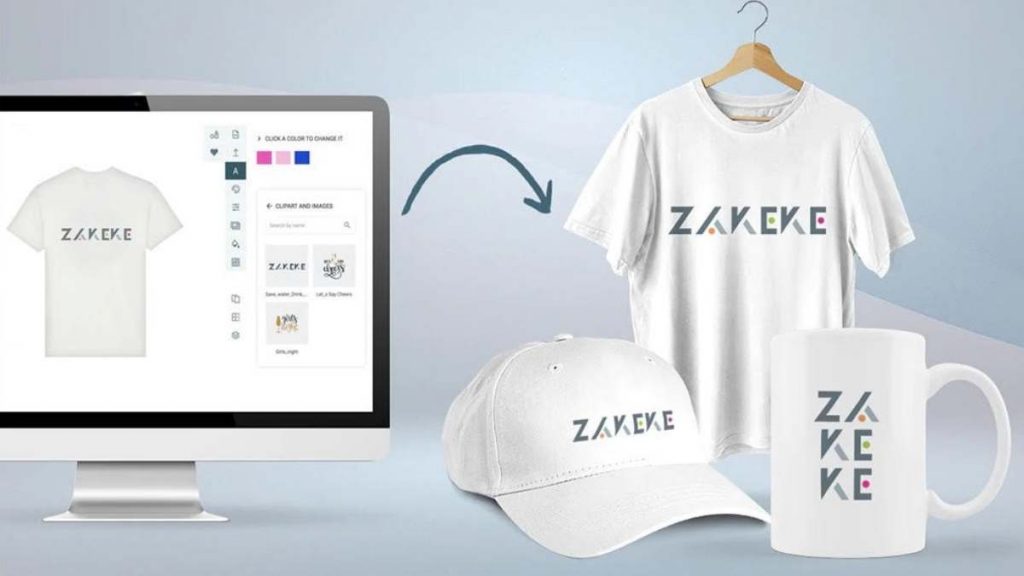
Customization has become a fundamental part of today’s market. Customers, no matter what industry you work in, are seeking hyper-personalized experiences, tailor-made for them. What supports this claim? The data speaks volumes. According to a study by Deloitte: Clearly, customization emerges as a powerful tool not just in enhancing customer experience but also in marketing and brand promotion strategies. Imagine selling products that are always customized and branded. Could custom brand products be a strategic move for businesses as well? Let us delve deeper into the realm of custom brand products and explore the benefits they can bring to your business, particularly in making your brand stand out and resonate more with your target audience. What Are The Most Common Custom Branded Promotional Products? As we mentioned, product customization is not just a winning strategy for customers. Customization in marketing can prove to be an optimal strategy, especially on certain occasions such as events and trade shows. Which custom brand products can make a difference, leaving a clear memory in the minds of your customers? These custom branded products are not only effective in creating lasting impressions but also in reinforcing your brand identity in the minds of your audience. 8 Benefits Of Personalized Promotional Items And Custom Products Diving deep into what really matters, let’s explore the true advantages of integrating custom branded products into your business. How exactly does offering product customization make a real difference in your operations and growth? 1. Stand Out from the Crowd Custom branded products are your ticket to shining in a saturated market. When you roll out unique, customized items, you’re not just selling a product; you’re crafting a unique identity that sets you miles apart from the competition, making your brand unforgettable. 2. Enhance the Customer Journey Tailoring products to match the interests and preferences of your customers does wonders for their experience with your brand. This level of personalization turns every interaction into something special, enriching their journey and deepening their connection with your brand. 3. Elevate Your Brand’s Image Adding that personalized touch transforms your offerings from standard to extraordinary. It’s about offering that bit of luxury, making your brand synonymous with quality and exclusivity in the minds of your customers. 4. Boost Customer Happiness There’s something inherently special about receiving something made just for you. This personal touch significantly elevates customer satisfaction, as they feel genuinely valued and understood by your brand. 5. Build Deeper Loyalty Personalized experiences create emotional ties between your customers and your brand. These connections are priceless, fostering loyalty that goes beyond the superficial, as customers keep coming back to a brand that truly impresses them. 6. Drive Sales and Conversions Making your products customizable isn’t just good vibes; it’s smart business. By aligning your products more closely with customer desires and making the Shopping Experience uniquely theirs, you’re likely to see a nice uptick in conversions and overall sales. 7. Encourage More Buys People are open to spending a bit more for that personal touch, whether it’s for personalized products or exclusive items. This readiness to invest more can significantly increase your average order value and, subsequently, your revenue. 8. Make Shopping Engaging Customization turns shopping from a chore into a delight. By giving customers the reins to personalize their products, you’re involving them in the creative process, making each purchase more than just a transaction – it becomes a memorable experience. How To Get Started With Custom Branded Products (And More!) After reading this article, you’re probably wondering how you can make all of this a reality. How do you sell custom branded products? How can you make your products customizable? If you’re thinking it requires a hefty investment, think again! All you need is the right software. No unsustainable initial investment, just careful consideration in choosing the best partner to dive into the world of customization. What should you look for? Look for software that’s easy to install and use, one that integrates seamlessly with your existing platforms and business processes. It should offer a wide range of features and flexibility, making the implementation not a nightmare but an enjoyable venture. Custom Items, Labels, Merchandise And More: Easy With Zakeke! Alright, we’ve got the perfect solution! Zakeke’s Visual Product Customizer is the ideal pick for any business looking to adopt the most user-friendly and efficient customization platform available today. With Zakeke, crafting custom branded products, packaging, and labels becomes as simple as a single click! What’s even better? Zakeke empowers your customers to design their own products right on your website in real-time by adding text, images, designs, and much more! It’s all about eliminating complications, leading to happier customers and smoother operations. Why choose Zakeke? The icing on the cake? You can start with Zakeke for FREE with a 14-day trial or schedule a quick demo to dive deeper with the help of our experts. Curious to ride the customization wave? It’s your turn!