

The AI Advertising Revolution: A Practical Guide for E-Commerce

Artificial intelligence implementation is changing the digital landscape. Multiple industries already benefit from AI, and advertisers want to be part of that revolution, too. From an advertising perspective, artificial intelligence could change how advertisers collect and process data to understand consumer behavior. It’s arguably the standout AI for e-commerce benefits. Optimizing operations and driving business growth is also easier when you have machine learning and AI automation to help you. Having said that, it’s important to realize that what looks great theoretically might not translate into practice. Let’s take a look at how practical artificial intelligence is in the context of personalization and how AI advertising is revolutionizing traditional adv marketing campaigns. How AI is changing advertising: AI in Ad Personalization Reaching the right audience is key if a business wishes to drive traffic and conversions. Instead of creating lackluster ads and targeting random audiences, brands ought to find a formula that speaks to the targeted demographic. For retargeting marketing, it’s easier because you already have enough insights on prior customer interactions with the website. On the other hand, if a brand wants to reach out to an entirely new audience, it will have to go beyond. The first step is to identify an audience. Brands are finding it harder and harder to utilize third-party data due to various regulations, which makes it harder to find potential leads. How Does AI Help Brands Find Data? This is where artificial intelligence comes into play. It’s sophisticated enough to provide a larger amount of useful data. Brands can then utilize data in their advertising campaigns. One instance of AI helping brands out is how it’s capable of scanning the internet and collecting information without breaking GDPR and other regulations. A human mind would struggle to look past the primary context in digital content. Or rather, trying to consider everything is simply not efficient. AI scans the web and considers not just the main page. It also scans specific phrases and keywords to determine what ticks the consumers. Moreover, AI for e-commerce advertising wouldn’t offer as much value if it worked only for a specific media channel. No, AI considers different media channels when collecting data. Businesses shouldn’t forget first-party data. Some users willingly share their details when subscribing to newsletters, for instance. It’s another piece of the puzzle that AI can and should utilize. How Does That Look in Practice? How To Use AI To Advertise? It’s easier to understand how AI helps when you look at practical examples. Here are two: Example #1 A local gym wants to attract new customers, but it doesn’t have access to people’s browsing history. AI could be used to scan the internet and social media, particularly looking for events related to sports. A marathon, an archery competition, a basketball match, and so on. Even people who interacted with a sporting goods store that advertised discounts on their Facebook or Instagram page could fit the profile of someone who might be interested in going to a gym. Example #2 An internet book store that specializes in the fantasy genre wants to grow its business. An interest in fantasy goes beyond books. Video games, board games, TV shows, movies, and animation have a fair amount of fantasy as a genre. AI could analyze trending fantasy topics and help the store push books that fit the trends. It could even help bookstores find new writers who shared their work online but never thought about becoming a published author. Ultimately, AI in e-commerce and advertising analyzes the context and segments specific bits depending on the territory, age, and other demographics. Ethical Considerations About AI Advertising As AI continues to make its presence grow in the digital world, there are more and more concerns about what it means from an ethical point of view. Not all consumers are against sharing personal data if it means a better ad experience, but this doesn’t apply to everyone. AI moves faster than humans; thus, harnessing data is ahead of upholding privacy rights. Regulators may not keep up with the advancements. Not to mention that different countries perceive personal data differently. Brands that take advantage of AI have the upper hand over consumers. Abusing the system to profit and ignoring the aftermath of what such practice could lead to sounds scary. Data protection shouldn’t be an afterthought, particularly when AI algorithms are capable of so much. Challenges and Limitations Despite the clear benefits artificial intelligence offers, it’s still far from perfect. Brands that plan to utilize AI advertising for e-commerce and can expect to face certain challenges and limitations. Besides ethical concerns, personal privacy, and overall cybersecurity, AI also presents limitations due to data biases. Valuable insights and automation are still a hit or miss, particularly when vast amounts of data are involved. Data biases lead to unfair targeting and inefficient ad campaigns. Relying entirely on AI is hardly a sound strategy. Until it’s perfect (and who knows when that’ll be), brands should still listen to customer feedback and minimize potential errors. Finally, either the AI itself or the tools used in tandem with it might be out of date, leaving one aspect of advertising behind. Still, advertisers will continue to look for ways to polish AI and benefit from it even more. The technology already proved its usefulness, and it’ll be interesting to see what it brings in the future. Laura Alexander E-Commerce Content Manager Laura Alexander is a freelance digital content manager and copywriter. Specializing in tech, ecommerce, and educational content, she had her work appear in publications like Omnikick, Pomodoneapp, Sortlist, and Price2Spy.
Building Trust Online: 3D Product Preview to Reduce Return Rates

Gaining the trust of consumers is paramount in the ever-changing landscape of online retail. Today, customers desire a shopping experience that is closely related to the tactile nature of in-store shopping, where items can be seen, touched, and felt before they are purchased. In order to meet this demand and improve the online shopping experience, businesses are increasingly implementing technologies such as 3D product preview, which has the potential to boost product confidence and reduce return rates, giving customers a real feel of what they’re purchasing. In this article, we’ll explore the benefits and implementation of 3D product previews in various industries, as well as their advantages. What is a 3D Product Preview? 3D product previews, as the name implies, are three-dimensional models of products that allow customers to interact with them through a realistic 3D visualization. They offer an immersive experience that goes beyond static images and simple videos. 3D rendering and 3D modeling techniques enable businesses to create lifelike product previews that can be rotated, zoomed in on, and examined from different perspectives by consumers. In recent years, 3D product preview technology has revolutionized online retail by bringing together digital and physical shopping experiences. Advantages of 3D Product Visualization Why 3D product previews can improve e-commerce Shopping Experience? Implementation in Various Industries 3D eCommerce has found application across a variety of industries, including fashion, furniture, automotive, jewelry, and many others. Fashion In the fashion industry, 3D product previews are transforming the way customers shop for clothing and accessories. Shoppers can examine every detail, such as fabric texture, stitching, and fit, providing a more realistic experience. Furniture When it comes to 3D furniture and Augmented Reality, customers have the opportunity to virtually arrange and visualize how items will appear in their homes. This helps in making informed decisions and reduces the risk of purchasing furniture that doesn’t quite fit or match the décor. Automotive Companies in the automotive industry are utilizing 3D previews to enable potential buyers to view vehicles in detail, including their exterior as well as their interiors, making it easier for customers to make a purchase decision. Jewelry It is becoming increasingly common for jewelry companies to offer 3D previews to customers so that they can better appreciate the intricate details of their products, such as gemstone settings and design elements. Tools and Platforms Supporting 3D Product Preview Features Implementing 3D product previews can be a complex endeavor, but there are tools and platforms available to simplify the process. One such tool is Zakeke, which offers a user-friendly solution for creating interactive and personalized shopping experiences with live product customization and high-quality 3D previews and visualization. Zakeke revolutionizes e-commerce by offering customers the ability to tailor products to their taste with advanced 3D, 2D, and Augmented Reality (AR) tools. From clothing and jewelry to furniture and more, personalization is made easy and interactive. Zakeke is a single platform that encompasses a complete suite of tools, from personalization to Virtual Try-On. It’s the ally you’ve been waiting for to enhance your product showcase and boost your e-commerce performance. With Zakeke, businesses can expect a significant uptick in sales and customer satisfaction, coupled with a decrease in return rates. It’s the modern solution for an engaging, confident online shopping experience. Conclusion Today, 3D previews have emerged as a transformative tool in online retail, offering multiple advantages, from boosting product confidence to reducing return rates. This technology is being embraced across various industries and is accessible to businesses of all sizes, making it a powerful asset in building trust with online shoppers and improving the overall e-commerce experience. Your FAQs Answered Implementing 3D product previews can vary in price depending on several factors, including the complexity of the product, the technology used, as well as the platform used. While there is an initial investment, the potential for increased sales and reduced return rates often outweighs the costs. 3D previews are interactive and allow users to manipulate and explore the product in a three-dimensional space. Alternatively, 360-degree product views provide a static view of a panoramic scene but lack the interactive features of 3D previews. Yes, small businesses can benefit from 3D previews. They provide an opportunity for smaller retailers to compete with larger counterparts by offering an enhanced online shopping experience. Several platforms and tools, including Zakeke, cater to businesses of all sizes. VEED VEED is an online video editing platform that empowers creators to transform their videos with ease. With a team of skilled developers and video editing enthusiasts, VEED is revolutionizing the way people edit and enhance their video content. Through a user-friendly interface and a comprehensive suite of editing tools, VEED enables users to add captivating effects, captions, subtitles, and images to their videos effortlessly.
From Cart to Doorstep: 5 Ways To Improve Online Shopping Journey

Imagine yourself embarking on a virtual shopping spree. Do product descriptions leave you feeling as if you’ve touched and felt the item? Can you track your purchase as easily as following footprints on a beach? Is the website’s design your guiding star, or a confusing maze? A seamless online experience can determine the success or failure of an e-commerce venture. Addressing challenges and implementing solutions can drive higher conversions and foster customer loyalty. Let’s explore 5 pivotal strategies that stand between an ordinary e-commerce experience and a memorable online shopping journey. #1. Tell the product’s story with detailed descriptions and genuine reviews The importance of comprehensive product descriptions Detailed product descriptions are a vital link between virtual shopping and the tactile experience of a brick-and-mortar store. Shoppers rely on these descriptions to gauge the utility and quality of an item. An accurate and vivid depiction can make the difference between a purchase and a passed opportunity. A well-detailed product description plays a crucial role in lowering cart abandonment rates. When shoppers feel informed and confident about their choices, they’re less likely to second-guess their decisions. Thus, clarity in product information can translate to completed transactions and increased sales. Integrate genuine user reviews Peer reviews wield significant influence over online purchase decisions. Potential buyers often turn to these testimonials to gauge the real-world performance and reliability of products. Authentic user feedback serves as a trusted voice, guiding uncertain shoppers towards making a purchase. Actively seeking and promoting user feedback is vital for e-commerce platforms. Authentic testimonials not only offer validation for potential buyers but also provide invaluable insights for businesses. An environment that welcomes and celebrates user experiences can foster trust and encourage future engagement. #2. Use the latest tools to estimate accurate delivery dates Why accurate delivery dates matter Accurate delivery dates are crucial in meeting the heightened expectations of today’s online shoppers. Timely and precise delivery information can instill confidence and loyalty in customers – a promise kept builds trust, which is the currency of the online retail world. Predictable delivery timelines play a key role in alleviating post-purchase anxiety. Customers who know when to expect their orders can plan accordingly, reducing uncertainty and dissatisfaction. Reliable delivery estimates can lead to a more relaxed and enjoyable shopping experience. Technological solutions for accurate estimations Real-time tracking is more than just a technological advancement – it’s an expectation. Offering customers the ability to monitor their packages in transit fosters a sense of control and transparency. It’s an element that enhances user satisfaction and cements the bond between brand and consumer. Providing varied delivery options caters to the diverse needs of the online shopping community. Whether it’s express delivery for last-minute gifts or eco-friendly choices for the environmentally conscious, options empower customers. Catering to individual preferences can set an e-commerce platform apart in a crowded marketplace. For businesses aiming to streamline deliveries, apps for optimizing delivery routes offer invaluable solutions to reduce transit times and improve overall efficiency. Finding the right app can transform logistics challenges into a systematized process, as evidenced by comprehensive user reviews and detailed pricing insights found in top-rated route planner apps. #3. Make your online shopping journey quick and seamless The significance of intuitive categorization Intuitive categorization of products aids in smoother discovery and exploration. A well-organized site encourages users to delve deeper, exploring more products and broadening their shopping horizons. The ease with which a user can navigate can significantly influence their overall shopping satisfaction. Efficient website navigation directly impacts bounce rates. Users who can quickly find what they’re looking for are more likely to stay and shop. Conversely, a clunky or confusing interface can drive potential customers away, taking their business elsewhere. Robust search functions and filters Robust search functions are indispensable for a seamless online shopping experience. When customers can swiftly locate desired items, it elevates their overall satisfaction and increases the likelihood of a purchase. A responsive search algorithm is therefore not a mere luxury, but a necessity. #4. Offer recommendations that resonate with each shopper Harness the power of machine learning Machine learning, with its predictive analysis capabilities, is revolutionizing the online shopping experience. Analyzing user behavior and preferences allows e-commerce platforms to present tailored product suggestions. Such personal touches enhance user experience, leading to prolonged engagement and increased sales. While personalization can enhance the user experience, there’s a fine line between being helpful and intrusive. E-commerce platforms must prioritize privacy and discretion, presenting suggestions without overwhelming or alienating the user. A delicate balance, when struck, can create a harmonious shopping environment. Benefits to both businesses and shoppers Personalized shopping suggestions have a direct impact on average order values. When shoppers encounter relevant product recommendations, they’re more likely to add additional items to their carts. Tailored suggestions can thus lead to greater sales and a boosted bottom line. Beyond immediate sales, personalized suggestions foster longer-term customer retention and engagement. Shoppers who feel understood and catered to are more likely to return and become loyal patrons. Cultivating such a relationship requires a blend of smart technology and genuine customer-centricity. #5. Ensure returns and exchanges are hassle-free Build trust through transparency Clear communication is at the heart of effective return and exchange policies. Shoppers should easily understand the process and terms, leaving no room for ambiguity. Straightforward and transparent policies can instill confidence, encouraging more individuals to shop with peace of mind. Easy eCommerce returns are a potent driver of repeat business. Shoppers who know they can effortlessly return unsatisfactory items are more likely to make purchases in the first place. This trust can lead to increased loyalty and subsequent sales, benefiting both parties. Best practices for a seamless return/exchange process Prepaid return labels simplify the return process for customers. Such a gesture demonstrates a brand’s commitment to customer satisfaction and reduces the hassle associated with returns. Alleviating potential return-related stressors can bolster business reputation and customer goodwill. The digital age demands digital solutions, especially in return and exchange processes. A streamlined, online
The Ultimate Shopify SEO Guide: Boost Your Store’s Traffic and Sales
Are you looking for a Shopify SEO guide to get more traffic and sales to your store? Shopify, one of the leading e-commerce platforms, has empowered countless entrepreneurs to launch their online stores. However, having a store is just the beginning. To truly succeed, it’s crucial to ensure your store is visible to potential customers. This is where Search Engine Optimization (SEO) comes into play. In this comprehensive guide, we’ll delve deep into the 7 essential steps of Shopify SEO and how you can optimize your store to rank higher on search engines. Let’s get started on the path to improving your Shopify store’s visibility and improve Search Engine Optimization. 1. Optimize Your Shopify Site Structure The foundation of effective SEO begins with a well-structured website. Your Shopify store’s structure plays a pivotal role in how search engines index and rank your pages. Consider these key elements: 2. Improve the User Experience A great user experience is not only important for your customers but also for SEO. Search engines consider user engagement as a ranking factor. Focus on: 3. Research the Right Target Keywords Keywords are the foundation of SEO. Thorough keyword research helps you understand what your potential customers are searching for. Here’s how to do it: 4. Optimize Your Shopify Product Pages Your product pages are the heart of your e-commerce business. Optimize them to improve their search engine visibility: 5. Build Links to Your Store Backlinks are crucial for SEO, as they signal to search engines that your site is reputable and valuable. Here’s how to build quality backlinks: 6. Rank Higher With Content Marketing 7. Use the Best Shopify SEO Apps and Tools Shopify offers a variety of apps and tools to simplify SEO and boost your rankings. Some popular options include: By following these seven crucial steps and utilizing the best Shopify SEO apps and tools, you can significantly enhance your online store’s visibility, attract more organic traffic, and ultimately boost your sales. Remember that SEO is an ongoing process, so keep monitoring your results and adapting your strategy as needed to stay ahead in the competitive e-commerce landscape. Josep Delafou Mayoral SEO Consultant for Ecommerce Josep is a passionate SEO Consultant specializing in the world of eCommerce. He is well-versed in SEO, Google Ads, Web Analytics, and creating online stores in partnership.
Creating Seamless E-Commerce Customer Journeys: Best Practices

Ever wondered what sets the e-commerce giants apart from the struggling contenders? In the world of online shopping, where choices are endless, and attention spans are fleeting, it all boils down to one vital factor: crafting seamless e-commerce customer journeys. Did you know that nearly three-quarters of consumers believe their experience’s quality is crucial to their loyalty to the brand? Yes, you heard that right — 73% of consumers swear by the influence of a good experience regarding their brand loyalties. Brands that excel in customer experience are reaping the rewards beyond measure. They’re not just staying ahead of the competition but leaving them in the dust, bringing in 5.7 times more revenue than those who falter in the customer experience race. In this fast-paced e-commerce universe, from the moment your potential customers click on your site, you hold the power to influence their perceptions and decisions. What e-commerce sellers should know about the customer journey? Get ready because we’re about to navigate the winding roads of e-commerce success, where seamless customer journeys reign supreme. Understanding the Importance of Customer Journeys Understanding customer journeys is vital in today’s business landscape. These digital pathways not only wield influence over brand loyalty but also act as drivers for revenue growth. Recognizing the Significance of E-Commerce Customer Journeys Customer Journey is a digital pathway that defines how customers interact with your brand, from the initial click to the final purchase. Every step from browsing to checkout is a crucial touchpoint that can make or break a sale. The importance of these journeys lies in their power to shape brand perceptions, drive conversions, and foster customer loyalty. By recognizing and optimizing e-commerce customer journeys, e-businesses can thrive in a competitive marketplace, building sales and lasting relationships with valued customers. E-Commerce Customer Journey Map: Key Concepts and Benefits Understanding and mapping the customer journey is a strategic imperative for e-commerce success. It’s like having a treasure map that leads to increased sales and customer satisfaction. So, what’s the map’s key? It’s all about knowing your customers’ touchpoints and preferences as they navigate your online store. Here are some key benefits of understanding and mapping e-commerce customer journeys: Research and Customer Insights Understanding your audience is the core of an effective e-commerce strategy. Research and customer insights pave the path to success, offering a deep dive into shopper behaviors, preferences, and personas. Let’s delve into the art of gathering, analyzing, and utilizing these invaluable data points for strategic, targeted approaches. Gathering Comprehensive Customer Data In e-commerce, knowledge is power and that knowledge starts with gathering comprehensive customer data. It’s like putting together the puzzle pieces, helping you understand your audience deeply. Customer data encompasses various aspects, from demographics to online behavior. To gather this treasure of information, you can employ tools like surveys, analytics, and even social media insights. These methods help you find who your customers are, what they like, and how they engage with your brand. Analyzing Customer Behavior and Preferences For every e-commerce business owner, understanding customers’ behavior and preferences is like having a roadmap to success. It’s all about observing how they interact with your website, what products they love, and what keeps them engaged. This data isn’t just numbers; it’s the key to tailoring your offerings to their desires. You can identify trends and patterns that reveal valuable insights by carefully examining the data gathered. You can discover which products are hot sellers and the times of day when customers are mostly active, etc. It’s the secret that keeps your e-commerce business ahead of the curve. Creating Customer Personas for Targeted Approaches Crafting customer personas is a game-changer in the realm of e-commerce. Think of them as detailed character sketches of your ideal customers. These personas are crafted from the data you’ve gathered, allowing you to understand your customers on a personal level. By creating these personas, you can visualize your customers’ needs, preferences, and pain points. This insight guides you in tailoring your marketing, product offerings, and customer interactions to align perfectly with what your customers want. It’s like having a personalized approach for each segment of your audience, ensuring that your e-commerce strategies hit the mark and resonate deeply with the people you aim to serve. Optimizing User Experience (UX) In the e-commerce landscape, the key to winning over customers lies in perfecting their experience. Enhancing user experience (UX) is a way that transforms casual visitors into loyal shoppers. Let’s delve into designing intuitive websites, improving navigation, and boosting performance for a seamless journey. Designing Intuitive and Mobile-Friendly Websites Your website is your storefront and it should be user-friendly. Simplicity should be the key while designing an e-commerce platform. An intuitive interface guides users effortlessly, ensuring they can find what they need without frustration. Moreover, in this era, a mobile-friendly website is a must for any brand. Your website should adapt seamlessly to various screen sizes like smartphones or laptops, providing the same excellent experience. These design principles enhance user satisfaction and boost conversion rates, making your e-commerce venture a more inviting and profitable destination for shoppers. Streamlining Navigation and Search Functionality The key to navigation in an e-commerce store is to ensure that visitors can effortlessly find what they’re looking for. You need to organize your site logically, with clear menus and categories. This ensures that customers can browse and discover products without getting lost in a digital maze. Additionally, search functionality plays a vital role. A robust search feature allows users to enter keywords and quickly pinpoint items of interest. By optimizing these aspects of your website, you create a hassle-free shopping experience that keeps customers engaged and satisfied, ultimately leading to higher conversions and success in the e-commerce arena. Enhancing Website Speed and Performance To sell online, speed is your secret weapon. Customers want websites that load quickly, and if they encounter delays, they may leave before making a purchase. Enhancing website speed and performance involves optimizing various elements, from image sizes to server response
6 Reasons Why You Need a Shopify FAQ Page on Your Store

Modern website development has a particular set of rules. One of such rules is the inclusion of certain pages. A clear home page, a blog, a contact page, etc., are something we usually find whenever we visit a Shopify store or another website unless it is a very specific site. One of the more overlooked elements is an FAQ page. Some brands might mix the frequently asked questions section with the “About” section. The latter is meant to tell the brand’s story, whereas a Shopify FAQ page functions as a knowledge base for specific details, such as brand policies (return and refunds, data collection, product specifications, delivery timeframes, and so on). Despite the fact that a fair few consumers expect an FAQ page, plenty of brands choose not to create one. Some of it is due to the lack of resources, and some is due to not knowing how much value having a FAQ page for Shopify store brings. To remove doubts and encourage more stores to work on a dedicated frequently asked question page, here are 6 reasons why such a page should be part of your website. 1. It Boosts SEO Let’s start with search engine optimization. Long-term SEO is one of the most important aspects of creating a thriving business. Google and other search engines value content that provides value to consumers. A Shopify FAQ page should offer well-written solutions. It is common to include long-tail keywords to emphasize specific parts of the content. However, over-optimization might lead to answers that feel like fluff content stuffed with keywords rather than something valuable to the website visitors. While it is reasonable and expected to do keyword research for your Shopify FAQ page, remember that the priority lies in providing quality answers. By focusing on detailed information, you will likely start ranking for keywords that you did not even research in advance, which is an added bonus for the efforts you put into tailoring your FAQ section on the website. 2. It Builds Brand Authority It is no secret that Shopify stores focus on sales. Making money is the ultimate goal. However, ecommerce is extremely competitive, and brands have to look for ways to establish their presence as much as possible. Building authority is one of the methods to stand out from others. A Shopify FAQ page comes in handy. Put yourself in the shoes of a customer. If you are looking for an answer to a question, it is safe to assume that you will seek someone you trust. Giving answers on an FAQ page for Shopify works as a means to establish authority. Customers visit this website section because they expect to find answers. And when they do, the trust in the brand grows. If other Shopify stores in your niche have lackluster FAQ pages or are missing them completely, you gain an edge by distinguishing your website from them with the help of a well-curated Shopify FAQ page. 3. It Generates Content Ideas An FAQ page also offers opportunities to generate content ideas for your blog. The page in itself could be an excellent source to provide readers value, but if your Shopify store has a blog, you might want to expand on some pieces from the FAQ page. As you continue to collect feedback from customers and expand your store, the introduction of fresh questions and answers will come with that. Cluttering your Shopify FAQ page with endless walls of text might not be the best approach because it is meant to give relatively short answers. Shoppers who visit an FAQ page expect to find an answer quickly so they can move on with the purchase. Rather than burdening them with overabundant information, offer a button to redirect them to a blog post or another source that expands on the information in question. 4. It Saves Shoppers Time New shoppers usually take a while to get accustomed to a store they are navigating through. Whenever a problem comes up, they have two options: The first option does not appeal to everyone. Some people have had negative experiences with customer support in the past, mostly due to how long it takes to get a response. They come with a prejudice that getting in touch with support is a waste of time. Looking for answers themselves sounds like a better strategy. A detailed FAQ section that provides the information encourages consumer autonomy. They do not have to worry about dealing with customer support. 5. It Takes the Pressure Off of Customer Support Continuing with the point about how a Shopify FAQ page helps customers, a similar thing can be said about customer support reps. FAQ pages enable customers a direct way to seek information to solve problems, which means that customer support reps do not have as much workload. During busy periods, such as holidays or sales, the website traffic usually grows, and it results in extra tasks for a customer support department that might already be struggling to keep up with all the queries. Customer support reps can also redirect customers directly to the FAQ page or use it themselves as a knowledge database in case they do not have certain details memorized. 6. It Improves Sales With all that has been said, it leads to the fact that a Shopify FAQ page ultimately boosts conversion rates and sales. Organic traffic from optimized content stumbles upon a website and finds a solution to the problem. Visitors, in general, use the FAQ section as a reference to find a solution so they can complete the transaction instead of abandoning their shopping cart. Conclusion To sum it all up, a Shopify FAQ page brings multiple benefits, so it would be a waste not to create such a section on your website. Both new and regular shoppers can rely on the page to find the information, and so can customer support reps.They can even download the page in a PDF format and use it as a reference for
Zakeke Secures €2 Million in Landmark Investment Round
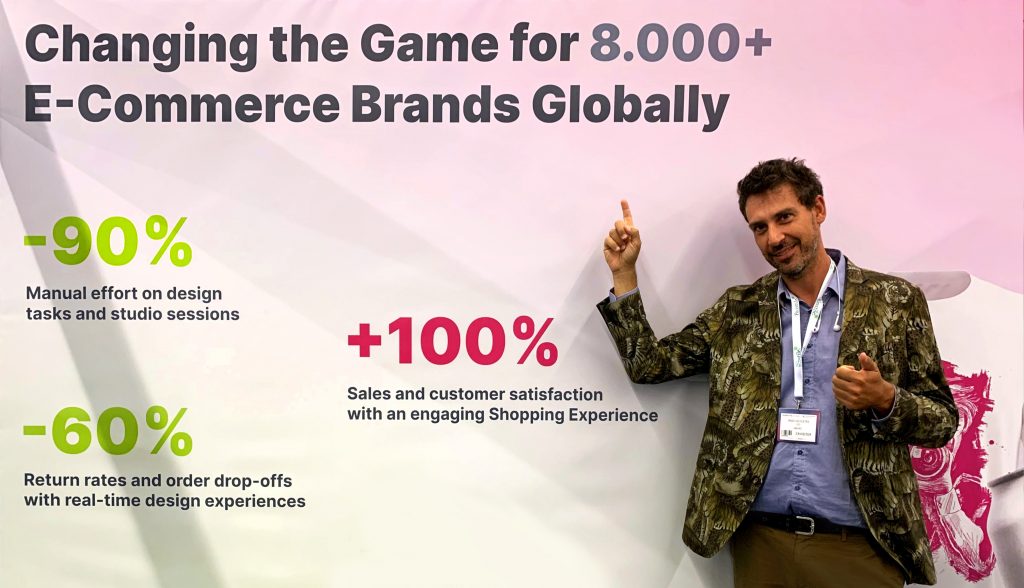
Zakeke’s Key SAFE Funding Round: Berrier Capital Fund Steps in as Lead Investor, Stefano Venturi – former Hewlett Packard Enterprise Italy and Cisco Systems Italy executive – Onboards as a Board Member Milan, October 13, 2023 – Zakeke, the world-leading SaaS company in the Visual Commerce landscape, offering brands advanced tools like live product personalization, superior 3D visualization, Augmented Reality, and Virtual Try-On, has successfully finalized a €2 million SAFE (Simple Agreement for Future Equity) investment round, championed by the esteemed Private Equity Fund Berrier Capital, driving forward Zakeke’s ambitions for expansive global growth. The SAFE (Simple Agreement for Future Equity) financing approach, popular in Silicon Valley, offers investors a glimpse into potential equity without delving into immediate valuation complexities. The use of a large-scale SAFE agreement marks a significant shift in the Italian investment landscape, given its limited prevalence in the country. Leading this pivotal round is Berrier Capital, an esteemed investment firm with a focus on unlisted innovative companies. With a commitment to a meticulously diversified portfolio, Berrier Capital selects its investments from a vast array of potential proprietary deals each year, ensuring each meets their rigorous standards after thorough due diligence processes. Taking the lead in this strategic alliance is Alberto Craici, Equity and Founding Partner of Berrier Capital. “We have been increasingly investing in Italian companies with a strong preference for innovation, managers with a proven track record, easily scalable business model, global presence in the relevant market niche and high export propensity, alongside a compelling growth strategy. I’m happy to say that Zakeke, with its disruptive potential, meets all our investment requirements.” says Craici, manifesting his excitement about the investment. This new investment round for Zakeke brings another significant update: the esteemed Stefano Venturi, currently serving as the President of Cefriel, and formerly the CEO of both Hewlett Packard Enterprise Italy and Cisco Systems Italy, has taken a seat on Zakeke’s Board of Directors. His commitment underscores the startup’s remarkable growth trajectory, a claim further substantiated by robust metrics, including an expansive portfolio of over 8.000 clients globally and an impressive growth rate of 98% in the past year. “I am pleased to contribute my three decades of experience as a CEO in American big corporates to an Italian startup that has a global presence and considers the US one of its main target markets. I believe that the blend of expertise and innovation can lead to significant success and encourage continuous ambitious growth.” Stefano Venturi remarks, sharing his thoughts on his new role within Zakeke’s Board of Directors. Angelo Coletta, CEO & Founder of Zakeke, expresses his deep enthusiasm for the recent milestone achieved, stating: “I am immensely pleased with securing new capital for Zakeke in this SAFE investment round, a valuable instrument still underutilized for startups like ours in Italy. Additionally, I am honored and thrilled to have a distinguished professional like Stefano Venturi on board, who, with his standing personality and deep expertise, can assist Zakeke in our ongoing growth process.” With the closing of this significant investment round, Zakeke sets its sights on continued global growth, setting even more ambitious goals for the upcoming months. The company aims to establish itself as the foremost Visual Commerce platform across the globe, catering to brands of all scales and providing a comprehensive array of Visual Commerce solutions on a singular, all-inclusive platform. Regarding this transaction, Zakeke was advised by Lawyers Alessandro and Valentina Casella from the Casella & Associati Law Firm; Berrier Capital was represented by Lawyer Carlo Scaglioni from the Greenberg Traurig Santa Maria Law Firm. About Zakeke Founded in 2017, Zakeke is a cloud-based Visual AI-Commerce Platform born to empower e-commerce and retailers with live product customization, advanced 3D visualization, immersive Augmented Reality and Virtual Try-On. Zakeke’s comprehensive suite seamlessly integrates with any eCommerce platform or brand’s back-end, enhancing the shopping experience and boosting conversions, while streamlining operations. Serving over 8,000 global customers across more than 400 sectors in over 130 countries, Zakeke is a versatile solution for various industries including technology, fashion, printing, luxury, and more. For more information, please visit Zakeke.com About Berrier Capital Founded in 2005, Berrier Capital is a preeminent investment firm spotlighting unlisted Italian SMEs with global aspirations. Focusing on entities with turnovers between 5 and 40 million Euros, Berrier Capital approach emphasizes stringent deal selection and thorough a rigorous due diligence process. Committed to propelling global niche leaders, fostering innovation, Berrier Capital’s expertise is wide-ranging. With 7 companies in their portfolio spanning diverse sectors, Berrier Capital stands as a linchpin for ventures seeking international acclaim. For more information, please visit Berriercapital.com
Ecommerce Customer Value: Complete Guide to Lifetime Value

Running an online store requires constant monitoring of various metrics to explore the tendencies, fix all the issues promptly, and keep the business afloat. For example, everyone is used to the need to perform eCommerce website CRO audits. Among other most commonly tracked eCommerce KPIs are average order value, customer acquisition cost, retention rate, etc. The list of these metrics should be determined by each business separately, depending on their individual needs. Yet, no enterprise should overlook the customer lifetime value (CLV) metric. It is vital for building a long-term strategy in an ecommerce business. Understanding CLV helps in controlling acquisition costs, impacting revenue, and measuring customer value and business growth. This article explains all the benefits of measuring CLV and provides a complete guide and tips on doing so. Customer Lifetime Value Defined Customer lifetime value indicates a customer’s worth to a business over time. Every single transaction a customer makes on your website is taken into consideration, from their very first purchase all the way up to their most current purchase. Client lifetime value is inextricably related to customer satisfaction. Simply said, you know you have a pleased consumer who is a part of a loyal user base if they are eager to come back to your store or services and make further purchases. Understanding and targeting your most valuable customers can significantly enhance your CLV, as these customers bring long-term value to your business. Implementing customer loyalty programs and providing excellent customer service are key factors in improving the lifetime value of these valuable customers. In most cases, a lifetime value can be considered good if it offsets your customer acquisition expense. If you can reach a CLV that is between three and five times your cost per new client, it is an excellent figure. How to Calculate Customer Lifetime Value in Ecommerce? How to Calculate Customer Lifetime Value in Ecommerce? There are several ways of calculating Customer Lifetime Value in ecommerce. We’ll focus on the standard one: Customer Lifetime Value = Customer Value x Average Customer Lifespan*.* This is often referred to as the customer lifetime value formula. The CLV result is the amount of money you anticipate a typical client will spend with you over the course of their relationship. Let’s figure out how to calculate customer lifetime value. To apply the formula, you need to know that Customer Value = Average Purchase Value x Average Number of Purchases. To count Average Purchase Value, divide total revenue by the number of orders. Another element of the CLV formula is the Average Customer Lifespan. Count it the following way: Average Customer Lifespan = Sum of Customer Lifespans / Number of Customers. Taking all these formulas into consideration, we should calculate CLV like this: Other Metrics to Track To have the full picture, consider tracking more metrics, for instance: To learn the figure, divide the total number of purchases by the total number of distinct consumers that made purchases during that time. Why Monitor and Improve CLV in Ecommerce? Gaining a better understanding of your customer lifetime value in ecommerce can help you run your e-business more efficiently in a number of key aspects. By focusing on strategies to increase customer lifetime, you can maximize the value that each customer brings to your store over their entire relationship with your business. You may use it to identify areas that need development. Here are several other ways you can benefit from tracking CLV: Increasing Revenue Working to pump up CLV is like giving your customers the VIP treatment. You can jazz up your products, pricing, and even loyalty programs. Plus, with a clear idea of a customer’s total value, you can be on point with your upselling and cross-selling game. Improve Loyalty and Retention The strategies you employ to raise CLV can improve customer experience through enhancing items, pricing, referrals, and loyalty programs. Apart from that, knowing the value of a customer over their lifetime enables businesses to tailor their upselling and cross-selling strategies. This can significantly boost average order values. Targeting the Right Audience Knowing your customers’ CLV lets you fine-tune your marketing. Instead of shouting in a crowded room, you can have a one-on-one chat with your best customers. It’s all about getting cozy with the folks who matter most. Reduce Customer Acquisition Costs Continuously chasing new customers can be costly and exhausting. By focusing on increasing CLV through existing customers, you can cut down on the amount spent to acquire a new customer and instead capitalize on the ones you already have. Better Allocation of Financial Resources By keeping an eye on CLV, businesses can identify where their money is best spent. Rather than splurging on every campaign that comes your way, you can channel your resources towards your high-rolling CLV customers. Improve Products and Services Customers with a higher CLV are often more engaged and provide valuable feedback. This feedback can be gold, helping businesses refine their offerings. By catering to the needs and wants of the most loyal customers, you can ensure that your products and services don’t just meet the mark but consistently exceed expectations. How to Improve Customer Lifetime Value in Ecommerce Stores If you’re having difficulties encouraging your consumers to spend more money on your website, try these practices: Launch Customer Loyalty Program Recurring clients will lower your marketing expenses and increase your CLV. Offering a little discount to loyal clients can seem counterintuitive, but the money you’ll end up saving will make up for it. Loyalty programs demonstrate your care by providing presents and awards for returning consumers. To promote upsells and cross-sells, you may provide various incentives, such as points, gift cards, discounts, cash back, and free goods. Upsell and Cross-Sell Upselling is a technique used to convince customers to buy an item’s more expensive or upgraded version. To increase sales, these goods are frequently more pricey. It is used to sell to customers who have previously made a purchaseInstead of a new consumer. Cross-selling and upselling
Creating Scarcity: How to Use NFTs for Limited-Edition Ecommerce Products
The digital age has made it easy to copy things endlessly, shaking up the traditional idea of scarcity. Non-Fungible Tokens (NFTs) have brought back the appeal of limited editions by combining digital exclusivity with real-world value. This blend has opened up new ecommerce opportunities, shaping a fresh narrative around exclusivity and authenticity. Are you ready to learn about the future of retail? Download our free “Retailer’s Guide to the Metaverse, NFTs, and Web3” ebook to learn how to leverage the power of NFTs and Metaverse in your business. The Power of Limited Editions in Marketing Limited editions have historically been a potent marketing tool. By limiting supply, brands can drive demand, create a sense of urgency, and build a community of enthusiasts. The idea of using limited editions in marketing started in the publishing world and has since spread to sectors like fashion, cars, and cosmetics. For instance, in 2011, Dolce & Gabbana’s limited edition Animalier Bronzer attracted over 65% of new customers to the brand. Similarly, the same year, Chevrolet’s limited-edition collaboration with Hot Wheels led to over five million media impressions for the Camaro (Source). More recently, Heinz and Absolut collaborated to create a limited-edition product that soared in popularity this year. This unconventional pairing of ketchup and vodka brands struck a chord with consumers by invoking nostalgia and offering a unique, collectible item. The campaign, which blended the aesthetics of both brands, became a sensation (Source). NFTs Defined: More than Just Digital Art NFTs, or Non-Fungible Tokens, are unique digital assets verified using blockchain technology. Think of an NFT as a certificate of authenticity and ownership for an individual item in the digital world. Like a signed first-edition book or a numbered print of a painting, each NFT is unique and can’t be swapped for something else. It’s stored on the blockchain, like a public record book, ensuring everyone knows who owns that digital item. Unlike a regular dollar bill or a digital song file that can be exchanged one-to-one, NFTs represent ownership of unique items or assets. Each NFT is distinct and cannot be exchanged one-to-one with any other token. Initially popularized by digital art, NFTs have expanded to represent a wide range of unique assets and experiences in the digital world, opening new avenues for ownership, transaction, and value creation. They present a robust framework for delineating and verifying digital limited-edition releases. The Appeal of Limited Editions in Ecommerce Limited editions in ecommerce create exclusivity and urgency, appealing to consumers’ desire for unique items. Leveraging limited editions in ecommerce comes down to: Strategies for Integrating NFTs as Limited-Edition Products NFTs use blockchain to set a fixed number of items (the supply), making them exclusive and rare. Many brands now resort to NFTs to offer unique limited-edition products, from valuable collectibles to exclusive community access. Once minted, the supply of these NFTs cannot be altered, ensuring the exclusivity and scarcity of the limited-edition product. In the following section, we’ll delve into compelling case studies that showcase the innovative use of NFTs in various industries. Case Studies: Successful NFT Limited Edition Launches Marketing and Promoting NFT Limited Editions Promoting NFT limited editions requires mixing classic marketing methods with new digital approaches. Social media, community interaction, and NFT sales platforms are key in increasing visibility and demand for the product. These channels work together to spread the word and create a sense of urgency and exclusivity, encouraging more people to get involved. The authenticity assured by blockchain verification becomes a significant selling argument, enhancing the brand’s trustworthiness in the eyes of modern consumers. Are you ready to learn about the future of retail? Download our free “Retailer’s Guide to the Metaverse, NFTs, and Web3” ebook to learn how to leverage the power of NFTs and Metaverse in your business. DVRS DVRS is a pioneering Web3 studio, guiding brands on their blockchain journey. With a team of seasoned blockchain engineers and crypto-native experts, they create immersive experiences and build digital communities, setting new standards in the Web3 space.
9 Proven eCommerce Link Building Strategies

Building links to your products and categories isn’t always easy. Brands would seldom want to promote others unless it’s mutually beneficial. Even then, opportunities to do so are scarce. It’s why eCommerce is one of the more challenging verticals to build links to. However, this doesn’t mean it’s impossible. If you’ve exhausted all your old link-building strategies but are still seeing a backlink drought, keep reading. This article is a playbook with proven eCommerce link-building strategies you can draw from to enable your site to climb search engine results ranks. Why Links Are Important for eCommerce Site Backlinks directly impact your bottom line in many ways. For instance, it builds your authority. The more authoritative search engines deem your site, the more visitors you’ll attract to your online store. Links are important for your eCommerce for a host of other reasons, too: According to recent link building statistics, only 2.2% of online content is able to acquire multiple backlinks. You need fresh tactics to stand out from the severely competitive backlinking landscape. Top eCommerce Link Building Tactics How effective the eCommerce link building strategies below are for you will vary. It’s best to try each out before settling on one to see which moves you closer to your objectives effectively. 1. Visit HARO Help a Reporter Out (HARO) is a platform that connects you with journalists looking for the next product they can feature. Typically, businesses send these products to the publication for testing and review. HARO provides an excellent opportunity for exposure from credible news sites and publications. Hence, it doesn’t only drive traffic but also builds trust among potential customers who see your brand in respected media outlets. For instance, suppose you sell bedside lamps. Getting featured in an article that compiles the best bedside lamps of the year allows you to leverage the publication’s audience, attracting new customers to your eCommerce. 2. Pitch product reviews If HARO opportunities are scarce or you want more control over the review process, consider contacting journalists or bloggers who have previously covered topics related to your product category or have reviewed your competitors. More often than not, publications run yearly reviews of top products so you can pitch your product to be included. Product reviews offer social proof and detailed insights into your offerings. 3. Create infographics and shareable assets Infographics and visual assets enhance your content and serve as linkable assets that others may use in their articles or blog posts. When they do, they’ll link to your website as the source. The strategy is especially helpful if you build links through image-sharing platforms like Pinterest. 4. Launch digital PR campaigns Digital PR involves creating newsworthy stories or events related to your eCommerce business and pitching them to online publications and news outlets. By generating buzz and publicity, you can attract high-authority backlinks. Besides backlinks, it also enhances your brand’s visibility and credibility. A ripple effect happens when news outlets cover your story. It spreads online, leading to more mentions, shares, and links. It’s a strategy even big industry players follow. For instance, Logitech wrote a press release announcing the launch of their latest mouse product. This created a buzz around the brand, attracting reporters to spread the news further. 5. Run discounts Discounts tailored to specific sectors or audiences allow you to attract highly credible sources. Not all discounts are alike, either. Identify niche websites, forums, or communities related to your products and provide exclusive discounts to their members or readers. In return, these websites often mention your discounts and link to your site. 6. Try affiliate marketing An affiliate marketing program allows other website owners or influencers in your niche to promote your products in exchange for a commission per sale. These affiliates often create content or reviews that link to your eCommerce site. Take a cue from Amazon Affiliates, one of the most popular types of these programs. It helps drive sales and generates natural backlinks as affiliates promote products through their websites, blogs, or social media channels. 7. Practice brand monitoring Brand monitoring differs from social monitoring in that the latter only focuses on brand mentions on social media platforms; brand monitoring encompasses the entire internet and other channels. When you identify websites, blogs, or social media posts that reference your brand without providing a link, reach out to them and kindly request a link to your eCommerce site. This strategy not only reclaims unlinked mentions but also enhances your link profile. Searching for your eCommerce brand name that doesn’t have links to your website is easier than you think. You’ll need to use the quotes and dash search operators. The quotes tells Google to search for the specific phrase, while the dash instructs the search engine to find results that do not mention a certain keyword or phrase. A search for your eCommerce brand without a link shows you a list of websites you can reach out to and build links from. 8. Conduct broken-link building Broken links can impact search engine ranking, so it’s important to keep each page updated. Monitor which product pages become unavailable on competitor websites and offer your equivalent products as alternatives to website owners. This strategy helps fix broken links on other sites and earns you valuable backlinks in return. 9. Perform competitor monitoring Regularly check where more than one competitor is mentioned in articles, blog posts, or industry roundups. For instance, if you sell crystals, input the name of the name of your competitors with the quotes search operator. This will show you what your competitors have been up to and where they’ve been featured. Reach out to these sources and pitch your brand to be included in the conversation alongside your competitors. Building Quality Links for Your eCommerce Site It’s impossible to overstate how important backlinks are to your website. As tricky as it is to receive links to your eCommerce, the e-commerce link building strategies mentioned above reveal that it’s a challenge you can overcome. Ultimately,