

How to build a winning NFT Loyalty Program for your e-commerce

In today’s vibrant digital landscape, businesses constantly seek innovative ways to engage customers and foster loyalty. One such groundbreaking innovation that has been making waves recently is the use of Non-Fungible Tokens (NFTs) in loyalty programs. This article delves into the concept of NFT loyalty programs, their benefits, and how they can revolutionize customer retention strategies. Are you ready to learn about the future of retail? Download our free “Retailer’s Guide to the Metaverse, NFTs, and Web3” ebook to learn how to leverage the power of NFTs and Metaverse in your business. Introducing NFTs Non-Fungible Tokens, or NFTs, are unique digital assets stored on a blockchain. Unlike traditional tokens or cryptocurrencies, NFTs are unique and cannot be exchanged on a like-for-like basis. This uniqueness makes NFTs ideal for proving ownership in the digital world. The rise of NFTs has opened up a world of possibilities for businesses to engage with their customers in a more personalized and meaningful way. By offering unique digital assets as rewards, businesses can create membership programs that are more engaging, secure, and easily verifiable. With NFTs, gamification mechanics can be leveraged based on rarity and tiers levels. Evolution of Loyalty Programs Loyalty programs have been a staple in customer retention strategies for decades. They have evolved from simple punch cards and point systems to digital apps and membership clubs. However, traditional loyalty programs often face challenges such as low redemption rates, lack of personalization, and difficulty measuring program effectiveness. These programs often fail to create a sense of exclusivity or offer rewards that genuinely resonate with customers. NFT-based loyalty programs offer a novel approach to customer retention. The transparency and traceability of blockchain technology make it easier to measure the effectiveness of loyalty programs. Customers can easily track and redeem rewards, leading to higher redemption rates. Furthermore, NFTs can be designed to reflect the customer’s preferences, enhancing the personalization of the rewards. The potential of NFT loyalty programs extends beyond mere customer retention. NFTs can also be a powerful marketing tool, allowing businesses to create unique campaigns and promotions to drive customer engagement and increase brand awareness. The Web3 Studio DVRS At DVRS, we believes that on-chain loyalty programs can give brands a unique opportunity to grow a highly engaged community, analyze customer interactions, get detailed analyses of user personas, and track their on-chain behavior. This level of insight and engagement is unparalleled in traditional loyalty programs, making NFT loyalty programs a game-changer in customer retention strategies. Industries Benefiting from NFT Loyalty Programs and Their Challenges NFT loyalty programs are versatile and can be implemented across various industries. Here are a few sectors that could particularly benefit: However, implementing NFTs in loyalty programs is not without challenges: NFT Loyalty programs examples As the concept of NFT loyalty programs continues to gain traction, several forward-thinking brands have already started to explore this new frontier. One such brand is Starbucks, which has embraced this technology with its ‘Starbucks Odyssey’ program. Starbucks Odyssey is a special loyalty program that offers customers unique NFT “stamps” as rewards, which can be used for exclusive benefits within their digital community. This not only enhances customer engagement but also creates a unique digital experience for customers. Since its launch, Starbucks Odyssey has seen significant success. The program has attracted many participants, with its first NFTs generating a total trading volume of over $1.8 million. This success demonstrates the potential of NFT loyalty programs and how they can be used to create a unique and engaging customer experience. Designing an NFT Loyalty Program When designing an NFT loyalty program, businesses should consider the following: Remember, the design of your NFT loyalty program should be a strategic decision that aligns with your overall business objectives and customer engagement goals. In conclusion, NFT loyalty programs offer a promising new approach to customer retention, allowing businesses to offer unique, personalized rewards that can enhance customer loyalty and engagement. In the future, NFTs could be integrated with existing loyalty systems, allowing businesses to leverage their current infrastructure while offering a new type of reward. Are you ready to learn about the future of retail? Download our free “Retailer’s Guide to the Metaverse, NFTs, and Web3” ebook to learn how to leverage the power of NFTs and Metaverse in your business. DVRS DVRS is a pioneering Web3 studio, guiding brands on their blockchain journey. With a team of seasoned blockchain engineers and crypto-native experts, they create immersive experiences and build digital communities, setting new standards in the Web3 space.
Zakeke confirmed a Leader for the third time in a row with 9 badges in G2 Summer 2023 Reports
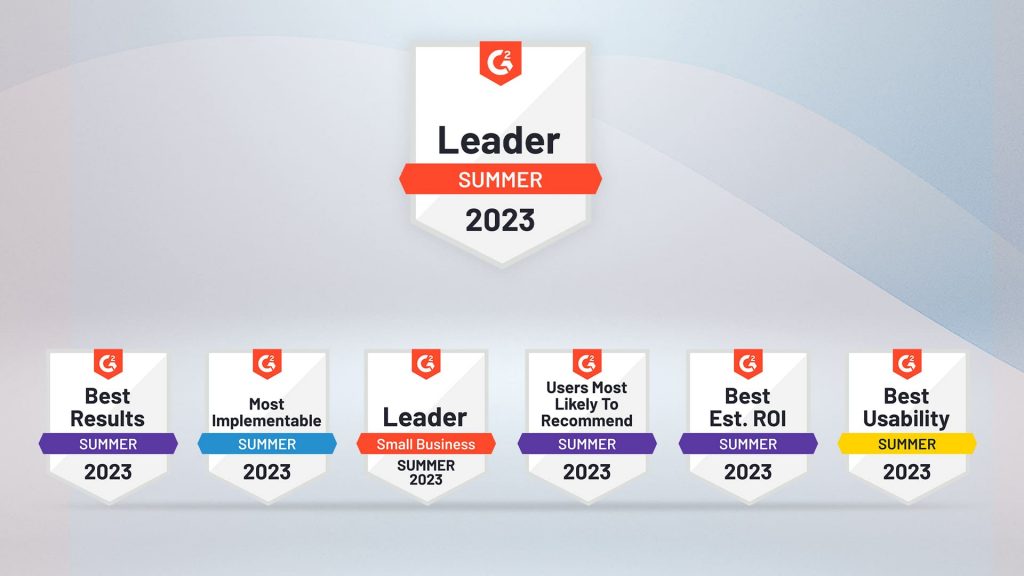
We’re excited to share that the G2 Summer 2023 Reports have finally been released, and Zakeke has been confirmed – for the 3rd time in a row – as a Leader in the Visual Customization Category, earning a total of 9 badges. Our journey to this impressive milestone wouldn’t have been possible without our fantastic customers. Their support and insightful reviews have been crucial! That’s why we’re always working to make our platform more powerful for them. Let’s delve into the details of the G2 Summer 2023 Reports and the awards received by Zakeke. Overall Visual Product Customization Software Leader Zakeke has been confirmed as a Leader in the Grid® Report for Visual Product Customization. Visual Product Customization software, such as Zakeke, supercharges e-commerce businesses. By empowering these businesses with the magic of Visual Commerce in 2D, 3D, and Augmented Reality, they can significantly enhance their Customer Experience and drive stronger results. Also, Zakeke’s cloud-based platform stands out as a Leader in the “Small Business” category. Every day, we’re here to support startups and small businesses, helping them skyrocket their growth through innovation and automation. Best Results, Easiest Implementation and Best Usability Zakeke has received additional badges in the Visual Product Customization category: Zakeke stands out as the quickest and most user-friendly Visual Product Customization software, designed for both merchants and consumers. Its Plug&Play integration makes it a breeze to incorporate into any eCommerce platform. What’s more, Zakeke invites customers to experience the tool with a 14-day free trial. Plus, you can also schedule a free demo with a pro to get a deeper understanding of how the platform works. Not only Visual Product Customization Zakeke has not only received badges in the Visual Product Customization category. We’ve been recognized as a High Performer software in the Grid® Report for Visual Configuration and in the Grid® Report for AR Visualization. We’re happy to see you here! While you read this content, feel free to give a look at Zakeke, the Visual Commerce platform that will take your store to the next level.
10+1 Must-Try ChatGPT Prompts To Streamline Your E-Commerce Workflow

In today’s fast-paced e-commerce landscape, streamlining workflows and standing out from the competition are crucial for success. That’s where ChatGPT steps in, offering a cutting-edge solution to boost productivity and engage customers like never before. To unlock the full potential of ChatGPT, selecting the right prompts that align with your e-commerce goals is essential. Get ready to revolutionize your operations and take your store to new heights with our handpicked collection of 10+1 must-try ChatGPT prompts for e-commerce. Get the PDF file straight to your inbox! What will you find in this PDF? Here you can find 10+1 prompts to copy and paste as input for ChatGPT to boost your e-commerce results. Curious about what these prompts can deliver? Get ready for a sneak peek…
How to implement eCommerce SEO strategies for effective Link Building
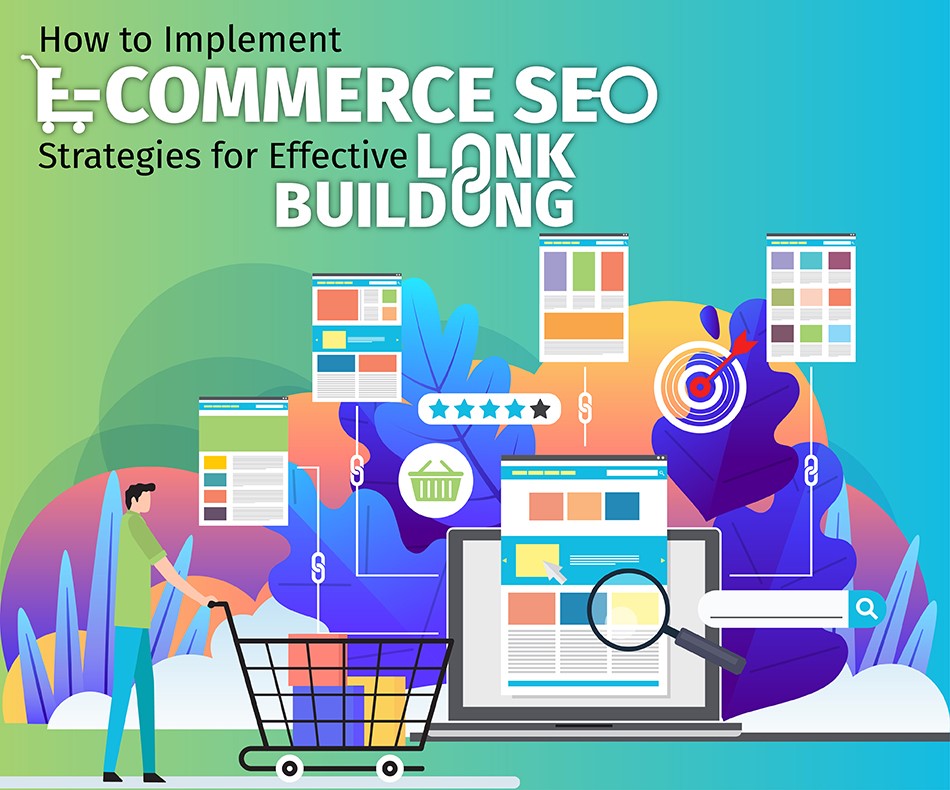
In the ever-expanding world of e-commerce, search engine optimization (SEO) is vital in driving organic traffic and increasing online visibility. Among the various SEO strategies, link building is a powerful technique that can significantly enhance the rankings of an e-commerce website in search engine results pages (SERPs). This article provides a comprehensive guide on implementing ecommerce SEO strategies for effective link building. Understand the basics of ecommerce SEO A user-friendly website structure ensures visitors can easily navigate and find the information they seek. A well-organized website structure enhances the user experience and encourages visitors to stay longer, reducing bounce rates and increasing the chances of conversions. Clear and intuitive menus, categories, and subcategories must be created to make it simple for people to traverse the website. Internal linking connects relevant pages within the website, allowing search engines to discover and index them more effectively and helping users find related information. A slow-loading website frustrates users and leads to higher bounce rates. Additionally, search engines prioritize websites with fast loading times in their rankings. Optimizing site speed is crucial for providing a positive user experience and improving SEO performance. Website owners can employ various techniques to improve loading times, such as optimizing images and media files, minimizing HTTP requests, enabling browser caching, using content delivery networks (CDNs), and choosing a reliable hosting provider. Identify target keywords for the e-commerce website Regarding the best SEO strategies for ecommerce websites, identifying target keywords is of utmost importance. The search terms and phrases that potential buyers use while shopping for goods or services online are target keywords. You may improve your chances of showing in pertinent search results and attracting qualified organic visitors to your e-commerce website by optimizing your website for these keywords. Finding and using the appropriate keywords will enable you to: Optimizing your website for target keywords helps search engines understand the relevance and intent of your content. Consequently, your chances of appearing higher on search engine results pages (SERPs) are increased. By targeting keywords closely related to your products or services, Visitors who are more likely to be interested in what you offer are drawn to you. This raises the possibility of getting them to become clients. Targeting specific keywords aligns your content with user intent. When users find the information they are searching for, they are more likely to have a positive experience on your website, increasing the chances of engagement and boosting the conversion rate. Conduct research to identify the keywords that your competitors are targeting. This can be done by analyzing their website content, meta tags, and page titles. Tools like SEMrush and Ahrefs can provide valuable data on competitor keywords and their search rankings. Stay current with your industry’s latest trends and developments. Monitor industry forums, social media platforms, and news websites to identify emerging keywords and topics. This helps you align your SEO strategy with market demands and customer interests. Create high-quality content for Link Building High-quality content serves as the foundation for successful link-building. Produce compelling, informative, and shareable content that resonates with your target audience. This could include blog posts, product guides, infographics, videos, etc. Creating valuable content increases the likelihood of other websites linking to your ecommerce site, boosting its authority and search engine rankings. Implement On-Page optimization techniques When it comes to SEO ecommerce strategies, individual web pages can be optimized for on-page optimization to increase their exposure in search engine results. Ensure your e-commerce website is properly optimized by optimizing title tags, meta descriptions, headings, URLs, and image alt tags. Incorporate your target keywords naturally throughout the content while maintaining a user-friendly experience. Strategies for effective Link Building in ecommerce Guest blogging is a valuable strategy for building backlinks and establishing your brand as an authority in the industry. Identify reputable industry blogs or publications that accept guest contributions and offer to write high-quality, informative articles related to your niche. In your author bio or within the content itself, include a link back to your ecommerce website. This helps with link acquisition and exposes your brand to a broader audience. Influencers and bloggers often have a significant online following and can help drive traffic to your e-commerce website through link placements. Identify influencers and bloggers in your niche and contact them for collaboration opportunities. In return for an unbiased review or feature on their website and a backlink to your product page or homepage, please provide them with complimentary goods or services. This strategy can generate valuable backlinks and increase brand exposure. Informative, unique, and engaging content has a higher chance of attracting backlinks. Invest in creating valuable content such as guides, tutorials, industry reports, or infographics relevant to your target audience. Providing high-quality content increases the likelihood of other websites linking to it as a valuable resource. Promote your content through social media channels, email marketing, and outreach to industry influencers, encouraging them to share and link to your content. Optimize product pages for Link Building Product pages are crucial for ecommerce websites – optimizing them for link building can significantly impact your search engine rankings and visibility. When other websites link to your product pages, it signals their relevance and value, leading to improved organic traffic and conversions. Here are some key steps for optimizing product pages for link building: 1. Creating Unique and Informative Product Descriptions Craft compelling, unique, and informative product descriptions that provide value to your customers. Avoid using generic manufacturer descriptions and write your own to differentiate your products from competitors. Incorporate relevant keywords naturally and provide detailed information about the product’s features, benefits, and usage. Well-written and engaging product descriptions increase the chances of other websites linking to your product pages. 2. Utilizing User-Generated Content and Customer Reviews User-generated content (UGC) and customer reviews are decisive social proofs that can enhance the credibility and trustworthiness of your product pages. Encourage customers to leave reviews and ratings on your website and showcase them prominently on your product pages. Positive reviews can influence potential
Revolutionizing Manufacturing Sales: the power of CPQ software for Manufacturing
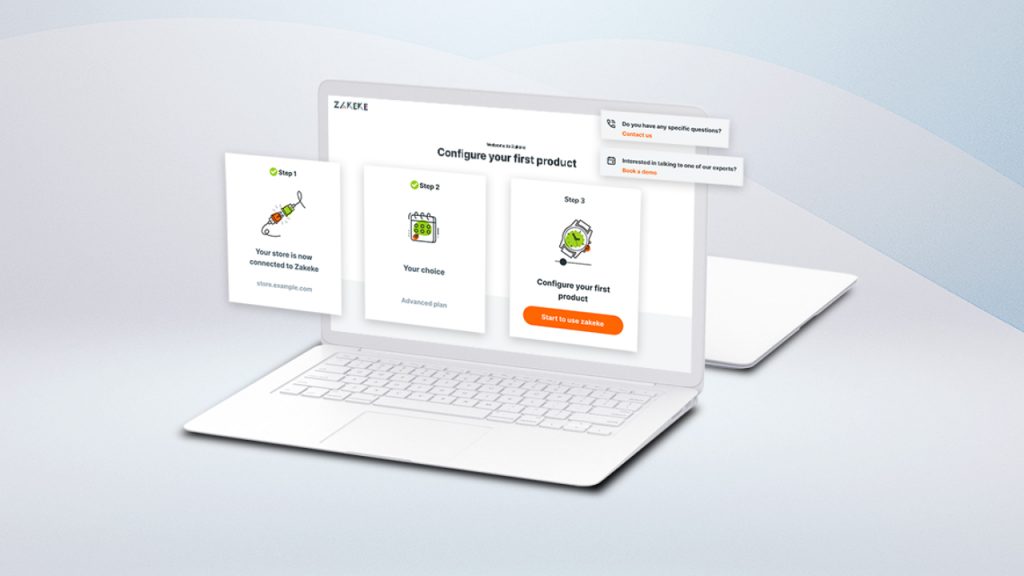
CPQ software (Configure, Price, Quote) is a powerful tool used by manufacturers to create accurate quotes quickly. It helps streamline the quoting process and reduce errors. The product configurator examples allow customers to customize their products based on specific needs and requirements. So what is CPQ software for manufacturing? The best product configurator tools and product configurator software for CPQ allow companies to generate accurate quotes for their customers while saving time and money doing so. What is CPQ software? CPQ software is a specialized sales tool that streamlines the quoting process for sales teams. It helps companies create accurate, compliant quotes by automating the end-to-end sales process and enables users to configure complex products and services with precision. This use of automation also helps reduce errors in pricing and terms quotes, ensuring that all components are compliant with company policies. The key features of CPQ software include: Integrating CPQ software for manufacturing with existing ERP systems can help streamline business processes even further by enabling data sharing between departments such as Sales, Accounting, and Shipping & Receiving. This allows for greater visibility into overall operations. This integration also ensures accurate data transfer from one system to another which eliminates manual entry errors and reduces time spent on administrative tasks such as creating invoices or tracking orders in multiple systems. By leveraging these features of CPQ Software companies can improve their quoting efficiency resulting in shorter sales cycles and increased revenue opportunities. CPQ for Manufacturing: Configure, Price, Quote At its core, this software provides an intuitive interface that allows users to configure detailed CPQ products with multiple options and pricing structures. It also offers features (such as guided selling tools) to provide helpful recommendations based on customer preferences and feedback. CPQ software also provides built-in analytics capabilities so businesses can better understand their sales data. This includes insights into customer buying patterns as well as what types of products are most popular or profitable. With this information, companies can make informed decisions about pricing strategies or product features that will help them maximize profits while staying competitive in the market. Finally, CPQ software is designed to integrate seamlessly with existing business systems such as CRM platforms or ERP systems so all sales data is stored in one place and accessible from anywhere at any time. By leveraging the power of CPQ technology businesses can reduce costs while increasing productivity and efficiency across their entire organization. Benefits of CPQ software for Manufacturers CPQ software is an invaluable tool for manufacturing businesses. It can streamline the entire sales process from initial customer contact to product delivery. Here are some key benefits of CPQ software for manufacturers: By automating the configuration and pricing of complex products, CPQ software eliminates the need for manual calculations which can often be time-consuming and prone to mistakes. It can be integrated with other systems such as ERP and CRM solutions to provide real-time pricing information which further reduces the likelihood of errors. CPQ software enables manufacturers to quickly respond to customer requests with accurate quotes. This helps build trust with customers by demonstrating a commitment to meeting their needs promptly. CPQ software can help improve margins on sales by providing detailed cost breakdowns that allow manufacturers to adjust prices accordingly. This ensures they can maximize profits while still providing competitive pricing that meets customer demand. CPQ software provides insights into customer buying behavior which allows manufacturers to make informed decisions about future product offerings and promotions. How to choose the right Manufacturing CPQ Software? When selecting the right manufacturing CPQ software, scalability, and customization options are key considerations. It is important to select a solution that can grow with your organization, so you don’t have to start from scratch when expanding or changing your product line. The ideal manufacturing CPQ software should also be highly customizable, allowing you to tailor the system to meet your specific needs and preferences. Integration Capabilities Look for a solution that easily integrates with existing systems and applications within your organization, such as ERP or CRM systems. This will save time and money by avoiding manual data entry and ensuring accuracy across all departments. User-Friendliness A user-friendly interface makes it easier for employees to quickly access the data they need without having to be trained in complex processes or commands. Additionally, look for a solution that offers comprehensive training resources so employees can learn how to use the system effectively and efficiently. Pricing and ROI Analysis Be sure to compare features, costs, and potential return on investment before making a decision. By doing this analysis upfront, you can ensure that you get the most value out of your investment in manufacturing CPQ software! Visual CPQ for Product Configuration: Zakeke Here at Zakeke, we’re designing state-of-the-art product configuration tools. Through the use of powerful, visual CPQ software, your team can manage requests and complex projects for configured products, ensuring both efficiency and accuracy. Our Product Configuration tool allows you to manage complex design rules and integrates a visual CPQ software to receive requests from even the most demanding clients. Try us free today or book a demo to learn more!
3D printed products: applications and use cases
3D printing is a relatively new technology that allows the creation of three-dimensional objects from digital models by building up layers of printable material. In recent years, it’s become a real game-changing technology and is poised to revolutionize industries around the globe from manufacturing to pharmaceuticals. While the concept of 3D printing has been around since the 1980s, it’s only become a practical endeavor in recent years. With the advent of more affordable 3D printers and software that makes the process more accessible, the technology can now be utilized by individuals, small businesses, and sprawling enterprises. 3D printing has opened up new, unprecedented possibilities in terms of product design, prototyping, and production, making it a valuable tool in industries such as aerospace, automotive manufacturing, healthcare, architecture, and many others. Let’s find out what are the best-selling 3D printed products for sale today! Applications of 3D printed products 3D printing technology can be used in virtually every industry around the globe, and companies are finding new and innovative ways to utilize 3D printed materials all the time. Here are just a few examples of notable applications of 3D printed products: Advantages and benefits of 3D printing The advantages of 3D printing are manifold. First and foremost, 3D printing technology allows for the creation of highly customized and intricate objects that would be difficult or impossible to produce with traditional manufacturing processes. With a 3D printer, it’s possible to produce complex geometries, including interlocking parts and moving mechanisms. Additionally, 3D printer files can be easily shared and modified, enabling collaboration and innovation across a diverse range of industries. Currently, 3D printers are being used in the healthcare industry to produce customized prosthetics, medical implants, and even human tissue and organs. This has the potential to revolutionize healthcare by allowing for personalized medicine and reducing reliance on traditional donor-based transplants. In truth, the benefits and applications of 3D printed goods are still being discovered and evolving, and because of this, 3D printing promises to be an exciting and powerful technology for the future. Future trends and innovations in 3D printing 3D printer software has come a long way in recent years, and the future of 3D printing looks promising, with exciting trends and innovations on the horizon: Overall, the future of 3D printing looks bright, with new applications, innovations, and trends developing all the time. What are some good 3D printer projects or 3D printing ideas to sell? Some common 3D printer projects and ideas include customized phone cases, jewelry, home decor and toys. Have you ever thought “How to sell 3d printed products” or “How to get started with product customization in my e-commerce”? This is where Zakeke comes into play! It enables users to create customizable products with an easy-to-use design tool that allows users to personalize products in real-time and see a 3D preview of them. To begin, all you have to do is set up an account and integrate the Zakeke plugin within your e-Commerce platform. Next, configure your products to enable customization options (like text, images, colors, etc.). You can then design your product templates using the Zakeke design tool, and customers can use the tool to create their own unique designs. Ready to take your business to the next level? Try out Zakeke for 14 days.
Top 10 Major Printing Industry Trends in 2024
Have you ever thought about how a newspaper is made? Have you ever received something in the mail and ooh’d and ah’d over the way it was packaged and labelled? You can thank the commercial print industry for nearly all of that. To provide a brief printing industry overview, there are several ways to achieve a high-quality print job in 2023, but the main two are analog and digital: While digital printing is a popular choice for the individual, it is also growing in popularity with commercial clients as quality, speed, and output increase. Let’s find out what are the main printing industry trends this year. Some print trends you need to know Every industry is influenced by new technologies and the printing industry is no different. As innovation in the printing industry evolves, key trends have emerged. The digital printing trends of 2022 foretold are not going away any time soon. In fact, digital printing is likely to increase well into the future of printing industry practices. Consumers are also demanding environmentally-friendly practices and products from their vendors, so eco-conscious printing is on the rise as well. Web-to-print continues to be a popular option for consumers, as does product personalization. New printing technology 2023 has introduced will influence the future of print industry practices. It’s important to keep a thumb on the pulse of industry ebb and flow, especially in the commercial printing industry. Experts predict that analog printing will continue to see a decline in 2023 as digital printing grows in popularity – manufacturers that are not prepared to adjust may very well be left behind. Top 10 new Print Industry trends Here are the main printing industry trends to take into account in the next few years: Eco-conscious printing Forbes reported that over 60% of survey respondents gravitate towards businesses that are committed to reducing plastics and improving the environment. The print industry generates billions of tons of paper each year and manufacturers that can prove they are committed to limiting their environmental footprint are predicted to win more market share. 3D Printing 3D printers are the latest technology printing machines. While the two industries are not in direct competition with each other, 3D printing creates opportunities for printing industry hopefuls to capture a new market corner and expand their product offering. 3D printing has already made its way into the medical industry as well as the manufacturing industry. Printing industry statistics indicate that the 3D printing market size is expected to grow by nearly 25% by 2029, reaching an estimated value of 83.90 billion dollars. Digital printing Digital printing is quickly outpacing analog, however, it’s not totally replacing it. Analog printing is expected to have a growth rate of 0.8% by 2027. In comparison, the digital printing market is expected to grow by 5.7% and reach an estimated value of 189.8 billion by 2027. Digital printing quality is growing as well and can now break into the textile printing industry. Gen Z joins the Workforce Gen Z is growing up and in need of employment. As many baby boomers retire and are replaced by the younger generation, new management strategies will unfold to accommodate Gen Z as they join the dominant working generations. A 2022 study by Deloitte found that Gen Z employees are most concerned about the cost of living, closely followed by climate change, unemployment, mental health, and sexual harassment. The study also noted that Gen Z employees push their employers to address climate impact as well as work-life balance. Printing House consolidation Industry consolidation is common, especially as many in the economy look ahead at the warning signs of a recession. Many commercial printers are expanding their offerings in an attempt to expand their customer bases and break into more profitable market segments such as packaging and label-printing. Special effects and finishings Speciality papers and finishes are gaining popularity in printing industry trends due to the elegance and elevated appearance of the final product. Speciality products like this are especially popular for weddings or galas to communicate the importance of the event. In-person celebrations are back on the rise after COVID, and it’s predicted that physical prints such as invitations are also expected to return. Print On Demand Print-on-demand is one of the latest and fastest-growing digital printing trends. A collection of print-on-demand industry statistics predicts that the POD industry will reach $39.87 billion by 2030. In 2021, it was valued at 4.91 billion dollars. That is indicative of explosive growth. Print-on-demand is ideal for short runs of prints. It is also ideal for truly one-of-a-kind products. Market analysis for printing businesses has found that e-commerce has significantly impacted the growth of print-on-demand as well as web-to-print services. Augmented Reality Augmented Reality may be making a big appearance in 2023, not just in digital content, but in physical print. Augmented Reality is already present in many digital print options. This technology powers exceptional product personalization by allowing the customer to visualize exactly what their finished product will look like in real life. However, AR can also be used to add digital content, such as videos and interactive features, to print pieces. A QR code could lead consumers to additional product information, links to purchase, or informative videos. Web-to-print With web-to-print systems, consumers can access an online storefront provided by a printing company. Through the interface, customers can select products, customize them, and then ship them anywhere. Web to print is anticipated to grow market share by over 5% by 2028. Product Personalization Product personalization continues to reign supreme in the printing industry. The latest trends in printing technology have made it quick, easy, and enjoyable to design custom products and ship them to your home or business. How to get started with Web-to-Print Product Customization If you’re looking for the latest technologies to follow these printing industry trends, Zakeke is the best ally for your business. Zekeke Visual Product Customizer is a digital tool available online with a free trial that allows
May 2023 Release Notes

Get ready to revolutionize your eCommerce game with Zakeke’s latest feature: NFT-Enhanced Products! Also a unique and valuable feature that allows online store customers to upload files that are larger than 50MB and up to 1GB while you receive print-ready files for large-format products and Pre-set configurations for products
The Future of Footwear: How AR Shoes are Revolutionizing the Industry
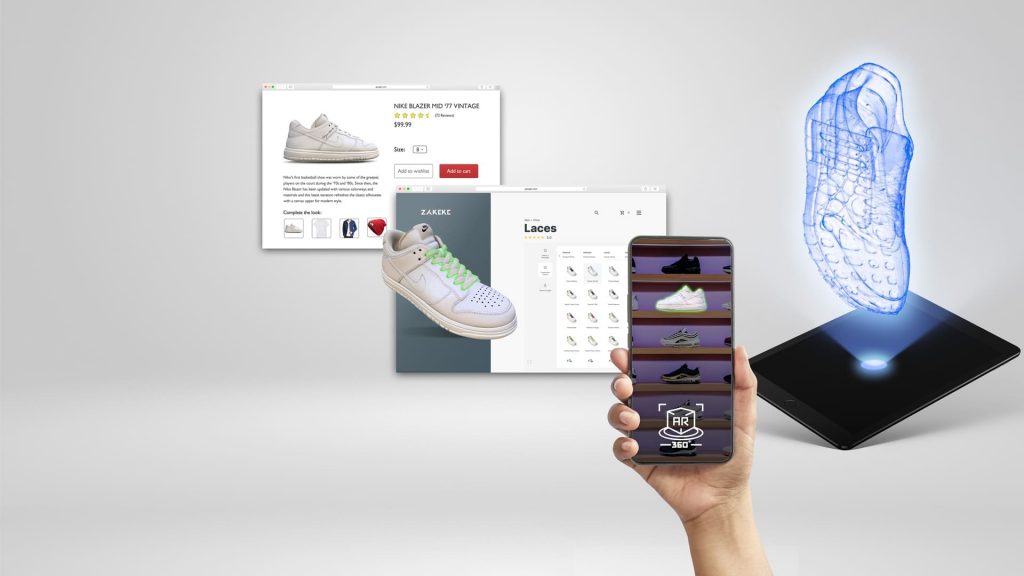
Augmented Reality (AR) is a type of technology that combines the real and virtual worlds using techniques to superimpose computer-generated images into a real-world environment. AR technology and the future of footwear go hand in hand through improved shopping experiences allowing customers to try on shoes virtually. Adopting AR technology is enhancing the shopping experience through AR shoes try-on options and immersive AR advertising campaigns. Increasing customer engagement and touchpoints promotes brand recognition, customer loyalty, and the potential for increased revenue. How Augmented Reality for shoes works? Unlike virtual reality, the technology that transports users into virtual worlds, Augmented Reality overlays virtual things into the physical world. In the shoe industry, AR technology is being used in several ways, including design, production, marketing, customization, and customer experience. AR shoes are presented to customers through an interactive shopping experience, overlaying shoes into the physical world to view and ar try-on shoes before making a purchase. AR shoes shopping involves interactive 3D images that seamlessly combine computer-generated elements and a real-world view in real time. An AR shoes try-on may also include accurate sizing capabilities. For example, Nike AR try-on features include AR measuring tools that measure a customer’s feet down to the millimeter. Advantages of using AR for shoes Implementing AR technology in the shoe industry results in several significant advantages. Applications of AR Shoes Augmented Reality in the shoe industry is not a passing trend; it is significantly transforming the industry from manufacturing to purchase points. One of the many applications of AR shoes is in the fashion and retail space. Virtual try-on shoes appeal to almost any shopper shopping for shoes for fashion or fitness. Sports and fitness applications for AR are seen through proper fitting techniques to improve athletic performance. Some examples of companies already using AR Shoes Several popular shoe companies already use augmented reality technology to elevate customer experience, promote products using engaging marketing strategies and provide customization options. For example, Nike offers virtual try-on shoes through Nike Fit, an AR-powered app where customers can scan their feet and receive a recommended shoe size. Other companies using AR in the shoe industry include Adidas, New Balance, Puma, and Under Armour. Through a recently launched virtual try-on, Amazon customers can use AR technology to try on shoes before purchasing them. Amazon shoppers frequently purchase, try on and return clothing items. However, AR technology has the potential to significantly decrease the number of returns when using try-on features for shoes. Future of Augmented Reality shoes: what’s next for e-commerce? AR shopping is a game-changer for e-commerce. AR virtual try-on capabilities for shoes expand market reach, particularly for people who prefer to shop online. Shoe reselling platforms like GOAT now use AR technology. Through ar try on shoes GOAT customers can even try on rare, collectible shoes, creating a fun, interactive experience for shoe lovers. Serving all mobile customers they offer a GOAT tryon feature for Android and iOS users. Shoe brands jumping into the AR aspect of shoe marketing and e-commerce can explore AR shoes try-on GitHub projects allowing users access to AR try-on technology. The potential for AR use in shoes, fashion, and many other industries is just getting started. There is an increasing demand and acceptance of advanced technology like AR. It offers cost-effective, engaging marketing and shopping experiences available in stores and online, enhancing customer experience and increasing the potential for sales. Industries, including eyewear, cosmetics, manufacturing, education, and real estate, are a sample of business industries and sectors that can benefit from augmented reality. How to get started with AR in shoe commerce: Zakeke AR is transforming the shoe industry through interactive marketing and shopping experiences. Shoe brands need to adopt AR technology to gain a competitive advantage. How to get started? This is where Zakeke steps in. Zakeke is a user-friendly platform providing companies with AR technology. Zakeke allows businesses to implement virtual try-on experiences for their customers using 360-degree product views. Custom branding creates a consistent look and feels, increasing brand recognition and helping establish customer loyalty. Zakeke seamlessly integrates with most leading e-commerce platforms, including Shopify, Magento, Etsy, Wix, and many more. Ready to take your business to the next level with the power of Visual Commerce? Contact us today to learn more, or try our 14-day free trial to test it yourself.
Zakeke at Fespa Global Print Expo 23: Leading the Visual Commerce Revolution in Printing
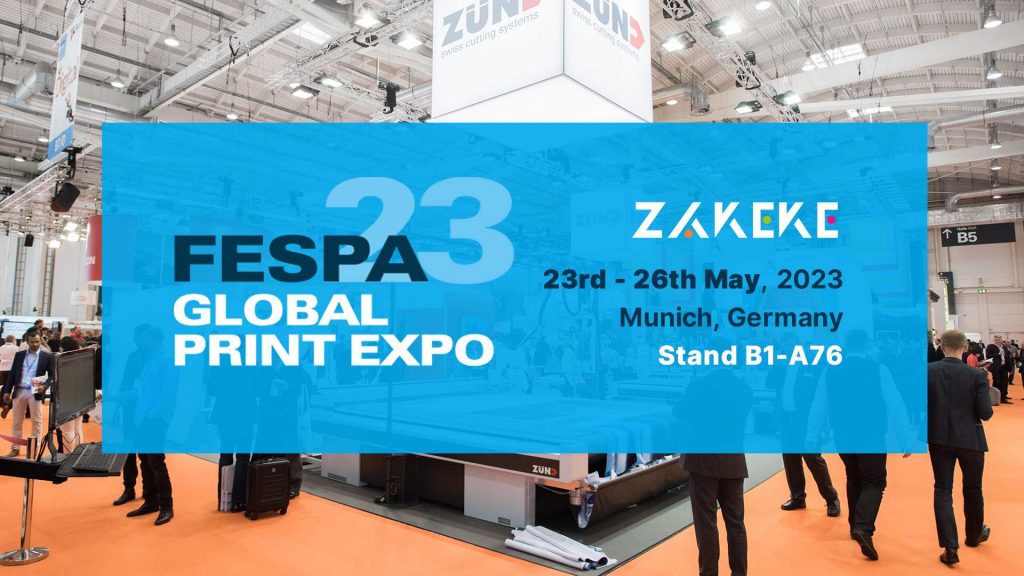
The print industry’s biggest event of the year is just around the corner, and we couldn’t be more excited to be part of it! We are delighted to announce Zakeke’s participation in FESPA Global Print Expo 2023, Europe’s leading exhibition in the printing world, taking place in Munich from May 23 to 26, 2023. In today’s modern printing industry, printing houses rely on software solutions to thrive in a highly competitive landscape. From connecting with customers online to streamlining production operations, automating processes, and enhancing machine efficiency, we could say that cutting-edge software like Zakeke has become a crucial component for achieving success. This is why our team of Visual Commerce experts will be in Munich, ready to showcase all the game-changing innovations that Zakeke’s Visual Commerce Platform is bringing to the printing world, from optimizing internal processes and reducing returns to boosting sales. That’s not all! We are thrilled to announce that our CEO, Angelo Coletta, will be taking the stage for the engaging session “In conversation with the Tech Experts”, hosted by the conference chair Richard Askam, on May 25th from 15:00 to 15:30. Angelo will delve into the magic of personalization in the printing world, sharing valuable insights and experiences with other Visual Commerce experts. If you have the opportunity to attend the event in Munich, we cordially invite you to visit our stand and experience firsthand the power of Zakeke. Our experts will be waiting to guide you through our innovative solutions and show you how Zakeke can transform your printing business. Empowering Print Businesses: Embracing the Visual Commerce Revolution with Zakeke As we’ve already said, in the rapidly evolving printing industry, the importance of cutting-edge software cannot be overstated. With numerous Visual Commerce software options available, you may wonder, why Zakeke? Here’s how Zakeke can drive incremental value for printing operations: Beyond Printing Companies… The All-in-One Technological Partner for Printing Providers In today’s printing industry, cutting-edge software solutions are crucial not only for printing companies but also for printing providers. When seeking a solution, printing companies require more than just software. They need an all-in-one platform that seamlessly integrates with their existing tools, which enables them to manage the printing process and all the operations leading up to it, including taking their business online, collecting orders, managing customized orders, and more. This is where Zakeke comes into play! Zakeke can be the perfect technological partner for printing providers and printing machine manufacturers. It offers a comprehensive tool that complements printing software and machinery. First of all, it is a web-to-print solution that allows printing companies to establish an online presence. In addition, it covers areas like pre-press management, printing workflow streamlining, order collection and creation, generating print-ready files, and managing different printing techniques. The best is that, as a cloud-based platform, Zakeke provides easy integration and operation, making it a preferred choice over traditional software solutions. Zakeke serves as a sales channel for machine manufacturers, addressing customer pain points and gathering software requests. By partnering with Zakeke, printing providers can expand their offerings, enhance operational efficiency, and deliver outstanding Customer Experiences. In other words, embracing Zakeke unlocks new opportunities for growth and enables providers to thrive in today’s digital era.