

June 2022 Release Notes

Zakeke, the leading cloud-based visual commerce platform that allows anyone to easily customize and configure products online, at their retail location, and everywhere in between, today announced a major new product update to its platform. The company is releasing a New Sales Channels Update.
How Product Configurations Affect Customer Satisfaction & Purchase Intention

According to Econsultancy, customers want to see the product, feel it, establish an emotional connection, and eliminate doubts before purchasing. And that’s where 3D product configuration comes in. In this comprehensive guide, we’ll introduce you to 3D product configuration and explain how it’s changing the face of e-commerce. Let’s dive in! What Is a Product Configurator? In e-commerce, a product configurator is an interactive software that lets online users customize a product based on certain available configuration options and characteristics, such as size, color, texture, and more. In other words, a product configurator visualizes the product based on the customer’s real-time configurations to help them have an accurate image of their desired product. What Is 3D Product Configuration? Have you ever visited an e-commerce website that allowed you to customize a product—changing its size, color, finish, and other factors to suit your taste? That’s a 3D product configurator in action. If you haven’t yet, chances are you’ll encounter one soon, as this e-commerce trend is gaining traction by the day. 3D configuration allows users to customize the appearance of a product at will. All you need is a few taps, and the product will behave accordingly. How does this help shoppers? 3D product configuration allows consumers to view the product from different sides and angles, assess every aspect of the product in detail without leaving their couch, and finally choose a product that perfectly resonates with their style, taste, and preferences. This way, product configuration allows customers to see how your product looks, acts and feels. Shoppers can zoom, spin, and rotate the product in a 3D environment, which gives them a personal connection with the product. The results? Your customers get a more personalized shopping experience while businesses enjoy more sales and few returns, creating a win-win situation for all. Why are Companies Increasingly Investing in 3D Product Configurators? As mentioned, product configuration is an e-commerce trend that is here to stay. But why are companies investing in 3D configurators? These stats reveal it all. Read on to learn how a 3D product configurator works and how it can benefit your business. How Does 3D Configuration Work? 3D configuration is achieved through 3D configurators—software programs that create high-fidelity 3D renderings of the items in your store. 3D configurators integrate seamlessly into your app or website without overloading your system with too much tech. Your 3D configurator usually fulfills two core functions: For example. A customer may want to buy a hiking show but has no idea what kind of footwear will endure a rough or mountainous terrain. Once they land on your website, they’ll likely check customer testimonials and browse through the various hiking shoes you have on offer. This will give them an idea of what they want, but the photos will likely not be enough to help them decide on the right hiking show to buy. And this is where a product configurator comes in. Your configurator will display the different shoes and inspire them to check out variations of that footwear. The customer can check the shoes inside out from 360 degrees, interact with them, and make an informed buying decision. They can even customize the product. Using the configurator, they can check out the shoe sizes, styles, colors, and materials—and even combine them to create a personalized pair that matches their style and needs. 3D Product Configuration Use Cases Forward-thinking companies have been using 3D product configurators to increase customer engagement and satisfaction. The results? Increased sales, fewer returns, and more loyal customers. Here are some examples of brands that have taken product configuration to the next level with 3D and AR. 1. Wayfair Wayfair is the perfect example of companies reaping big from product customization. The company is seeing around $6 billion in annual revenue, and for a good reason; product visualization. The company has consistently changed the way consumers shop for furniture. They leverage 3D visuals, 2D content, and cutting-edge augmented reality experiences to provide shoppers with a wealth of product information required to make an informed buying decision. 2. NAU Nau, an Italian online retailer for stylish eyewear, is another brand leveraging product visualization to the core. The company, with more than 100 stores around the country, thanks to its 3D renderings and Virtual Try-On gives shoppers an excellent and interactive customer experience. The company allows users to “try before they buy” with digital try-on applications and detailed 3D imagery. 3. Armani The Fashion Giant started an ambitious project last year: bringing 3D product configuration online and in-store. Thanks to this techology, Armani is letting customers create their own version of some of the most trendy bags they’re offering around the world. User can customize everything, from the color of the bag, to engraved initials and more. How Product Configurations Can Benefit Your Business Implementing 3D product configurations can benefit your company in many ways. 1. It Improves Customer Satisfaction The obvious benefit you get by implementing product configuration is increased customer satisfaction, which results in more conversions. One of the biggest drawbacks to shopping online is that you don’t get to experience the product. Not anymore. 3D visualization eliminates the need to visit a brick-and-mortar store, which is expensive and time-consuming. Advancing 3D configurations with AR and VR increases the usability of this tech even further, allowing customers to interact with the product from all angles. This increases customer satisfaction which increases sales. 2. Higher Perception Value A study by Deloitte found that customers are willing to pay more to have products customized to their needs. According to the study, more than a fifth of shoppers are willing to pay up to 20% more for personalized goods. Product customization highlights their lifestyle and brings out their personality. 3D configurators give shoppers the option to customize products to their needs. With product configurations, companies benefit from increased engagement, which leads to more quality leads, higher conversion rates, and lower customer acquisition costs. It’s like a silver bullet that improves every area
5 Best Practices for E-Commerce Growth

Online shopping continues to grow at an unprecedented rate. The growth is being fueled by changing consumer behavior and the global pandemic that propelled it upwards to reach a record high in 2020. For instance, in 2020, Americans spent a staggering $861 billion in online shopping, representing a 44% increase from 2019. The industry continued to grow to reach $870 billion in 2021. According to Statista, revenue in the e-commerce market is projected to reach $907.80 billion in 2022. Which begs the question: How can your business stand out in such a competitive industry. Most importantly, how can you create value for online shoppers? The secret lies in adopting a customer-centric approach and leveraging disruptive technologies to set yourself apart from the competition. From leveraging augmented reality to investing in customer service, here are the top e-commerce growth strategies you should be using to foster growth and achieve a competitive edge. 1. Utilizing the Power of Augmented Reality E-commerce provides a fast and seamless way for consumers to buy products without stepping out of their homes. But, it suffers from one major drawback. Consumers can’t try out the products. However, with augmented reality, things are beginning to change. Augmented reality (AR) allows consumers to ‘envision’ the products in their homes. This way, they can try out or experience the products as if they were in a physical brick-and-mortar store. Take GAPS AR as an example. It allows customers to try on clothes virtually. With the AR app, customers can see whether or not a dress will fit them before buying. The results? Increased conversions and buyer satisfaction. This also leads to fewer product returns and more buyer confidence in your brand and products—which fosters repeat purchases and buyer advocacy. The use of AR in e-commerce stores has been growing over time. Today, 32% of consumers use AR/VR while shopping. It is estimated that the global VR/AR market will see a 77% compound annual growth rate by 2023. Want to implement AR into your online store? Simply follow these steps. Step 1: Identify Your Business Objective What do you seek to achieve with augmented reality? Or rather, what do you want your customers to experience? Is it an interactive interface or a product try-on feature? Step 2: Determine the AR Tools to Use Once you’ve identified your business objectives, you’ll have a better idea of the AR solution to use. You could start with an AR platform that offers free licensing if you’re operating on a tight budget. Step 3: Market Your New Technology Lastly, advertise your new technology to your audience. The easiest way to do this is to create a short video that shows how the tech works and share it across your marketing channels. Implementing AR is a surefire way to set yourself apart from the competition. Just make sure to test the technology before you deploy it to your audience to ensure a smooth and successful transition. 2. Personalized Experiences Today’s consumers crave personalized experiences. In a survey conducted by Segment, 44% of the respondents said they’d become loyal customers if they received a personalized shopping experience. If done right, product customization can propel your brand forward in unprecedented ways. And companies that provide personalized experiences are reaping big from it. Take Netflix, for example. According to inside sources, Netflix’s AI recommendation engine saves the company a staggering $1 billion each year. So, how do you provide personalized experiences for your customers? One way is to use artificial intelligence (AI) and data-driven solutions to provide unique product customizations to each shopper that visits your online shop. You could customize product recommendations based on their purchase history, past actions, personal interests, and customer behavior. 3. Invest in Customer Service Excellent customer service is one of the e-commerce best practices that can foster growth and repeat purchases. Here are some stats to bring this point home. 89% of shoppers are more likely to repeat purchases after a positive customer service experience (Salesforce) 60% of customers report that good customer service is vital for them to feel loyalty towards a brand (Zendesk) 83% of consumers say they feel confident working with a brand that resolves their complaints Going by these stats, it’s undeniable that excellent customer service is vital to increasing retention and driving existing customer lifetime value higher. The converse is also true. Studies have shown that more than 50% of consumers will switch to the competition after their first negative encounter with a brand. That number rises to 80% if they have more than two bad experiences. As such, customer service should be at the forefront of your e-commerce success blueprint. Hiring more customer service personnel or virtual assistants could help you provide better customer service. If you are not planning to increase the headcount, you could invest in robust customer service chatbots. 4. Ramp Up Your Social Media Marketing Your team’s social media strategy should be connected with your content strategy. Aim to repurpose your website content across your social media channels. This will not only increase visibility but also guarantee you a larger audience. Social networks such as Instagram, TikTok, and YouTube are the best to include in your e-commerce marketing strategy. However, don’t underestimate the power of Facebook, as the platform has over 2.5 billion active monthly users. Here are some tips to improve your social media marketing strategy. Post regularly (daily if possible) Leverage video Always use quality images when posting Use analytics to track your audience’s engagement Don’t use social media for promotions only For best results and increase in conversions, you may also want to invest in social commerce. 5. Leverage M-Commerce Statistics show that 67% of global e-commerce transactions are done on mobile. So, to succeed in this competitive industry, your site needs to be optimized for mobile browsing and commerce. But having a mobile responsive site isn’t enough. To capitalize on the growing m-commerce trends, you’ll also need to account for: Mobile banking Digital products Contactless payment options E-tickets Customer
Creating Sustainability with 3D and AR
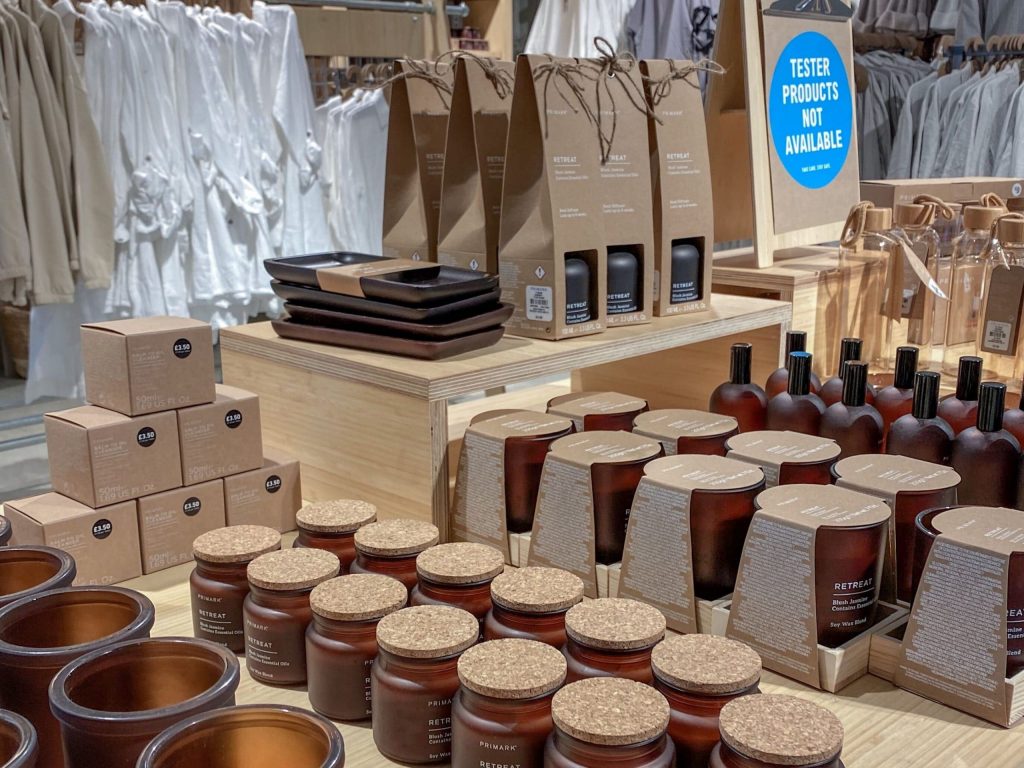
Businesses are moving away from traditional production processes and towards sustainability as a culture, introducing on-demand manufacturing for example, that provide exciting consumer experiences. This makes sense on many levels as sustainable processes save the business time and money, they are attractive to customers who seek out companies following green initiatives, and they create an opportunity to generate more brand awareness and brand affinity. When businesses present consumers with options to customize and/or personalize products in e-commerce, they feel engaged. More than 3/4of consumers have chosen, recommended, or paid more for a brand that provided a personalized experience. That’s the value that 3D product configuration and Augmented Reality (AR) bring to e-commerce. Visualization, Customization, and Personalization are Key Consumers increasingly expect higher engagement from the brands with which they interact. Research has found that 83% of consumers emotionally respond to strong visuals and movement in products such as those in 3D renderings where products can be virtually manipulated and rotated. Brands have a tremendous opportunity to interact with their consumers using visualization, customization and personalization tools on their ecommerce site. By offering products with seemingly endless feature options, such as material, color, texture and other attributes, the consumer is put in the driver’s seat and builds an item that’s unique to their style and their needs. As the consumer is configuring their items, they can see them from every angle with 3D technology, gaining a very clear idea of the product they’re about to purchase. A personalization option completely distinguishes items such as clothing or shoes from any other with unique stitching, initials, images or words. Brands can use Augmented Reality directly from a browser or mobile app making it possible for consumers to actually place the product on a flat surface in front of them and see the item in extreme detail, from their own home. With technologies making it easier to shop online, 25% of consumers believe they will shop in physical stores and malls less than they did previously. In this way an engaging e-commerce platform becomes a necessity. One positive side effect of this change is that consumers and brands are saving energy and money by reducing returns, lowering the number of trips to the store and increasing product use and satisfaction. 3D and AR are Sustainable and Cost-Efficient Solutions Sustainable solutions are becoming increasingly urgent in every industry, not only to reduce waste but also to become more scalable. For instance, USD $230 billion in apparel and footwear is unsold, with no place to go. That means there’s endless amounts of warehouses storing products that are just shelved, waiting to be pushed into the market at a high expense, and with discounted prices. Another major issue that brands face are returns. In fact, 35% of apparel and footwear is returned each year; that’s three times more than in general e-commerce; that’s billions of dollars worth of unwanted products. Using a 3D configurator and AR technology to front end an on-demand manufacturing process plays a major role towards sustainability. Orders come through, are paid in full, and are produced specifically for that consumer. With a direct-to- consumer process, the item is never shelved, and rarely returned. Combined with a CPQ and an Enterprise Resource Planning (ERP) system, every order via a 3D product configurator generates a complete Bill of Materials that feeds into the manufacturing process. A list is created of all the raw materials, parts and quantities needed to produce the item that goes directly into the company’s ERP system, reducing errors in the order processing. It’s the sustainable solution any business needs; you only produce what’s ordered, using up raw material smartly. Using a 3D configurator enables a dynamic supply chain solution that is fast, cost-efficient and sustainable creating wins all around as brands reduce waste, reduce costs, increase satisfaction, and create sustainable processes that consumers can get behind. If you are wondering what you can do with Zakeke, check out our DEMO STORE. Supported Platforms: DISCOVER ZAKEKE START A FREE TRIAL Stay up to date and follow us on LinkedIn, Facebook and Instagram
The Great Benefits of Custom Sports Products & Equipment
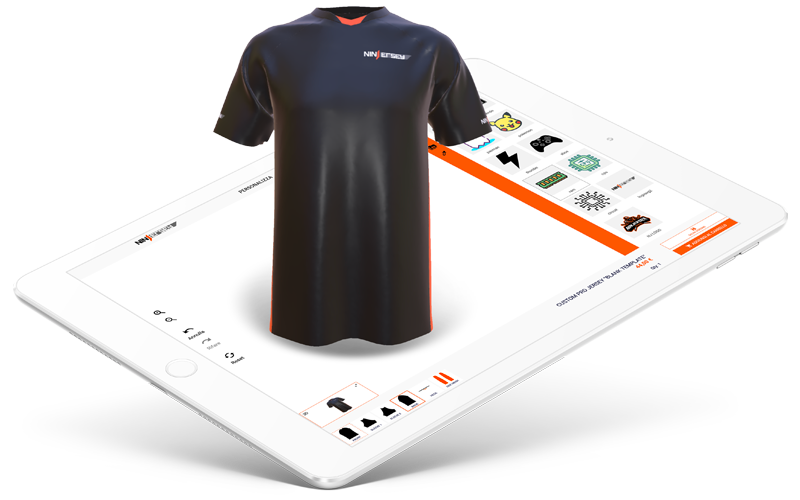
Customers love customization Custom sports products have been around for a long time, but it’s only recently that smaller companies have started to offer customization tools that allow customers to create unique, one-of-a-kind custom sports equipment. By offering your customers the ability to customize their own gear, they’ll be more likely to purchase for a number of reasons. First and foremost, nobody likes having the same gear as a million other people. By enabling your customers to customize their gear, they’ll be able to create something unique to them, which is a huge selling point that all customers will love, Also, off-the-rack sports gear never quite fits perfectly, and comfort is key when it comes to performing well during the game. By allowing your customers to create custom sports equipment, they’ll be able to tailor their new gear to them specifically, which means it will fit better and be more comfortable. Augmented reality (AR) changes everything For those who haven’t heard of augmented reality before, this is essentially a technology that allows companies to superimpose graphics over the real world. Thanks to Virtual Try-On Technology, if a customer takes a photo of themselves, they can upload it and see how custom sports gear will look and fit on them without having to make the trip into the store. This helps people get a better idea of what they’re buying. Plus, when you add other customization tools to your online store, they’ll be able to tinker with their new gear until it looks and fits exactly the way they want it to. This means the odds of them making a purchase will skyrocket, and the odds of them requesting a refund drop to virtually zero. Online configuration makes shopping for custom gear easy When big e-commerce sites, like Amazon, first came out, it was a game changer; it meant that you could shop for gear and equipment from the comfort of your own home. The problem with this sort of shopping, though, is that it doesn’t allow you to customize or configure anything, apart from maybe the size or color of your equipment. For now, most companies still don’t have AR and VR technology enabled for their online stores. This is probably because most small-mid-sized online retailers don’t know how to get started with implementing this sort of solution. Summary Offering your customers the ability to customize their own gear and equipment and then view that gear in 3D with AR and VR tools is a gamechanger. Not only will the gear be tailored to them as an individual, which means that it will fit perfectly and be comfortable, but it will also allow them to show off their personality and style. In the near future, VR and AR technologies will be the norm when it comes to online shopping, but with Zakeke, you can easily implement these tools today, which will help you get ahead of the curve and stand out from the crowd of competitors in the sports gear industry. With Zakeke, you can easily allow customers to customize any product with only a few clicks. Plus, you’ll be able to offer live 3D view tools and AR configuration options. So, to learn more and get started, be sure to check out Zakeke today. Customize your own products today with Zakeke Customization is about giving the customer choices in the products they purchase. We integrate with a variety of ecommerce, fulfillment/logistics, and other business services. So, ready to start your own custom product line? If you are wondering what you can do with Zakeke, check out our DEMO STORE. Supported Platforms: Shopify WooCommerce Prestashop BigCommerce Salesforce OpenCart Etsy API ShopWired DISCOVER ZAKEKE START A FREE TRIAL Stay up to date and follow us on LinkedIn, Facebook and Instagram
Zakeke welcomes a new partner: Omnycode

We are delighted to announce our partnership with Omnycode! Omnycode is a NYC-based ecommerce agency that provides a full range of services and solutions. Founded in 2018 by a small group of entrepreneurs, Omnycode attracts the most unique and impassioned e-commerce talent in the digital world. They are software engineers, project managers, UX/UI designers, marketing and CPG professionals with more than a decade of experience. From developing to implementing omnichannel strategies, and from the inception of a project to its completion, their innovative minds are focused on accelerating the growth and profitability of your online business. To get more information on how can Omnycode help you reach out amazing results together with Zakeke, please contact them at omnycode.com To get more details about our Partner Program check this link https://www.zakeke.com/agency-partner
Custom Merchandising, the way to Fulfill Your Customers’ Desires
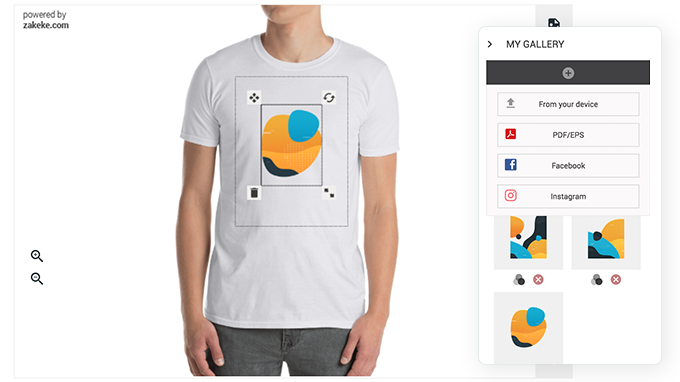
Custom merchandising refers to the business strategy where the seller creates customized products to sell to their customers. The business of custom merchandising is booming as more online services and technology becomes available. But being a successful custom merchandiser requires knowledge of other tools, like personalized marketing and search, to reach your customers. Today, we’ll talk about ways you can use customized products to create a new sales channel and give clients what they want. We’ll also talk a little about how setting up an effective search and using data to sell can help you ensure you give clients what customers really want. What is custom merchandising Custom merchandising, also known as personalization according to Gartner, adds relevance to a customer search for a product or service. When we talk about customization in ecommerce, we’re talking about services or products that can be tailored to a customer’s exact requirements or needs (like clothing, etc.) Part 1: Custom merchandising–providing personalized products customers want In the past, personalization was confined to a few common situations. A seller with a fast vendor might be able to offer t-shirts, hats or other smaller items if they weren’t too fancy. Sellers, especially smaller businesses, were restricted to a few types of product selections due to warehousing, shipping, and production constraints. But that was yesterday. With today’s technologies, now just about any product can be customized, even by smaller businesses. Some challenges of custom merchandising Right now, custom merchandising of products is being utilized by everyone from the smallest of artisans to large Fortune 500 companies. Today’s technologies, including 2D and 3D printers, third-party warehouse solutions, white label products, tools for automation and design, along with expanded business, marketing and ecommerce options make it easier than ever for sellers to scale their services to customer needs. For example, here at Zakeke we offer a variety of solutions businesses can use to create their own line of custom-designed products for their customers. Visuals matter on your custom merchandise website One problem sellers may encounter with custom merchandising is adequately providing visuals of the finished product. Buyers want to “see” and “feel” what the product will look like when it’s done. Providing a pleasing customer experience, complete with great visuals, is critical if you’re a seller. As the Bigcommerce website notes, visual commerce is the updated, online shopping version of the brick and mortar buying experience. It leverages your brand’s best visual content with augmented reality to create a new, better online shopping experience for the customer. To help create the best online experience for customers: Use eye-catching visuals to show/communicate to customers what their finished product will look like Tell customers what options they have for customization Create an easy-to-use website and instructions for customization Some custom merchandising successes you may have seen already Nike (custom shoes) The company has a comprehensive design interface built on their website, even allowing the customer to upload their own designs. In addition to personalized products, Nike’s customization website has a strong product education program, designed to engage and inform customers. Etsy One of the largest ecommerce tools for sellers of customized merchandise today may be Etsy. Etsy, a leader in the maker economy, has a robust website that makes it easy for its thousands and thousands of vendors to provide customized merchandise to customers. (By the way, our SaaS here at Zakeke offers easy integration with Etsy, Shopify, WooCommerce, Salesforce, OpenCart, and BigCommerce in a seamless way.) MTailor Another example of a service using custom merchandising as their business model can be found in a New York Times article on MTailor, an online clothier. The company takes advantage of innovative technology to get measurements for their designs. Their tailored clothing, designed to fit each customer’s unique body type, is created using body scans taken by the customer’s cellphone. Part 2: Custom merchandising–using data and personalization for your sales messaging But not all business customization involves product design. When we think about selling customized products, we should also consider marketing to match it: product recommendations given to customers when they search your website, as well as using data to tailor your customer messaging. Relevant searches matter to customers looking for products Today, business owners and marketers rely heavily on data to provide better, more personalized shopping experiences. And they should. In fact, 53% of online shoppers believe that personalized shopping experiences are valuable, as long as privacy concerns are met. Knowing and understanding customer needs is a big part of the personalization picture, and why using data to create customized marketing is vital. Successfully selling custom merchandising depends heavily on customer searches. As e-commerce provider Bigcommerce notes, customers are now used to robust search engines that narrow in on their needs with the simplest of key phrases; precision search engines that can almost predict what they want. According to other research, when personalization and proprietary customer data are integrated, revenue increases 6% to 10%. Perhaps that’s because those powerful ecommerce search engines really aren’t just guessing, they really know what customers want. Search is such an important tool for ecommerce that one survey shows that 68% of e-commerce leaders currently plan to make changes to their search engine functionality to get better data from their searches. Machine learning and search engines One component of many ecommerce websites is the use of machine learning . Machine learning uses algorithms or programs with access to shoppers’ data, to “learn” your customer needs through pattern recognition. Machine learning allows the search engines of online websites to take that same shopper data to identify trends, provide personalized customer recommendations or results based on the data sets. Data is your friend if you’re a seller of customized products Most ecommerce companies offer some form of tailored messaging to customers based on data gathered from previous interactions. As BCG notes, brands that don’t offer personalization in their messaging or product offers will miss out. As digital marketing website thegood.com points out, customer data gives your business
Augmented Reality Furniture: Benefits & Starting Guide for eCommerce
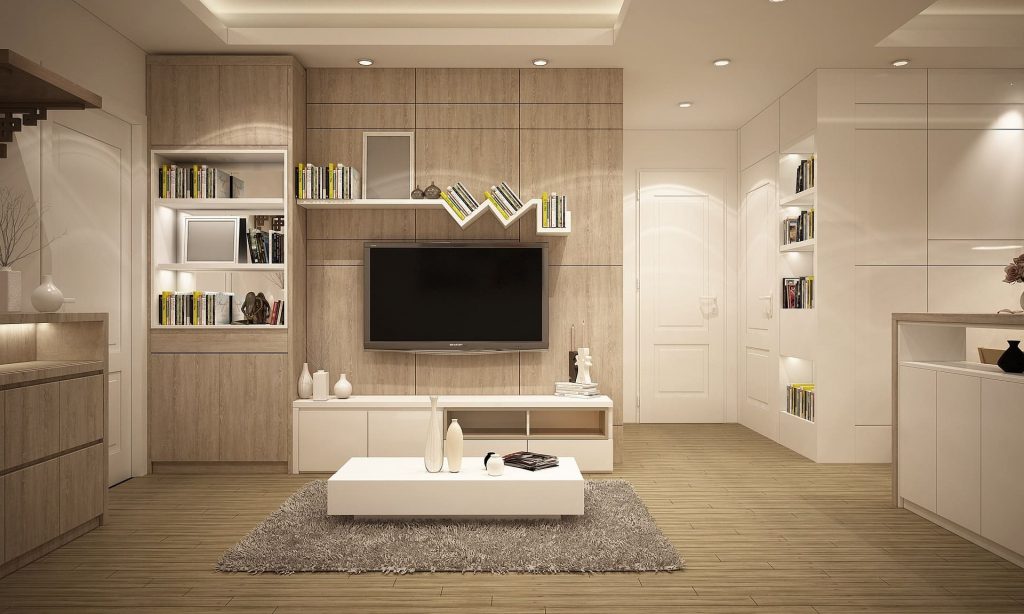
The wise say, “A picture is worth a thousand words.” But there’s no guarantee that furniture will look good in your living room or that the refrigerator will properly fit in your kitchen. Most online retail marketplaces are built on static images. While these images can be stunning and catchy to the eye, they lack tactile perception – a reality that makes you see and experience a product as if you were physically present. Enter the world of Augmented Reality furniture. 3D and Augmented Reality technologies allow furniture brands to provide their customers with a try-before-you-buy shopping experience with realistic product visualization that drives sales. The use of Augmented Reality in furniture stores has gained traction over the past few years. A recent study conducted by Centric Digital found that 60% of shoppers want to use augmented reality as part of their furniture shopping experience. But how can brands drive sales with AR? We’ll delve into the crux of 3D and AR in furniture stores and explain how these technologies can be used to drive engagement and sales. We’ll also walk you through the steps to implementing AR in your furniture store. The Rise of Augmented Reality (AR) in Online Shopping Augmented reality (AR) is an emerging technology that has truly revolutionized the way we shop, communicate, and even play games. Despite being around since 1968 – when the first AR headset was developed by scientists at Harvard University, AR only gained significant traction with the success of Pokémon Go. The game uses AR to make Pokémon appear anchored to the real-world right in front of you. The onset of COVID-19 further changed the game for AR and VR, as online shopping stole the spotlight. Research shows that global spending on AR and VR headsets grew 50% in 2020 to reach a staggering $12 billion. Today, customers are less hesitant and widely use augmented reality to facilitate shopping. Used in shopping, AR gives consumers the power to change some elements of their surroundings without changing them. For instance, AR allows consumers to try out furniture virtually. Shoppers can stage the furniture and experience how it would appear in their rooms. Most importantly, it helps shoppers determine whether the furniture would fit their room or not. In the realm of e-commerce, furniture businesses should harness the power of 3D & AR to distinguish themselves from competitors. How to Drive Online Sales with 3D & Augmented Reality for Furniture Thanks to technologies like AR and 3D rendering, the furniture industry is having its online moment. Here are some stats to enumerate the impact of AR on furniture sales: These stats should give insights into how the application of AI can help boost your furniture sales online. But how exactly are 3D visualization and AR pushing online furniture sales? 1. AR Enables Customers to Virtually “Try” Out Furniture One of the big challenges when buying furniture is trying to visualize what it will look like in your home. While returning a dress that doesn’t fit is a straightforward process, sending back a bulky item, like a furniture set, can present a lot of challenges. And this is where AR comes in. Leveraging the 3D and AR technologies allows you to bring the in-store experience to online shopping and see furniture in your room from your screen. With 3D modeling, retailers can use interactive, graphical representations of their furniture items. Customers can rotate the object, zoom in or out, and even view it in motion right from their mobile app or browser. This gives them a greater understanding of the features and functionalities of the product while envisioning what it looks like in real life. In a nutshell, the use of 3D And Augmented Reality furniture allows customers to: With these immersive capabilities, augmented reality and 3D renderings increase the customer satisfaction level, leading to more sales and fewer returns. These technologies also help to eliminate the guesswork out of the furniture shopping experience. 2. Customers Can Determine the Size of Furniture Before Buying Nothing can be more frustrating than buying a piece of furniture, only to realize later that it can’t fit its designated space. Augmented Reality furniture apps help to avoid this problem by allowing customers to determine the size of the furniture right within their desktop or mobile app. Through AR and 3D rendering, your smartphone becomes your measuring device. As you start to encode the product in a 3D environment, you also capture the measurements of those products. As such, your phone doubles as a measuring device, allowing you to measure dimensions and only settle with products that are the right fit for your house. 3. AR Imparts that Emotional Experience That Static Images Can’t Provide The number one driving force behind most purchases is emotions. Connecting emotionally with a product increases your likelihood of buying it. And that’s where AR outshines the conventional means of advertising. Interacting with a product in a virtual space builds up emotions that connect consumers to products they’re viewing, making them want to experience similar emotions in the future. AR creates more positive feelings about a product. By providing an unparalleled shopping experience with AR, furniture retailers increase the likelihood that consumers will want to create those experiences. 4. AR Increases Buyer Confidence Consumers trust their emotions and logic when buying products. They weigh the product’s pros and cons, give clues about their emotions, and decide on the items that make the most sense to them. Without technology that elicits the actual perception of the product, it can be hard to impart emotions and clues that will make customers trust your products. AR’s visualization capabilities help consumers eliminate doubt about a product they intend to buy. As mentioned, AR elicits feelings that help build a connection with a product. This increases buyer confidence as shoppers are more likely to purchase items they have built a connection with, which ultimately increases the likelihood of a sale. Get Started With Augmented Reality Furniture Visualizer Now that
May 2022 Release Notes

You can decide to Replace color(s) in the final print file, customizable order summary, use percentage for pricing rules, decide to have higher image quality in the PDF preview..lots of great things released in May
Learn How To Sell More Through Visual Product Customization
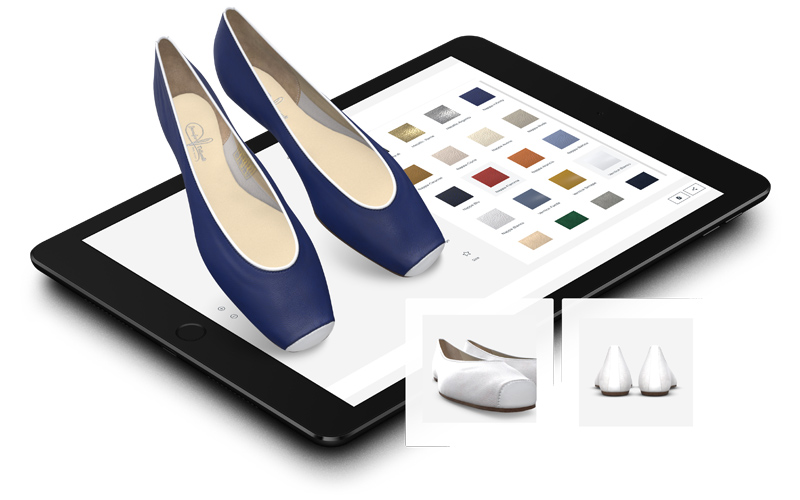
Alternatively, product personalization entails a system of creating or modifying a product through the use of existing customer data. The main difference here is that customization is done by the customer, whereas personalization is done by a machine or a team of people. A good way to think about it is that customization is about the customer getting the option to choose what they want, while personalization is about giving the customer what they need. The Importance Of Visual Product Personalization Given the choice, most customers would prefer to buy a product that has been tailored specifically for them. This is where product personalization comes in, as it allows businesses to do just that. It’s what allows companies to create a unique experience for their customers, and one that they’re not likely to get from their competitors. Put simply, personalization is a way of getting customers to feel special. It makes them feel like they’re important, and that the business cares about them enough to go the extra mile. If you’re looking to give your customers a unique buying experience, then customization may be the way to go. It can prove to be a great way to enhance your users’ experience and boost sales in doing so. 5 Ways To Sell More Through E-Commerce Visual Product Customization 1. Try Out Personalized Homepages The homepage is essentially the face of your store. It holds a high importance in terms of its capacity to make good first impressions and draw visitors in for further exploration. In this way, it’s also an ideal thing to personalize when looking to make your users’ experience more unique. If you’re already collecting cookies on your e-commerce website, you have an invaluable tool at your disposal to put this concept into action. . Use those cookies to display a personalized homepage for returning customers. This could include items they’ve browsed or added to their carts in the past, as well as related products and offers. While a simple trick, this can be extremely productive in engaging customers and helping them find their way. It positions them to focus on the categories they’re most interested in, make their online shopping distraction free and can therefore result in higher conversions for you. 2. Provide Personalized Buying Guides Providing on-site help to your website visitors through questionnaires as well as size and style guides can be effective ways to cater their shopping experience to them. This takes the form of a personal shopper, but without the need to leave your website or even speak to another human. An e-commerce platform that’s fully prepared for product customization can easily set this up. It begins with you capturing customer data when they first visit your website. Data from these assets can be leveraged to better understand visitors’ preferences and adapt their experience per their individual tastes and interests. It can be applied to create highly personalized product recommendations on the fly, and ultimately increase the chances of a purchase. 3. Personalize Content Based on Location Whether through cookies or a simple pop-up asking them, lots of websites obtain and leverage their users’ location data. It allows businesses to better understand where their customers are coming from and how they’re able to serve them best. This is extremely valuable information that can be employed in terms of personalizing user experience. Using geo-targeting, you can display relevant products, offers, prices and sizing options based on a given visitor’s location. You could also highlight products that are specific to the region, or even just slightly tweak the layout and content of pages to better suit regional preferences. Customizing product pages based on location in this way is a simple yet powerful adjustment you can use to drastically change the degree of personalization visitors are able to get when on your site. 4. Generate Campaigns From Specific User And Demographic Behavior If you’ve been collecting user data diligently, you’re likely already aware of the different types of customers who visit your website. You can use this to your advantage by targeting them with specific campaigns that are tailored to their interests. This could be in the form of a sale, or even a giveaway. It’s important to make sure that the content of these campaigns is relevant to what each group of users is interested in, in order to increase the chances of them engaging. Creating special campaigns for different user behavior groups can be a great way to show that you’re paying attention and care about their needs. It also helps to foster customer loyalty by showing them that you appreciate their business. 5. Leverage Customer Data In Email Marketing Email marketing is a powerful way to reach out to your customers and engage them on a more personal level. It’s also one of the most commonly used methods of communication, so it makes sense to put in the extra effort to make it as individualized as possible. You can do this by segmenting your email subscriber list based on different customer data points. This could be anything from what they’ve purchased in the past, to their location or even just their age group. Once you have your segments set up, it becomes much easier to create targeted content that resonates with each group. Not only will this increase the chances of customers opening and reading your emails, but it will also help to increase sales as a result. Personalizing the user experience is one of the best ways to show customers that you care about their business. By using the tips in this article, you’ll be able to create a more tailored shopping experience that is sure to please. Get started here If you are wondering what you can do with Zakeke, check out our DEMO STORE. Supported Platforms: Shopify WooCommerce Prestashop BigCommerce Salesforce OpenCart Etsy API ShopWired DISCOVER ZAKEKE START A FREE TRIAL Stay up to date and follow us on LinkedIn, Facebook and Instagram