

Zakeke Shines as a Top-8 Featured App on Wix

We’re excited to share some fantastic news! Our Visual Product Customizer has been selected as one of the top-8 recommended apps on Wix, a significant achievement highlighting our commitment to empowering online merchants. Being spotlighted in Wix’s App Store isn’t just a win; it’s proof that Zakeke is reshaping the e-commerce landscape with unparalleled innovation. What is Zakeke? Our Visual Product Customizer has earned recognition from Wix as a top App. However, Zakeke offers much more than mere customization capabilities. It stands as a transformative force in the realm of visual commerce. Our platform boasts an array of powerful tools designed to revolutionize the online shopping experience. Dive into our all-in-one platform and discover: Why Zakeke Stands Out? Zakeke stands out with its seamless integration capabilities: Conclusion Being recognized by Wix marks just the start of our journey. At Zakeke, we are committed to continuous innovation, adapting to the evolving demands of online merchants and their customers. Our focus is on spearheading the e-commerce evolution, empowering our customers to offer distinct and unique shopping experiences that truly set them apart in the marketplace.
Why Customization In Marketing Is Key To E-commerce Success

Personalization adds a human element to any brand by making it all about the consumer, rather than the product.” ~ Jason Brown Let’s start with this statement to discuss customization in marketing, a trend that has become too significant to ignore. Anyone involved in commerce, especially in the e-commerce sector, knows this: customers are in search of increasingly unique and personalized experiences. That’s why providing a personalized experience to your customers is crucial, even when it comes to marketing. ADV personalization, personalized messages, content, emails… have you heard about these? Great! That’s what we’re talking about in our article today. But remember, the highest level of personalization you can offer a customer always relates to the product. And product customization itself can become a significant marketing tool. Let’s explore this together. What Is Customization? Let’s take a new step back. What is the definition of customization? Customization is a powerful tool in the world of commerce and marketing, allowing customers to tailor products or services to their specific desires and needs. This approach offers an avenue for personal expression, letting consumers infuse their purchases with their tastes, needs, and experiences. When a company provides customization options, it enables customers to make choices from a pre-defined range of options, such as selecting the size, color, material, and other aspects of a product. Imagine choosing the material, the design and the color of a bag for example. Customization enhances the customer’s connection to the brand and shifts the control to the customer’s hands, allowing them to shape their interaction with the product or service to fit their personal preferences. What Is The Difference Between Customization and Personalization? Customization and personalization both aim to enhance customer experience through tailored choices, yet they differ in approach. Does this distinction matter in marketing? Absolutely. This nuance turns a broad marketing approach into targeted campaigns that resonate more personally with consumers, improving digital advertising’s impact and strengthening brand-customer relationships. Customization In Marketing: How Does It Work? Now, let’s focus on the marketing sector. What is personalized marketing, and why does it matter? Today, personalization serves as a competitive edge for many businesses. Delivering personalized shopping or communication experiences means better meeting consumer needs. But what about in marketing? How does it work? There are countless examples of customization in marketing. Think personalized emails, tailored purchase recommendations, customized advertising, and loyalty programs designed for each customer. Let’s dive deeper into the key components of a personalized marketing strategy. Examples Of Customization In Marketing It’s time to talk about how customization in marketing is making waves! It’s not just a buzzword; it’s a strategy that’s changing the game for businesses and customers alike. Here are 5 marketing personalization examples that could make the difference: In each of these examples, the message is clear: marketing isn’t just about selling anymore. It’s about creating a connection, making each customer feel like the only customer. Why Marketing Personalization Is Important? Some Data You Need To Know Today, the market is flooded with “unique ways” to drive more e-commerce sales from different marketers’ perspectives. Every marketer has a conversion rate optimization tactic they swear by – some with mind-boggling statistics that seem too good to be true. But unlike those strategies that can “theoretically” drive sales and engagement, product customization is the real deal. Why? Many organizations, including big names like Nike and Netflix, have reported significant cost savings and increased engagement through customization in marketing strategies. For instance, Netflix says its AI recommendation engine saves the company $1 billion per month. To better bring this point home, take a look at these product customization statistics: With these proven stats, it goes without saying what product customization can do for your business. Benefits Of Product Customization In Marketing And Sales We’ve already mentioned that the personalized marketing strategy that can bring the most positive results is undoubtedly product personalization. Here are all the benefits you can expect when you offer product personalization to your customers: 1. Boost Sales The most obvious advantage of product customization is an increase in sales. As noted earlier, 1 in 5 consumers is okay paying for a personalized product. One reason for this is the product connection a shopper establishes with a customized product. Delivering customers exactly what they need is one of the surefire ways to increase sales. And personalizing a product doesn’t just ramp up sales; it also keeps your customers satisfied, which fosters loyalty and word-of-mouth recommendations. Customers are looking for value, which you can quickly achieve with product customizations. When searching online, they might even find a similar product for a much lower price. But can they customize it to their liking? Can they see it in 3D before buying it? And that’s where product customization works in your favor. 2. Increase Customer Loyalty If you want your customers to stick with your brand long-term, you must understand their needs and how they want them fulfilled. When you customize your products to their tastes, your customers see what they want, and their satisfaction levels grow significantly. And if customers feel like they have your undivided attention, they’re more likely to stick around and establish a long-term relationship. This relationship leads to loyalty, brand advocacy, and repeat purchases. 3. You Gain a Competitive Advantage With competition in the e-commerce space growing by the day, what can give you an edge over the competition is the user experience you offer to your customers. E-commerce personalization helps you to achieve just that – better product personalization. And it’s obvious that a friendlier e-commerce website is more appealing to users. When you pay attention to what customers are personalizing in their products, you will gain valuable insights into what they’re looking for and what’s lacking in your website and business. This way, you can quickly analyze the buyer preferences and use this data to offer the right products to your customers. 4. Increased User Engagement Personalization brings in more users to your site. The more users
How to Turn Pictures into 3D Models? E-commerce Guide
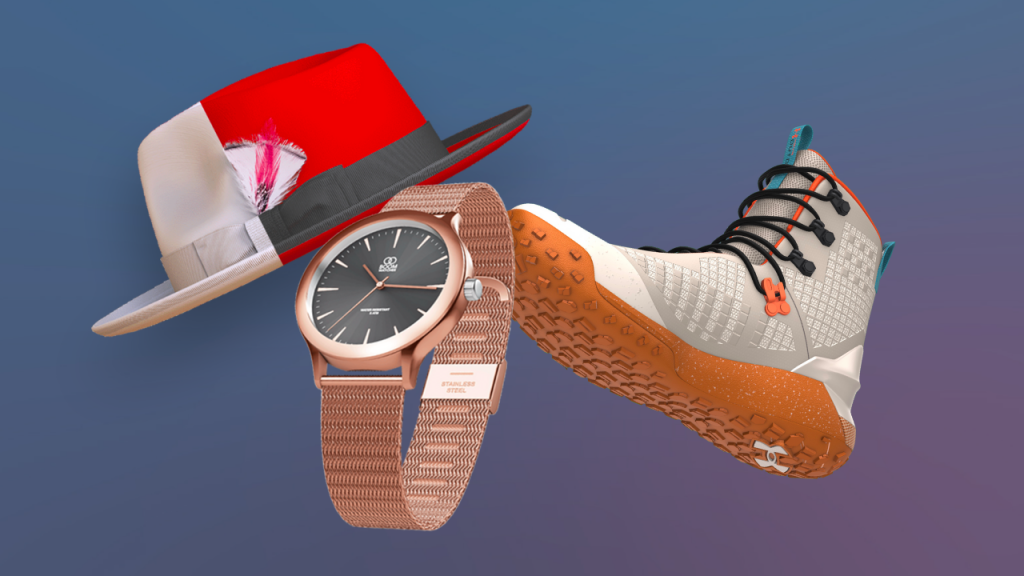
It’s no secret that e-commerce is an ever-changing industry. The latest news? 2D images aren’t enough anymore. 3D model product viewers are slowly transforming online retail. The time is nigh for brands to innovate and gain an edge over the competition that fails to keep up with the trend. A 3D collection to showcase the product collection helps customers explore and evaluate the goods. The option is superior to traditional 2D image browsing, encouraging brands to turn pictures into 3d models. Let’s dive deep and explore how to turn your flat 2D pictures into hyper-realistic 3D models! An evolving market: How to meet growing customers’ expectations? An evolving e-commerce market calls for new methods to meet or even exceed customer expectations. These days, shoppers have a plethora of choices where to do their shopping. In addition, different brands try their best to implement new features to improve the customer experience. Failure to meet growing expectations hinders success and sustainability. On the other hand, meeting customer expectations leads to a better brand reputation and new customers. Happy customers help brands thrive even in competitive markets. The impact of 3D in e-commerce 3D product presentation has changed the visualization in e-commerce. The “revolution” is one of the most recent examples of how certain brands invest in innovation to keep up with the market demands and customer expectations. Traditional photography struggles to capture different product angles . Or rather, product pages have to have a series of photos of the same product, which can take a while to go through for shoppers. Thanks to new software and in-depth technologies, designers can create captivating product models. And not necessarily at high prices. Consumers browsing a product get a complete picture by rotating the model. An in-depth dive minimizes doubts and uncertainties from a shopper’s point of view. 3D models also enable creative freedom. Presenters have more flexibility to showcase their products. It’s easier to experiment with various lighting effects and environments. Customers are looking for immersive and new experiences and 3D can boost results for merchants. Why your store has to switch from photos to 3D models Taking a leap and implementing a 3D modeling feature is a significant challenge. Whether it’s about 3D furniture , 3D shoes, or 3D glasses, 3D is always the way. The task can seem daunting. However, with the rise of new modern solutions in the SaaS and other markets, the challenge ahead is not that intimidating. Besides, there are multiple benefits that brands can expect after the transformation : Some customers might need time to adjust after switching to 3D models from photos. However, once they realize how much an improvement the change is, they will not look back. Web-based augmented reality development lets site visitors browse 3D models directly on the website. There’s no need to download a third-party application or the like. The integration is seamless and user-friendly. An immersive and interactive shopping experience encourages customers to engage with the brand and advertise it to their friends and family. Fully exploring products from different angles leaves less room for hesitation and instills confidence while shopping. Moreover, fewer shoppers have to worry about returning items because they did not meet their expectations. When you explore a product from different perspectives and inspect it, you are less likely to end up with a poor purchase. Positive overall experience and high customer engagement naturally translate into higher conversion rates. Combining 3D product modeling presentations with other modern e-commerce shopping features, brands benefit from increased conversions. Happy customers are expected to return. A single purchase is profitable for a brand, but businesses want to build long relationships with their shoppers. Repeat purchases are one of the metrics taken into account when talking about customer lifetime value. One of the best ways to encourage repeat purchases is by implementing modern shopping features. 3D product models are the perfect example of an innovative approach to improving the shopper experience. Cost-effectiveness is one of the more underrated aspects of the 2D image to 3D model switch. 3D models reduce returns and expenses . Besides, technology is bound to become more accessible. The cost of creating and implementing new 3D product models will drop and attract even more attention from brands. How to turn pictures into 3D models? As one would expect, there are dedicated tools to turn pictures into 3D models. Specific software to turn pictures into 3D models comes with different features depending on what brands are looking for. Some 3D modeling programs requires high-quality content images to transform, and the result may not be what one wants at first. In addition, the concept is still relatively new, and the latest tools are known to have steep learning curves. Some brands choose to go with CAD software as an alternative. It still works, though utilizing CAD without sufficient 3D modeling knowledge is more or less impossible. Hiring a dedicated professional 3D artist makes sense (but it’s particularly expensive), particularly if a business believes that the 3D printing model should be one of the priorities to optimize the shopper experience. Finally, there’s the option to collaborate with a 3D printing company that can also model your products in 3D. Step-by-step process to create 3D models from pictures Creating 3D models from pictures involves several key steps. First, you need to capture or select appropriate images of the object from multiple angles. These images are then processed using specialized software that employs techniques like photogrammetry or AI-based image processing. The software analyzes the images to create a point cloud, which is a set of data points in 3D space. From this point cloud, a mesh is generated, forming the basic structure of the 3D model. Finally, textures from the original images are applied to the model to give it a realistic appearance. This process can vary in complexity depending on the software and techniques used, but it generally follows these basic steps. Optimizing your images to generate 3D files The quality of your
Zakeke and Banuba: Crafting the Next Era of E-Commerce Excellence
Zakeke has teamed up with Banuba, a top name in AI-driven Augmented Reality, Virtual Try-On, and immersive experiences. Known for its innovative solutions that change the way users interact and engage, Banuba brings extensive know-how in creating immersive and interactive experiences. This partnership with Banuba is set to boost eCommerce businesses, helping them to provide better customer experiences and create a more advanced shopping journey for their customers. At Zakeke, we understand that a thrilling shopping experience is fundamental to long-term triumph in the eCommerce world. Leveraging our extensive experience in this domain, we’ve decided to integrate Banuba’s sophisticated AI technology in our all-in-one platform. This integration is not just an addition; it’s a significant enhancement to our suite of visual commerce tools, from our 3D Configurator to our 3D & AR Viewer, ensuring that we deliver even more value to all our customers. With Banuba’s expertise now integrated, our Zakeke platform proudly expands its Virtual Try-On to include Jewelry and Headwear. Users of Zakeke can effortlessly select, customize in real-time, and preview products, with digital versions that truly reflect their real-world counterparts. This collaboration between Zakeke and Banuba focuses on: We’re also thrilled to introduce Banuba’s innovative products to new markets, broadening our reach and bringing cutting-edge solutions to a wider audience. About Banuba Banuba is at the forefront of AI-driven Augmented Reality (AR), revolutionizing customer engagement for businesses. Its platform offers advanced AR features like real-time face filters, beauty effects, and virtual try-on for products such as eyewear and makeup, enhancing the shopping experience with immersive try-before-you-buy options. Beyond customer interaction, Banuba provides valuable analytics, helping businesses understand and cater to customer preferences more effectively. Its seamless integration and user-friendly interface ensure a smooth implementation process. By boosting engagement, conversion rates, and brand loyalty, Banuba’s technology streamlines operations and reduces costs, making it a powerful tool for modern businesses.
Zakeke Shines as a Top-12 Featured App on BigCommerce
We’re excited to share some fantastic news! Our Visual Commerce Platform has been selected as one of the top-12 recommended apps on BigCommerce, a significant achievement highlighting our commitment to empowering online merchants. Being spotlighted in BigCommerce’s App Store isn’t just a win; it’s proof that Zakeke is reshaping the e-commerce landscape with unparalleled innovation. What is Zakeke? Zakeke is more than just a software solution; it’s a game-changer in the world of visual commerce. Our platform is equipped with a suite of dynamic tools to transform the online shopping experience. Dive into our all-in-one platform and discover: Why Zakeke Stands Out? Zakeke stands out with its seamless integration capabilities: Real Customer Success Stories on BigCommerce One of the best ways to understand Zakeke’s impact is through our customers’ stories. For instance, Silent Pool Distillers, a UK company producing handcrafted, artisan spirits with uncompromising quality, experienced a significant expansion in their product range thanks to Zakeke. By integrating our platform, they offered personalized products, which not only attracted more customers but also increased their engagement and satisfaction. Real-world applications of Zakeke show its transformative impact on online businesses, leading to increased sales and improved customer experiences. Conclusion Being recognized by BigCommerce marks just the start of our journey. At Zakeke, we are committed to continuous innovation, adapting to the evolving demands of online merchants and their customers. Our focus is on spearheading the e-commerce evolution, empowering our customers to offer distinct and unique shopping experiences that truly set them apart in the marketplace.
Guide To Mass Customization: Benefits, Challenges and Starting Tips
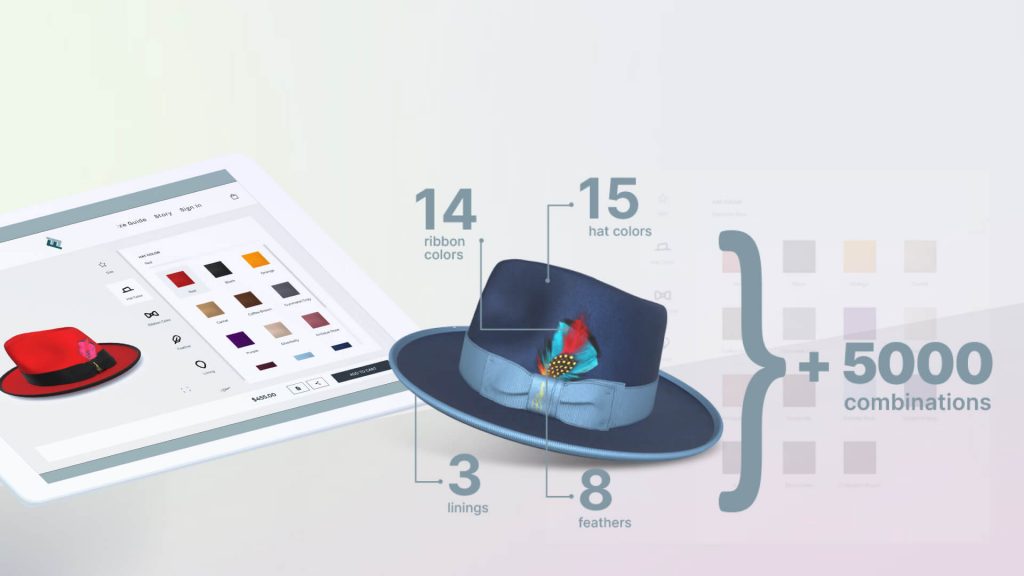
In a world where customers are looking for increasingly personalized experiences, finding a way to meet their requests is nothing short of fundamental. Imagine a world where every consumer can purchase a product that is perfectly tailored to their needs. Well, it’s here to stay! Customers are looking exactly for these experiences. How to meet their expectations? A company, as we well know, must deal with costs. Personalizing a product means dedicating more time to its creation. How to get profits if more time and more resources are needed to produce your items? Let’s talk about mass customization! Who said that offering a personalized experience to your clients necessarily means more time spent working, more resources, and less profit? Let’s dive into the topic! What Is Mass Customization? If we’re discussing the meaning of mass customization, it can be defined as a process that provides customers with customized, tailored products (meeting their specific needs), while leveraging the economies of scale typical of mass production. In simpler terms, mass customization allows merchants to offer tailored products to each customer, yet keep the costs per unit low and efficiency high. Typically, we might assume that customized products are limited to small-scale, high-cost production. However, with mass customization and new t, personalization is made widely accessible, blending adaptability and customization with a cost-effective advantage for businesses. Different Types Of Mass Customization There are 4 distinct types of mass customization. Let’s explore what they are: What Are The Main Benefits Of Mass Customization? Now that we know what mass customization is, let’s look at its main advantages: Leveraging Mass Customization in Marketing As we’ve already mentioned, personalization can secure significant advantages for a brand. But let’s talk about customization in marketing: why can mass customization prove to be a real winning weapon in terms of marketing & sales? Challenges Related To Mass Customization It’s not all advantages; unfortunately, the world of personalization also presents its challenges. Let’s look at the 3 most common challenges associated with customizing products: In the end, balancing challenges with opportunities, we can say that customization is a significant opportunity that businesses have to leverage now. Offering customizable products allows businesses to differentiate, innovate, and improve their results – all crucial elements for standing out in today’s competitive market. Examples Of Mass Customization Mass product customization isn’t just a trend, it’s a transformative strategy reshaping industries by aligning production with individual customer preferences at scale. This approach is a compelling proposition for merchants aiming to differentiate themselves in a competitive market. Let’s explore some mass customization examples and discover how various industries are harnessing the power of this technology: For merchants, embracing mass customization is about understanding and meeting the unique needs of each customer, thereby fostering loyalty and setting your brand apart in today’s dynamic market. The ‘one size fits all’ approach is fading, making way for a more personalized, customer-centric business model. Mass Customization Strategy: How To Start? Where should you start to implement mass customization? Here are some simple tips: Starting With Customization in 1,2,3 with Zakeke As we’ve mentioned, choosing the right technology and software to implement a personalization solution is key to success. Here’s a solution that allows you to offer 100% product personalization in just a few days, without significant investment and with a free trial period: Zakeke’s Visual Product Customizer! Our cloud-based Product Customizer is the simplest way to start with product personalization. It’s the best solution for e-commerce stores that want to enhance their Customer Experience by offering customization without overwhelming their teams. Why Zakeke? Intrigued? You can try Zakeke for FREE now for 14 days or book a quick demo to learn more with the guidance of one of our experts. Customization: Today’s Competitive Edge in Business Thanks to new technologies and software on the market, personalization is no longer inaccessible for small businesses or requires hefty investments. It’s now accessible to everyone. What does the future hold? The future is personalization. Consumers will become increasingly demanding, and businesses will need to adapt and leverage the available technologies to meet their expectations and stay on-trend. For this reason, it’s not the time to wait! It’s time to get in the game and open the doors to the world of mass customization, tailoring it best to your business and the needs of your clients. The competitive advantage is gained now, not when everyone will offer personalization. It’s now that brands can truly stand out by riding the trend first.
How to Implement eCommerce Automation for Business Success

E-commerce businesses constantly look for ways to grow. Among smaller ventures, inefficiency is one of the biggest obstacles preventing scaling, so more businesses turn to eCommerce automation. Small and repetitive tasks consume many resources, complicating the business processes. Managing orders, customer support, and other tasks manually is hardly a winning strategy. Meanwhile, implementing and utilizing automation solutions creates a self-fulfilling and streamlined workflow. What Is eCommerce Automation and How Does It Work? E-commerce automation can be defined as using available software to convert manual tasks into automated tasks. Developers invest in eCommerce automation software to optimize various aspects of an online store. Different software provides different task automation, and it’s up to the business to decide what processes it wishes to prioritize. What Types of Tasks Can Be Automated in an eCommerce Setting? As expected, there are multiple tasks eCommerce businesses can automate. Let’s look at some of the most common and valuable examples. 1. E-commerce Order Fulfillment E-commerce fulfillment automation is one of the most crucial eCommerce business processes. Online stores inform customers about new products, back-in-stock goods, or incoming deliveries by triggering emails or text messages. Specialized tools also simplify warehouse processes to streamline the supply chain. The solution ultimately improves shipping orders and leaves less room for potential errors, thus improving the eCommerce order fulfillment process. Additionally, third-party order fulfillment solutions can provide businesses with scalable and flexible fulfillment options, ensuring they can meet customer demands efficiently. These solutions often include advanced inventory management and shipping capabilities, enhancing the overall customer experience. 2. Accounting Accounting is another instance where automation comes in handy. Accounting invoicing and reconciliation take a load off the accounting department’s shoulders. In addition, the tool integration enables automatic expense tracking if a business has inventory and shipping software compatible with the accounting automation system. 3. Customer Support A constant stream of incoming customer queries puts a toll on the people working in customer support. The purpose of customer support automation software is to: 4. Security Considering the volume of cybersecurity threats in eCommerce, it makes sense to implement as many protective measures as possible. Automating high-risk order identification is one possibility. Whenever someone submits an order from a suspicious location or uses credentials that don’t match (credit card details and delivery address), the order gets flagged automatically. The team managing and tracking orders then receives and deals with the message. Such a system is more efficient than having to check every order manually. 5. Marketing The marketing department has multiple opportunities to make things easier for themselves with the help of automation tools. Some of the best examples include: Benefits of eCommerce Automation The main purpose of eCommerce automation is to improve the overall business process efficiency. Having said that, there are layers to how eCommerce businesses benefit from automation. 1. Boosted Customer Satisfaction Automation tools enable businesses to function 24/7. Customers don’t have to wait for a response. A satisfied customer connects with the brand and is more likely to return and produce word-of-mouth marketing. 2. Accurate Inventory Management Inventory receives regular and immediate updates as soon as the system receives new orders. Customers see live information and know whether an item is available or not. 3. Manual Data Entry Elimination Thanks to automation, businesses no longer have to waste resources for manual data entry. The time spent on entering numbers and other information can be spent on other, more important tasks. 4. Improved Accuracy Automation tools reduce errors that occur due to fatigue, distractions, multitasking, and other factors. Most processes still require human intervention, but automation makes it much easier to handle redundant tasks and improves accuracy. Who Benefits from eCommerce Automation Tools? An online store benefits from automation as a whole, but so do individual departments. 5 Tips to Start With eCommerce Automation If you don’t know how to automate eCommerce website, here are a few valuable tips that should point you in the right direction. 1. Identify Key Business Areas That Require Automation Assess your current business processes and determine areas that would benefit the most from automation. In the case of small businesses, automating everything might be impossible due to limited resources. It’s for the best to identify which manual tasks consume the most time and lead to errors. During the initial intake meeting, stakeholders can discuss and prioritize these tasks for efficient automation implementation. 2. Define Your Goals Implementing eCommerce automation successfully is hard without clear objectives. A business has to determine its aims. The goals range from efficiency by eliminating redundant manual tasks to boosting sales. A set of clear objectives is a guiding principle, giving a sense of direction for the automation efforts. 3. Choose the Right Tools Given the magnitude of eCommerce, it should not be surprising that there are so many different automation tools. Do your research and determine tools that suit your business the most. Look for recommendations and reviews and maximize opportunities to try software via free trials before spending money. 4. Track the Results of Automation Solutions It takes a while before you see the automation results, but they should show up sooner rather than later. Keep an eye on automated business processes to determine whether the solution adds real value. After all, you don’t want to continue wasting money on software that fails to meet your expectations. 5. Make Adjustments Where Necessary Don’t settle for the first option. By tracking the results, make adjustments and look for alternatives if they are there. Finally, once you can afford to add more automation solutions, do it to improve your eCommerce business operations even further. Automating Custom Order Fulfillment With Zakeke E-commerce automation wouldn’t exist without excellent automation solutions. Zakeke is a perfect example of an automation solution that can take your eCommerce business to another level. Zakeke stands as your ultimate choice for Visual Commerce. Picture this: your customers have the power to customize, view in stunning 3D, AR, and virtually try on your offerings before making a purchase online. Isn’t this the
Top 8 Best Shopify Product Customizer Apps in 2024
In today’s increasingly competitive and customer-centric market, every e-commerce store must find a way to stand out from the competition. How? It’s no longer the products or the prices that make the difference, but the experience your e-commerce offers to customers. Consumers are increasingly looking for smarter and more tailored shopping experiences: this is where product customization comes in. What kind of experience could be more tailored than the one allowing your customers to create their dream products? Offering your customers the ability to customize products directly on your e-commerce improves the Customer Experience and increases the perceived value of the product and Customer Satisfaction. Wondering how to kick off product customization? Don’t worry, it won’t be a drawn-out ordeal – not with the correct customization app by your side. Alright, let’s begin. Got a Shopify store? You’re exactly where you need to be! Let’s delve into the best Shopify product customizer apps together and transform your store into an exceptional Customer Experience. What is a Product Customizer? Okay, let’s start from the beginning. What is a Product Customizer? It’s a software that lets customers personalize products with texts, images, components – basically whatever they desire. It’s a tool that empowers customers to craft their products just the way they want them. There’s no need to even highlight the benefits a merchant gains by integrating product customization into their store. Imagine offering your customers a product tailored precisely to their wishes, designed by themselves. The benefits of product customization in e-commerce are clear and numerous: Now, maybe you’re wondering how to choose the best Shopify Customizer. Let’s dive deeper. How To Choose The Best Shopify App For Product Customization How do you select the top Shopify Product Customization software? Here are 5 critical factors to consider during the selection process: It’s vital to examine the tool’s features to ensure you make the optimal choice. A superior custom products app for Shopify should provide all the features that are relevant for your specific business and product type. For instance, a web-to-print business might need features like POD integrations and print-ready files to optimize its workflow, whereas a fashion business with a vast inventory may require 3D visualization and advanced configuration options. The best Product Customizer for Shopify should be straightforward to install and user-friendly for both the merchant and the customers. Ensure that the app integrates well with the e-commerce platform and can seamlessly connect with other services and third-party apps. Additionally, a user-friendly interface can significantly enhance the Customer Experience by making it engaging and interactive. Opt for a Shopify add-on that offers excellent Customer Service. Having the backing of a dedicated support team can help you sidestep potential issues, especially during the initial setup and onboarding stages. Choose a Shopify customization tool that offers real-time modifications, displaying live updates of products as customers make their selections. Providing previews of custom products can decrease lead times and reduce returns. Customers get the opportunity to see how their customized product will look before they make a purchase, which can streamline the checkout process and reduce the likelihood of returns. Lastly, an effective Shopify customization App doesn’t just enhance the Customer Experience by offering product customization options; it also optimizes your internal workflows, streamlining operations. Consider the challenges related to the design team and customization processes: the lengthy pre-press processes, the effort involved in creating custom mockups, and the constant back-and-forth communication with customers. An efficient solution simplifies all these processes by automating customization, ensuring it doesn’t become a burden for your team. Best Product Customizer for Shopify: 5 Unmissable Technical Features Before exploring the top customization apps for Shopify, let’s delve into the technical features a proficient customizer should have: Why an Outsourced Solution is better than an In-House Shopify Customizer? That’s the million-dollar question, and we have the answer! We’ll keep it brief: The time has come! Let’s find out which is the best Customizer for your Shopify store. Top 8 Best Product Customizers for Shopify What is the best Shopify Product Customizer? Here’s a selection guide: #1. Zakeke Shopify Rating: 4,6 Taking the top spot among Shopify Customizers… Zakeke! And not just because it’s our blog. Zakeke is much more than a Customizer: it’s an all-in-one Visual Commerce Platform. It provides real-time 2D product customization, advanced 3D product configuration and visualization, along with immersive Augmented Reality and Virtual Try-On experiences. Features: Plus: Cons: Pricing: From €13/month. 14-day Free Trial available. Start now: try Zakeke for free for 14 days (you can install it yourself within your e-commerce) or request a demo to discover all its features. #2. Qstomizer Shopify Rating: 4,9 Qstomizer is a Shopify Product Customizer with a range of customization options. Like all the best Shopify Product Customizers, Qstomizer also allows the customer to have a live preview of custom products before making the purchase. It also allows you to use AI for removing the background and improving the image editor. Qstomizer offers over 200 pre-designed templates to easily start customizing any product (alternatively, you can always choose to customize the product from scratch). Features: Plus: Cons: Pricing: From $9,99/month. 15-day Free Trial available. #3. Kickflip Shopify Rating: 4,6 Kickflip is a Product Customizer that integrates natively with Shopify, WooComerce, PrestaShop and Wix. It has many customization features, allowing you to add and remove product parts and try out different combinations. It has a user-friendly interface for both merchants and customers. To simplify pricing management, Kickflip allows you to set dynamic pricing rules that change the product cost based on the customization options chosen by the customer. Like other good customizers, Kickflip also offers real-time product previews from multiple angles to help consumers complete their purchases faster. Features: Plus: Cons: Pricing: Pay-as-you-grow with no fixed costs and a 2.19% fee applied to each successful sale. #4. Customily Shopify Rating: 4,8 Customily is another online customizer available for Shopify stores. It offers a live preview of custom products and it is easy to use thanks to its
Print Automation Software: Enhancing Productivity and Reducing Waste
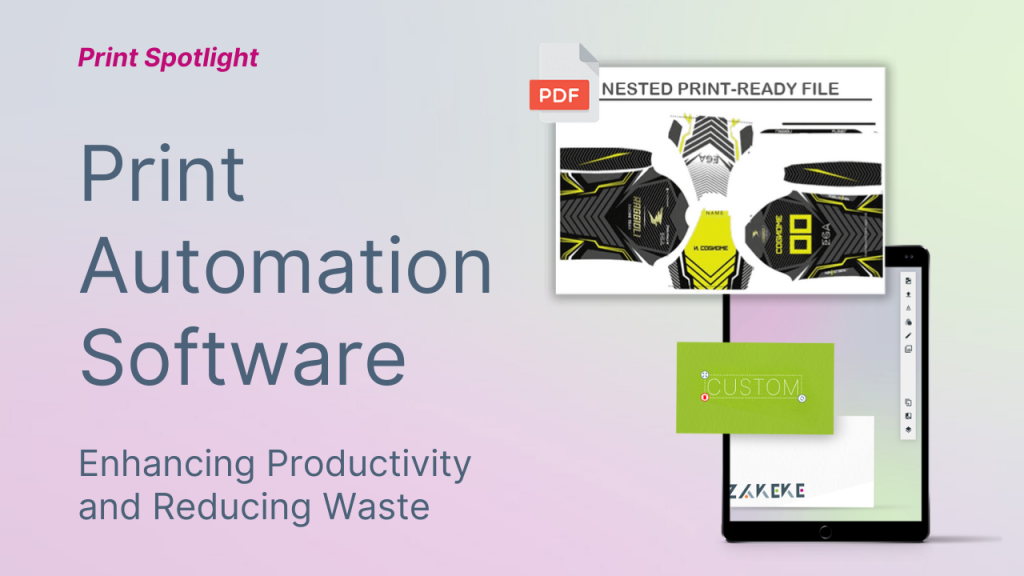
In today’s fast-paced business landscape, where efficiency and speed are paramount, the printing industry, along with most other industries, is undergoing a significant transformation through the integration of automation. The business world is striving to keep up with ever-evolving technological trends and consumer demands and the printing industry is no exception. Implementing automation software has become crucial for print businesses, especially those in the web-to-print and custom print and personalization arena, who are aiming to enhance productivity, reduce downtime, streamline day-to-day operations and ultimately boost profitability. What is print automation? Why it’s a game-changer? The goal of automation in printing is to create a smooth workflow from the very beginning of a job order to the point of delivery. Great print automation reduces time and people-power spent on manual repetitive tasks across the workflow that can introduce errors and hinder productivity. It eliminates “touchpoints” where necessary and essentially increases speed to market. Importantly too, is that through this streamlining, print businesses are able to keep prices competitive and greatly enhance services and indeed products for their customers. It’s a win-win. From receiving orders, creating optimal print-ready files, manually uploading print specifications and parameters and ensuring the highest possible quality end product, to handling billing shipping and deliveries, there are numerous key points at which a print workflow can stumble, causing breakdowns and bottlenecks in production. This is where automation software comes in. A technological game-changer that can revolutionize the way a print business operates and furthermore, according to an HP-sponsored study from Napco, businesses that have implemented automation, even on a small scale, show increased profits and production, higher throughput and increased speed to market, compared to those that haven’t. How to choose your print automation software Selecting the right print automation software is crucial. There are numerous products on the market, so how do you know what to choose? You need to map out your workflow and highlight the pain points. Identify your goals, the specific needs of your customers and the unique complexities of your custom products and materials. You need to understand exactly what you’re trying to create for your customer and choose a software solution that can deliver it and that can adapt to the changing needs of your business and the market. It should seamlessly integrate with your existing workflows, have the flexibility to adapt to the different printing techniques and processes that you may offer now and in the future. In short, it should enhance, not hinder. The key role of print automation in print personalization For printing stores specializing in custom printed gadgets, clothing and personalized products, automation is absolutely critical because there are so many different areas of potential automation for each personalized product and as such so many different areas that can break down, letting both the retailer and the customer down. Reflect on the myriad challenges of providing customized printed products: extended pre-press print production, heavy workload on design teams, continuous customer interactions for defining unique designs, endless hours in the studio creating mockups, manual editing of print-ready files, and frequent production errors. Does this sound familiar? Such hassles often lead to further issues like difficulties in managing tailor-made orders, missed deadlines due to operational inefficiency, and high return rates caused by lengthy lead times and a mismatch between the expected and actual custom products. What can really make a difference? The right print automation software, like Zakeke! Zakeke is designed specifically with these retailers in mind. By automating their processes, Zakeke will help custom print sellers reduce the risk of errors, deliver consistent high quality, boost the speed of order fulfilment, cut manual and costly manual tasks and ultimately enhance customer experience. From order placement to print-ready file preparation, Zakeke ensures a seamless process, allowing custom print stores to focus on what matters most – delivering superior, personalized products to their customers without burdening their team or risking the inability to scale due to an overload of operational tasks associated with customization. Automating your printing business and embracing personalization with Zakeke So, you’ve decided you want to up your automation game? Zakeke’s Visual Customizer e could just be the game-changer you’re looking for. It eliminates the need for time-consuming, manual preparation of custom print-ready files and reduces the risk of errors, creating a more reliable, efficient system and ensuring the consistent delivery of high-quality products. How does it work? Zakeke’s system allows customers to personalize products in real-time directly online (with a super user-friendly interface) and then sends designs straight to merchants’ printer or engraver post-sale, streamlining custom order management. No more lengthy pre-press processes and burden on design teams. Ideal for printers and printing providers, Zakeke is more than a web-to-print solution. It could be the best technological partner to grow your business by helping with pre-press management, printing workflow automation, and managing various printing techniques. One of the greatest advantages is that Zakeke, being a cloud-based platform, provides straightforward integration and operation, presenting a superior alternative to conventional software solutions. It seamlessly integrates with a range of printing workflows, maintaining existing operations without interruption – a flexibility vital for businesses aiming to adopt automation without the complexities of a full-scale revamp. The printing industry is changing, and automation software like Zakeke is playing a big part in this. Zakeke offers strong customization and easy automation and blends well with existing systems. This helps printing businesses, whether they serve retail or larger markets, unlock new levels of efficiency and customer satisfaction. In other words, embracing print automation software like Zakeke unlocks new opportunities for growth and enables printers to thrive in today’s digital era.
Mastering Voice Search for E-commerce: Key Tactics for Success

One important feature that is gaining importance is voice search for ecommerce. With the increasing use of voice-enabled devices like smart speakers and virtual assistants, optimizing your eCommerce platform for voice search isn’t just a good idea – it’s essential. In this blog post, let’s discover the importance of voice search in eCommerce and key tactics to implement voice search. What is Voice Search? Imagine having a casual conversation with your device rather than typing out questions and surfing the web. Instead of a traditional keyboard interaction, your customers simply say what they’re looking for, and the search shows up. These services come from trusted partners in the digital realm, smart speakers, and virtual assistants. Now, why should online store owners care? Because customers increasingly use voice search to find what they want, and you want your store to be a solution. The technology in voice search has advanced, and devices have become adept at understanding human speech and processing requests. It’s not just about finding words; it’s about understanding the context and their meaning. For example, a customer might ask their smart speaker, “Where can I find great sneakers online?” The voice search engine launches, interprets their text, concludes they’re looking for fashionable sneakers, and ideally directs them to your online store. This shift from typing to speech makes communicating with technology more comfortable and user-friendly for your customers. In your case, that means making sure your online store is ready for voice search. Whether your customers search for products, ask questions, or do online shopping, voice search is their go-to buddy. So, let’s make sure they find what they’re looking for on your virtual shelves. The Boom of Voice Search in Online Shopping Recently, voice search for ecommerce has become a real game changer when it comes to online marketing. And it’s all thanks to those voice-activated devices like Amazon Echo, Siri, Google Home, etc. popping up in homes everywhere. They’re not just cool tech; they flip the script on how we do our online marketing. By 2023, 4.2 billion active voice assistant devices are being used. During the day, we type our shopping inquiries into search engines or online stores. But now, with these voice-activated devices, people are chatting up a storm to get what they want. Amazon Echo and Google Home have become part of our daily lives, allowing us to do more than just search with our voice. We negotiate purchases, check if items are in stock, and check our orders – all with simple voice commands. It’s no longer just about the convenience; it’s about streamlining the entire online shopping journey. Voice search has been this natural and easy way to engage with the world of online stores. It’s more than a cool feature – it’s a game changer. How To Optimize Ecommerce For Vocal Search: 5 Key Tactics When people use voice search, they’re not typing robotic keywords but having a conversation. For online stores, this means ditching the overly technical jargon and embracing a more natural, conversational tone in your content. Consider the longer phrases customers might use when asking questions or describing what they’re looking for. Understanding your customers’ language is the key to delivering the right results when they speak on their devices. Making your online store voice-search-friendly involves speaking the language of search engines. Use structured data markup, such as Schema, to give search engines a clear understanding of the content on your site. This helps search engines figure out what products you offer and enhances the chances of your products showing up with detailed information in voice search results. It’s like providing a roadmap for search engines to navigate your online store efficiently. Since a significant chunk of voice searches happens on mobile devices, ensuring your online store is mobile-friendly is crucial. This goes beyond having a responsive design – your site should look great, load quickly, and offer a seamless experience on phones and tablets. A mobile-optimized store caters to voice search users’ preferences and improves your overall search engine rankings, making it easier for customers to find you. Many voice searches involve a local element, like someone looking for products or services “near me”. To tap into this local market, online stores need to prioritize local SEO efforts. Ensure that your business information is accurate and up-to-date across online platforms, directories, and Google My Business. Incorporate location-specific keywords to make your online store more visible to users searching for products in their vicinity. Voice search devices often pull answers from featured snippets when responding to user queries. To increase your chances of being the top choice for voice assistants, structure your content in a way that aligns with how snippets are presented. This involves providing clear and concise information that directly answers common user questions. By aiming for the top snippets, your online store will likely be the preferred result in voice search responses. How is Voice Search Different from Text Search? Knowing how voice search differs from typing is key to getting it right. People using voice search talk more like they’re talking to a friend. So, it’s important for online stores to use words and phrases that sound natural in a conversation to show up in voice search results. Voice searches often have a local touch, like people looking for things around them. Online stores need to pay attention to local SEO to be visible in these local searches. Voice search devices like giving short, direct answers. Making your content appear in featured snippets boosts your chances of being the voice assistant’s chosen answer. Conclusion Adapting to the rise of voice search is not an option but an important step for online businesses. By embracing conversational voice, optimizing mobile users, emphasizing local relevance, and targeting top-tier analytics, businesses can thrive in this age of voice. It works in this Voice search isn’t just a passing fad; it’s transforming how consumers engage with online stores. As voice search shapes the future of online shopping,