

Why Virtual Try-On Fashion is The Future of Shopping
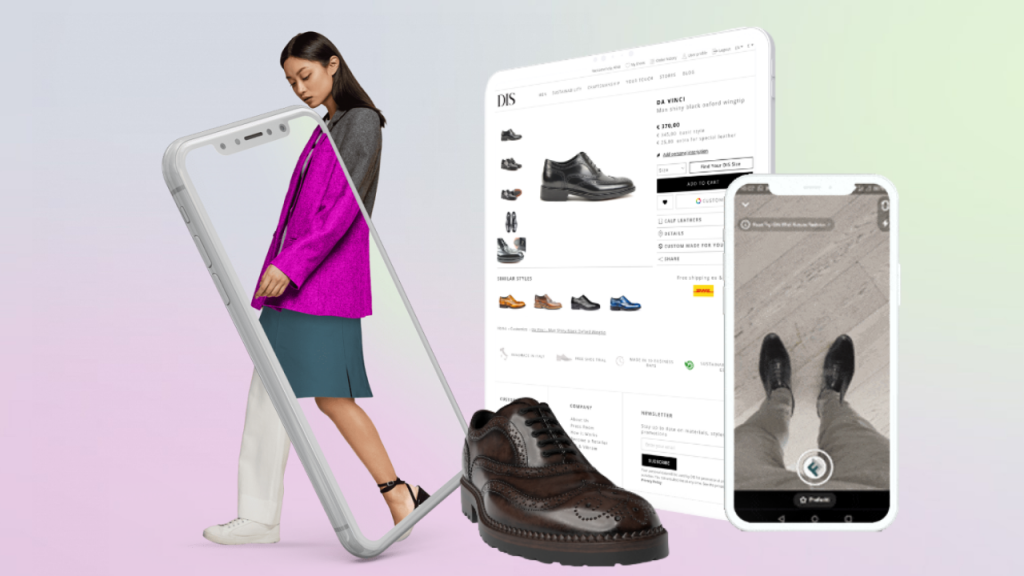
What’s the future of fashion? If you ask most people, they’ll say that it’s all about tailored experiences and trying on clothes virtually before you buy them. This way, customers can pick out the perfect top and match it with their favourite jeans without any risk of buying clothes that don’t look good on them. With more companies offering this service, there’s no reason not to take advantage of it! Virtual try-on technology is revolutionizing the fashion industry. Let’s explore the reasons behind its significant impact. What Is Virtual Try-On And How Does It Work? When you think of virtual reality, what comes to mind? Gaming? Movies? While those are certainly popular applications for VR, today it plays a crucial role also in the shopping world. That’s right – virtual try-on is a thing, and it’s changing the way we buy clothes, shoes, jewellery, and more. So, how can we define Virtual try-ons, especially fashion virtual try-ons? Simply put, it’s a way to try on items without having to actually put them on. You can do this either by using a special headset or by viewing an image of yourself in the clothes. This allows you to see how the clothes fit and look without having to leave your home. Why is virtual try-on a trend today? Research shows that most online shoppers are open to using VTO. A 2021 study found that 69% of respondents were interested in using VTO for apparel shopping. Virtual try-on fashion is becoming the new normal. Why not meet customer expectations? The Benefits Of Virtual Try-On for Fashion When it comes to virtual try-on, fashion retailers have a lot to gain. There are many benefits of virtual try-on that can drive traffic and sales for retailers. Overall, virtual try-on is a great way for fashion retailers to improve their customer experience and increase traffic and sales. With virtual try-on, customers can find the right clothes for them without having to leave their home, and retailers can reach new customers and increase sales. It’s a win-win for everyone involved! How Virtual Try-On Is Changing The Fashion Industry The virtual try-on is changing the fashion industry by giving customers a more realistic view of how clothes will look on them. This is done by allowing customers to try on virtual versions of clothes before they make a purchase. Virtual try-on for retail also help to increase sales, as customers are more likely to make a purchase if they can see how the clothes will look on them. In addition, virtual try-on technology is becoming more and more advanced, with new features being added all the time. For example, customers can now use virtual reality for fashion to try on clothes in a virtual setting, think about the well-known virtual fitting rooms. This technology is sure to revolutionize the fashion industry, and it will be interesting to see what new developments are made in the field of virtual try-on in the future. The Future of Virtual Try-On: AI-Powered Experiences The future of virtual try-on is incredibly exciting, especially with the integration of AI-powered experiences. AI can fine-tune virtual try-on technology to ensure perfect fit and precise measurements for each customer. Imagine shopping for clothes and being confident that what you see on the screen will look just as good in real life. Zakeke’s Virtual Try-On is leading the way with innovative features like AI-driven head measurements and pupillary distance calculations for eyewear. This level of precision ensures that customers not only find styles they love but also enjoy a perfect fit, enhancing their overall shopping experience. With AI at the helm, virtual try-on is set to revolutionize the way customers shop, making it more accurate, personalized, and enjoyable. WebAR Virtual Try-On VS App-based VTO When choosing the best technology for Virtual Try-on, WebAR VTO stands out over app-based options. Why? It’s all about ease and accessibility. With WebAR VTO, customers can try on clothes right in their web browsers without the hassle of downloading an app. This seamless experience makes it super convenient for customers, encouraging them to engage more with your products. Plus, it works smoothly across all devices, ensuring everyone can enjoy the same great experience. For you as a merchant, this means happier customers, fewer barriers to engagement, and more sales. So, if you want to offer the best VTO experience, WebAR is the way to go. How to Choose The Right Virtual Try-On for Your Store? There are several virtual try-on solutions available, and each has its own strengths and weaknesses. Some solutions use 3D models to show how the product looks on the customer, while others use virtual reality to create a virtual environment in which the customer can try on the product. The most important factor in choosing a virtual try-on solution is the realism of the virtual environment. The customer should feel as if they are trying on the product in real life. If the virtual environment is not realistic, the customer will not be able to make an informed purchase. Another important factor is the customization of the virtual environment. The customer should be able to change the color, size, and style of the product to match their own preferences. This level of customization allows the customer to create a unique shopping experience that meets their individual needs. Finally, the virtual try-on solution should be easy to use. The customer should be able to navigate the virtual environment easily and find the products they are looking for. The virtual storefront should also be easy to use, so the customer can make a purchase quickly and easily. Virtual Try-On Fashion + Real-Time Customization: The Perfect Mix Combining virtual try-on fashion with real-time customization creates the perfect mix for today’s demanding customers. They crave immersive experiences that allow them to see how products look on them while also personalizing those products to their liking. This combination is the key to staying competitive and achieving success in the modern market. With Zakeke, merchants
Virtual Try-On Clothes: The Game Changer for Fashion Retail
Have you ever wanted to try on clothes, shoes, or cosmetics without heading over to a physical store? Virtual try-on technology could be the solution! Despite the growing popularity of online shopping, brick-and-mortar stores have one distinct advantage that, for ages, has given them an edge over digital channels — the ability to try on products before buying. But things are changing! As the shift to online shopping intensifies, brands are striving to offer a holistic customer experience on digital channels, especially in the apparel industry. VTO technology, especially Virtual Try-on clothes, has been at the epicentre of the new user experience, allowing customers to virtually try-on products before buying. But what exactly is virtual try-on tech? And most importantly, how does it benefit your fashion business? Let’s dive into Virtual Try-on for clothes and accessories. What is Virtual-Try On? Virtual try-on, also known as digital try-on or virtual fitting, is a technology that allows shoppers to explore and try products digitally using a computer or mobile device. With this technology, shoppers can try on clothes or beauty products online without physically touching them or visiting the retail store. How Virtual-Try On clothes work? There are 3 ways to access virtual try-on clothes as of now. These are: 1. Using Camera on Smart Devices Using the camera on smartphones, tablets, or laptops is the most widely used technique to access try-on functionality. Customers can virtual try on clothes online at home using 3D virtual fitting technology and a camera-equipped device. As the camera captures the consumer, the underlying Augmented Reality technology superimposes a realistic virtual version of the product over their real-world image to demonstrate how the item would look on the customer’s body. Customers can change colors, styles, and other parameters with a tap through the virtual try-on app. 2. Through AR Mirrors Another way of experiencing virtual try-on clothes is through AR mirrors in retail stores. These “magic” mirrors capture the shopper’s appearance and overlay it with a virtual wearable product like clothes, shoes, jewellery, or makeup. Virtual clothing rooms Augmented Reality and Virtual Reality, computer vision, and advanced sensing technologies to create a simulation of how a piece of clothing would look on the customer, helping them attain a high level of customization. Several big-name brands, including Lacoste, Ralph Lauren, Zara, and Burberry, are using AR mirrors in their stores to improve user experience. 3. Creating 3D Digital Avatars You can also access virtual try-on clothes by creating 3D digital avatars through body scanning technology, currently exclusive to Apple devices. Customers can use this technology to create accurate 3D avatars and try on clothes. This gives the exact look of the item as it would look to the user in the real world. Benefits of Virtual Try-On clothes for the Fashion Industry Virtual try-on for fashion provides many benefits to the user and the business owner. We’ll briefly go over these benefits. One key benefit you get from implementing virtual try-on technology is increased conversions and sales. According to Shopify, using virtual try-on software can increase conversions by up to 250%. This is due to increased user engagement and experience. Did you know that at least 20% of online-bought products are returned? Virtual try-on can significantly reduce product return rates. With virtual try-on software, shoppers can visualize themselves in various styles and sizes before making a purchase, helping reduce costly returns. Customers can truly enjoy the virtual try-on experience when they use apps to try on clothes and other products the way they would in a physical fitting room. This satisfaction builds loyalty, leading to repeat sales and brand advocacy. With virtual try-on, customers are not only able to resolve issues related to size, style, and fit but also explore more options and try out a wider selection of clothes in less time. This increased personalization leads to increased engagement and conversions. Thanks to virtual try-on clothing apps and systems, merchants can reduce the overproduction of physical samples and inventory. This helps avoid unsold stock, boosts efficiency, and increases sales. Virtual Try-On clothes and sustainability Virtual try-on technology is not only good for business. It helps save the planet by reducing the carbon footprint. Around 17 billion purchased items are returned each year, which equals roughly 4.5 million metric tonnes of carbon dioxide. Allowing customers to virtually try on items before buying means boosting confident buying, avoiding returns and boosting satisfaction. And more: Virtual try-on also helps merchants to cut off the production of physical samples and stocks, avoiding overproduction and boosting sustainable practices by showcasing hundreds of product variants simply using 3D models. Fashion brands using Virtual Try-On technology Here are examples of brands using try-on dress and clothes with good results: 1. e.l.f Cosmetics e.l.f Cosmetics, an American best-selling skin care products company, has seen great success with its AR campaigns on YouTube. Their AR try-on feature allows customers to see how a product, like lipstick, cream, or mascara, suits their face without buying it. The result? Increased traffic, reduced return rate, and a 63% lower cost per user than previous campaigns. 2. Wacoal Choosing a bra that holds well and fits perfectly can be challenging for online customers. AI tech company, Sizer, made it possible for users to fit bras online. It partnered with Wacoal, a renowned manufacturer of women’s lingerie, to improve the experience for online shoppers. Together, they created the mybraFit app that allows customers to take photos of themselves and virtually try on bras online. This has resulted in increased traffic and engagement, driving more sales for the brand. Wrapping Up Virtual try-on apps are changing the clothing industry (and more!). The market is growing rapidly as retailers look for innovative ways to improve the shopping experience and keep customers happy. Virtual try-on technology helps achieve this by allowing customers to try on products in their homes. Businesses also benefit from it through increased sales, reduced returns, reduced costs, and increased competitiveness.
The Future Of Fashion: Virtual Try-On & Customization
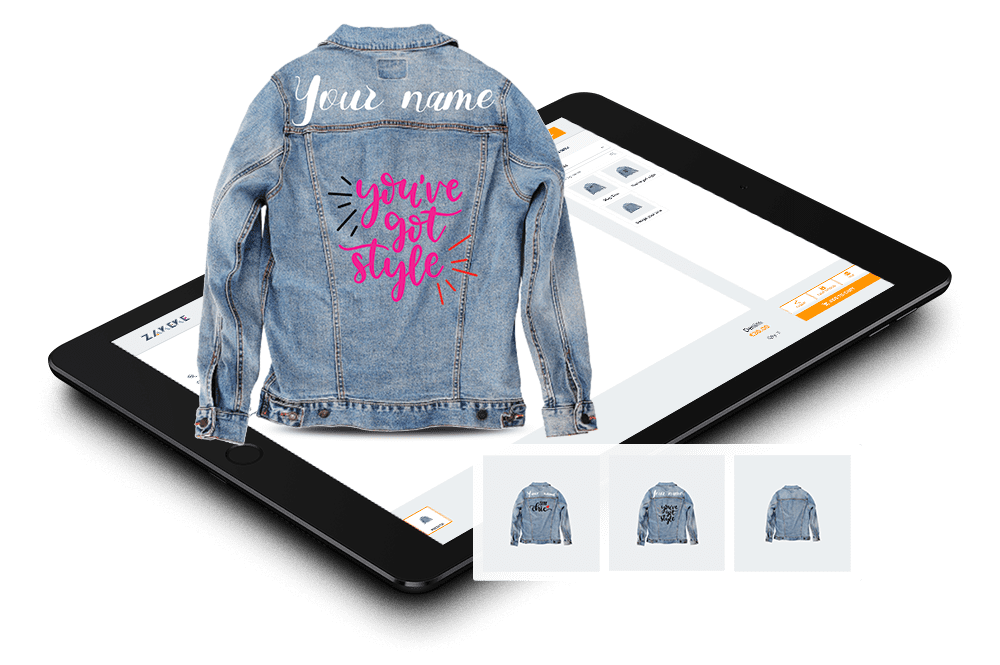
What’s the future of fashion? If you ask most people, they’ll say that it’s all about customization and trying on clothes virtually before you buy them. This way, you can pick out the perfect top and match it with your favorite jeans without any risk of buying clothes that don’t look good on you. With more companies offering this service, there’s no reason not to take advantage of it! What Is Virtual Try-On And How Does It Work? When you think of virtual reality, what comes to mind? Gaming? Movies? While those are certainly popular applications for VR, did you know that they can also be used for shopping? That’s right – virtual try on is a thing, and it’s changing the way we buy clothes. So, what is a virtual try on? Simply put, it’s a way to try on clothes without having to actually put them on. You can do this either by using a special headset or by viewing an image of yourself in the clothes. This allows you to see how the clothes fit and look without having to leave your home. The Benefits Of Virtual Try On Another advantage of virtual try-on is that it can help customers make better buying decisions. With virtual try-on, they can see how different styles and colors look on them and get a sense for what looks good and what doesn’t. This can lead to more informed buying decisions and fewer returns. Virtual try-on is also a great way to increase traffic and sales for fashion retailers. When customers can try on clothes virtually, they’re more likely to buy items that they wouldn’t have otherwise. In addition, virtual try-on can help retailers reach new customers who might not have visited their store otherwise. Overall, virtual try-on is a great way for fashion retailers to improve their customer experience and increase traffic and sales. With virtual try-on, customers can find the right clothes for them without having to leave their home, and retailers can reach new customers and increase sales. It’s a win-win for everyone involved! How Virtual Try On Is Changing The Fashion Industry The virtual try-on is changing the fashion industry by giving customers a more realistic view of how clothes will look on them. This is done by allowing customers to try on virtual versions of clothes before they make a purchase. Virtual try-on for retail also helps tu increase sales, as customers are more likely to make a purchase if they can see how the clothes will look on them. In addition, virtual try-on technology is becoming more and more advanced, with new features being added all the time. For example, customers can now use virtual reality to try on clothes in a virtual setting. This technology is sure to revolutionize the fashion industry, and it will be interesting to see what new developments are made in the field of virtual try-on in the future. The Future Of Virtual Try On Technology is constantly evolving and with it, so is the fashion industry. virtual try-on is one of the latest and most innovative technologies being used in the fashion industry today. With virtual try-on, customers can try on clothes without having to leave their home or even change out of their pajamas. This technology uses a virtual reality headset or a webcam to create a virtual version of the customer that can be dressed in different clothes. As the fashion industry undergoes rapid changes, with the increasing demand for customization, virtual try-on has become an essential part of the customer experience. With platforms like Zakeke, customers can now personalize any product (clothing, promotional gifts, paper products, shoes, jewelry, watches, etc..) and visualize how they would look using the virtual try-on feature. This technology not only allows customers to be more creative with their choices, but also eliminates the need to go through the hassle of returning products that don’t fit well. Additionally, virtual try-on can help businesses increase sales by providing an engaging and interactive experience that encourages customers to buy more products. Augmented Reality and Virtual Try-On Augmented Reality (AR) technology is being used more and more in virtual try-on applications for fashion. This is because AR allows the customer to see how the clothing will look on them without having to actually try it on. This is a valuable feature, as it can save time and hassle for customers. There are many different virtual try-on applications available, and the technology is constantly evolving. For example, virtual reality (VR) can now be used to create a more realistic experience for customers. This means that customers can try on clothing in a virtual environment that looks just like the real world. Another development in virtual try-on is the use of motion tracking. This allows customers to move around in the virtual space and see how the clothing looks from all angles. This is a valuable feature, as it can help customers to make better decisions about what they want to buy. It is clear that virtual try-on is here to stay, and that it will continue to evolve in the future. This is good news for customers, as it means that they will have more options and flexibility when it comes to buying clothes. In the future, we can expect to see even more innovations in virtual try-on technology. What Is A Virtual Storefront and Why Is It Essential? A virtual storefront is a critical aspect of virtual commerce. It allows the customer to view the product, try it on, and make a purchase. The virtual storefront is also responsible for providing a virtual environment in which the customer can interact with the product. This virtual environment should be as realistic as possible to ensure that the customer has a good shopping experience. One of the most important aspects of virtual commerce is virtual try-on. There are several virtual try-on solutions available, and each has its own strengths and weaknesses. Some solutions use 3D models
NFT: what it is and why it is important for Fashion

Virtual reality knows no boundaries, and fashion started to explore it in terms of business. From the world of cryptocurrencies to the art, the phenomenon of NFT (non-fungible token) is rising in fashion industry. Behind the acronym ‘NFT’ there is a range of products designed to be enjoyed exclusively in the virtual world, a world increasingly known by the shoppers of the future: the Z Generation. What is NFT? Non-fungible tokens, often abbreviated to the acronym NFT, are digital tokens. Their existence is documented within the blockchain. The blockchain is a register (distributed on the Internet) that is the basis of cryptocurrencies. Unlike other virtual currencies, such as Bitcoin, Ethereum, etc, Non-fungible tokens are unique and non-exchangeable. They can roughly be defined as digital certificates of authenticity. That’s why – through NFT – it is possible to certify that a digital asset is completely original, not replicable. The exclusivity of the purchase is ensured by a special blockchain technology, made up of unalterable codes capable of tracing any transition, ascertaining the cost and ownership of the goods. NFT also ensures intellectual property, just like a tangible asset. This opens the way to a market that did not exist before. In other words, owning an NTF – so, a digital original – is like having a unique, inimitable and iconic piece in real world. And as we well know, the sense of exclusivity and uniqueness attracts the customer. This is why product customization is becoming a common practice. NTF in fashion industry Art has taken NFT out of the cryptocurrency world. Recently, digital artist Mike Winkelmann, known as Beeple, sold an NFT digital collage called Everyday: The First 5000 Days through Christie’s for $69 million dollars. The luxury design and fashion market is taking an interest in this technology. Among the pioneers, there are the RTFKT design studio and 18-year-old digital designer Fewocious who have sold 613 pairs of shoes for a total of $ 3.1 million at prices ranging from $ 3 to $ 10,000 per pair. In this case, the shoppers received the shoes at home, but the real product to show off is the one visible using the smartphone. Gucci tried a similar operation, launching a pair of sneakers together in collaboration with the fashion-tech company Wanna Kicks. In the past, companies such as Reebok, Puma used the app of Wanna Kicks to allow their users virtual “fittings” on Snapchat. However, Gucci’s shoes do not have blockchain authentication. Therefore, despite being exclusively virtual at a cost of $12, the Gucci Virtual 25 are not pure NFTs, but rather a mass virtual product as replicable. To date, there are few traditional brands that have concretely implemented the new possibilities offered by NFT. This is why the application of NFT in fashion by traditional brands is not so intuitive. On the other hand, some specialized marketplaces – such as Digitalax and Dematerialised – are emerging as virtual fashion players instead of luxury brands. The digital fashion house Fabricant, for example, collaborated with the blockchain company Dapper Labs to create an NFT suit sold for $ 9,500. Despite the complexity, some traditional brands have come together to promote the use of blockchain in fashion. Giants such as LVMH, Prada and Cartier founded Aura Blockchain Consortium with the aim of providing customers with direct access to the history of the products and their guarantee of authenticity. Why use NFT in fashion? There are three main reasons to use NFT in your business: An NFT can make virtual fashion items as designer and unique as tangible products, solving the problem of the reproducibility of digital clothing. With NFT, the catalogue of unique products widens. A fashion brand could sell their own show video or individual backstage photos as NFT. In the case of digital copies, the NFT makes it possible to trace the original copy that could be purchased by a collector. NFT could have an impact on the resell market, not only by keeping an accurate map of changes in ownership of a certain item but also, for example, by providing brands with a royalty every time their product is sold in the second-hand luxury market. In short, the fact that a digital item can be as unique as a physical one is interesting for fashion as it makes digital assets monetizable and extends the control that the brand has over the product even beyond the sale. Future developments Of course, in order to take advantage of non-fungible tokens, traditional fashion brands must consider that not all customers are used to virtual environments or cryptocurrencies. If fashion brands want to embrace NFT, they will have to start satisfying the needs of a new clientele with a different set of preferences. Due to these barriers, fashion companies will have to collaborate with players with experience in the sector, Business of Fashion argues. A solution is the creation of original goods in limited quantities – such as digital clothing, shoes and fashion accessories – with an associated NFT that demonstrates the inherent value of its exclusivity as limited editions. Another solution is a “phygital” strategy, that is halfway between digital and real, as done by RTFKT with its shoes. In other words, you could sell a real product with an associated NFT that unlocks the same product in a digital version that can be used in virtual environments such as those of Fortnite and Roblox. The use of NFT in fashion is still in primordial and experimental phase. Technology goes on fast and brands need to be ready when it will become a must-have. To do this, fashion brands – and not only – should start today to offer its customers personalized shopping experiences that combine the real with the virtual using augmented reality technology. In this way, customers learn new ways of shopping. One solution is to use in shops – both online and offline – a 3D product configurator with highly realistic and
Why Interactive Product Customization Is Essential to Fashion Brands Today
Product Customization allows consumers to personalize an item’s appearance, fit, size, and other key features. It gives people a unique sense of ownership that could not be found in mass-produced goods. In the fashion industry, this capability can connect a business with its target customer in a meaningful and profitable way. The Unwavering Potential of Product Customization Over the years, many fashion brands have tried to tap into the vast potential of interactive customization. Its promise has never been fully realized. Whether the technology was not evolved enough, the market not mature enough, or the execution not good enough, mass customization never got the needed traction in the fashion industry. Still, despite the failed attempts in previous years, the potential of interactive product customization has not diminished. Studies show that today’s generation is willing to spend more on items that are bespoke or personalized. This includes clothing and jewelry items. The Role of Technology in Product Customization With the series of digital innovations in recent years, the time is ripe for another shot at interactive product customization. Today’s customization software technology can easily bridge the gap between user creativity and product supply chains, delivering a unique user experience that was not possible in the past. What is more, the last few years have seen a significant drop in the resources needed to develop a platform that can deliver customization options with high quality and reliability. This means that the software solutions are readily available and relatively cheap, adding very little to a clothing company’s overhead cost. The Benefits of Product Customization Customization software technology has found its way into the e-commerce industry. Fashion design software solutions are available in the market and can easily be integrated into e-commerce websites and online fashion brands. Apparel design software for designing clothes, shoes, and other items is empowering the fashion industry and enabling interactive product customization on a much wider scale. The emergence of this technology has allowed fashion brands to meet a consumer demand that has long been waiting to be gratified. Studies have shown that 80% of today’s consumers are more likely to purchase from sites that offer personalized experiences such as product customization. This is especially true in the fashion industry, where individuality and originality are the driving force behind virtually every purchasing decision. With the increasing demand for bespoke products, the improving ability of manufacturers to provide them, and the growing urgency for limited physical contact, it is safe to say that product customization is here to stay this time around. Information technology, responsive supply chains, and flexible organizational structures have allowed brands to deliver a wide range of products that meet the unique needs of each customer. Ideal market conditions, evolving manufacturing technology, and the availability of software solutions have aligned like never before, allowing brands to offer personalized products close to the price point of mass-produced goods. This is another factor that was not present in the previous iterations of wide-scale product customization and another reason why now is the right time for interactive customization. Choose the Right Partner For fashion brands today to thrive, they must find way to integrate product customization into their e-commerce websites. One way to do this is by using Zakeke, the cloud platform that empowers e-commerce stores by enabling live product customization. How it works? Request a demo here or Start a free trial now!