

5 Ways To Increase The Value Of Your Product

You’re an entrepreneur, and you invented an amazing product. Or maybe you made a crucial improvement to an existing product that improves the customer experience. You know it’s valuable, but how do you communicate the benefits with potential customers so they buy your product? There are five factors that many entrepreneurs neglect, costing them time and money. With these tips, you can cut through the noise and increase your value proposition. You’ll reach customers at the right time with the right message. Actively Channel Creativity Success isn’t happenstance. Successful entrepreneurs work hard for everything they have. It’s rare for a product to be accidentally profitable – especially in today’s market. There are dozens of other products on the market that look just like yours. How do customers tell the difference between you and the competition? That’s where your creativity comes in. Your product is unique and so are you. You can do all the research you want that outlines “actionable steps” for success, but without your spark of uniqueness, your efforts mean nothing. Instead of trying to fit in with current trends, stand out from the crowd. Everything about your product from the design to the packaging and marketing should exude uniqueness. Improve Business Logistics If your business is frazzled behind the scenes, it shows through your products. This can manifest as inconsistencies in branding, product management, and even shipping and processing. When you streamline business logistics, you pay attention to every step of your product’s journey – no matter how small. Make improvements where you can by taking feedback from employees, business partners, and customers. Turn feedback into actionable steps that improve your business model. If you’re not sure where to begin, consider these areas: Streamline Customer Support In an ideal world, your product descriptions tell customers everything they need to know and your product works perfectly every time. But sometimes your customers will be dissatisfied or have questions and they’ll need your help. You elevate your brand and offer product confidence when you have transparent customer support. You want to keep product descriptions concise while also offering more in-depth information. The FAQ section on your website is a great place to share details. Be sure to include keywords that your customers may use to search your site to learn more. Some customers want to pick up the phone and talk to a real person. Others want to chat online. There are also customers that are OK with typing up an email and waiting on a response. When you offer different ways for customers to reach you, it helps make your brand more legitimate. Remember that you also have to offer customer service via any active social media channels, too. Customers talk to one another. They share reviews online and tell their friends and family about your product. If you send a replacement part or honor a full refund, they share those details. You want to have a clear policy so that each customer receives consistent service. Find Ways to Add Customization Keep in mind that you have to strike a balance between customization and simplicity. If the options are too overwhelming, your customers will abandon your product and move on to a competitor. Help them out by highlighting what options are most popular with other customers. You can help potential customers understand the “why” behind customization options by framing each one as a product benefit. As an added bonus you can treat the customization step as a vehicle for feature education. Your customers are likely to dedicate time to the customization process, so integrate pertinent details into this step. Introduce Digital Aspects Money is going digital with cryptocurrency. Art is going digital with NFTs. Your customers are always scrolling on their phones waiting for something to catch their attention. It’s easy to make a website and manage social media pages, so now you have to take your product to the next level. Make your product 3D on your website for a more engaging experience. Create a way for them to interact with your product in augmented reality (AR) before purchasing. For some, this may be futuristic, but these features are quickly gaining traction. You can be ahead of the trends instead of playing catch up later on. Have questions about how to implement these tips for increasing product value? Let us help! If you are wondering what you can do with Zakeke, check out our DEMO STORE. Supported Platforms: DISCOVER ZAKEKE START A FREE TRIAL Stay up to date and follow us on LinkedIn, Facebook and Instagram
The Importance of Platform Economics

The Rise of Online Print Orders and the Print Platform Economy eCommerce, along with the increased use of web-to-print solutions, is all set to reshape direct-to-consumer business. By 2030, global online ordering will be the norm for both printed goods and printed packaging. It is a business imperative for companies to invest in web-to print systems and online ordering. As businesses head in this direction it becomes easier for buyers to make price and service comparisons, thereby emphasizing services. The new eCommerce model consists of shorter orders with greater expectation of faster turnaround and next-day delivery. It pushes the broader adoption of smoother workflows coupled with efficient digital and automated printing, finishing, and distribution. Packaging is now front and center. Amazon may have kicked off today’s packaging innovation as they have shown the world how well-designed, printed, and labeled packaging can make all the difference. Advanced print technology is also fast becoming customizable. Technology Reduces Cost Inkjet is propelling printing technology due to its price and speed. Inkjet printers can be roll-fed or sheet-fed and have proven to be faster compared to traditional printers. What is The Future of Printing Technology? From 3D printing to sustainable printing, printing is being shaped by and is shaping the world we see today. As printing is constantly evolving, what does its future look like? Printing will become more environmentally friendly We are now focused on the environmental issues created by printing. Regulations across the world are changing to address the environmental impact of packaging. Legislation will favor environmentally sustainable printing practices. For example new legislation will include recycling of cartridges and paper and will begin to mandate the use of biodegradable and recyclable supplies. Estimates show that if printer cartridges are re-manufactured then 400,000 tons of waste could be saved each year. 3D Printing will become more advanced and change lives With 3D printing it is now possible to print three dimensional objects out of various materials from metals to carbon fiber to polymers and plastic resin. The implications of this are huge. 3D printing is currently available in form factors ranging from desktop to factory level and will eventually become more advanced, affordable and more accessible. It has the potential to revolutionize the manufacturing industry by allowing production to happen at the point of consumption and on demand. Eventually we will see the average citizen able to manufacture their own goods in their own homes. This has the potential to shift economic models. Advanced Technologies Printing technology is constantly evolving. Looking ahead on the horizon we see conductive ink and the use of nanoparticles in ink. Many technologies are already in development such as photonic printing and the aforementioned conductive inks. Photonics is being used by innovators to develop invisible photonic printing techniques which may be used for anti-forgery or for watermarking documents. Conductive inks could change how print is used for communication. Currently using nanoparticles these inks are basically circuits that connect paper to the digital world. For example a poster could have touchscreen capabilities. Printing is far from being a legacy or dead medium as the future of printing looks bright and exciting. We are likely to see a future where the use of 3D printers is more widespread and advertising is printed using conductive ink. 3D Printing is already a rapidly evolving side of the industry. That said, the paper, mug, water bottle, T-shirt printing businesses will still trend in 2022. Every season there are new fashion trends and of course, one of the inevitable clothing trends is apparel and the perennial favorite ‘t-shirt’. All of these industries continue to grow year over year and the global market for the custom t-shirt printing industry alone is expected to cross $10 billion by 2025. We at Zakeke are in the print business for the long run and continue to innovate in the 2D, 3D, and AR aspects of the business and we will continue to develop new technologies as opportunities present themselves. Contact us to learn more. If you are wondering what you can do with Zakeke, check out our DEMO STORE. Supported Platforms: DISCOVER ZAKEKE START A FREE TRIAL Stay up to date and follow us on LinkedIn, Facebook and Instagram
Label Printing Innovations for 2022
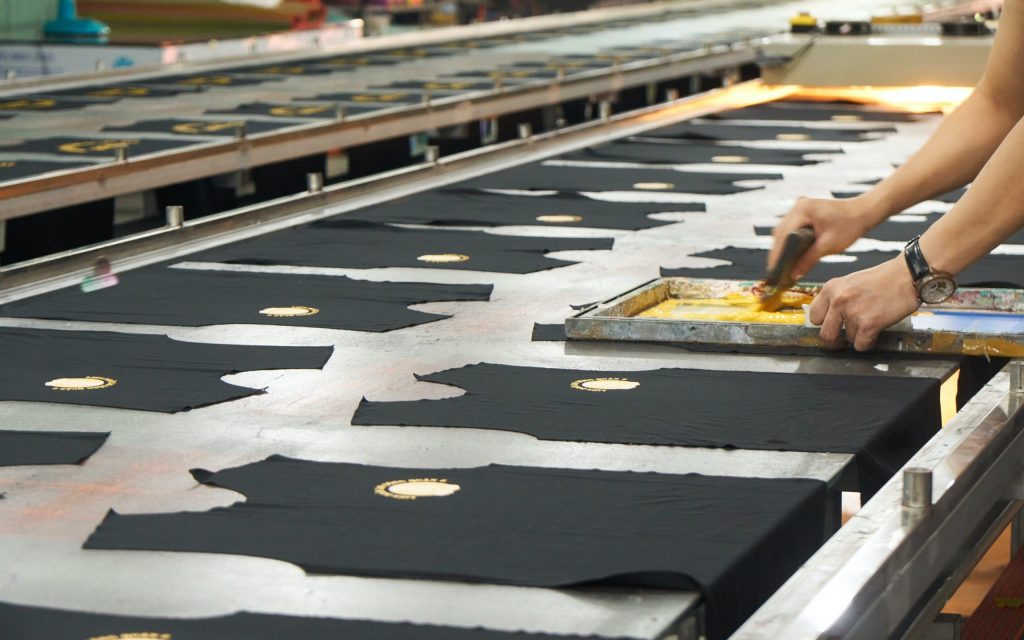
Top Label Printing Innovations That Will Reshape the Industry In 2022 This year (2022), the global market for label printing is set to hit $45.22 billion, while the worldwide volume of printed labels will go up to 1.41 trillion A4 sheets during that same time. These are huge numbers! A critical factor that has enabled this growth is the emergence of digital label printing, which allows prints to happen faster and more economically than previously. Many online print businesses have achieved profitability and have thrived because of this increased efficiency. Digital labels also provide a degree of design clarity and crispness, unlike traditional methods. Couple this with the general increase in eCommerce popularity and you have a boom for the label printing industry. Along with evolving demand, the need to respond faster to multifaceted customer preferences with the help of label design software solutions as well as a growing sense of consciousness about environment-friendly practices has taken precedence. As we kickoff 2022 there are several trends set to reshape the international label printing industry over the next year or so. Here is what to keep an eye on. 1. Automating the label printing processes With greater demand for flexibility and shorter print runs, many label printers are investing in management information systems or robust web-to-print platforms that enable a completely streamlined and automated workflow. Most of the label design software solutions have the potential to integrate with the Cloud and coordinate with shipping partners, monitor the production process, and manage payments automatically while giving customers the flexibility they need to personalize the labels and order them. Such a system running round the clock could significantly speed up production and delivery even for limited-period requirements. 2. Producing premium and premium looking products This involves making a product look more expensive by upgrading the label without changing the product itself. With consumer tastes gravitating to the exclusive and the premium, even in packaging, companies can win more buyers by investing in sleek labels. This involves using a diverse set of embellishments on the label service to make it appear costlier. This improved appearance can readily be accomplished in many ways, such as by controlling the saturation of the base color or by adding tactile effects to the finish. It also helps your label printing business to work with designers who can create custom labels that reflect elegance and taste while accurately representing the product. 3. Self-adhesive labels As the name suggests, self-adhesive labels are constructed in a manner that does not require applying any adhesive substance. They are made by printing the label design onto three layers – a release liner, a layer of adhesive, and the face material. These labels are exceptionally durable, cost-effective, and versatile, making them popular choices for products that need to be shipped long distances and need their labels intact. 4. Biodegradable labels These labels are designed to be environmentally-friendly by being readily biodegradable. They are made from sustainably sourced base materials such as compostable paper and are designed to be compatible across multiple applications. Keep in mind that biodegradable labels are not designed for reuse. They are best suited for plain packaging labels rather than elaborate ones that would have taken substantial time and resources to be manufactured. 5. Recycling labelsels With increased focus on sustainable business processes everywhere, printing and packaging are set to change regarding the materials used significantly. Authorities around the world are introducing guidelines on how to package products with recyclable materials and without waste. Labels are undergoing significant changes, with manufacturers opting for water-based adhesives that can be entirely detached from the surface when immersed in hot water to enable recycling. This is especially helpful for recycling plastic bottles and containers. 6. Transparent labels These are see-through labels that are typically made from some transparent plastic. They can be used as window stickers to offer a glimpse into what lies beneath and act as an extra protective layer for colored or printed surfaces. Given their subtle look, they tend to blend in and keep the focus on the package itself rather than acting as a distraction. They also avoid the risk of color clashing. 7. Custom labels With customer trends everywhere moving towards personalization, it is not hard to see why custom labels are also popular. By getting labels printed on-demand with an online label maker, companies can use different labels to suit each festival, occasion, or individual. From packaging labels to product labels to barcode labels, everything can be customized as the brand desires. They can also use label templates to save in their respective user accounts and edit as needed. 8. Inline label printing methods A common thread for all types of label printing is the need to label packages. Such forms of labeling can range from a need to showcase consistency in branding, identify what is in the package, or offer ingredient or warning info. An inline label printing process enables you to put these details on the packaging thus giving you more flexibility to change designs more efficiently and print on more unique surfaces with different textures. Consumer spending is on the uptick, and the global pandemic has made online shopping more relevant than ever. Brands that can distinguish themselves with high quality packaging and labels can create that much-needed good first impression and keep the orders coming. If you want to upgrade your label printing game online and want innovation in the printing industry to support that, do not hesitate to contact us at www.zakeke.com for a quick demo or book your free consultation by visiting our website. Zakeke is well integrated with nearly all platforms and our knowledgeable team can assist you with selecting and vetting the elements of your ecosystem. If you are wondering what you can do with Zakeke, check out our DEMO STORE. Supported Platforms: DISCOVER ZAKEKE START A FREE TRIAL Stay up to date and follow us on LinkedIn, Facebook and Instagram
February 2022 Release Notes
Sales Channels makes it easier for merchants, agencies and existing partners to manage and sell products across all of their channels and stores using just one Zakeke account.
5 Things to get Started on the Web to Print Business
1. Do you want to target the B2B or B2C market? Define your target customer so you can pick the correct tool. You need to decide what your end goal is before you start shopping for a solution. Determine what your targeted end customer is and then work backwards into a solution. There is a tremendous difference between the B2B and B2C markets as they have completely different needs and to be able to serve a segment well you need a solution dedicated to that segment. 2. Are you willing to offer more than print materials? The core question is, are you willing to expand the products and services you offer to be able to provide a complete marketing solution to your end customers? This still applies for both B2C and B2B market segments. This also includes services outside of products, such as kitting and assembly, inventory forecasting, guidance on best production methods based on usage and more. Customers are looking to find easy solutions to their problems. Finding partners that can ease steps along the entire marketing chain can work to distinguish yourself from other vendors. 3. How are you going to get your customers to the platform? While you are evaluating your options and the various solutions in the market, you should have a parallel process running to get customers to your selected platform. If you are going after the B2C market – Do you have a strong SEO strategy and practice? How are you going to drive traffic to the site? Are you going to run ad campaigns? If you are going after the B2B market – Which clients are you going to approach? What is your niche or your approach? You must have a plan on how to make your implementation of a platform successful. What are your metrics for success? 4. What happens when the orders start coming in? Once you have selected your platform and you are getting the orders flowing in then what do you do? If you are having to run operations with manual processes you are heading towards long days and missed deadlines. Whichever platform you choose be sure to run a handful of full cycle tests. Not only test the ordering process that your customers will experience, but also push those orders all the way through to final shipment. Is your overall system integrated from start to finish? If your customers are ordering things that are procured outside your company how does that flow work? Be prepared to handle the orders quickly. 5. Have you identified your internal leader and team? Selecting the right person on your team to ensure the project is successful is a key to success. This person should be held responsible for results and should be measured on set milestones and deadlines. If you successfully go through these five steps you are well on your way to a successful web to print implementation and business. Zakeke is well integrated with nearly all platforms and our knowledgeable team can assist you with selecting and vetting the elements of your ecosystem.
eCommerce Trends for 2022
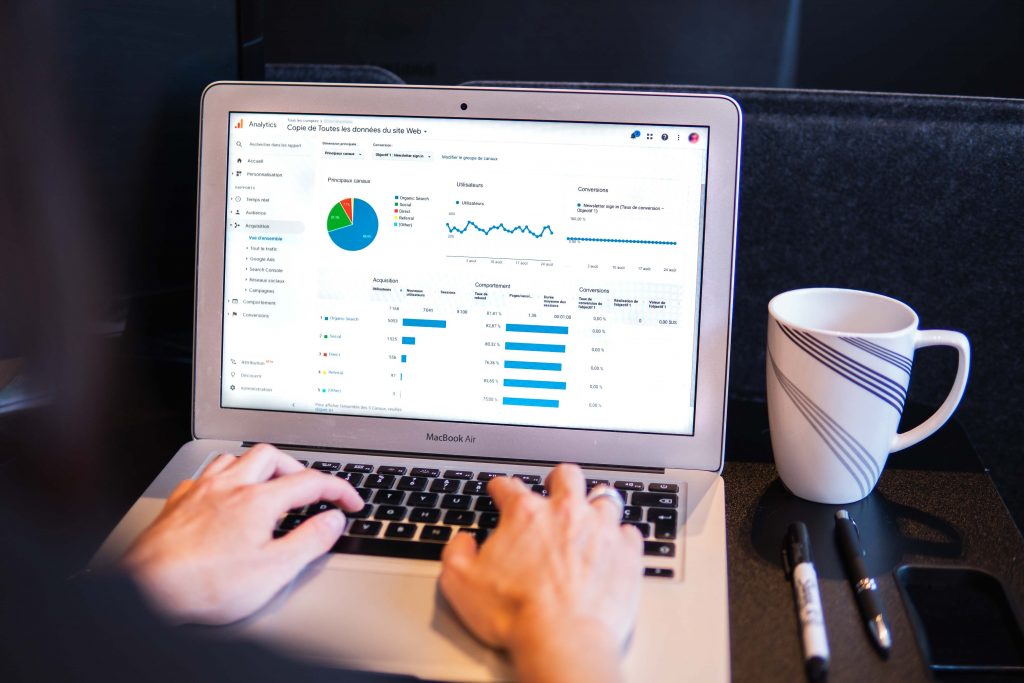
Lessons Learned Trends for 2022 The acceleration of e-commerce is no secret to retailers. Amazon is always an example of how retail media spending can drive growth, while other retailers have been inspired and are in the process of launching their own retail media markets. E-commerce has been a part of social platforms for quite some time now. It has become an even more frictionless experience, especially for mobile devices. Users see ads targeted to their interests and with one button can click through to make their purchase. This smooth transaction can be seen with Instagram ads and, more recently, TikTok. While social platforms are tracking users and their activity, we are seeing privacy and regulatory battles intensify. The prevalence and tracking power of the cookie has begun fading with the implementation of privacy technology. Increasing adoption of this technology as well as potential new regulations and laws will require marketers to change. As the old methods to target, track and attribute the results of ad campaigns begin to become obsolete, companies will need to innovate and adapt to remain in touch and engaged with their consumers. Strategies for Success So, where do you start? Take inventory of your e-commerce health and evaluate your digital shelf to ensure optimal product content. How are your products presented? How easy is it for your customers to visualize your products? Is your pricing competitive? Here are a few specific strategies to consider executing in the new year. Be everywhere. The consumer is looking at every possible option on every site. It’s important to be where consumers are shopping or looking at advertisements, including big retail sites, social media platforms and other online locations. Think about how your business is reaching consumers currently and find the gaps. Diversify your approach as diversification builds durability. This means diversifying where you receive your supply, which channels you are selling on, which countries you are reaching and what fulfillment options you offer. As you think about expanding to new channels, factor in the customer acquisition costs. Think about the channels you are expanding to and the cost for advertisement. What’s your strategy for moving to new channels and have you budgeted for it? Focus on fulfillment. The last mile has gotten competitive, especially with features such as shortened delivery times, free shipping and buy-now-pick-up-later options. The consumer journey is important at every stage including the fulfillment options. Set yourself apart from other retailers and brands to get consumers their products when and how they prefer. If you are wondering what you can do with Zakeke, check out our DEMO STORE. Supported Platforms: DISCOVER ZAKEKE START A FREE TRIAL Stay up to date and follow us on LinkedIn, Facebook and Instagram
Adobe Commerce Product Configurator: A Direct Path to Conversion
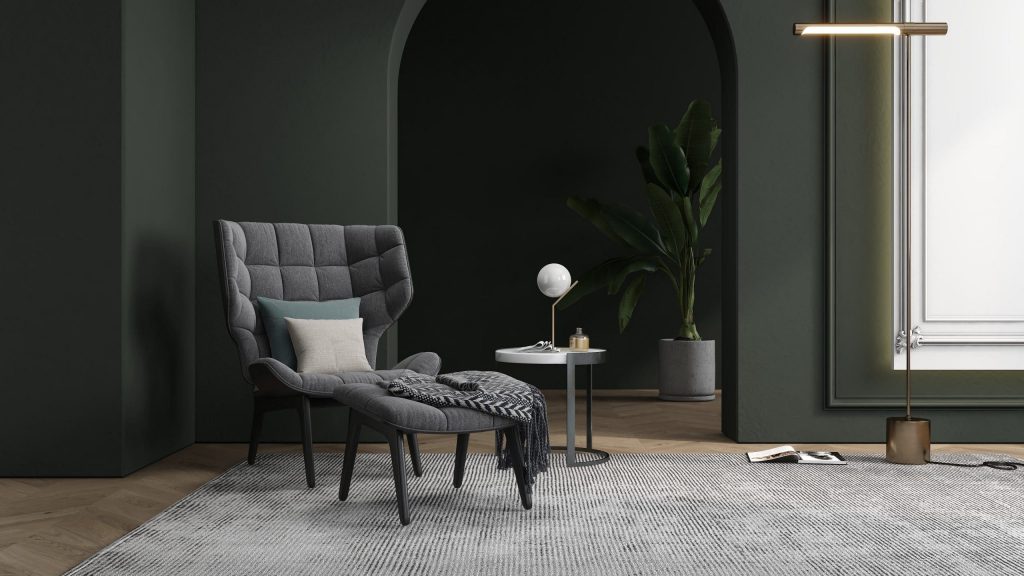
Online shopping is increasing day by day, and it is gaining significant momentum and superior customer virtual experience. To become the fastest-growing retailer, it is essential to do product configuration. If you plan to grow your online business, Adobe Commerce is one of the best platforms you can rely on. Personalized products and services bring more conversion rates and retention in this modern generation. In this article, we will learn about Adobe Commerce Product Configurator and how it is beneficial for eCommerce businesses. Apart from that, if you are searching for a top-rated company offering personalized products and services, Zakeke is the right place for you. We are one of the leading experts in the market, providing professional and complete solution services to brands who want to attain the best shopping experience. Apart from that, we aim to increase our clients’ brand awareness, covering different topics and more. Before moving ahead, let’s learn more about Adobe Commerce and the product configurator. What Is Adobe Commerce? Adobe Commerce was initially known as Magento Commerce, which has the flexibility to fulfill all the eCommerce needs of the clients. It helps the brand integrate, visualize, manage, and optimize the interface. The eCommerce platform needs to be flexible and extensible no matter what you do. It gives you the ability to handle growth and new technology to grow your business. What Is a Product Configurator? A product configurator is a program that permits customers to change the arrangement of the product online before purchasing. The elements help customize products depending on the color, size, and features. However, configurator tools depend on the complexity. The eCommerce companies aim to create products, which match customers’ needs. In simple words, it is the process of rendering images and artwork. Product Visualization That Is Right For You Once your 3D product is linked to Adobe Commerce, you can switch on Augmented Reality on any product. A buyer can visualize the product just by a click on it. It is one of the powerful tools that present the best alternative to static eCommerce product photography. It helps the products stand out in the crowd, simple as that. Products that do not require much arrangement or personalization can increase conversion rates by placing 3D product configuration or view. The 3D version of a product leads to interactive 3D eCommerce and enables buyers to see the products from different angles, changing materials, components, adding a personal and unique touch to it. Advantages of 3D Product Images Some of the prominent advantages of 3D product images are as follows: As per the sources, maximum consumers point to the product visuals as it is one of the essential decisions that impact their buying decision. By making interactive product pages, you can create the best in-store experience for your customers, making them choose you and trust you. The 3D demo builds trust between the brand and the partner and influences their decision-making process. It leads to an increase in purchasing the products that generate revenue for the brand. Once the 3D product is rendered, it can be converted into animation without unnecessary work. It adds overall value to the 3D model and can be effectively incorporated into the listing. 3D photo images are one of the best options for showcasing product quality to attract the maximum target audience. The artists use multiple images in one picture and make it stand out in the crowd. Taking traditional photos of the products concludes several steps. You need to create the product, adjust lighting, audio, and then send it to the editing team to create the final copy. 3D configurator helps reduce the cost, where the team directly creates the model of the product and personalizes it to the website. It is one of the most impressive ways to showcase your product to your audience. It allows unlimited customization. For example, a product can be designed in different elements adding colors, and more. You can quickly replicate these designs into other products. If you are wondering what you can do with Zakeke, check out our DEMO STORE. Other Supported Platforms: DISCOVER ZAKEKE START A FREE TRIAL Stay up to date and follow us on LinkedIn, Facebook and Instagram
Adobe-Commerce-Produktkonfigurator: Ein direkter Weg zur Conversion
Online-Shopping wird von Tag zu Tag einflussreicher, gewinnt erheblich an Dynamik und bietet ein zunehmend besseres virtuelles Kundenerlebnis. Um als Einzelhändler zu wachsen, müssen Sie die Produktanpassung in Ihr Angebot aufnehmen. Wenn Sie planen, Ihr Online-Geschäft auszubauen, ist Adobe Commerce eine der besten Plattformen, auf die Sie sich verlassen können. Personalisierte Produkte und Dienstleistungen führen zu besseren Conversion Rates und einer höheren Kundenbindung, besonders unter jüngeren Kunden. In diesem Artikel erfahren wir mehr über den Adobe-Commerce-Produktkonfigurator und seine Vorteile für E-Commerce-Unternehmen. Wenn Sie darüber hinaus auf der Suche nach einem erstklassigen Unternehmen sind, das personalisierte Produkte und Dienstleistungen anbietet, sind Sie bei Zakeke genau richtig. Wir sind einer der führenden Experten auf dem Markt und bieten professionelle und umfassende Lösungen für Marken, die ihren Kunden ein optimales Einkaufserlebnis bieten möchten. Wir helfen unseren Kunden auch dabei, ihre Markenbekanntheit zu steigern, indem wir verschiedene damit verbundene Aspekte ansprechen. Bevor wir fortfahren, erfahren Sie hier mehr über Adobe Commerce und den Produktkonfigurator. Was ist Adobe Commerce? Adobe Commerce war ursprünglich als Magento Commerce bekannt und bietet die Flexibilität, alle E-Commerce-Anforderungen von Kunden zu erfüllen. Es hilft Marken bei der Integration, Visualisierung, Verwaltung und Optimierung der Benutzeroberfläche. Eine E-Commerce-Plattform muss flexibel und erweiterbar sein, egal was Sie tun. So können Sie wachsen und sich an neue Technologien anpassen, um Ihr Geschäft auszubauen. Was ist ein Produktkonfigurator? Ein Produktkonfigurator ist ein Programm, das es Kunden ermöglicht, die Gestaltung eines Produkts vor dem Kauf online zu ändern. Mit den Elementen können Produkte je nach Farbe, Größe und Ausstattung angepasst werden. Konfigurator-Tools unterscheiden sich jedoch im Hinblick auf ihre Komplexität. E-Commerce-Unternehmen möchten Produkte schaffen, die den Bedürfnissen der Kunden entsprechen. Kurz gesagt geht es dabei um das Rendern von Bildern und anderen Grafiken. Produktvisualisierung, die zu Ihnen passt Sobald Ihr 3D-Produkt mit Adobe Commerce verknüpft ist, können Sie Augmented Reality für jedes Produkt aktivieren. Ein Käufer kann das Produkt einfach durch einen Klick visualisieren. Es ist eines der leistungsstärksten Tools und stellt die beste Alternative zu statischen E-Commerce-Produktfotosdar. Es hilft den Produkten, sich von der Masse abzuheben. Produkte, die nicht viel Gestaltung oder Personalisierung erfordern, können die Conversion Rates durch eine 3D-Produktkonfiguration oder -ansicht erhöhen. Das Angebot einer 3D-Version eines Produkts bringt den E-Commerce in die 3D-Welt : Es ermöglicht den Käufern, die Produkte aus verschiedenen Blickwinkeln zu betrachten, Materialien und Komponenten zu verändern und ihnen eine persönliche und einzigartige Note zu verleihen. Vorteile von 3D-Produktbildern Hier einige der wichtigsten Vorteile von 3D-Produktbildern: Untersuchungen zufolge achten die meisten Verbraucher auf das Erscheinungsbild der Produkte als eines der wichtigsten Elemente, die ihre Kaufentscheidung beeinflussen. Durch die Erstellung interaktiver Produktseiten können Sie Ihren Kunden das beste Einkaufserlebnis bieten, sodass sie sich für Sie entscheiden und Ihnen vertrauen. Die 3D-Demo schafft Vertrauen zwischen der Marke und dem Kunden und beeinflusst den Entscheidungsprozess. Dadurch können Sie mehr Produkte verkaufen und den Umsatz Ihrer Marke steigern. Sobald das 3D-Produkt gerendert ist, kann es ohne unnötigen Aufwand in eine Animation umgewandelt werden. Diese erhöht den Gesamtwert des 3D-Modells und kann wirkungsvoll in ein Inserat integriert werden. 3D-Fotos sind eine der besten Optionen, um die Qualität von Produkten zu präsentieren und eine möglichst große Zielgruppe anzusprechen. Die Künstler verwenden mehrere Bilder in einem Bild und sorgen dafür, dass es sich von der Masse abhebt. Für traditionelle Produktfotos sind mehrere Schritte erforderlich. Sie müssen das Foto aufnehmen, die Beleuchtung und den Ton anpassen und es dann an das Redaktionsteam senden, um die endgültige Kopie abzeichnen zu lassen. Ein 3D-Konfigurator hilft, die Kosten zu senken, indem das Team direkt das Modell des Produkts erstellt und es an die Website anpasst. Es ist eine der beeindruckendsten Möglichkeiten, Ihr Produkt Ihrem Publikum zu präsentieren. Es ermöglicht eine unbegrenzte Anpassung. Ein Produkt kann zum Beispiel mit verschiedenen Elementen, Farben und mehr gestaltet werden. Sie können diese Designs schnell auf andere Produkte übertragen. Wenn Sie sich fragen, was Sie mit Zakeke tun können, besuchen Sie unseren DEMO STORE. Andere unterstützte Plattformen: ZAKEKE ENTDECKEN KOSTENLOSE TESTVERSION STARTEN Bleiben Sie auf dem Laufenden und folgen Sie uns auf LinkedIn, Facebook und Instagram
How You Can Make Your BigCommerce Store Stand Out With Product Customization
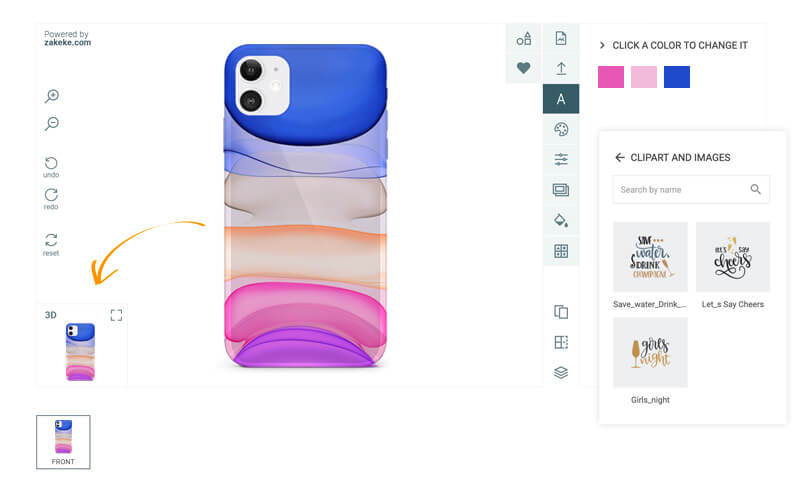
You need to use the most effective tools in today’s cut-throat eCommerce market to gain a competitive advantage. The optimal solution for your BigCommerce shop should be one that meets the current needs and demands of your consumers. Once a consumer arrives on your eCommerce website, you ideally want to keep them there and convert their lead into a sale. With the power of product customizers, businesses are taking user experience and engagement to the next level. Through its means of 3D configuration, AR and visual customization, BigCommerce product customizers invigorate your eCommerce website by grabbing the attention of its visitors and turning browsers into buyers. What Is A Product Customizer? A product customizer is an innovative and interactive tool through which users can interact with and that allow for the extensive and complete exploration of a physical product customization on a digital store. It emulates the experience provided by physical retail establishments by superimposing products in a completely navigable and accessible way. This allows consumers to better understand the products in which they’re prospective to buy, and thus facilitates the online sales and eCommerce process. How Can A Product Customizer Be Beneficial To My BigCommerce Store? Traditionally, eCommerce sites were limited to two dimensional representations of their products, which often posed barriers for their customers in regards to their ability to completely understand the nature and details of the product they were viewing. With the integration of a BigCommerce product customizer however, the online sales experience has been completely reimagined and streamlined, through its capacity to allow consumers to not only view products in a 360 degree manner, but to also permit users to design or customize products to their liking. By adopting this innovative technology, eCommerce websites are bridging a massive gap within online product sales which has the potential to greatly bolster engagement and conversions, while reducing returns. A BigCommerce product customizer and configurator is an interactive tool with live 3D models that enables online shoppers to explore products extensively, just like in a physical store. Potential customers can also design or customize products to meet their unique needs by adding or applying custom options like features, colors, materials, and more before buying. Why Is It Practical? While high-resolution product photos entice customers, producing them can be costly. A product customizer uses imaging technology to allow companies to display their items in a variety of images without the need for costly photoshoots. Customers see the world in 3D. 3D models of online goods make the items come to life, and the added dimension can position customers to personalize goods and envision their creations. By providing users with an experience that is as accessible to them as possible, online merchants are increasing their customer’s ability to visualize their products, and to ultimately decide on a purchase. Adding a product customizer to your Bigcommerce store could have a massively positive impact on your eCommerce business by increasing conversions, boosting engagement and strengthening customer relationships. What Can I Do On The Product Customizer Screen? A product customizer can provide users with an experience which is as interactive as possible by allowing them to customize products in a variety of ways. Users have the ability to add any custom features such as size, color and more before making their purchase. The product customizer will also provide users with a customizable version of the product that they’re viewing or designing, which gives them an opportunity to explore it in detail and to gain a deeper understanding of its structure, function and utility, also with 3D & AR views. After all, what better way is there to connect with your buyers than offering them a personalized and understandable experience? Product configurators are the next innovation set to change the game in eCommerce. By adopting a product customizer, online merchants can provide their customers with an interactive shopping experience that will increase conversions and boost engagement. With the ability to create detailed and immersive experiences in which their customers can view and design products, eCommerce websites will be able to elevate their business in a way that is entirely unique and unprecedented. If you want your customer’s buying journey to be as effective and efficient as possible, then you need a product customizer. If you are wondering what you can do with Zakeke, check out our DEMO STORE. Supported Platforms: DISCOVER ZAKEKE START A FREE TRIAL Stay up to date and follow us on LinkedIn, Facebook and Instagram
Wie Sie Ihren BigCommerce-Shop durch Produktanpassung hervorheben können
Auf dem heutigen hart umkämpften E-Commerce-Markt müssen Sie die effektivsten Tools einsetzen, um sich einen Wettbewerbsvorteil zu verschaffen. Die optimale Lösung für Ihren BigCommerce-Shop sollte eine sein, die den aktuellen Bedürfnissen und Anforderungen Ihrer Kunden entspricht. Wenn ein Kunde einmal auf Ihrer E-Commerce-Website angekommen ist, möchten Sie ihn idealerweise dort halten und einen Lead in einen Verkauf umwandeln. Mit der Macht der Produktanpassung heben Unternehmen die Benutzererfahrung und das Engagement auf die nächste Stufe. Durch die Möglichkeiten der 3D-Konfiguration, AR und visuellen Anpassung beleben BigCommerce-Produktanpassungs-Tools Ihre E-Commerce-Website, indem sie die Aufmerksamkeit der Besucher auf sich ziehen und diese in Käufer verwandeln. Was ist ein Produktanpassungs-Tool? Ein Produktanpassungs-Tool ist ein innovatives und interaktives Tool, mit dem Benutzer interagieren können und das die umfassende und vollständige Erkundung einer physischen Produktanpassung in einem digitalen Shop ermöglicht. Dies ahmt das Erlebnis nach, das physische Einzelhandelsgeschäfte bieten, indem Produkte auf eine vollständig navigierbare und zugängliche Weise eingeblendet werden. Auf diese Weise können die Verbraucher die Produkte, die sie kaufen möchten, besser verstehen und so den Online-Verkauf und den E-Commerce-Prozess erleichtern. Welche Vorteile schafft ein Produktanpassungs-Tool für meinen BigCommerce-Shop? Traditionell waren E-Commerce-Websites auf zweidimensionale Darstellungen ihrer Produkte beschränkt, was für die Kunden oft ein Hindernis darstellte, da sie die Art und die Details des Produkts, das sie betrachteten, nicht vollständig verstehen konnten. Mit der Integration eines BigCommerce-Produktanpassungs-Tools wird das Online-Verkaufserlebnis jedoch völlig neu gestaltet und rationalisiert, da es den Verbrauchern nicht nur die Möglichkeit bietet, Produkte in einer 360-Grad-Ansicht zu betrachten, sondern auch Produkte nach ihren Wünschen zu gestalten oder anzupassen. Durch den Einsatz dieser innovativen Technologie überbrücken E-Commerce-Websites eine große Lücke im Online-Verkauf von Produkten, die das Potenzial hat, , das Engagement und die Conversion erheblich zu steigern und gleichzeitig die Anzahl der Rücksendungen zu reduzieren.. Ein BigCommerce Produktanpassungs- und -konfigurations-Tool ist ein interaktives Tool mit Live-3D-Modellen, das es Online-Käufern ermöglicht, Produkte ausgiebig zu erkunden, genau wie in einem physischen Geschäft. Potenzielle Kunden können auch Produkte entwerfen oder anpassen, um ihre individuellen Bedürfnisse zu erfüllen, indem sie vor dem Kauf benutzerdefinierte Optionen wie Funktionen, Farben, Materialien und mehr hinzufügen oder anwenden. Warum ist das nützlich? Hochauflösende Produktfotos locken zwar Kunden an, können aber sehr kostspielig sein. Ein Produktanpassungs-Tool nutzt die Bildtechnologie, um Unternehmen die Möglichkeit zu geben, ihre Artikel in einer Vielzahl von Bildern darzustellen, ohne dass kostspielige Fotoshootings erforderlich sind. Kunden sehen die Welt in 3D. 3D-Modelle von Online-Waren erwecken die Artikel zum Leben. Durch die zusätzliche Dimension können Kunden die Waren personalisieren und sich ihre Kreationen vorstellen. Indem sie den Nutzern ein möglichst zugängliches Erlebnis bieten, erhöhen Online-Händler die Fähigkeit ihrer Kunden, sich ein Bild von ihren Produkten zu machen und sich schließlich für einen Kauf zu entscheiden. Das Hinzufügen eines Produktanpassungs-Tools zu Ihrem BigCommerce-Shop kann sich massiv positiv auf Ihr E-Commerce-Geschäft auswirken, indem es die Conversion Rate erhöht, das Engagement steigert und die Kundenbeziehungen stärkt. Was kann ich auf dem Produktanpassungs-Bildschirm tun? Ein Produktanpassungs-Tool kann Benutzern ein interaktives Erlebnis bieten, indem es ihnen erlaubt, Produkte auf verschiedene Weise anzupassen. Sie haben die Möglichkeit, vor dem Kauf individuelle Merkmale wie Größe, Farbe und mehr hinzuzufügen. Das Produktanpassungs-Tool bietet den Benutzern auch eine anpassbare Version des Produkts, das sie gerade betrachten oder entwerfen. So haben sie die Möglichkeit, es im Detail zu erkunden und ein tieferes Verständnis für seine Struktur, Funktion und seinen Nutzen zu gewinnen, auch mit 3D- und AR-Ansichten. Denn was gibt es Besseres, um mit Ihren Käufern in Kontakt zu treten, als ihnen ein personalisiertes und verständliches Erlebnis zu bieten? Produktkonfiguratoren sind die nächste Innovation und werden fraglos den E-Commerce revolutionieren. Durch den Einsatz eines Produktanpassungs-Tools können Online-Händler ihren Kunden ein interaktives Einkaufserlebnis bieten, das die Conversion Rate und das Engagement erhöht. Mit der Möglichkeit, detaillierte und eindringliche Erlebnisse zu schaffen, in denen Ihre Kunden Produkte betrachten und gestalten können, werden E-Commerce-Websites in der Lage sein, ihr Geschäft auf eine völlig einzigartige und noch nie dagewesene Weise aufzuwerten. Wenn Sie möchten, dass der Kaufprozess Ihrer Kunden so effektiv und effizient wie möglich abläuft, dann brauchen Sie ein Produktanpassungs-Tool. Wenn Sie sich fragen, was Sie mit Zakeke tun können, besuchen Sie unseren DEMO STORE. Unterstützte Plattformen: ZAKEKE ENTDECKEN KOSTENLOSE TESTVERSION STARTEN Bleiben Sie auf dem Laufenden und folgen Sie uns auf LinkedIn, Facebook und Instagram