

The Future of Shopping: Exploring the Metaverse Retail Revolution

The retail industry has undergone drastic changes in recent decades, and one of the most exciting new trends is the emergence of metaverse retail. As technology continues to advance at unprecedented rates, more consumers are gravitating toward virtual reality and other digitally immersive experiences, which is having a profound effect on the retail market and the retail economy at large. In general terms, metaverse retail refers to the practice of creating a virtual shopping experience that simulates the look or “feels” of real-world stores. Some popular metaverse examples include the Gucci metaverse, which allows customers to browse and procure virtual versions of the fashion brand’s products, and the Walmart metaverse, which offers a more traditional retail shopping experience in a virtual reality environment. These retail industry trends are expected to continue and evolve, as more brands look to create their own fashion metaverse or metaverse store to engage with customers. In truth, many retail blog websites are already exploring the potential of the metaverse as a new frontier for retail shopping. As more companies and brands dip their toes into the metaverse market, the metaverse shopping mall will likely become a major feature in future retail stores. And as these brands in the metaverse continue to innovate and push the boundaries of what’s possible, who can say for sure what’s in store for the future of retail stores? Understanding the Metaverse The term “metaverse” describes a virtual realm populated by millions of users and their avatars. The metaverse is a shared space that is completely immersive, interactive, and user-generated. In recent years, several companies have set up shop within the metaverse, so to speak, as a way of providing additional methods for shoppers to browse and purchase goods. Nowadays, the metaverse is a way for retailers to connect with their customers from all over the world and provide them with a truly unique and engaging shopping experience. Metaverse shoppers have the chance to browse a virtual store, interact with products and make purchases in a highly immersive and interactive way. And all of this can be accomplished with only some basic Virtual Reality (VR) or Augmented Reality (AR) equipment. One of the key advantages of the metaverse in retail shopping is that it enables companies to provide a highly personalized experience. In addition to creating their own avatars, shoppers can navigate the meta mall at their own pace, interact with other shoppers, get feedback and recommendations from virtual sales assistants, and even share their shopping experiences on social media or with other metaverse users. The Metaverse’s Impact on the Retail Industry The metaverse has already had a significant impact on the retail industry and it is widely expected by many to continue to revolutionize the way consumers shop as more brands explore the potential of virtual shopping experiences. These retail trends in 2023 are driven primarily by increasing demand for personalized, immersive shopping experiences for consumers. The metaverse provides retailers with a unique opportunity to engage with customers in new and exciting ways that are not available in traditional retail channels. As a result, the metaverse market size 2030 estimates indicate that the industry is projected to reach $1 trillion. And as more brands funnel into the metaverse and other digital landscapes, consumers are likely to see more and more virtual shopping malls, where customers can browse a variety of stores and make purchases in ways they simply cannot through traditional methods. Companies that are quick to adapt to these new trends and possibilities will likely be more able to provide customers with new, engaging shopping experiences (while simultaneously increasing revenue streams and their market share). Ultimately, consumers can expect that the metaverse will revolutionize the way people shop and experience retail for many years to come. Summary of the Future of Metaverse Retail With the major shift towards more virtual shopping experiences, both consumers and businesses are having to adapt to new ways of shopping and selling products. Consumers, on the one hand, are increasingly seeking out personalized and immersive shopping experiences. Within the metaverse, shoppers can check out digital products and get a real feel for what they are buying, even though they’re not physically present in a retail store. Consumers are also getting used to being able to share their experiences in the virtual world and chat with other metaverse users about online retail. On the other hand, businesses are having to adapt to the metaverse by designing virtual stores and enhancing their online presence. Real-world obstacles to store design do not necessarily apply to digital applications, so businesses must find ways to make the most of their digital space. One of the major challenges businesses face in this new digital frontier is simply understanding the technologies and infrastructures involved in supporting metaverse applications. This can be a time-consuming and costly process, as the skills to efficiently leverage these technologies are still relatively new. Another challenge many businesses face is ensuring that the virtual shopping experience in metaverse retail is accessible to everyone, regardless of their location or physical abilities. This means businesses must invest in developing accessible technologies that can support a wide range of devices to provide a seamless, pleasant experience for all users. The rise of metaverse retail is ushering in numerous significant changes in consumer behavior, business operations, and the retail industry as a whole. While there are certainly obstacles and challenges associated with implementing this new technology, the potential benefits are astronomical – and not yet fully understood. As more businesses invest in the metaverse, consumers can expect to see a greater shift towards more personalized and immersive shopping experiences that forever transform how the retail industry operates.
3D Car Customization: The Ultimate Trend For Car Market

The practice of car customization is not new. However, the car industry has seen a dramatic increase in car upgrades and other customizations over time. People want to increase their car’s performance, give it a new and more unique paint job, accessorize their vehicles, and jazz up the interior (including the sound systems). But, when they go to a traditional car dealership, they’re stuck picking from what’s available, and they must invest in these vehicle customization options later on – which can deter them from buying what they may really want. This is where Product Customization comes into the picture. What do we mean by product customization? Simply the process that lets customers create their dream products, even unique cars! What can be customized? Colors, routes, design, accessories… anything! In some ways, you can think of an online 3D Car Customizer interface as the character creation step for a modern video game that allows you to pick your character’s appearance. Now that this customization technology exists, people can create their dream cars in a real-world build-your-own-car game. So do we really expect them to pass up this opportunity? Understanding 3D Car Customization People have been customizing cars since the beginning of the automotive industry. The first cars were not mass-produced like today – every car was customized (and incredibly expensive). Wealthy individuals would hire someone to customize the vehicle to match their lifestyle better. As companies began mass-producing models of cars, the overall price of these vehicles decreased, but so did the customizations. As a result, many car companies began offering “car customizing” options to incentivize customers to buy their models. These allow customers to modify certain parts of the car or add accessories. Today, car customization is more popular than ever. While the concept of customizing a car is the same as always, the way you can customize a car today is quite different. Using modern technology, you can customize your vehicle online without even talking to a dealer. You can search “3D car customization software online” and find several options to build and customize your dream car. This allows customers to create what they want much quicker, which is becoming an expectation with the rise of e-commerce and 3D visualization technology. All The Benefits Of 3D Car Customization So, what are the benefits of offering your customers a 3D Car Customization tool? Let’s explore together: The Process Of 3D Car Customization Now that you know what are the benefits of 3D configuration for vehicles, you may wonder how 3D Car Customization Apps work. Thankfully, getting a car customized today with virtual designing and 3D printing technology is quite simple. In the simplest overview, the process for car customization is as follows: In other words, as many car companies have the machines already in place to automate the actual part creation and assembly process, all you need to do to get a customized car is design it using their 3D car customization options, and then the machines take care of the actual creation of the vehicle. Examples Of 3D Car Customization A 3D Car Configurator allows customers to experiment with different colors, features, accessories, and more without buying them. Offering mass customization options in a 3D car game-like interface allows them to zero in on their design aesthetic and find out what they want in a vehicle. For example, they may opt for some relatively under-the-radar customization options to their car’s interior, or they may want a standout vehicle like Chris Brown’s eye-catching color-changing Lamborghini or Flo-Rida’s gold chrome Bugatti. Generally, if you’re wondering about the best cars to customize, it’s worth noting that every car can be customized, not just the most expensive ones. With the right 3D Car Configurator, you just need to set the customization rules by choosing the options you want to allow your clients to select. This way, it becomes easy to make the car customizable and to produce it according to the customer’s choices. The Future of The Automotive Market The future of the automotive market is being reshaped by advancements in Augmented Reality and 3D printing technology, signaling a shift towards comprehensive vehicle personalization. These innovations promise to revolutionize customer experiences in car dealerships, offering 3D car customization interfaces that provide an immersive, detail-rich preview of their future car. From body kits to interior ambiance, the extent of customization is boundless, allowing customers to craft their dream vehicles with precision. This shift, however, transcends the automotive industry. It’s part of a larger movement towards bespoke products across various sectors, highlighting a future where personalization is central to consumer satisfaction. The fusion of AR, 3D, and customization is not just transforming car design; it’s redefining market consumerism. In this emerging era, the power of choice and individual expression is paramount, positioning customization as a fundamental component of the modern consumer journey. The future, it seems, belongs to those who can offer a truly personalized experience, making customization the cornerstone of competitive advantage and customer loyalty. 3D Car Customization: Make it Simple and Affordable with Zakeke The point of a 3D car model maker online interface is to allow your customers to play around with designing a vehicle without feeling trapped in whatever they have selected. They can make the whole car pink, like Paris Hilton’s iconic pink Bentley Continental GT. Maybe they want their car to look like the Iron Man suit. Product Customization and Configuration software allows customers to play around with these fun ideas and figure out what shows their personality. If you want to give your customers an engaging experience, Zakeke’s 3D Product Configurator software can help you. Zakeke’s no-code software is easy to use for you and your customers and integrates seamlessly with all major e-commerce and website platforms. Imagine your customers selecting the color, the components, the material of the seats, and the shape of the gear shift of the cars you sell… intriguing, right? And all online, viewing the changes to the car in real-time to
Immersive Art Experiences: how Augmented Reality is changing the Art Market

Immersive art is a great way to experience art in a new and more engaging way. In the art and entertainment industry, experience is everything. That is what viewers are there for. They want to feel something because of the piece of art or performance. Immersive art experiences allow the viewers to experience the art in more than one way — which can create a more impactful experience overall. There are many immersive art experiences today, many of which move around to different cities. So, if you’re looking for an immersive art experience, 2023 has a lot to offer — and with the rising popularity of these experiences, we’re sure next year will have even more. What are Immersive Art Experiences? Immersive art is an interactive form of art that allows the viewers to have a more immersive experience in the art — rather than traditional art you typically view from a distance. This approach to art has a long history, dating back to the 1960s. One example of immersive art in the ’60s is Yayoi Kusama’s first Infinity Mirror Room in 1965, shown in the Castellane Gallery in New York. Some recent examples include Hatsune Miku’s virtual reality performance at Coachella in 2020 and immersive art exhibits of traditional paintings — such as Monet and Picasso projections. If you are looking for popular immersive art experiences, Van Gogh’s exhibition is available in many locations in the United States, Europe, and the Asia-Pacific region. Another popular option is Lighthouse Immersive — which offers a variety of immersive experiences from Mozart to Disney in its locations across the United States and Ontario, Canada. Types of Immersive Art Experience There are five common types of immersive art experiences. These are: You can find these experiences at many immersive art museums or galleries. VR and AR art experiences both play on reality. Augmented Reality offers an altered version of reality side by side with the real world — such as allowing viewers to see paintings in a new light or what something may have looked like when it was first made. Conversely, VR replaces reality with an alternate one — such as completely replacing your surroundings with a painting. Why are Immersive Art Experiences popular? The largest appeal of immersive experiences is that they allow viewers to experience stronger connections to art. Of course, there is no denying that traditional art will always have a place in our society, but there is something alluring about being able to be a part of the art rather than a bystander. As technology advances and more museums, galleries, and performances adopt a more immersive experience approach, viewers are beginning to desire these experiences throughout the art and entertainment industry. Characteristics of Immersive Art Experience As mentioned above, immersive art allows you to experience art in a new way — a way that traditional art cannot. Immersive art allows you to gain the following experiences from a single exhibit: The technology behind Immersive Art Experiences As mentioned above, there are a few different types of immersive art experiences, and each uses different techniques to achieve the “immersive” part of the experience. A lot of the time, however, AR, VR, or 3D visualization technology can play a large role in making an experience immersive. For example, Vocaloid concerts use AR and VR technology to project the stars onto the stage to sing and dance. These experiences are only possible today because of the advancements in 3D visualization technology. Immersive Art Experiences and e-commerce Now, you may wonder, how are immersive art experiences and e-commerce related? Simply put immersive art experiences and e-commerce utilize the same AR technology to better engage their audiences. While AR technology may be used in immersive art to bring a new perspective or experience to a traditional gallery showing, in e-commerce, it is typically used to help customers know better what they are buying. Many well-known brands use AR technology to create a more immersive experience for their customers. For example, IKEA Kreatif allows customers to create a 3D replica of their room and see how new furniture would fit. Similarly, try-before-you-buy services, like Amazon’s virtual try-on for shoes, allow customers to see how a piece of clothing or other accessories would look on them before they buy it — thus increasing the likelihood that they will be happy with their purchase. Zakeke’s AR technology for e-commerce As consumers get more exposure to 3D visualization technology in the retail industry, they expect these features from other retailers. Unfortunately, this means that if you are not offering these features, you may lose out on customers that bring their business to another company that does offer these features. Luckily, with the Zakeke Visual Commerce Platform you can easily create a digital catalog with 3D models so your customers can see your products from all angles like they would at a brick-and-mortar store. 3D visualization and AR help your customers feel more confident about their purchases (because they know what they are getting). In addition, it offers a more engaging shopping experience — like they would have if they were shopping in person. Ready to take your store to the next level with the power of Visual Commerce?
How Visual Content and Customer Engagement Are Related

The digital world is a competitive arena for businesses. To succeed, you need to find ways that will allow you to stand out against the competition and get prospective customers to notice your brand. There are many ways to achieve this. You can use various digital marketing strategies to reach out to your target audience and get them interested in what you have to offer. Some of the strategies you can try are search engine optimization (SEO), social media marketing, email marketing, and pay-per-click (PPC). But one of the best ways to catch the attention of your prospective customers is through visual content marketing. What is Visual Content? Visual content is a form of online content that uses images, videos, or infographics to convey valuable information in an engaging format. It is one of the most effective methods to increase customer engagement because it is highly shareable and can be easily understood by anyone who sees it. How Visual Content Affects Your Audience’s Engagement There are many ways in which visual content and customer engagement are related. Here are some of the most important ways visual content influences the latter: In a world where users are bombarded with information, it’s important to make sure that your target audience isn’t overwhelmed with text-based data. Although using text is the most effective way of providing your audience with valuable information, you need to attract users to read your content. The best way to do this is to use appealing visuals. Adding visual content to your web pages will make them look less boring. Filling your web pages with blocks of text can overwhelm some users and even cause them to leave your site. By breaking up big blocks of texts with visual content, you can grab the attention of your target audience and entice them to stay on your page longer. Visual content also provides you with more room for uniqueness and creativity. This then makes your web pages more eye-catching to users, ultimately influencing their decision to engage with your content. Stock photos are designed to be generic, which is why they might not be the best choice when trying to engage your target audience. The problem with stock photos is that they can come across as inauthentic and make your brand look like it’s trying too hard to be something it’s not. Although it’s easier to search for stock photos online instead of creating your own visual content, it’s best to avoid using them or at least use them sparingly. You should instead invest in creating original visual content to set your brand apart from your competitors. Doing so will also make your target audience see your brand as more authentic and trustworthy. Creating visual content for your website can make it look more consistent and coherent for your target audience. This is because using visuals can help tie all the different elements on your page together, making it look more put-together. It’s important to ensure that the visual elements you use are relevant to the context of your webpage. For example, using photos related to the text on your page can help create a more cohesive design. This will make users more comfortable scrolling through your web pages and engaging with your content. To ensure consistency and coherence across your website, ensure that your visual content only uses at most three typefaces. It would also be beneficial to stick to a minimal color palette and use the same illustration style when creating visual content for your digital ads, web pages, and social media posts for business promotion. Doing so will give your website a more professional look and feel. One of the advantages of using visual content is that it can make complex information more digestible for your target audience. This is because visuals can help break down data and simplify it for users. Additionally, studies have shown that individuals can process information presented in visual content 60,000 times faster than text-based content. Visual content also helps your target audience become more engaged with your brand because most users only read 20% of text-based content that exceeds 593 words. However, when this same content is delivered in visual form, users are more likely to read it. This means that if you want your target audience to fully engage with the content on your website, you need to use visuals to make the information more digestible. Tap into your target audience’s emotions and encourage them to engage with your brand by creating visual content that resonates with their needs and preferences. To achieve this, you need to use the right color tools and create the right message that will help them understand your brand more deeply. Some colors tend to evoke certain emotions in people. For example, the color blue is often associated with feelings of trust and reliability, while the color red is often associated with feelings of energy and excitement. You need to use these colors strategically in your visual content and customer engagement strategy to help drive the right emotions in your target audience and entice them to engage. Creating great visual content can also help you encourage your prospective customers to take actions that will benefit your brand. When you partner this with a well-thought-out call to action, you can increase the likelihood of getting your target audience to do what you want them to. This may either be subscribing to your newsletter, following your brand on social media, or making a purchase. After catching the attention of your target audience, you need to keep them interested in what you can offer and continue enticing them to engage with your brand. This is important to avoid losing your prospective customers to your competitors and having them forget about your business. To keep your target audience hooked, you need to create visual content that’s not only relevant and helpful but also visually appealing. This means using high-quality photos, videos, and graphics that are pleasing to look
April 2023 Release Notes

We’ve just released a New Orders page with Tags and individual print-ready file downloads, the Duplicating Pre-designed templates option, Preset options for Text size, a New way to publish product with Zakeke’s Configurator on Shopify, Attributes and re-orders management in Bigcommerce
How to create a winning NFT marketing strategy
The digital world presents a unique challenge for artists, creators, and brands. It is seen in terms of securing intellectual property rights and receiving fair compensation for their work. Non-Fungible Tokens (NFTs) have emerged as a promising solution to this problem. Thus, it’s gaining popularity and transforming the digital assets landscape. It has captured the attention of not just artists and collectors but also marketers by storm. They recognize their potential to revolutionize marketing strategies and enhance brand engagement. It offers a fresh way to authenticate, buy, and sell digital works. This article will delve into the world of NFTs marketing strategies. Examine their rapid rise to prominence and explore their significance in crafting cutting-edge marketing campaigns. Understanding the NFT market The non-fungible token market has experienced significant growth in recent years. This is evidenced by the NFT market saw 6.1 million trades of 4.7 million NFTs in 160 platforms. In addition, a Statista report noted the NFT market first gained widespread attention in March 2021. It is when the Beeple artwork “First 5000 Days” sold for $69 million at a Christie’s auction. However, despite the market’s rapid growth, the daily market size of NFTs on Ethereum was much lower by late 2022 than it was in 2021. Forbes proposes that NFTs could be the future of eCommerce, as they could support a more equitable profit-sharing system and enable emerging brands to establish themselves in the market. On the other hand, The Harvard Business Review notes NFTs, initially dismissed as a passing craze, have seen over $10 billion traded in the third quarter of 2021 alone. This indicates the technology is here to stay as its convergences with eCommerce and Metaverse. Ultimately, the NFT market has seen significant growth. Millions of trades occur on numerous platforms. Even though the daily market size of NFTs has decreased in recent times, the potential for NFTs to revolutionize eCommerce remains high, as they’re expected to attain a $60 billion market value by 2031. Benefits of NFT marketing strategies for Merchants and eCommerce NFTs offer merchants a number of benefits. They can showcase unique products and services that would be challenging or impossible for traditional retailers to sell. It’s because they’re not available in large quantities or are too expensive for most consumers. So, why should merchants have an NFT marketing strategy? NFTs can be used to create a unique brand identity. For instance, the NBA 2K League uses its NFTs to create an experience that goes beyond playing the game. They have a digital collectible card game (CCG) where players use their favorite basketball players as cards to compete against others. It gives them an advantage over other esports leagues because they bring in new audiences. In addition, NFTs allow merchants who sell products online to access new markets. You can open up your platform globally without having any restrictions on location or currency exchange rates. This is vital for brands that want to reach out to Gen Z and Millennials. A survey by Statista in 2021 shows Millennials were the most likely to collect non-fungible tokens (23% collect NFTs as a hobby). Meanwhile, only 2% of Baby Boomers collect NFTs, and about 4% of Gen Zers collect NFTs. Therefore, it shows Gen Z and Millennials are actively buying NFTs. NFTs are outstanding ways for merchants to showcase their unique products and services. For instance, if you’re selling digital or crypto art on the blockchain, it’s possible to create an NFT representing one piece of art. This allows customers to purchase access rights to view the piece online or in person at your gallery — and lend it out for others’ use. In addition, NFTs allow merchants to differentiate themselves from competitors. If you sell handbags online with similar competitors but charge less than yours do. Then using non-fungible tokens might be helpful in distinguishing yourself from them. NFTs provide merchants with an opportunity to generate additional revenue streams. They sell unique, limited-edition digital assets. These assets can command high prices due to their rarity and the demand for exclusive content. Using NFTs in marketing strategies NFTs and business – what is their potential? How do you start using an NFT marketing strategy? Research and analyze data to understand the demographics, interests, and behaviors of potential customers. It’s vital so you can create NFTs appealing to them. This can involve developing a creative concept and designing NFTs to be unique and visually appealing. They should tell a story resonating with the target audience and reinforces the brand’s message. They are essential to promoting NFTs. Identifying the right influencers with the relevant audiences and creating NFT promotional campaigns to promote the products or services in exchange for compensation. Hosting NFT auctions and sales on popular marketplaces is crucial to reach a wider audience. Here, research popular marketplaces and understand the rules and regulations. This will create a sense of exclusivity and urgency that will encourage people to bid on or purchase the NFTs. Best NFT use cases for your marketing strategy You know staying ahead of the curve is vital in the digital landscape. So, consider these best NFT use cases for your NFT marketing strategy: 1. Digital collectibles NFTs unlock the power of digital cryptographic collectibles. It allows brands to create unique, rare, and visually appealing assets that can be bought, sold, and traded by their fans. These digital collectibles not only drive engagement but also foster a sense of exclusivity and community among your audience. 2. Brand Awareness NFTs can also be used to generate brand awareness through innovative marketing campaigns. By offering NFTs as rewards or prizes, brands can create a buzz around their products and services. This encourages engagement and drives traffic to their online platforms. 3. Limited edition collections One of the key features of NFTs is their ability to create scarcity, making them highly desirable among collectors. Through this, brands can capitalize on this scarcity to drive demand for their products and services. For instance, consider a
Virtual Try-On Clothes: The Game Changer for Fashion Retail
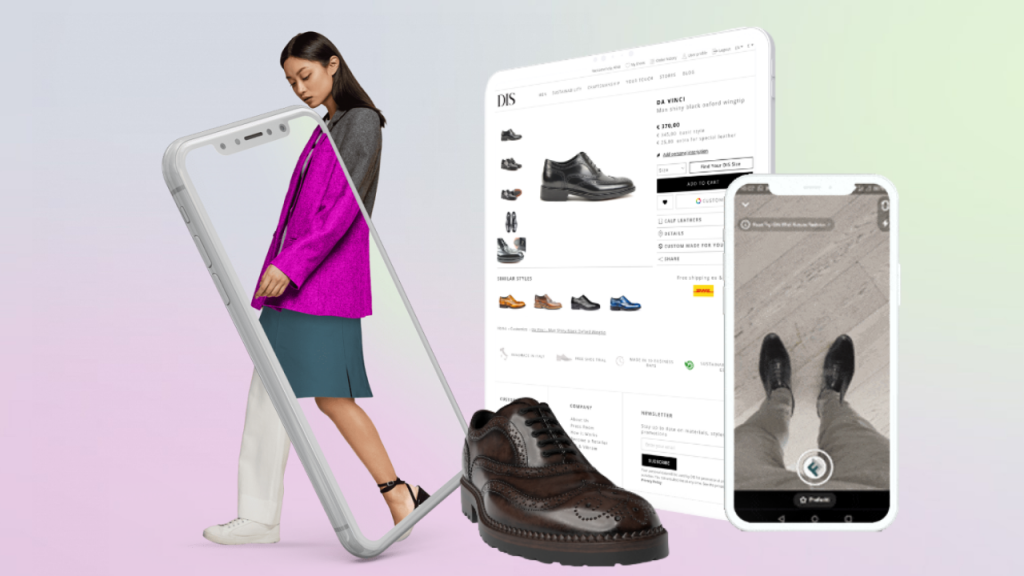
Have you ever wanted to try on clothes, shoes, or cosmetics without heading over to a physical store? Virtual try-on technology could be the solution! Despite the growing popularity of online shopping, brick-and-mortar stores have one distinct advantage that, for ages, has given them an edge over digital channels — the ability to try on products before buying. But things are changing! As the shift to online shopping intensifies, brands are striving to offer a holistic customer experience on digital channels, especially in the apparel industry. VTO technology, especially Virtual Try-on clothes, has been at the epicentre of the new user experience, allowing customers to virtually try-on products before buying. But what exactly is virtual try-on tech? And most importantly, how does it benefit your fashion business? Let’s dive into Virtual Try-on for clothes and accessories. What is Virtual-Try On? Virtual try-on, also known as digital try-on or virtual fitting, is a technology that allows shoppers to explore and try products digitally using a computer or mobile device. With this technology, shoppers can try on clothes or beauty products online without physically touching them or visiting the retail store. How Virtual-Try On clothes work? There are 3 ways to access virtual try-on clothes as of now. These are: 1. Using Camera on Smart Devices Using the camera on smartphones, tablets, or laptops is the most widely used technique to access try-on functionality. Customers can virtual try on clothes online at home using 3D virtual fitting technology and a camera-equipped device. As the camera captures the consumer, the underlying Augmented Reality technology superimposes a realistic virtual version of the product over their real-world image to demonstrate how the item would look on the customer’s body. Customers can change colors, styles, and other parameters with a tap through the virtual try-on app. 2. Through AR Mirrors Another way of experiencing virtual try-on clothes is through AR mirrors in retail stores. These “magic” mirrors capture the shopper’s appearance and overlay it with a virtual wearable product like clothes, shoes, jewellery, or makeup. Virtual clothing rooms Augmented Reality and Virtual Reality, computer vision, and advanced sensing technologies to create a simulation of how a piece of clothing would look on the customer, helping them attain a high level of customization. Several big-name brands, including Lacoste, Ralph Lauren, Zara, and Burberry, are using AR mirrors in their stores to improve user experience. 3. Creating 3D Digital Avatars You can also access virtual try-on clothes by creating 3D digital avatars through body scanning technology, currently exclusive to Apple devices. Customers can use this technology to create accurate 3D avatars and try on clothes. This gives the exact look of the item as it would look to the user in the real world. Benefits of Virtual Try-On clothes for the Fashion Industry Virtual try-on for fashion provides many benefits to the user and the business owner. We’ll briefly go over these benefits. One key benefit you get from implementing virtual try-on technology is increased conversions and sales. According to Shopify, using virtual try-on software can increase conversions by up to 250%. This is due to increased user engagement and experience. Did you know that at least 20% of online-bought products are returned? Virtual try-on can significantly reduce product return rates. With virtual try-on software, shoppers can visualize themselves in various styles and sizes before making a purchase, helping reduce costly returns. Customers can truly enjoy the virtual try-on experience when they use apps to try on clothes and other products the way they would in a physical fitting room. This satisfaction builds loyalty, leading to repeat sales and brand advocacy. With virtual try-on, customers are not only able to resolve issues related to size, style, and fit but also explore more options and try out a wider selection of clothes in less time. This increased personalization leads to increased engagement and conversions. Thanks to virtual try-on clothing apps and systems, merchants can reduce the overproduction of physical samples and inventory. This helps avoid unsold stock, boosts efficiency, and increases sales. Virtual Try-On clothes and sustainability Virtual try-on technology is not only good for business. It helps save the planet by reducing the carbon footprint. Around 17 billion purchased items are returned each year, which equals roughly 4.5 million metric tonnes of carbon dioxide. Allowing customers to virtually try on items before buying means boosting confident buying, avoiding returns and boosting satisfaction. And more: Virtual try-on also helps merchants to cut off the production of physical samples and stocks, avoiding overproduction and boosting sustainable practices by showcasing hundreds of product variants simply using 3D models. Fashion brands using Virtual Try-On technology Here are examples of brands using try-on dress and clothes with good results: 1. e.l.f Cosmetics e.l.f Cosmetics, an American best-selling skin care products company, has seen great success with its AR campaigns on YouTube. Their AR try-on feature allows customers to see how a product, like lipstick, cream, or mascara, suits their face without buying it. The result? Increased traffic, reduced return rate, and a 63% lower cost per user than previous campaigns. 2. Wacoal Choosing a bra that holds well and fits perfectly can be challenging for online customers. AI tech company, Sizer, made it possible for users to fit bras online. It partnered with Wacoal, a renowned manufacturer of women’s lingerie, to improve the experience for online shoppers. Together, they created the mybraFit app that allows customers to take photos of themselves and virtually try on bras online. This has resulted in increased traffic and engagement, driving more sales for the brand. Wrapping Up Virtual try-on apps are changing the clothing industry (and more!). The market is growing rapidly as retailers look for innovative ways to improve the shopping experience and keep customers happy. Virtual try-on technology helps achieve this by allowing customers to try on products in their homes. Businesses also benefit from it through increased sales, reduced returns, reduced costs, and increased competitiveness.
10 ways to improve eCommerce Customer Experience

Did you know that 55% of consumers say they’d stop buying from an online store due to poor Customer Experience? As competition in the online marketplace grows fiercer by the day, you must provide exceptional Customer Experience (CX) to win new clients and retain your existing customers. Forward-thinking CX leaders are achieving significant revenue growth by creating memorable experiences and catering to their customers’ needs. And you can do it too! But what exactly is Customer Experience? And why is it important for ecommerce businesses? Most importantly, how can you build a memorable ecommerce Customer Experience? Keep reading to find out. What is eCommerce Customer Experience? Customer Experience is your customers’ holistic perception of your brand based on their interactions with it. Simply put, CX is how you make your customers feel. In ecommerce, Customer Experience revolves around the online experience that anyone finding your website or landing pages go through. It encompasses every touchpoint customers have with your brand – from the moment they land on your site to their interaction with the products and sales staff to the checkout and post-purchase experience. Why does ecommerce Customer Experience matter? When you give your customers a great experience, they’ll buy from you again, be loyal to your brand, and become your brand advocates. They’ll share their experiences with their family, friends, and colleagues online and offline, increasing your brand reputation and creating Brand Awareness. As a result, you’ll see improvements in: Studies show that companies with superior ecommerce Customer Experience generate 5.7x more revenue than competitors that don’t invest in their CX. How to improve ecommerce Customer Experience? 10 tips Without further ado, here are the different ways to improve your ecommerce Customer Experience. The first step in improving your ecommerce Customer Experience is to understand your customers. What does your ideal customer look like? What do they like? When do they shop? What challenges are they facing? How can you meet their needs and expectations? You can conduct in-depth customer surveys to identify their needs and preferences, then create customer personas that will help you understand their expectations. It’s backed by data — companies that provide a streamlined shopping experience are 62% more likely to win a sale. Here’s how you can simplify the buying process: Since consumers are buying your products online, they’ll want exceptional customer support. This can easily be achieved by offering multiple channels for customer support, like live chats, phone, email, forums, and even social media. Every ecommerce owner knows the importance of building trust and credibility for their online businesses. It helps establish the business as legit and reliable. Here are the various ways to build trust and credibility for your brand: An exceptional customer experience (CX) doesn’t end once the customer completes the purchase. It goes way beyond the checkout, ensuring goods are delivered on time and in excellent condition. Here are the various ways you can improve the post-purchase experience: Technology has revolutionized every aspect of our lives, including our shopping experiences. There are many ways you could use technology to improve CX. For instance, you could use AI and machine learning to improve product recommendations. You could also implement Augmented Reality solutions to allow your customers to try on products before they buy and visualize how certain products will look in their homes. Customers want more from brands they interact with online. Building a community gives them a place they can hang out, share community service ideas, and voice their opinions and concerns. Community members are advocates of your products and services. Social media is the most powerful channel to build a community since most of your fans and loyal customers have active accounts on these platforms. Nothing can be more frustrating than finding a quality product only to realize your payment method isn’t supported. To improve the ecommerce Customer Experience, it’s highly recommended that you make the checkout process easier by providing multiple payment options. Beyond PayPal and Card payments, you can go the extra mile to include digital wallet payments, like Apple Pay, Samsung Pay, and Crypto payments. Your website can either make or break your business. To succeed in the ever-competitive e-commerce world, a user-friendly website is a must-have. What do we mean by user-friendly? The website must be responsive and easy to navigate and search, with advanced filter options. Most importantly, it must be fast. As research has shown, a slow website will chase visitors away. As mentioned, forward-thinking ecommerce owners are using Augmented Reality to increase their users’ experiences. But it doesn’t end here: the next step to improve your ecommerce experience is Product Customization! You can give customers the ability to create their own products, choose colors, materials, and details… What could be better to meet their expectations? Get started with Product Customization Personalization is a key element of the ecommerce CX. An overwhelming 80% of customers say they’re more likely to do business with a company that offers personalized experiences. What are the benefits of product personalization in ecommerce? It increases user engagement, which often leads to an increase in sales. If you have a product customizer in your store, your customers will spend more time engaging with your website. The result? Increased Customer Satisfaction! They can personalize any product while seeing a live preview, so they’ll play around with it and try out different options to see which one works for them before buying. Offer them a fun shopping experience, and they’ll surely come back for more. How do you get started with product customization in your store? By simply investing in a software solution designed for product customizations! Zakeke Visual Customizer allows customers to customize any product (clothing, jewellery, shoes, watches, custom gifts, etc.) and visualize its appearance before buying. Ready to get started with product customization? Our product customizer integrates well with all major e-commerce platforms and is easy to use for both the customer and the merchant. Contact us today and take advantage of our 14-day free trial.
Top 7 Best WooCommerce Product Customizer Apps in 2024
Consumers are increasingly seeking smarter and more personalized shopping experiences. How can you stay competitive in a market brimming with competition? How can you meet and exceed the ever-rising expectations of customers? Product customization could be your ideal partner. Did you know that, according to McKinsey, a whopping 71% of consumers expect personalized products? Moreover, 1 in 3 consumers feels that non-personalized products fall short of their expectations. In such a demanding market, where consumers are always wanting more, offering the ability to create their own custom products is becoming essential. But how do you proceed? Where do you begin? You might be wondering if you need to make significant investments or hire IT experts to craft a tailor-made solution for you. The reality is, there’s a simpler solution: choosing the right product customization tool. Are you running an e-store on WooCommerce? Then you’re in the right place! In this article, we’ll explore the 7 best WooCommerce Product Customizer Apps and how to select the most suitable one to stay ahead of the competition. What is a Product Customizer? Let’s tackle the basics first. A Product Customizer is essentially software enabling customers to tailor products with their choice of text, images, and various elements – the sky’s the limit. This powerful tool allows customers to shape their products precisely to their preferences. Highlighting the advantages for merchants incorporating product customization into their stores is almost unnecessary. Picture this: offering your clientele products that are not just tailored, but self-designed to their exact specifications. Isn’t that the ultimate Shopping Experience? You will enjoy: Advantages for both your clients and you. Maybe it’s time to consider implementing a Product Designer tool for WooCommerce. Don’t you agree? How To Choose The Best WooCommerce Customizer Plugin? As always, the choices for software solutions in the market are endless. So, how do you choose the right custom products designer for WooCommerce? Here are the most crucial factors to consider: The first thing to consider when choosing a product customizer for WooCommerce is the available customization options. The customizer for your store should offer a wide range of options such as text, images, designs, and more advanced options. A good WooCommerce plugin for custom product design must be easy to use for customers and easy to implement for merchants. The implementation process should be clear and straightforward, and the front-end interface should be immediately understandable even for consumers with less familiarity with this world. You should choose a WooCommerce plugin that guarantees constant support, especially during the onboarding phase. Having a Team of professionals always available helps speed up implementation and understand how to get the most out of your investment. The best WooCommerce Customizer should integrate seamlessly with all the most popular e-commerce platforms and third-party Apps used by businesses. That’s why it’s crucial to choose tools that offer native integrations or integrations through APIs. You must go for a customization app that does more than just improve the Customer Experience through diverse customization features; it also has to refine your internal procedures, making your operations more efficient. Reflect on the hurdles faced by your design team and the complexities of the customization workflow: the protracted pre-press activities, the laborious task of crafting custom mockups, and the incessant interactions with customers. A streamlined solution eases these tasks by automating the customization aspect, guaranteeing it doesn’t overwhelm your team. When choosing a product customization tool for your store, it’s essential to opt for a complete platform that doesn’t exclusively include visual customization features but also other options, such as Augmented Reality and 3D visualization, to make the Shopping Experience unforgettable. Top 7 Best WooCommerce Customizer Plugins WooCommerce, like Shopify, is one of the most well-known e-commerce platforms in the world. There are many tools and plugins available to start using customization on WooCommerce. What is the best WooCommerce Product Customizer? Here’s a selection guide: #1. Zakeke Zakeke is not just a WooCommerce Product Customizer. It is an all-in-one Visual Commerce Platform designed to empower businesses with real-time 2D customization, 3D product configuration, Augmented Reality, and Virtual Try-On experiences. Features: Plus: Cons: Pricing: From €13/month. 14-day Free Trial available. So, if you’re wondering about the best WooCommerce Product Customizer for your store, the answer is Zakeke! Powerful, easy to use and up and running in seconds – what are you waiting for? Start your 14-Days Free Trial! #2. Fancy Product Designer Fancy Product Designer is a popular web-based design tool that allows users to customize and personalize products online. Its distinctive features include a user-friendly interface and a wide range of customization options such as adding texts, photos, and uploading custom media to customize products. Customers can create their custom products from scratch or use pre-designed layouts. It integrates seamlessly with both WooCommerce and Shopify without requiring coding skills. There are lots of addons even for basic operations like pricing rules creationg or AI features. Features: Pricing: License $59 + extensions from $19/month. 7-day money-back trial available. #3. Lumise Lumise Product Designer is a WooCommerce plugin for product customization that allows customers to create their own dream products. Like Fancy Product Designer, Lumise gives customers the option to create their products from scratch or use pre-designed templates with custom clipart, colors, and texts. With Lumise, customers can upload their photos and create their custom designs in seconds. There usage limitations for orders, templates and cliparts. Lumise integrates seamlessly with WooCommerce and Shopify but not with other e-commerce platforms. Features: Pricing: License $69. #4. Kickflip Kickflip is a popular WooCommerce product personalizer that provides an easy-to-use interface for merchants to create engaging customer experiences. It offers a wide range of customization options, such as texts, designs, photos, and components, and allows customers to preview their custom products before buying. Kickflip also enables businesses to set dynamic pricing rules to add mark-up prices to custom products. It integrates seamlessly with WooCommerce, Shopify, and PrestaShop (but not with Wix or Magento), and offers custom integration through API for platforms not natively integrated. Features: Pricing: Pay-as-you-grow with
Zakeke confirmed a Leader in G2 Spring 2023 Reports
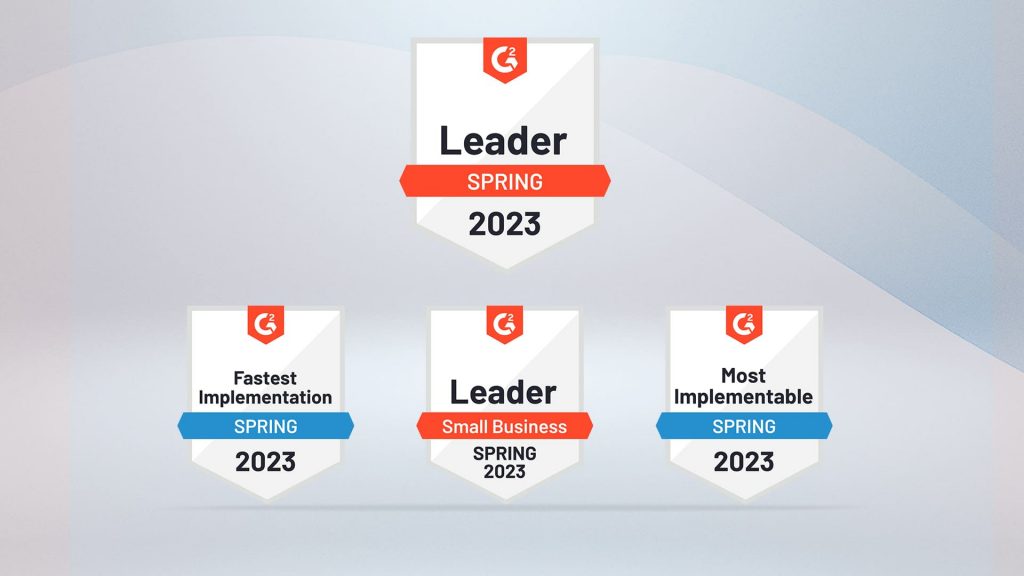
G2 Spring 2023 Reports are finally here and we are super proud to announce that Zakeke has been confirmed as a Leader in the Visual Product Customization category following its previous recognition in the Winter 2023 Reports. That’s not all: Zakeke has received a new Leader Badge for the Visual Configuration category! Our customers have helped us reach this amazing milestone, and we’re grateful for their support and positive feedback. That’s why we’re always working to make our platform even better for them. Here’s a closer look at the G2 Spring 2023 Reports and the awards received by Zakeke. Overall Visual Product Customization and Visual Configuration Leader Zakeke has been confirmed as a Leader in the Grid® Report for Visual Product Customization and also has been recognized as a Leader in the Grid® Report for Visual Configuration. Visual Product Customization software help brands and retailers provide consumers with seamless 3D visualization and configuration options and product personalization through 2D, 3D, and Augmented Reality. On the other hand, Visual Configuration software show sales representatives visualizations of custom-configured products with the customer’s selected features represented. Visual Product Customization software allow businesses to improve the Customer Experience, increase sales and conversion rates, while Visual Configuration software allow to easily configure, price, and quote products in a collaborative way that is easy to see via 2D and 3D visualizations. Furthermore, our cloud-based platform has earned the distinction of being a leader in the “Small Business” category. Our team assists startups and small businesses in expanding their operations through the use of innovative and automated solutions. Easiest and fastest implementation Zakeke has received two more badges in the Visual Product Customization category: Zakeke has been confirmed as the easiest and fastest Visual Product Customization software to implement. Zakeke is a tool that can be easily added to any eCommerce platform with a Plug&Play integration. Customers can try out the tool for 14 days or schedule a free demo with a professional to learn more about how to use it and get a guided tour of the platform.