

NFT and Gaming Industry: the future of in-game assets
The concept of Non-Fungible Tokens (NFTs) has taken the gaming industry by storm, promising a new era for in-game assets. As more gamers embrace this technology, the potential benefits are becoming increasingly evident. In this article, we’ll explore the role of NFTs in the gaming industry. We’ll review their advantages and how the gaming industry can capitalize on this growing trend. Understanding NFTs Before we dive into the advantages of NFTs, let’s review a fundamental question: what are NFTs? NFTs, or Non-Fungible Tokens, are unique digital assets that are indivisible and cannot be exchanged on a one-to-one basis. They represent ownership and provenance of digital items, such as art, collectibles, and in-game items. NFTs are based on blockchain technology. In simple terms, the blockchain provides a decentralized ledger for tracking ownership. Each NFT has a unique identifier that distinguishes it from other tokens. It is stored on the blockchain, ensuring the verification of its authenticity. And what is the role of NFTs in today’s business and market? NFTs have gained significant traction in various industries, including art, sports, and entertainment. From NBA Top Shot to Sotheby’s digital art auctions, NFTs are now widely accepted as a secure and reliable way to store and transfer ownership of unique digital assets. NFT and Gaming Industry The gaming industry has evolved significantly in recent years. In 2021, the global gaming market analysis was valued at nearly $200 billion, and it’s projected to grow at a CAGR of 10.1% from 2021 to 2030. This growth potential can be attributed to advancements in technology and an increase in the number of players worldwide. With this growth, however, comes an increasing number of criticisms and controversies. One of the most widely-discussed issues is the rise of pay-to-win and microtransactions models in modern gaming. At first glance, these models might seem innocuous, or even beneficial to some players who enjoy the convenience and customization they offer. However, the reality is far more complex and problematic, as these practices have led to a myriad of concerns. Notably, it is criticized for being an exploitative tactic that targets vulnerable players such as kids or those with addictive tendencies or impulse control issues. It also wastes the gamer’s time and money, as these in-game assets are worth nothing after being purchased. The solution? NFTs! The NFT gaming market is still in its nascent stage, but it has already attracted significant investment and attention. Advantages of NFTs over traditional in-game assets What does NFT mean in gaming? NFTs offer several advantages over traditional in-game assets, including: NFTs allow players to own and control their in-game assets fully. This is in sharp contrast to traditional in-game assets, which are often owned and controlled by the game publisher. NFTs can be programmed with scarcity, meaning that there is a fixed number of items available for sale. This helps create true value for the asset and prevents market saturation. NFTs can be used across different popular platforms and games. The transparency and security of the blockchain ensure that users can easily transfer and trade assets from one game to another. NFTs can be traded or sold in various marketplaces, providing players with a way to monetize their assets. How NFTs are changing the Gaming Industry As you would imagine, NFTs are already having a huge impact on the gaming industry. While major studios have yet to adopt the trend, NFTs have been used in various gaming applications, including: Several eCommerce platforms and retailers have successfully integrated NFTs into their offerings. For example, Nike has patented its CryptoKicks. These NFT-based virtual sneakers can be used in various games and digital environments. NFTs’ advantages for eCommerce and retailers In addition to the gaming industry, eCommerce and retailers can also benefit from the hype train. Companies can tweak their business model, leveraging NFT gaming to attract new customers. For instance, they can create and sell exclusive NFT in-game items or collaborate with game developers to offer branded virtual merchandise. They can also capitalize by: Opportunities, challenges and risks of NFT gaming While NFT gaming offers significant opportunities, it also presents certain risks and challenges. E-commerce and retailers must be aware of these before diving into the NFT craze: To navigate these challenges, companies should monitor market opportunities and developments. They can minimize risk by staying informed about the latest developments in the NFT gaming space to make informed decisions. They can also partner with experts in blockchain technology, NFTs, and gaming to ensure best practices are followed. Finally, the implementation of robust security measures is vital. Investing in strong security measures can protect NFT assets and user data. In conclusion, NFTs are poised to revolutionize the gaming industry. They also offer new opportunities for eCommerce platforms and retailers. By embracing this trend, businesses can attract customers, generate revenue, and stay ahead of the competition. However, it’s essential to be aware of the potential risks and challenges.
Top customized gift ideas for every occasion

Giving a gift is one of the greatest joys in life. It’s an expression of love and appreciation that can have a lasting impact on the recipient. But when it comes to finding the perfect gift, it can be difficult to find something that truly stands out – something unique, meaningful and special. That’s why customized gifts are so popular today. They offer an opportunity for you to create something totally original with your own personal touch – whether it’s for someone close or far away, family or friends, birthdays or anniversaries. From custom jewellery and monogrammed items to engraved glassware and creative artwork, there are plenty of options available when it comes to creating good customized gift ideas! In this article, we’ll explore the most popular customized gift ideas that customers want to find for their friends and family. Personalized gifts for different occasions Finding the perfect gift for someone special can be a daunting task. Fortunately, there are plenty of options when it comes to customized gifts. Customers are increasingly looking for custom gifts, let’s find out what are the most popular for every occasion: Custom birthday gift ideas Customized jewellery is one of the most popular choices for birthdays, as pieces can be tailored to suit individual tastes and styles and include a personal message from the gift giver. Other popular customized gift ideas include a custom photo album, custom mugs or gadgets, or a personalized cake topper. These make perfect gifts to make an already special day even more memorable. Custom wedding gift ideas What do you get the perfect couple? Perhaps something that no other couple in the world has – that’s the power of customization. Just think about customized kitchen accessories, photo albums, furniture or home decorations. These gifts not only provide something fun and interesting to look at every day but can become part of their everyday lives as they embark on their lifelong journeys together. Custom anniversary gift ideas As we grow older with the love of our life, our relationships evolve and become more special. What is the best gift for an anniversary? Consider an engraved message on a piece of jewellery or a wood-engraved portrait. People also love to customize pillows or household items with love quotes, important dates, or just something fun. Custom graduation gift ideas Graduation is a significant occasion and deserves to be celebrated with a special gift. Consider something like a customized diploma frame, engraved jewellery or keychain, or even something unique like a customized smartphone case or laptop skin. Mother’s or Father’s day gift ideas Finding the perfect gift for mum or dad can be difficult, but customizing something special is sure to make them smile. People generally choose a personalized photo album, a customized book of memories, or perhaps something fun and unique like an engraved beer mug or wine bottle! Custom “just because” gift ideas Sometimes, the best gift is one given “just because” with no occasion in mind. Consider customizing t-shirts, mugs or wine glasses with a special message. Let your customers create their unique dream products and increase their satisfaction and loyalty. The importance of Product Customization Customized products provide people with an opportunity to show someone how much they care about them. Sure, they could’ve just grabbed something off a shelf, but instead, they went the extra mile and made something truly unique for the person they care about. Similarly, businesses that offer product customization benefit too. Instead of product offerings that are the same as other stores, they can stand out and offer something more interesting and unique for the buyer. In addition to providing a great way to differentiate your store, product customization also increases customer engagement, as customers are more likely to be interested in personalizing their own products. How to get started with Product Customization Product customization is a good way for businesses to differentiate their offerings from competitors, add value to products and services, and boost customer loyalty. Businesses can offer product customization in a variety of ways, such as allowing customers to design their own items or offering personalized engravings on existing products. How to get started? Simply by investing in software solutions specifically designed for product customization! By choosing the right software businesses can streamline the process while still ensuring high-quality output and customer satisfaction levels remain consistently high. With Zakeke, you can get started with product customization without adding extra work hours to your design team. Let customers personalize your products directly on your e-commerce, you’ll get the print-ready file in your back-office! Zakekeke integrates seamlessly with all the leading e-commerce platforms and is easy to use both for customers and for the merchant. Get in touch with us today and take advantage of our 14-day free trial to test the software and see whether it can work for your business.
Best NFT use cases across industries in 2023
Non-Fungible Tokens, or NFTs for short, are like digital certificates of authenticity that prove ownership of digital assets such as artwork, music, and even tweets. Think of it as a modern-day version of a certificate of authenticity for a rare painting. The unique aspect of NFTs is that they are decentralized, meaning they’re not controlled by a central entity but rather stored on the blockchain. This allows for increased security and transparency, making it harder for fraudsters to steal or manipulate digital content. NFTs have taken many industries by storm. What started as a niche interest among diehard collectors has quickly turned into an unmissable business opportunity. Companies are jumping at the chance to use NFTs for everything from digital art auctions to exclusive merchandise drops. This article will explore different NFT use cases in business and provide a better understanding of how companies can get involved. NFT and business From musicians releasing limited edition NFTs of their albums to artists selling digital artwork for millions of dollars, the potential for NFTs to transform the way we value and consume art is undeniable. But NFTs are not just limited to the arts – they are also being adopted by other industries. Let’s find out what are the most popular NFT use cases across industries and how NFTs can boost your business: NFT art is revolutionizing the way artists are compensated, providing them with new ways to take ownership of their work and create new projects. By utilizing non-fungible tokens (NFTs) that register artwork on a blockchain, artists can ensure that each piece of their digital asset is uniquely identifiable — granting them more control and opportunity than ever before. Music is certainly one of the most famous NFT use cases. This technology has brought forth a new way of owning and selling music, allowing artists to monetize their work in a whole new way. For example, an artist can mint an NFT of their latest album or a rare, unreleased track and sell it to the highest bidder. This not only creates a new revenue stream for the artist, but it also gives fans the opportunity to own a piece of music history in a way that wasn’t possible before. By creating music NFTs, artists are granted a modern way to tokenise their tunes and albums, allowing them to generate profits from the process. Music NFT marketplaces allow fans to purchase digital tokens that can be traded among other users. This innovative method of monetizing music changes how it is produced and distributed for both creators and listeners alike. In gaming, players have the authority over their earned (or bought) NFTs, being able to use, trade, or sell them. Not only do these tokens serve as an asset for a gaming collection, but they also preserve their worth. Instead of everyone having access to a special in-game weapon or piece of armour, for example, that NFT would only be available to the one person with the rights to it. Did you know that also in Fashion & Luxury you can find good NFT use cases? Owning an NFT provides customers of a clothing brand with exclusive access to certain privileges, happenings, fashion shows, and experiences that the business has crafted in both the virtual and the real world. And more… NFTs are genuinely in their infancy. As the technology continues to evolve, we can expect more use cases for NFTs in business to emerge. Benefits of NFTs in business The advantages of using NFTs in business are multiple. For starters, they provide a secure, immutable record on the blockchain that cannot be altered or manipulated. This makes NFTs ideal for industries such as art and fashion, where protecting intellectual property is paramount. Here are some of the other advantages of using NFTs in business: Enhancing brand value By offering exclusive NFTs as a reward for loyalty, businesses can increase their perceived brand value. Connecting to the latest technologies shows the world that your brand is on the cutting edge and willing to invest in new ideas. Creating scarcity With NFTs, companies can create limited-edition items and experiences that add to their brand’s overall desirability and exclusivity. Providing ownership and authenticity By utilizing NFTs to back up the authenticity of products, businesses can create a secure provenance that can’t be replicated or compromised. This adds an extra layer of security and provides customers with the assurance that what they are buying is genuine. Generating revenue With NFTs, businesses can create unique and valuable digital assets that customers can purchase, trade, or even use as collateral for loans. This opens up a whole new world of possibilities for businesses looking to monetise their digital content. Enabling microtransactions One of the most significant ways NFTs help businesses is by enabling microtransactions. No longer are customers limited to purchasing a product in one lump sum; instead, they can buy small pieces of it as they go along. This opens up possibilities for businesses that want to offer a subscription model, service, or product sold in increments or even art broken down into smaller, more affordable pieces. NFT use cases in business Even though NFT usage is still on the rise, there has been a lot of movement in the NFT space over the last couple of years. Here are some of the best NFT use cases in business: NBA Top Shot has been a pioneering force among the NFT sports projects since its launch in 2019. As an impressive digital alternative to trading cards, it sells “Moments” – short clips that capture iconic basketball highlights. You can browse and purchase your favourite Moments on the marketplace or take a chance with randomly bundled packs for potential surprises. These moments are ranked from common to legendary, with values increasing based on the athlete and the historical significance of each. For example, a Lebron James slam dunk sold for over $350,000. You can purchase virtual real estate within digital games or environments – it’s just
AR jewellery: the future of jewellery design
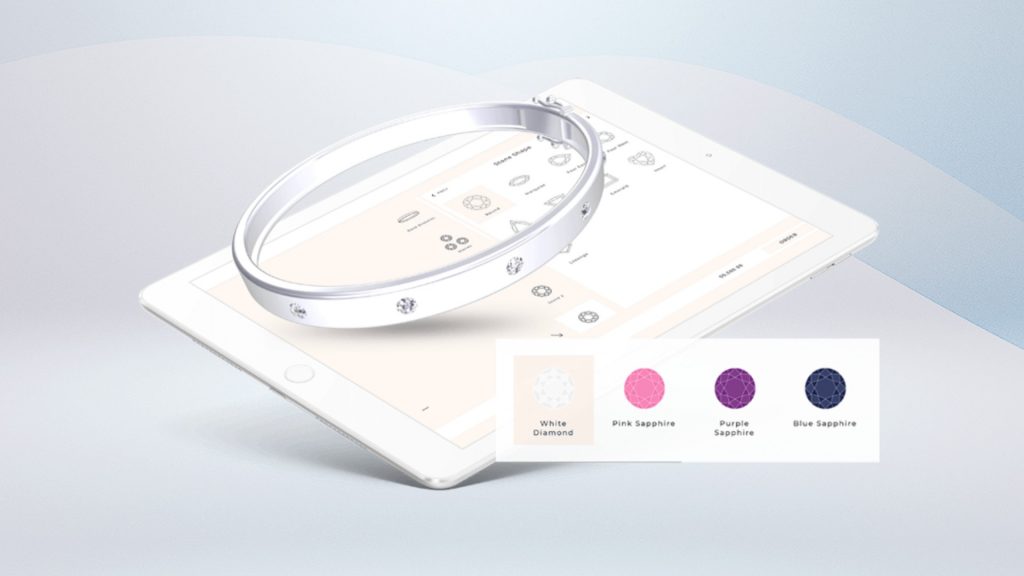
The jewellery industry is big business in the entire world, for example, according to a recent Statista Research, jewellery industry brings in 1.41 billion GBP in revenue in the UK. AR jewellery try-on technology is one way brands can coax back customers ready to shop again after the pandemic. Also known as “virtual try-on software”, “digital try-on tech”, “virtual dressing rooms”, etc., Augmented Reality (AR) let shoppers “virtually” try out jewellery, apparel, eyewear, even furniture and more, using an interactive App. Let’s talk more about the use of AR in the jewellery industry, how it works, and a few of its many uses and benefits in the world of ecommerce. How Augmented Reality is changing the retail industry More and more retailers are adding AR technology to their online experience to help consumers with the buying process and increase customer engagement. A Snapchat and Deloitte report reveals AR use in various industries, including ecommerce, is tracking similar in scale to the mobile phone explosion of the mid-2000s. A recent Google Consumer AR Survey found 66% of all shoppers were interested in trying AR in ecommerce. The use of AR in retail, especially for virtual jewellery try-ons, gives shoppers the power to interact with digital content via an App as if the item(s) was in their own home or office. One easy way to understand AR try-ons is to compare it to a social media filter used to personalise a user’s real-time image. How does Virtual Try-On AR jewellery work? Augmented Reality combines different technologies including AI face detection, tracking, cameras, and more so users can see how an item will look in real life. This interactive Augmented Reality technology generally works by: Different ways to use AR in the jewellery industry High-end luxury items, like jewellery, that have been a harder sell in the past online will see an increase in ecommerce revenue with more use of AR and VR technology by manufacturers. One way this increase is expected to occur is through more sales of custom products. AR is an especially valuable tool that ecommerce stores can use to highlight customization options to customers. AR in jewellery ecommerce stores offers boundless possibilities, but there are two most popular use cases: product configuration and Virtual Try-On. Jewellery customization and configuration with AR Product configuration for jewellery is how ecommerce offers large-scale customization to shoppers. Product configuration, leaning heavily on modern modularization tools, lets ecommerce meet specific customer needs. Many online tools are integrated into online stores, giving shoppers a range of customization options. Jewellery customers can personalize everything from colour, jewellery type or style, finish, and gemstones. Add custom names or monograms, and more. Meanwhile, AR try-ons camera-enabled devices into virtual showrooms so users can see their customizations in 3D. Shoppers create designs — mixing and matching different elements — then view the result using an AR try-on before hitting “buy.” Virtual Try-On jewellery using AR Shoppers spend 10,719m GBP on jewellery and watch in the UK alone. An expected increased use of AR try-on jewellery software should drive sales even higher as these apps give a full Shopping Experience to users. AI and machine learning verifies object or person seen in the device’s camera. Then, the app overlays the jewellery image selected. Next, AI tracking and other tools are implemented so orientation, placement, and size adjust as needed. If the person moves the object (jewellery) moves also, as if in the same space. Let’s see an example: if shoppers want to see how a ring or bracelet will look on them, they can activate AR view, and see the ring in AR and 3D. The App device’s camera is activated, allowing the app to overlay imagery of the ring or bracelet onto a real-time camera feed of their hand/arm. You’ve likely already seen AR try-on at many retailers, such as Tiffany and Co which used virtual jewellery try-ons for ecommerce and social media. Benefits of using AR for jewellery businesses Augmented Reality can help jewellery ecommerce stores in many ways: According to Bain and Co, luxury sales to Gen Z and Gen Alpha will grow 3x faster than other generations from now until 2030. These generations are also more likely to adopt AR and all the last technologies on the market. Consumers want more choices. AR try-on apps are more efficient. They’re a timesaver, giving shoppers across all demographics more shopping options. The use of AR also improves social selling as Apps are used by customers to share looks, and get advice from friends as they shop online. One challenge for ecommerce is meeting consumers’ desire to try-on jewellery items before purchase. Virtual try-ons fulfil this need. Also, shoppers using virtual try-ons are less likely to return items since AR helps them better visualize the jewellery item. According to Shopify, merchants with 3D & AR content including virtual try-ons saw an increase in conversion rates by 94% on average. Also, since it’s easier for customers to shop on websites with AR, higher customer satisfaction is likely. AR apps also can be outfitted with AI modules gathering data to provide useful shopper insights. How to get started with AR jewellery You can start providing your customer with the possibility to customize and see in 3D & AR your jewellery items simply by choosing the right tool: Zakeke. The time will never be better to start using Zakeke’s powerful 3D Configuration and AR tools to bring a more immersive Shopping Experience to your customers. Use AR to provide immersive, interactive visuals that will bring your products to life and increase consumer confidence in your jewellery brand. Zakeke is an all-in-one Visual Commerce platform that can increase your sales and conversion rates through the power of 3D Configuration and AR. Easy to set up and implement, Zakeke integrates seamlessly with the most used ecommerce platforms including WooCommerce, Shopify, and more. So, are you ready to implement powerful Product Configuration and jewellery AR try-on for your ecommerce? Let’s start from now with
Zakeke welcomes a new partner: frontera.digital
We are excited to announce our partnership with frontera.digital! Born in 2022 and based in Spain, frontera.digital is a leading digital solutions company specialized in the digital transformation of businesses through SaaS. It offers a wide range of services including web development, software engineering, digital marketing, and e-commerce solutions. The company specifically configure the team that will be in charge of the development, implementation and necessary training for every project. Their team studies each case, project, requirement, business or company with great care to offer each client the best value. “Empowering people” is the key phrase that perfectly recaps the partnership with frontera.digital: like Zakeke, frontera.digital also aims to help businesses thrive and grow in the digital age by offering all the necessary technologies and strategies to achieve ambitious goals. “We are thrilled to partner with Zakeke, a company that shares our passion for innovation and digitalization. Together we can empower businesses to create unique and memorable experiences for their customers.” José Luis Vilar – CEO & Product Owner frontera.digital Together, we will empower businesses to thrive in the digital age through the power of Visual Commerce, complemented by frontera.digital’s expertise in digital solutions. For more information about frontera.digital, please visit their website. To get more details about our Partner Program check this link https://www.zakeke.com/agency-partner
Best Customizable Products To Sell Online in 2024
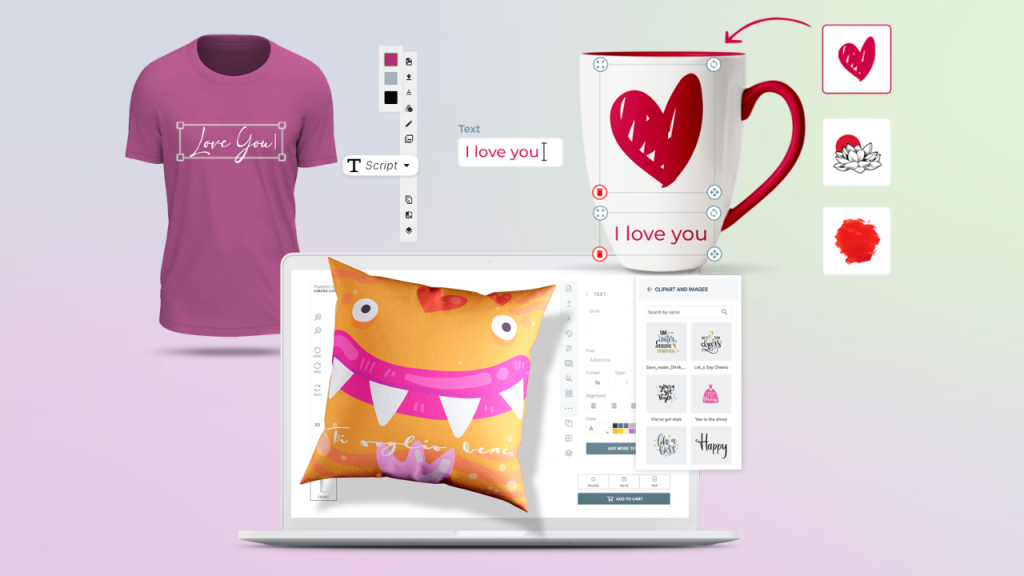
It’s common knowledge now. Shoppers don’t just want the same old buying experience anymore. They’re looking for something special, made just for them. This is where the magic of product customization in e-commerce steps in. How do you make shoppers happy? Let them design their dream product! Here comes an important question for those thinking about adding personalized items to their online store. What customizable products do customers really want? What are some awesome ideas for customized products that you can bring to your online shop? You’re in the right place to find out! Today, we’re going to show you some of the coolest, most popular customizable products out there. These are the ones that will definitely help you get more sales. But first, let’s quickly dive into the basics of product customization. Are you sure you know all about it? What is Product Personalization in e-commerce? In its most basic form, product customization is simply enabling customers to personalize a product according to their needs and tastes. Essentially, it’s when businesses sell personalized promotional items, allowing shoppers to create their dream products by choosing from a variety of designs, colors, elements, and more. Product customization for e-commerce aims to deliver unique tailored customer experiences that meet the growing expectations of consumers. Today’s customers not only enjoy but expect the ability to customize their purchases. They prefer shopping with brands that provide options to personalize products. But don’t just take our word for it – here are some significant stats from the world of product customization: What are the benefits of selling customizable products? There is a reason many e-commerce store owners are implementing product customizers on their websites. Let’s find out together what the main benefits of product personalization in e-commerce are and why you need to sell custom products now: One of the obvious benefits of selling customizable products is increased sales. According to recent Deloitte research, 36% of consumers prefer to purchase customized products, and 20% of consumers are willing to pay up to 20% more for custom products. This results in repeat purchases and an increase in sales for e-commerce stores. Imagine giving customers the possibility to design their personalized gifts or items. Isn’t that the ultimate Shopping Experience? By offering product customization, you’re investing in your customers’ experiences. Customers love personalized experiences. If you can help them customize their products, you’ll have won their hearts. This often results in increased loyalty and brand advocacy. Studying your customers’ buying habits will give you better insights into their likes and preferences. And to grow your sales, understanding your customers is paramount. Giving customers the chance to create their custom designed products, you’ll get to know what they like or dislike and what they’re looking for. You can then use this information to improve your product offerings and grow sales. The e-commerce landscape has become very competitive in today’s world. Offering customizable products can help you stay ahead of the competition, as consumers prefer to shop with brands that offer personalized products. By letting customers create what they want, you can enhance your Brand Image, creating a new premium experience. 5+1 trending custom product examples Many of today’s leading retailers feature personalized and customized products on their websites. Here’s a detailed list of the most popular categories of custom products, the ones that customers are actively seeking and are likely to purchase online: Custom packaging, cards, custom boxes: printed products are likely the most common examples of mass customization. Consider the option of adding a customer’s name or photos to packaging, or even to a t-shirt. The Web-to-Print business is closely linked to the world of personalization. Think about all the promotional items with logos or custom merchandising a company can create and sell on its website thanks to product customization. Customers can select their products and customize them with anything they want. Another sector closely tied to the world of customization is fashion. Think printed custom t-shirts, made-to-order luxury bags (with customers choosing materials and finishes), and custom shoes. In the luxury world, customization means quality, and people love tailored products and high-quality items. Custom bracelets, rings and sunglasses are the most lovely customized product examples for customers. Think about gifts for partners or family members. How wonderful would it be to surprise someone with an engraved necklace or bracelet? Customers are actively looking for these kinds of products and a jewelry customizer is what you need! Personalized wine labels, bottles, and custom can labels are becoming increasingly popular in the food and beverage industry. Why you need a label customizer? Because personalization allows brands to differentiate themselves and create a premium perception of their products. Gadgets and gifts are undoubtedly one of the markets most closely linked to personalization. Think about a custom mug, a custom canvas, a custom pen, or a custom phone case. Personalization has become a key player in the world of gifts, and this makes it the perfect time for those in this market to implement it. Top Brands already selling custom products (and enhancing their performance) Here are some examples of brands that have taken the product customization game to the next level, providing exceptional customer experiences and growing sales: When you hear product personalization, Coca-Cola is the first name that comes to mind. The company created much buzz with its “Share a Coke” campaign. The campaign started in Australia and consisted of some of Australia’s common first names, like Kylie and Luke. This made Coca-Cola very popular, with some even considering it a “household name.” The company then expanded its campaign to countries globally and saw significant growth in sales. Research shows that an overwhelming 1.25 million teens tried a Coke during the campaign. In the US alone, Coca-Cola sales grew by 11% in the summer. Starbucks is another big-name company reaping the benefits of selling customizable products. The company allows customers to choose exactly how they want their drinks, which customers can do right within the Starbucks app. A real game-changing
3D Furniture Design: Benefits and Applications in E-Commerce
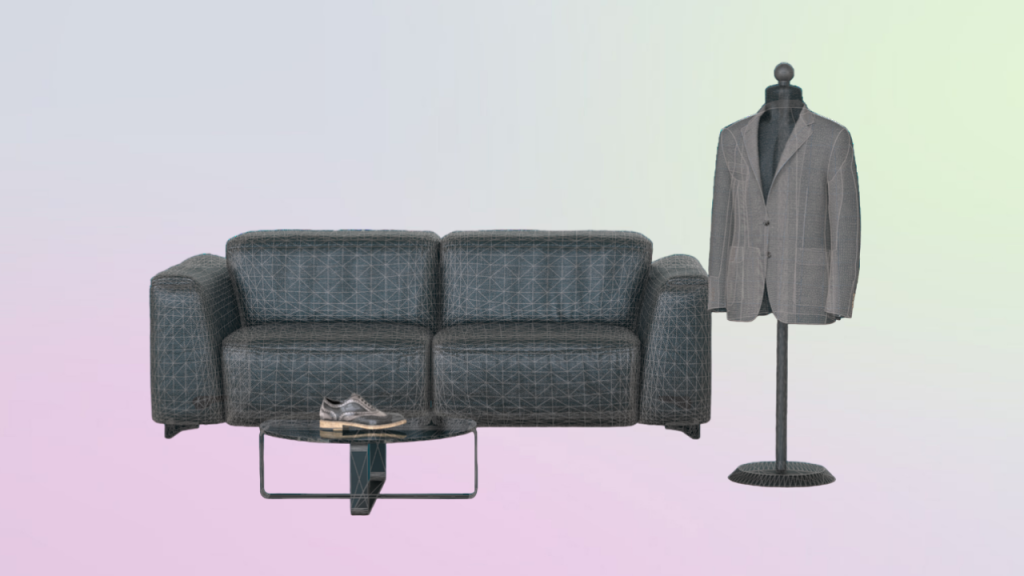
As in all sectors, the furniture industry is becoming increasingly digital and competitive. Consumers are constantly looking for immersive and high-quality experiences. Merchants don’t only have to offer quality products, but they also have to present products accurately to customers, allowing them to see products in all details and into their own spaces. Therefore, even a market like Furniture & Equipment must necessarily adapt to new standards and evolve in this direction. How? By embracing new technologies, such as 3D product visualization and Augmented Reality. So, welcome to the world of 3D furniture! Especially for those running an e-commerce store, it’s crucial to present their products in the best possible way, highlighting materials, colors, and above all, allowing customers to visualize them in a real environment. This is where Visual Commerce with 3D furniture design comes into play. Let’s explore how technologies such as 3D & AR can improve performance in the furniture industry and build a better Shopping Experience for customers. What do we mean by 3D furniture? 3D furniture design is the process of creating digital 3D models of furniture and visualizing them in a virtual environment. 3D technology brings products to life, allowing customers to see them from every angle and in much more detail. Imagine seeing a 3D model of a couch or a chair, isn’t that impressive? 3D Visualization and Augmented Reality are a must-have for the furniture market today, especially when it comes to the e-commerce world. These technologies allow merchants to showcase their products by recreating the in-store Shopping Experience, allowing customers to see and interact in real-time with products. Creating a 3D sofa and seeing 360° view of products allow designers to highlight the product details, while using AR allows customers to position it in a real environment, helping customers to make confident purchasing decisions. Key applications of furniture 3D rendering How can you use 3D furniture design? This innovative technology finds applications across both physical and digital realms, enabling a versatile range of uses from testing furniture prototypes to enhancing online sales experiences. 3D furniture design and visualization technology are pivotal in both residential and commercial furniture projects. Designers leverage this technology to tailor custom furniture pieces for individual clients, as well as to conceptualize and create furnishings for hotels, restaurants, and various commercial settings. This enables the possibility to virtually place and test furniture within an environment, using detailed 3D models to assess aesthetics, functionality, and spatial dynamics without the need for physical prototypes. For furniture vendors, 3D rendering and models become an indispensable tool in the development and presentation of their catalogs. It allows for the seamless showcase of furniture variants in different colors, materials, and configurations directly in-store or through digital catalogues. This not only enriches the customer’s experience but also streamlines the decision-making process, offering a tangible sense of the product before purchase. Moreover, integrating advanced UI design software into the development process can enhance the user interface of 3D visualization tools, providing intuitive controls and immersive experiences for both designers and customers alike. In the realm of e-commerce, the integration of 3D software for furniture design into online platforms revolutionizes the way furniture is marketed and sold. It elevates the shopping experience by allowing customers to visualize products in a highly interactive manner, including the exploration of various customizations and viewing products in AR to test their fit within actual living spaces. This immersive approach not only enhances customer engagement but also significantly aids in reducing the hesitation associated with online purchases, leading to better satisfaction and reduced return rates. Benefits of 3D modeling in design and interior decoration One of the most common uses of 3D technology in the furniture industry is certainly in the world of design and interior decoration. Using 3D technology in furniture design offers many benefits, including: Benefits of AR & 3D in furniture e-commerce As we’ve already said, using 3D ecommerce offers many advantages, especially for those who manage an online shop. Why do you need furniture 3D design software? A standout benefit of 3D technology in e-commerce is its ability to animate products, providing customers with an in-store visualization experience from the comfort of their own homes. With 3D furniture designing apps, products can be viewed from every angle and placed within actual settings, facilitating a quicker and more informed decision-making process for buyers. Developing a 3D furniture catalog serves as a powerful marketing tool. Sharing 3D models offers a more engaging and immersive experience than traditional photos, significantly enhancing customer interaction with the product. For online furniture retailers, 3D and AR technologies are crucial in shortening lead times and reducing returns. Enhanced product visualization helps customers gain a comprehensive understanding of the item, ensuring they know precisely what they are purchasing. 3D visualization software enables a closer examination of a product’s materials, textures, and details than is possible with standard photos, aiding customers in making quicker and more confident purchase decisions. Incorporating 3D technology fosters sustainability by displaying all product variations without the need for physical samples. This approach not only conserves resources but also broadens the product showcase without the environmental footprint associated with producing and shipping multiple physical prototypes. Zakeke: how to get started with the best furniture design software If you’re searching for the best furniture design software, look no further! Zakeke has you covered as your ideal partner. Zakeke stands out as the comprehensive Visual Commerce Platform that boosts e-commerce brands by offering their customers options for product customization, 3D configuration, and web-based Augmented Reality. With Zakeke for furniture, you can animate your products, offering a realistic portrayal through 3D & AR, while enhancing features like materials and textures. Effortlessly create your 3D catalog and share it across all channels using simple QR codes and links – no apps required. The best part? Zakeke enables customer customization of furniture, chairs, and virtually anything, through our 3D Product Configurator. Showcase all possible variants, allowing customers to design their own products on your website, with
Unboxing Success: Key Benefits of Custom Product Packaging
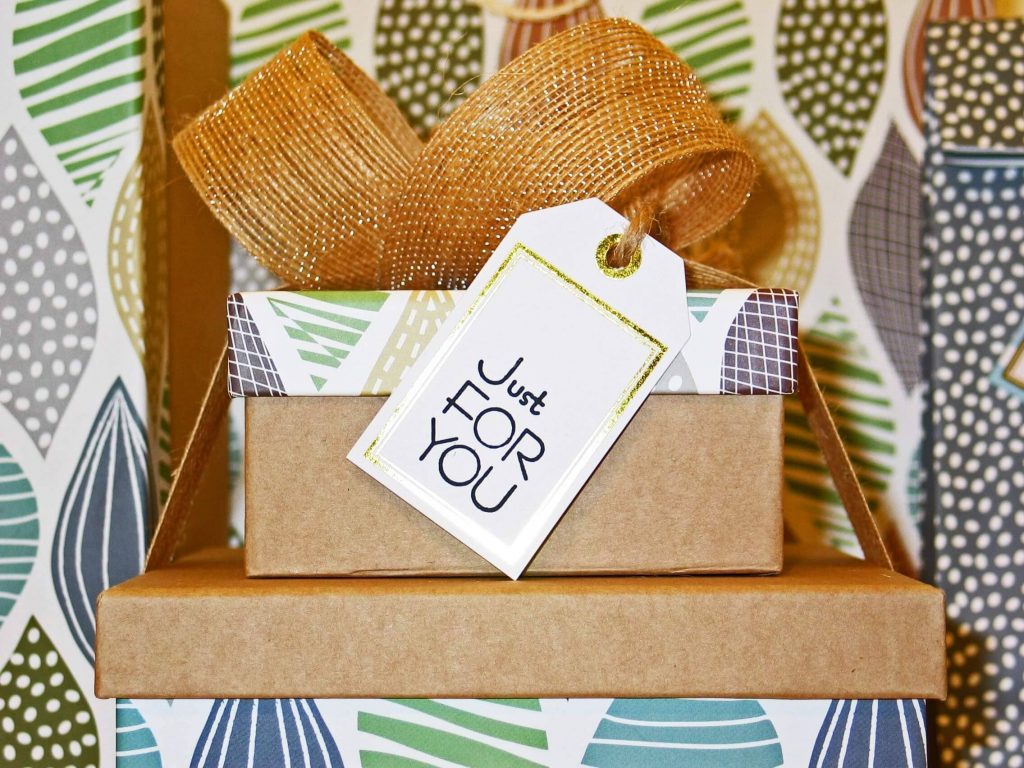
The days of packaging your products in unlabeled boxes and shipping them to customers are long gone. In today’s competitive business world, first impressions matter! And a great first impression starts with product packaging. The number of brands opting for custom product packaging has grown significantly over the past few years. The reason? Customized product packaging attracts customers in big ways. Studies show that an overwhelming 81% of consumers have tried a product because its packaging caught their eye. Better still, 52% of customers have switched brands because of new packaging. So, if you’re not giving your product packaging the attention it deserves, you’re losing a lot to the competition. Custom packaging for products is a cost-effective way to wow your customers and leave a lasting impression. It allows brands to achieve exclusivity in the market with a distinctive Customer Experience. In this brief article, we’ll discuss the importance of personalizing product packaging, including its benefits and some sustainable custom packaging options you can try out for your business. What is Custom Product Packaging? Custom packaging refers to the packaging of products in a unique way tailored from scratch around a company’s specific needs rather than using standard boxes. This type of packaging involves several processes, such as design, engineering, and mockup to ensure custom packaging fulfils its objectives. The packaging process may include modifying the package’s size, shape, material, color, style, varnish, and other specifications. The Importance of Custom Boxes in Product Presentation Design is a key factor in product packaging. How many times have you stopped to check a product because its packaging caught your attention? That’s the power of quality packaging design. A good packaging design sets the stage for the product’s success. As mentioned, customers are attracted to products with quality packaging. The visual presence depicts not only the quality of the product but also suggests a warm personality – whether it’s quirky, charming or authentic. Another reason to give importance to packaging design is product differentiation. The shape and the material used in product design can be the differentiating factor – helping the product stand out in the competition. Think about sustainable boxes, it’s a great example of brand differentiator! How Packaging Impacts Customer Perception Good packaging influences consumer buying behavior. If a product is packaged in a plain, old, and/or oversized box, this may give the consumer bad vibes about the product. But if the same product is packaged in a custom box with logo, brand colors and an inspiring description, it may compel the consumer to buy the item. In this case, the customer’s perception of the product will be positive, judging by how well it’s packaged. Personalized Shipping Boxes: The Importance of Materials When you’re looking to package a product, one of the choices you’ll have to make is the packaging material to use. Essentially, there are different types of packaging materials – from cardboard boxes to plastics and foil. But which one should you use? Here are the most commonly used packaging materials: Deciding on the right packaging material to use is critical to successfully selling and distributing your products. How To Choose Top Materials? Best Practices Since packaging materials play a critical role in protecting products, care should be taken when choosing the right material to use. As with any other product, price is a primary concern. However, your choice shouldn’t be only based on price, especially since the deliberation process needs to consider transportation, storage, and safe delivery of the product to your customers. Some products may need more protection than others, in which case you may need tougher packaging materials. Look for the following qualities in a packaging material before making the final decision: In addition to these factors, the material you choose should be easy (and cost-effective) to print product and brand information. Sustainable and Eco-friendly Packaging Options Consumers are increasingly becoming more environmentally conscious about their carbon footprint and more and more organizations are ditching conventional packaging materials in favor of environmentally-friendly materials. Therefore, an eco-friendly packaging solution can help you elevate your brand. Some of the benefits of opting for an eco-friendly packing option include. To help your business meet the growing consumer demands, here are some eco-friendly packaging materials you could use for your packaging needs: Best Practices for Personalizing Custom Product Packages Custom packaging is one of the best ways to enhance Customer Experience and build brand loyalty. But for the best results, you’ll need to get it the right first time. So, let’s briefly share some practices you need to follow for effective custom printed boxes: Why Your Brand Should Go For Custom Packaging? Today’s successful businesses have one thing in common: they’ve mastered the art of Product Customization to improve their Customers’ Shopping Experience. If you want your business to stand tall among the competition, you’ll need to start offering custom packaging and products. Doing so can bring many benefits to your business, including: So, custom packaging can be a game-changer for small businesses looking to establish a footing in the industry and achieve a competitive edge. Smooth Packaging Personalization Today: Try Zakeke! Embarking on the journey of offering custom boxes with your logo or with your customers’ photos in your e-commerce store doesn’t have to be daunting. With the right box customizer tool, setting up a personalization feature is straightforward and quick. Enter Zakeke, your go-to for hassle-free integration of product customization. This efficient plug-in can be added to your platform in under 10 minutes, offering a cost-effective solution for any business size. Zakeke’s Visual Product Customizer enhances the Shopping Experience, allowing your customers to craft their ideal packaging on a versatile and user-friendly interface. It provides unlimited creative freedom, from selecting colors to adding unique texts and images, all while you retain control over the customization parameters. What’s more, Zakeke streamlines your workflow. As customers finalize their designs, you receive a high-resolution, print-ready file, bypassing the need for complex communications or manual design efforts. Compatible with major e-commerce
How to Increase Your Average eCommerce Conversion Rate with Customization

The success of any eCommerce business depends on its ability to convert visitors into customers. You can significantly increase your average conversion rate and maximize sales with the right strategies and tactics. There are many strategies for boosting your ecommerce average conversion rate. Today we want to focus our attention on product customization – Did you know that by allowing your customers to customize their products according to their needs, you can create a unique customer experience that drives them down the purchase funnel faster? Let’s dive in to discover how to increase your average eCommerce conversion rate with customization (but not only!) and what steps you should take to get the best results from your store. What is the average conversion rate for ecommerce? The ecommerce conversion rate is the percentage of visitors to your online store who take a desired action, such as purchasing a product. Understanding an optimal conversion rate and how it compares to your own can help ecommerce sites by guiding them on where they need to improve and where they may currently be lacking in their ecommerce processes. But making an action doesn’t mean only purchase a product. Let’s find out what are the other typical conversions in an ecommerce store: If you’re wondering how to reach a good conversion rate for e-commerce, maybe you have to think about optimizing all these metrics. Let’s find out how! Why is conversion rate optimization important? Achieving a normal conversion rate for ecommerce is crucial for any business seeking to increase its digital sales and reach more customers: Ultimately, increasing one’s ecommerce conversion rates requires active effort, but when done right leads to increased profitability for online retailers who take advantage of this powerful metric for growth purposes. How is the ecommerce conversion rate calculated? The formula for calculating the ecommerce conversion rate is relatively simple: (Number of Conversions / Total visitors) X 100 For example, if you had 1000 visitors and 25 sales, then your conversion rate would be 2.5%. This percentage indicates how many people have completed a desired action (in this case, making a purchase) on your website compared to the total amount of traffic you’ve received. The advice is to constantly monitor your average ecommerce conversion rate to understand the performance of your store. How can you do it? You could monitor the conversion rate on a weekly, monthly, or quarterly basis, adjusting and adapting your strategies based on the results. Ecommerce conversion rate benchmarks An essential aspect of tracking the average e-commerce conversion rate is understanding what constitutes an optimal rate for online stores. Generally speaking, the average e-commerce conversion rates for ecommerce are around 2.5-3%. Of course, many factors go into a higher or lower rate, but typically if you find yourself at 3% or above, you are ready to tackle more advanced conversion rate tactics. While there is no single “right” answer when it comes to measuring success concerning ecommerce performance metrics, having benchmarks explicitly related to your industry can offer valuable insights into how well (or not so well) you are doing compared with competitors in terms of attracting new customers and increasing sales on your website or app store platform(s). Average ecommerce conversion rate per Industry If you are looking for a benchmark to measure the performance of your ecommerce, here are some good conversion rates according to the analysis by Dynamic Yeld: And more, here is an infographic from TIDIO’s study with the average conversion rate across industries in Q4, 2022: Additional metrics to measure e-commerce conversions In addition to examining industry standards, several other key metrics should be tracked to gain a deeper insight into customer behaviour and preferences. These include: The bounce rate shows how many people leave a website after looking at just one page. This is not good because it means that visitors are not staying long enough to find what they need. If the bounce rate is high, people are not finding what they want on that website and are leaving right away. Exit rate and bounce rate are similar. However, the exit rate reveals how many visitors leave your website after viewing a specific page, while the latter indicates those who depart from any page without engaging. A very high exit rate on one of your pages could suggest that it needs to be optimized to retain more visitors. By striving for a lower exit rate, you can aim to maximize engagement and ultimately drive conversions! Want to draw more people to your website and get them to take action? Focus on boosting your click-through rate! This metric reveals the number of individuals who followed a link from an ad or email, heading straight for your site. AdWords optimization and email marketing campaigns can be tailored around increasing click-throughs—and even social media engagement. When assessing user engagement, average session duration is a key metric to measure. A high bounce rate signals that your visitors are not engaging with your site for long enough periods of time and thus cannot be appropriately converted into customers. Cart abandon rates measure the number of shoppers starting but not finishing their shopping journey. High cart abandonment can reveal a flaw in your shopping experience or indicate that shoppers are leaving to do further research before purchasing. Knowing your abandoned cart rate can help you identify potential areas for improvement and make the necessary changes to reduce abandonment. By monitoring these additional factors, merchants can better understand why customers may be dropping off during checkout, allowing them to make changes that improve user experience — ultimately leading to increased conversions over time. How to increase your ecommerce conversion rate Now that you understand the mechanics behind measuring ecommerce success, here are 5 tips to use those metrics to increase your average ecommerce conversion rate: An optimized website should be fast and intuitive to navigate, or customers will leave for a better experience elsewhere. Making sure your website loads quickly and runs smoothly is essential, as
How to choose the best Etsy Print On Demand solution for your store
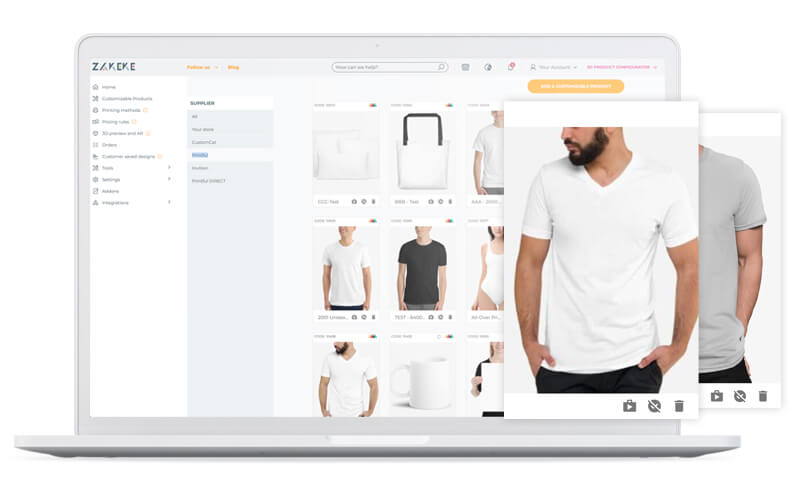
Print On Demand (POD) is one of the most famous business models for merchants working with Web-to-Print. It allows online stores and independent sellers to sell custom products without the need for physical inventory. This interest in POD services has led to an increase in POD applications on the market, making it difficult to choose the right one to integrate with each online marketplace or e-commerce platform. In this article, we focus on the Etsy marketplace finding the best Etsy Print On Demand solutions that allow merchants to expand their offerings of custom products and grow their businesses quickly and easily. What is the Print On Demand business and how does it work? Before discovering how to choose the best Etsy Print On Demand provider, you should understand how the POD business works. As we have already mentioned, the Print On Demand model allows merchants to sell personalized products on Etsy and other online marketplaces or e-commerce without having to keep inventory or manage production. How does it work? Simply choose a POD provider/partner who handles all product production and shipping directly to customers. When choosing, it’s crucial to consider whether the service can integrate seamlessly with the e-commerce or marketplace platform in question, in this case, Etsy. What products can you sell? The choice is extremely wide, ranging from mugs to t-shirts, mobile phone covers to sports accessories. Just create a personalized product and list it within the Etsy marketplace. Once a customer places an order, the provider earns a fee on each product sold, while the merchant receives the other portion of the sale price. Print On Demand benefits Why use a Print On Demand service on Etsy? There are several benefits, some of which include: How to choose the best Print On Demand Etsy solution As we have already mentioned, there are several Print On Demand companies and services for Etsy on the market – how to choose the best one? Here are the main decision-making values to take into account: The quality of products is a crucial factor when selecting the best Etsy Print On Demand solution. Some POD services offer free product samples or mockups before placing an order, which is a good feature to evaluate product quality. When choosing the best Etsy Print On Demand solution, you should consider that the service integrates seamlessly with your platform (as well as other third-party services). Not all POD services have the same level of integration with Etsy, so you should check if the service has a native integration or requires a third-party integration tool. A good integration allows you to automate your order fulfilment process and reduce manual tasks. It’s crucial to choose a POD supplier that offers quality customer service to avoid problems, particularly during the setup and onboarding stage. Additionally, you should check if the service has a knowledge base or support channel where you can find answers independently. Best Etsy POD solution: selection guide How to start a Print On Demand business on Etsy? Here’s a selection of the best POD services for Etsy stores: Printful is currently the leading Print On Demand platform on the market, providing over 300 custom products (you can find apparel, accessories, home decor, etc.). Selling on Etsy is pretty straightforward. There are no monthly subscription fees for sellers: there are applied fees only when a customer places an order on the Etsy store. Printful also integrates seamlessly with Amazon, as well as the most common e-commerce platforms such as Shopify and WooCommerce. Additionally, the service offers shipping through international well-known partners like UPS and DHL. Printify is a versatile POD platform offering a particularly wide range of products, including over 600 items such as apparel, fashion accessories, and homeware products. The Mock-up generator allows for previewing products. Printify provides worldwide delivery and integrates well with marketplaces such as Etsy and eBay, as well as e-commerce platforms like Wix and WooCommerce. Like Printful, there are no membership fees, with fees only being charged on actual product sales. Printify also has a quality Customer Support Team. Teelaunch is a POD platform specializing in custom products such as mugs, phone cases, and canvases. This is a particularly good Etsy Print On Demand service for independent sellers looking to sell custom apparel or clothing. The service is straightforward to use and integrates seamlessly with both Etsy and Shopify. Teelaunch offers efficient and speedy worldwide shipping, as well as an available Customer Support Team. Again, there are no fixed affiliation costs, with fees only being applied to actual sales, depending on the product, shipping, and customization options. Gooten is another recommended POD platform for Etsy sellers, offering multiple customization options (with text and images chosen directly by the merchant) for nearly 150 products. Gooten enables users to create their own personalizations, as well as access those created by other artists, and the service provides a mockup generator for previewing customized products. Gooten integrates seamlessly with Etsy, Shopify, and WooCommerce, and as with the other services, there are no fixed costs, only costs tied to the products sold. The best Visual Product Customizer for Web-to-Print Product customization will probably remain popular for some time and any e-commerce or online seller should consider implementing a product customization solution. Additionally, to make the service effective and reduce returns, it’s important to provide a preview of the customized product, showing the customer the final result. But there is an even more innovative solution for those who want to sell customized products on Etsy: Zakeke Visual Product Customizer. With Zakeke, you can offer customers the opportunity to independently customize their products with unlimited customization options and the ability to see a real-time 3D preview of the final product before purchasing it. Zakeke is much more than a Product Customizer. Zakeke is a platform that helps online businesses to grow and increase sales through the use of product customization, 3D configuration, Augmented Reality, and Virtual Try-On. It integrates seamlessly (Plug&Play) with the most common e-commerce platforms and marketplaces such as