

Zakeke named a Leader and awarded 8 badges in G2 Winter 2023 Reports
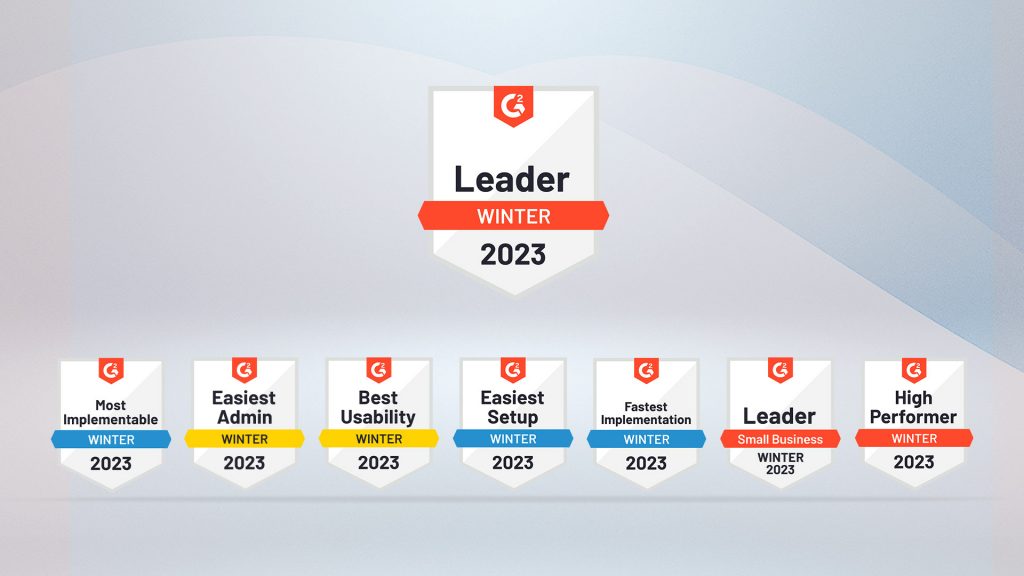
G2, one of the most trusted business software and services review platforms, has recently released the G2 Winter 2023 Reports. We are proud to announce that Zakeke has been awarded a total of 8 badges, including the Leader badge in the Visual Product Customization category. We could reach this incredible milestone thanks to our incredible customers and their support and reviews: that’s why we’re constantly working to add new features and improve our platform for them. Here’s a closer look at the G2 Winter 2023 Reports and the awards received by Zakeke. Overall Visual Product Customization Software Leader Zakeke has been recognized as a Leader in the Grid® Report for Visual Product Customization. Visual Product Customization software help brands and retailers provide consumers with seamless 3D visualization and configuration options and product personalization through 2D, 3D, and Augmented Reality. These software solutions, like Zakeke, improve the Customer Experience, increase sales and conversion rates and help merchants improve the overall performance of their business. In addition, our cloud-based platform has also been recognized as a Leader in the “Small Business” category. We work every day to help startups and small businesses scale up their business through innovation and automation. Easiest setup, fastest implementation and best usability Zakeke has received additional badges in the Visual Product Customization category: Easiest Setup; Most Implementable; Fastest Implementation; Best Usability; Easiest Admin. Zakeke has been recognized as the easiest and fastest Visual Product Customization software to set up and use, both for merchants and consumers. Zakeke can be easily integrated into any eCommerce platform with a Plug&Play integration. In addition, customers can try out the tool for 14 days and book a free demo with a professional to better understand how to use the platform. Moreover, Zakeke has not only received recognition badges in the Visual Product Customization category. Thanks to high Customer Satisfaction, it has been recognized as a High Performer software in the Grid® Report for Visual Configuration. We’re happy to see you here! While you read this content, feel free to give a look at Zakeke, the Visual Commerce platform that will take your store to the next level.
360 Product Views For eCommerce: 5 Pros & Starting Tips
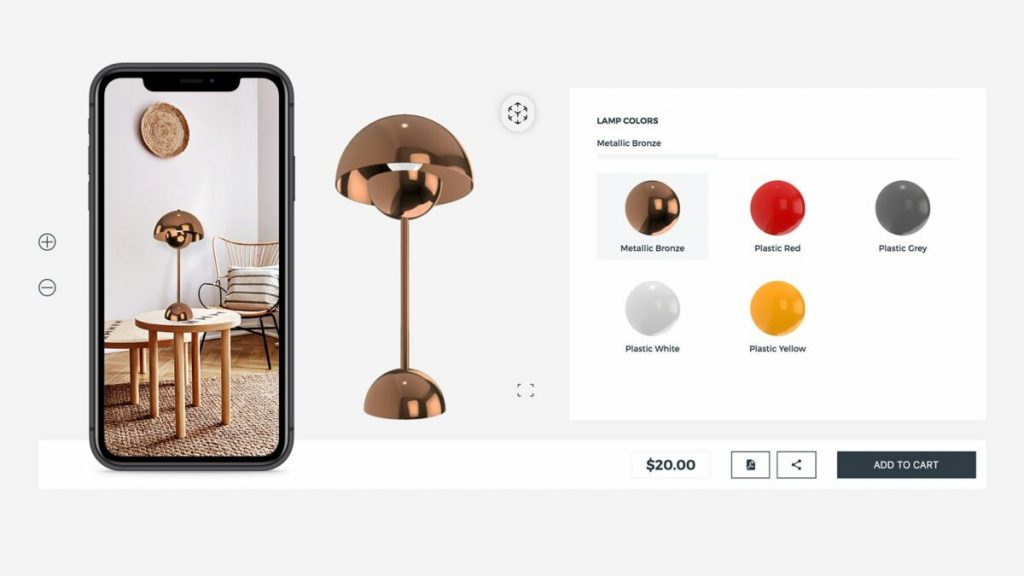
Over the past few years, consumers have gotten used to the convenience of shopping from the comfort of their own homes. Even before many countries and states were experiencing mandatory lock-downs and instilling stay-at-home orders for the prevention of the spread of the coronavirus disease, consumers were enjoying the ease and comfort of shopping online for their essentials and decorations. However, since the COVID-19 pandemic has been affecting countries all over the world, this desire to utilize online shopping methods far outweighs many people’s desire to shop in stores. This has led to a dramatic increase in the number of businesses on the online market and this number is continually increasing as more and more businesses are building their own online presences in order to keep up with their competition. Whether you are a large chain corporation or a small single-person-run business, there are important trends to keep up with if you don’t want to risk falling behind your competitors: 3D product visualization and 360 product views are among them. Todays’ Ecommerce Trends Let’s find out which are the main new trends that are driving e-commerce today: What Customers Want: 3D Experiences Customers want to know what they are buying when they are purchasing something. Unfortunately, with the majority of shopping happening online where things can often be difficult to accurately assess, this can be challenging for customers who are looking for something that will fit in a space or something that simply has the features that they are looking for. Because of this, it is extremely important to be attuned to the evolving technology that can help your business give your customers easy access to the information they need to make informed and confident decisions. After all, businesses today are more focused than ever before on customer satisfaction and customer experience. With so many competing products and brands on the market today, creating a loyal and satisfied customer base is an essential part of running a business. So, how can you make your customer experience better and give them a more realistic view of your products? Simple, use 360-degree or 3D product views for the products you offer. This technology can also be a great way for businesses to promote custom-made or customized products and it can help your customers not only see what exactly they are buying but also how it will look once it is in their homes. This allows customers to get a better connection with the product and can help to improve the chances of a sale. A 360 product viewer with hotspots can be a great way to help your customers feel like they are getting a more interactive and enjoyable experience while still not requiring them to leave their homes when they are looking for a new product. What Is a 360 Product Viewer? A 360 product viewer software is a tool which enables e-commerce businesses to present their products interactively and engagingly. It provides customers with a 360 degree view of products, allowing them to zoom in or check every detail from all angles. With a 360 product viewer, customers can really experience the product with a more realistic and customized shopping experience. Benefits of 360 Product Views The use of 360 product viewer software is incredibly helpful for customers who are purchasing a product. What are all the benefits of 360 product views? A 360 product viewer helps customers to see a more detailed view of the features and dimensions of the item. It allows them to feel more confident in their decision to purchase the product and therefore increases the likelihood of a customer making a purchase. Another advantage is the possibility of creating a 360 spin image of products, much more engaging for the customer. 360 product views also allow the customer to feel more like they are in a traditional brick-and-mortar store without actually having to leave their homes. By providing them with the ability to zoom in and “turn over” products virtually with a 3-dimensional model of the product, customers can feel like they are interacting with your products like they were in a store. A 360 viewer also helps businesses reduce the number of returns and unsatisfied customers that they have due to products not being what the customers think they are. Seeing products in 3D, and visualizing all the details, helps customers make purchase decisions. 360 image viewers attractively present products, making them stand out from the competition: that’s why a 360 product viewer can improve product visibility and attract more customers to the website. Think about 3D advertising: it’s able to showcase even the most complex products, helping customers understand the true value of the product even without seeing it in person and through a screen. With a better product presentation and an improved Customer Experience, it will be easy to boost e-commerce sales. Since these 360 images can be so much more engaging for customers, it can be a great idea for businesses to implement an easy 360 product viewer software solution, like Zakeke’s 3D & AR Product Viewer, that can help them offer these more interactive product descriptions to their customers. With Zakeke’s software, businesses can see up to a 250% increase in conversion rates and appeal to the 70% of customers who prefer interactive 3D models to video or static photo product advertisements. 3D and 360 Product Views: What’s The Difference? When it comes to 3D commerce, you may be wondering if a 3D or 360-degree viewer would be better or if there even is a difference between the two. This is a challenging question because oftentimes these two types of views will be used interchangeably within companies and software solutions. This means that it is hard to give a concrete answer on what exactly defines a 3D view and what exactly defines a 360 view. That being said, there can be some differences between the two so it is important to know what type of view you are looking
Best Product Configurator Software in 2026: 7 Tools Compared
Updated September 2026 The best product configurator software depends on what you sell, how complex your products are, and what needs to happen after a customer completes a configuration. For ecommerce businesses that need 2D customization, 3D product configuration, AR and production-ready output in one platform, Zakeke is our top all-in-one choice. Angle 3D is a strong Shopify-focused alternative for 3D configuration, while Expivi and Threekit are better suited to complex enterprise and CPQ projects. InkyBay is particularly relevant for print-focused 2D personalization. We compared 7 product configurator platforms based on pricing, 3D capabilities, visual customization, AR, ecommerce integrations, dynamic pricing, production output and implementation complexity. Best Product Configurator Software: Quick Comparison Product configurator Best for Starting price 3D configuration AR Visual customization Production output Zakeke All-in-one ecommerce configuration & customization $59/mo Yes Yes Yes Yes Angle 3D Shopify 3D configuration $39/mo Yes Yes Yes, plan-dependent PDF export on Enterprise Expivi Complex CPQ & manufacturing Custom pricing Yes Yes Yes Yes Vectary Interactive 3D experiences Free; Pro from $15/mo annually Limited Yes Limited No Threekit Enterprise visual commerce Custom pricing Yes Yes Yes Implementation-dependent LEVAR 3D & AR visualization Free; paid plans from $59/mo Limited Yes Limited No InkyBay Print & 2D personalization $19.99/mo No No Yes Yes Pricing checked in September 2026. Prices, limits and features can change. Always check the vendor’s current pricing before making a purchase decision. Best product configurators at a glance Best overall for ecommerce: ZakekeBest for 3D product configuration: ZakekeBest for visual product customization: ZakekeBest Shopify-focused 3D configurator: Angle 3DBest for complex CPQ and manufacturing: ExpiviBest for interactive 3D content: VectaryBest for advanced visual product experiences: ThreekitBest for 3D and AR visualization: LEVARBest for print-focused personalization: Zakeke These tools are not interchangeable. Some are full product configurators, others specialize in product personalization, while others primarily provide 3D visualization. How We Selected These Product Configurators We compared product configurators based on configuration capabilities, ecommerce integrations, 3D and AR support, visual customization, dynamic pricing, production output, implementation complexity and publicly available pricing. Pricing and product information were reviewed and updated in September 2026 using vendor websites and official ecommerce marketplace listings where available. The goal is not to identify the platform with the longest feature list, but to understand which software fits different ecommerce and product configuration requirements. What Is Product Configurator Software? Product configurator software allows customers or sales teams to build a valid version of a product by selecting components, materials, colors, dimensions and other options according to predefined rules. The customer can typically see selections reflected in real time, while the software ensures that incompatible combinations cannot be selected. For example, a furniture customer might choose the dimensions, frame, fabric and finish of a sofa. A bicycle buyer could select components and colors. A manufacturer might allow buyers to assemble a machine from compatible modules. Advanced ecommerce product configurators can also: This makes a product configurator significantly different from simply adding more product variants to an ecommerce store. Product Configurator vs Product Customizer vs 3D Viewer A product configurator, product customizer and 3D viewer solve different problems. Software type What it does Typical use case Product configurator Combines components, materials and options according to rules Furniture, equipment, bicycles, modular products Product customizer Adds text, artwork, images or other personal elements Apparel, promotional products, packaging, gifts 3D viewer Allows shoppers to rotate and inspect a 3D product Furniture, fashion, consumer products 3D product configurator Combines configuration rules with interactive 3D visualization Complex and highly configurable products Visual CPQ Combines configuration, pricing and quoting with visualization B2B products and manufacturing If shoppers only need to rotate and inspect a product, you probably do not need a complete product configurator. If customers need to upload artwork, add names or create graphics, a visual product customizer may be more important than advanced configuration. If one selection determines which components, prices or options become available next, you need a rule-based product configurator. And if your sales team needs to configure complex products and generate quotations, you may need CPQ — Configure, Price, Quote — capabilities. Depending on the type of business in question, one can opt for a Visual Product Customizer or a 3D Configurator, considering which tool is the best to achieve their business goals. How To Choose The Best Shopify Product Configurator? Before getting into detail about the best Shopify Product Configurators, let’s talk about the main factors to consider during selection: 1. Zakeke: Best Overall Product Configurator for Ecommerce Best for: ecommerce brands and manufacturers that need visual customization, 3D configuration, AR and production workflows in one platform. Zakeke is an all-in-one visual commerce platform combining a Visual Product Customizer, 3D Product Configurator, 3D & AR Viewer and Virtual Try-On. Its main difference from 3D-only configurators is that it can cover both product configuration and product personalization. Customers can select components, colors, materials and product options while also personalizing products with elements such as text and images. Changes can be visualized in real time, including directly on 3D products. For businesses selling personalized products, Zakeke can also connect the customer-facing experience with downstream order and production workflows. Zakeke key features Zakeke integrates with Shopify, WooCommerce, Adobe Commerce/Magento, PrestaShop, Wix, Shopware and other ecommerce environments, making it relevant for businesses that want to connect configuration to an existing commerce stack. Where Zakeke is strongest Zakeke is strongest when a business needs multiple visual commerce capabilities in the same workflow. A company could, for example, use visual customization for printed products, 3D configuration for modular products, Augmented Reality for visualization and production-ready output to reduce manual order preparation. This makes it particularly relevant when the objective is not simply to create an attractive product experience but to connect customization to actual ecommerce operations. Zakeke limitations Zakeke may be more platform than you need if your only requirement is to embed a basic 3D viewer without configuration or personalization. 3D experiences also require optimized 3D assets. Businesses without existing models therefore need to create or source them
What are the main benefits of personalization in eCommerce?
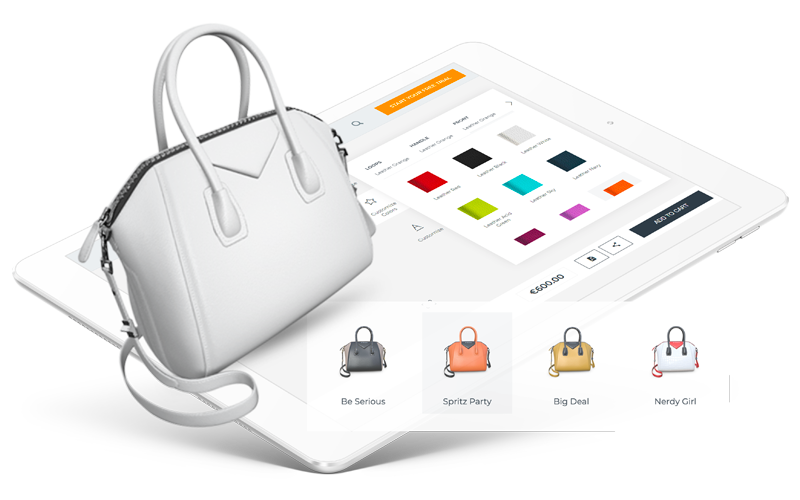
As the shift to eCommerce intensifies across the globe, more and more businesses are looking to provide personalized eCommerce experiences. The reason? A study by McKinsey has shown that 78% of shoppers in 2021 chose to pay more for brands which provide custom services or personalized experiences. What do these eCommerce personalization trends tell us? Personalization should be an integral part of your eCommerce marketing strategy. What are the benefits of personalization in eCommerce? When used efficiently, it can increase customer interactions with your brand, boost conversions and give you a better understanding of your customers. But what exactly is personalization in eCommerce, and why should you care? In this article, we’ll delve into the crux of personalization in eCommerce and outline all the benefits that can accrue to your business when you provide personalized experiences. What is eCommerce personalization? Before we dive into the benefits of eCommerce personalization, let’s first define it. Ecommerce personalization is simply creating a personalized customer experience. Personalization can take many forms: 8 benefits of personalization in eCommerce By leveraging eCommerce personalization, you can enjoy the following benefits. 1. Increased Conversions and Sales A recent Demand Gen study found that leads nurtured with targeted content produce a 20% increase in sales opportunities. Personalization helps your eCommerce to better target prospects and nurture them well to convert them into sales. Through personalization, you’re helping your customers cut through the clutter and find exactly what they’re looking for. For instance, a personalized home page helps reduce the bounce rate. That’s because the page has been curated according to the shopper’s preferences or buying habits, which increases engagement and conversions. In addition, offering customers the opportunity to create custom products helps to increase sales. Customized products allow customers to perceive a higher value and eliminate traditional price uncertainties. 2. Improved Customer Experience Personalized product recommendations, offers, and promotions help customers narrow down their choices. Studies show that nearly 40% of shoppers have left an online store because they were overwhelmed by too many options. If you offer a wide variety of products catering to different demographics and target groups, designing your website in a way that allows customers to filter content and get curated recommendations can increase their shopping experience. Or, in addition, offering customers the possibility to customize their products and create them exactly as they want enables them to improve the Customer Experience by making it interactive and innovative. 3. Improved Customer Loyalty Ecommerce personalization improves Customer Loyalty. By showing your customers you care about their needs and going the extra mile to provide personalized offers or products, you’ll improve their shopping experience. And better Customer Experience leads to Brand Loyalty. Satisfied customers will not only repeat purchases but also recommend your business to their friends. 4. Increased average order size Providing personalized experiences leads customers to purchase more every time they visit your website. How does it happen? Personalization displays the items customers love based on their past purchases and search history. For example, a customer looking to purchase a PlayStation 5 can end up buying controllers, a PS5 bag, and a few games. Before directing the shopper to the checkout page, you can always throw in a few recommendations based on what they’ve put in the cart. 5. A better understanding of your customers The customers’ data collected on your eCommerce site provides valuable insights into your customers’ behaviour-product preferences, buying habits, motivation, etc. You can use these insights to revamp your personalization strategies and serve your customers better. Customer insights can also help you determine which products to discontinue and/or restock in bulk. 6. A competitive advantage With the stiff competition in the eCommerce space, the one thing that can truly set your website apart is the experience you offer your customers. Ecommerce personalization helps you achieve just that. Customers can sometimes change their minds in the blink of an eye. However, if you provide a personalized experience they can’t find elsewhere, they’re more likely to stick around and become your brand advocates. 7. Increased Engagement Many shoppers feel frustrated when an eCommerce website is not personalized. But if a website is personalized and shoppers can interact with it better, they’ll naturally want to spend more time on it. In other words, customers will engage more with a website that offers product customization or Customer Experience personalization. For instance, giving the customer the possibility to customize a product and create it from scratch according to his needs makes the Shopping Experience interactive and makes the customer feel at the centre of attention. 8. More traffic to your store When you provide personalized experiences to your customers, they’ll automatically want to spend more time on your website and visit it frequently. If your website is personalized in a way that piques buyers’ interest, you’ll not only experience a spike in traffic but conversions too. Ecommerce personalization: let’s start with Product Customizer software Now that we know what are the main benefits of personalization in eCommerce, it’s easy to understand why offering a personalized experience is the best way to increase sales and stay competitive in today’s fast-paced business environment. How to start offering a custom Shopping Experience? Let’s start with Product Customizer Software! Offering customers the ability to create and customize their products with real-time visualization allows your eCommerce to build a better Customer Experience, improve Customer Satisfaction and boost sales. You can start trying our Zakeke, our eCommerce Visual Product Customizer. Zakeke helps eCommerce businesses scale up their business by building an innovative and interactive Shopping Experience for consumers thanks to 2D customization, 3D visualization and Augmented Reality. How to start? Quite simply, Zakeke is a plug-in and it integrates seamlessly with all leading eCommerce platforms. Also, setup becomes even easier with the help of the Support Team and the ability to book a free Demo to understand which of our platform’s features best meet your needs.
January 2023 Release Notes

You add extra information explaining and detailing your price rules for your customers, it’s now possible to be more independent managing and adding languages to your Zakeke account, create manual orders, have optional manual measures for images. Check all improvements
How a better Product Visualization can improve Customer Experience
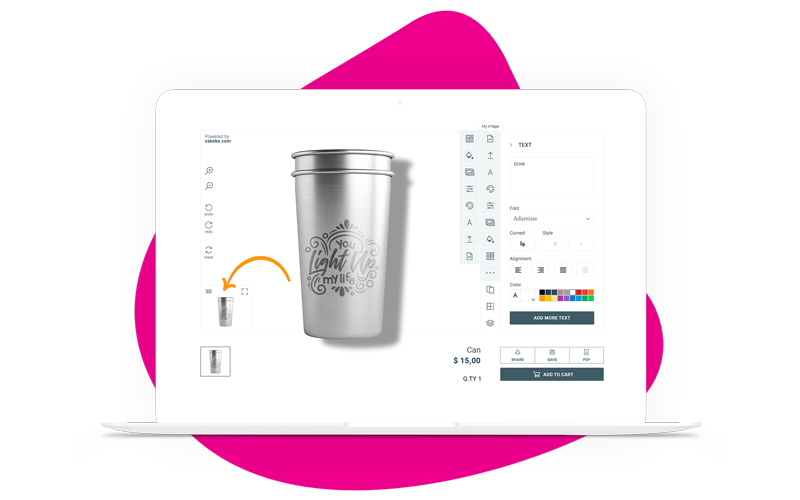
Even though the stay-at-home orders and mandatory nationwide isolation have subsided, many of the habits and practices that society adopted during the height of the COVID-19 pandemic have shown every sign of sticking around. One example of this is the increased popularization of online shopping and e-commerce. While there are people who are happy to be able to go back to a store to buy their groceries or other essentials, there is a large group of people who are still all-in on the convenience of having their products delivered right to their doors. Because of this, many businesses are finding themselves needing to constantly adopt new technologies and techniques that make their online websites easier to navigate and more engaging for their customers. This is where the importance of product visualization comes in. The importance of improving Customer Experience Think about it this way, if your business’s previous selling point was that it was the local retailer and it was easy and convenient for our customers to get to, find their items, and go home, shopping at home has taken away this selling point for your business. Now consumers can shop from anywhere and have things delivered to them. So, how are you going to get them to shop with you rather than your competitors online? Simple. Focus on your customers themselves. Work on creating a more unique and memorable customer experience. This will separate you from your competitors and increase the likelihood of maintaining your customer loyalty. But how can you do this? In a brick-and-mortar store, customers are able to inspect products from multiple angles and make more informed decisions about whether or not they want to make a purchase. This can be difficult to do online — especially if all a customer has to use are a few static pictures and – maybe – a size guide. One incredibly useful tool that you can use is to offer more detailed product visualization options for your products. The importance of Product Visualization While artistically photographed 2-dimensional images of your products may be a good way to initially grab the attention of a customer, if this is the only visualization you are offering, your customer may be filled with more questions than answers. This can leave them hesitant to actually make a purchase — which is not the goal. So, how can you improve your customers’ confidence in your product and in their purchasing decisions? Offering a 3D visualization of an object where customers can easily view, zoom in, rotate, and otherwise interact with the object in a more meaningful way can be an incredible boost to the customer experience and allow your customers to feel much more comfortable making a purchase. Humans interact with the world in 3-dimensions, so by offering 3D and non-static views of your products, your customers will be able to more intuitively understand what they are and what they are going to actually look like when they get them delivered. A platform like Zakeke can help you to create this fully customized and engaging product experience that allows your customers to easily interact with and inspect your products more like they would be able to do in a traditional brick-and-mortar store (only better because they can do it from the comfort of their own homes). Zakeke software can easily integrate into your existing workflows, and it works seamlessly with popular e-commerce platforms — like Shopify and WooCommerce. What are the benefits of 3D Product Visualization? There are a number of benefits of 3D product visualization that your business can use to ultimately increase your sales and customer retention: For this reason, many businesses are finding that 3D visualization companies, like Zakeke, can be an essential tool moving forward in the continually competitive online marketplace. How to do 3D Product Rendering The word “rendering” comes from art. In the art world, a painter would “render” a face (or another painting subject) which means filling in the details that make the 2-dimensional painting look like a real face — this would be adding shadows, highlights, and otherwise making the face look like a face and not just a series of skin-toned blobs on a canvas. In software, the process is quite similar to the art process. You take the basic model of your product (3-dimensional model), and you start bringing in those details that make the image look less like a series of points and flat surfaces and more like whatever product you are offering your customers. Oftentimes, without going through the rendering process, your customer may not know what to make of a 3D model, so not only does rendering make a product visualization more appealing to your customers (thus increasing their desire to purchase it), it can also be essential to making your product visualization understandable. Not only visualization: benefits of 3D Product Configurator What is a 3D product configurator, and what does this type of technology do for your business? Some of the benefits of 3D product visualization for e-commerce stated above require the use of a 3D product configurator to work. Namely, any type of e-commerce customization options that you want to offer your customers will require the use of one of these configurator tools. This is because a 3D product configurator is a piece of interactive software that allows you to customize a product — based on the available configuration (or customization) options — online. In other words, if you are selling home goods and you have a kitchen cabinet that can come in different types of wood, different finishes, and maybe even have different numbers of shelves or drawers, you could use a 3D product configurator to allow your customer to create the cabinet exactly as they want it to look. This product configurator will also allow your customers to be able to see the product from all angles, zoom in, and view details. This can help them feel much more confident about their purchase and lead to fewer
How to use e-commerce AR Visualization Software
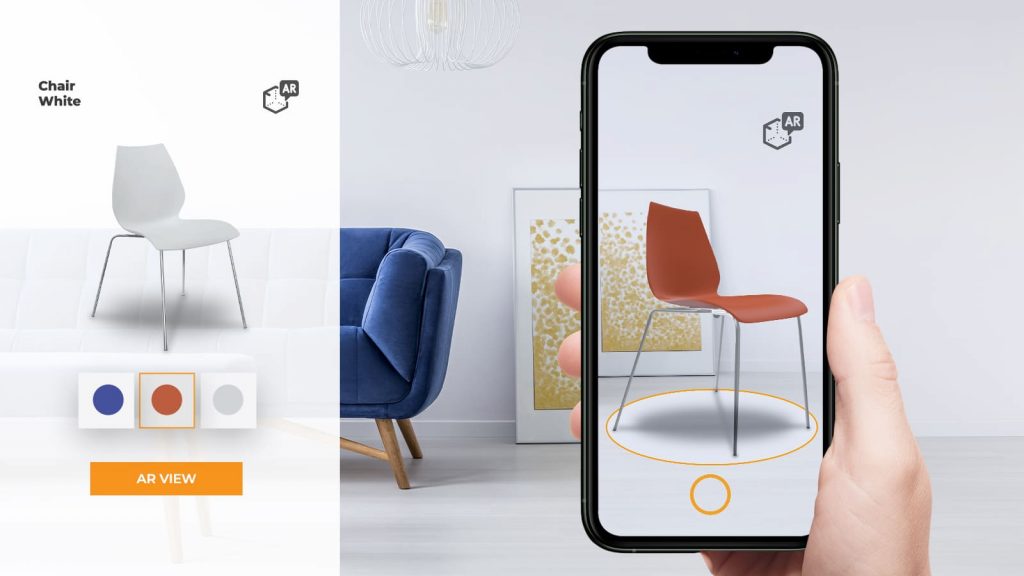
As technology continues to evolve, businesses from all industries need to keep up with these advancements constantly or risk losing their customers to their competition. Over the past years, one of the biggest technological advancements has been the improvement and popularization of 3D visualization software and Augmented Reality (AR). Now, you may have heard of augmented reality as it continues to become more and more influential in social media as well as marketing efforts, but if you have not, essentially, AR uses existing objects in our environments and digitally enhances them in real-time. Augmented Reality vs Virtual Reality It is important to distinguish between augmented reality and virtual reality — especially because a number of people get these two concepts mixed up or use them interchangeably. While both types of technology enhance your view with augmented digital images, virtual reality completely replaces the natural world you are in with these images. In other words, if you were to think about it in terms of well-known games (pretending, of course, that all you can see is the screen itself and none of your surroundings), augmented reality would be Pokémon GO, and virtual reality would be Grand Theft Auto (GTA). An example of augmented reality would be when you are looking for a new pair of glasses, and the online website you are buying them from allows you to “try” them on by allowing access to your phone camera. They will then enhance your phone’s camera view by showing you what you would look like with those glasses. There are, of course, a number of other use cases of AR 3D software, and businesses of all kinds can benefit from implementing this kind of software into their repertoire by providing a more unique and personalized experience for their customers as well as allowing them to see the items they are purchasing in more detail. Since web AR visualization software solutions can be such a valuable addition to your business’s product descriptions and advertisements, it is no surprise that there are a number of solutions available on the market today that can help you become a leader in augmented reality marketing before all of your competitors are doing it too. How to use Augmented Reality in your e-commerce You are likely wondering why augmented reality technology is so important today and what it means to use AR in your business. Well, in respect of importance, augmented reality is essentially the new big advancement in technology, and for a society that heavily values technology and its advancements, AR is simply the best way for you to appeal best to your target audience. AR technology enhances customers’ experience with your products and gives them a better idea of what they are buying and makes them feel more confident about that decision. AR for your online products can dramatically increase customer engagement, increase the likelihood of sales, improve customer satisfaction and retention, reduce the number of returns and enhance your brand identity. So, now that you know some of the benefits of AR technology for your business, you may be wondering how to make augmented reality a part of your online shopping experience. Luckily, there are a number of tools and software solutions, like Zakeke, available on the market today that can help you to do just this. But what exactly does implementing AR into your online store mean for your website? Essentially augmented reality can be used as a way to help your customers view your products more clearly and thoroughly. This can help them to feel more comfortable with their purchase decisions because they will know exactly what they are purchasing before they do so. This is much like being able to pick up and inspect a product in person in a traditional brick-and-mortar store and can ensure more confidence in their purchases and fewer returns of your products. Additionally, AR views of your products can help your customers to see what the product will look like in their environment in real time. For example, if they are looking to buy an armchair, they can see what it will look like with their other furniture and ensure that it is what they are looking for before they purchase. Web AR examples: Flex Arcade case study Before diving into some examples of Web AR, it is important to know exactly what this term means. Basically, Web AR is a technology that allows you to easily view and share AR experiences over the internet — without a specialized app to view the AR experience — on multiple devices. This is incredibly valuable in the world of e-commerce because not everyone is going to have the same apps downloaded on their devices and many people will not want to download an app simply to view a product when there are other businesses that allow them to view those products without having to download anything. So, what is a good example of where a Web AR framework, like Zakeke, has been used well? We can talk about one of our customers, Flex Arcade, who sells customizable arcade cabinets and was able to use Zakeke’s platform to offer easily customizable 3D models of their products that the customer can personalize themselves easily online. Before using Zakeke, Flex Arcade’s team had to do all of the customization themselves and they were drowning in the manual work that entails. But today, Flex Arcade is one of many successful augmented reality examples that use the technology to not only make their customers happy but also lessen their internal workload as well. How to choose your AR Visualization software Since augmented reality software can be so incredibly useful for businesses of all sizes and industries, it is no surprise that there are more than a few different platforms and tools available that can help a business to create these AR-enhanced online storefronts. Now, while having a number of different options can often be a good thing because it means that you can
How 3D Visualization Software Can Boost E-commerce Sales
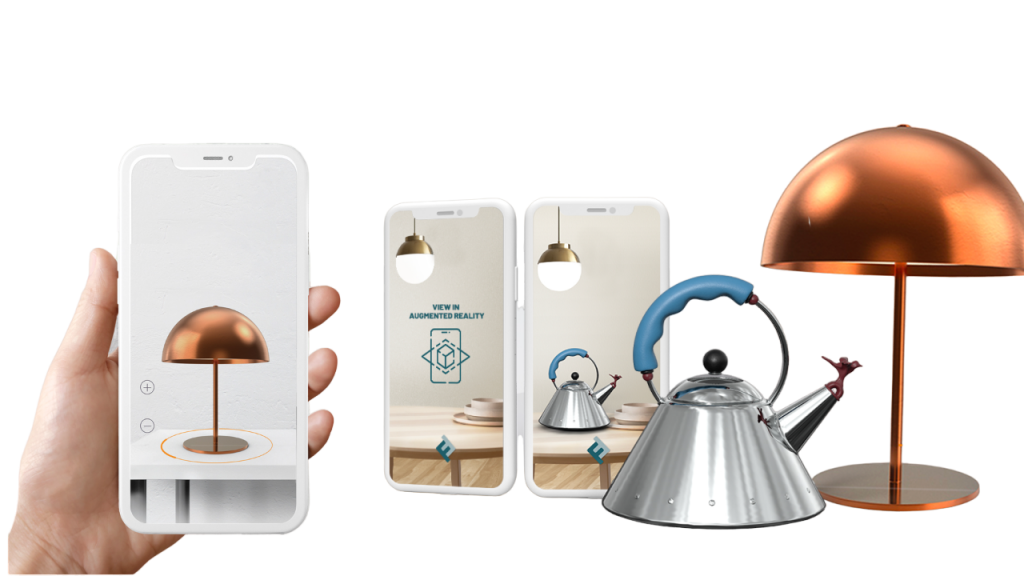
In today’s incredibly competitive digital marketplace, it can be extremely difficult for businesses to put themselves ahead of their competition. But, as the online marketplace continues to get more and more crowded, it is more important than ever for businesses to do just that. Whether that means creating interactive product quizzes, offering incredible customer service, or using some of the most innovative technology, businesses need to determine what they can do to get their products and services noticed by customers before they lose those buyers to their competitors. When it comes to new technologies, the world of AR (Augmented Reality) and 3D visualization software is one of the newest and most innovative options that a business can use. Let’s dive deep into the world of 3D eCommerce and see how you can leverage these technologies to boost your performance. What is 3D Visualization Software? 3D product visualization technology can be used to better engage your customers and allow them to see the products that you offer in greater detail. The human brain processes the world in three dimensions because we live in a three-dimensional world. The fact that most businesses offer products only in 2-dimensional pictures can make it difficult for people to really understand the dimensions of the object and how it would fit in a space. But a business that uses a 3D visualizer can bypass this confusion and possible irritation when a product isn’t like the customer pictured it. This is why you are offering the customer a 3-dimensional view of the product. In the past, when a person wanted a new couch or a new end table for their bedroom, they would go to a furniture store and browse the selection of furniture options for a piece that would fit in the space. People could easily judge the size and dimensions of the product by seeing it in 3 dimensions — like they are used to seeing things in the world. But today, when most people do their shopping online, it can be incredibly difficult for people to accurately judge what a product looks like from a 2-dimensional image. So, if you want to set your products apart from your competitors you can offer a 3D product visualization online. 3D Visualization Examples: How to Use 3D Visualization Software? As technologies such as virtual reality and Augmented Reality continue to advance and become more and more popular with consumers all over the world, it is becoming easier for businesses to utilize these technologies to help them better appeal to their customers as well. 3D modeling and visualization, as well as augmented reality (AR), has been especially helpful for businesses that are looking to offer a more detailed and intuitive look at their products. This allows customers to better understand what the products are and how they exist in a 3-dimensional environment — which is, of course, the environment that they are used to experiencing life in. Luckily, since this technology is becoming more and more accessible for businesses and customers alike, there are a number of good visualization examples available online today. Your business can use these examples as inspiration for creating your own 3D product visualizations: Finding a 3D image visualization example is much easier today than it was in the past. There are a number of companies that offer 3D product previews so that customers can see products in better detail. Benefits of 3D Visualization Services In today’s digital marketplace, businesses of all kinds are seeing a rise in 3D visualization and augmented reality (AR) technology. Since the COVID-19 pandemic began, over 32% of consumers are using augmented reality for their online shopping. These technologies give customers the ability to see the products they want to purchase in a 3-dimensional environment and with augmented reality, they can even see those items in their current spaces. This can be incredibly useful for purchasing furniture products or other products that you need to fit within a space. Since so many customers are becoming more and more familiar with and willing to use 3D visualizers and AR technology, it can be extremely beneficial for businesses to adopt software solutions or consultants who can help them create these more interactive and engaging product visualizations. By the year 2028, the industry is predicted to be worth $97.96 billion dollars. Because of this continued growth and advancement of 3D technologies, it can be a good idea for businesses to consider adopting 3D visualization software for their products earlier rather than later. As the market continues to get more and more crowded, it is becoming increasingly difficult for businesses to stand out from their competitors. But, with 360 product views and augmented reality technology, you can gain an advantage over competitors by offering a more engaging experience for your customers. There are a number of advantages that 3D visualization techniques, such as augmented reality, can bring to your business. Some of the most important benefits: Benefits of 3D for Merchants Many businesses have already begun integrating 3D visualization software and augmented reality tools into their online stores because consumers are able to effectively engage with products. Therefore, they are able to have a much more pleasant customer experience. In today’s society, there is a much stronger emphasis put on customer experience. More and more businesses are finding that even if the only thing differentiating their products or services from their competitors is their customer experience, the business with the better customer experience will gain more customers. Since 3D visualization online is able to provide a better experience, this means that the companies that offer these more advanced visual experiences will be the ones that customers will prefer. There are several advantages of 3D visualization for e-commerce companies: Benefits of 3D Product Visualizer for Customers One of the great things about 3D visualization software in e-commerce is that it provides a number of benefits to both customers and businesses. This is incredibly important in today’s society because consumers are becoming more and
Future Fashion joins Zakeke Group
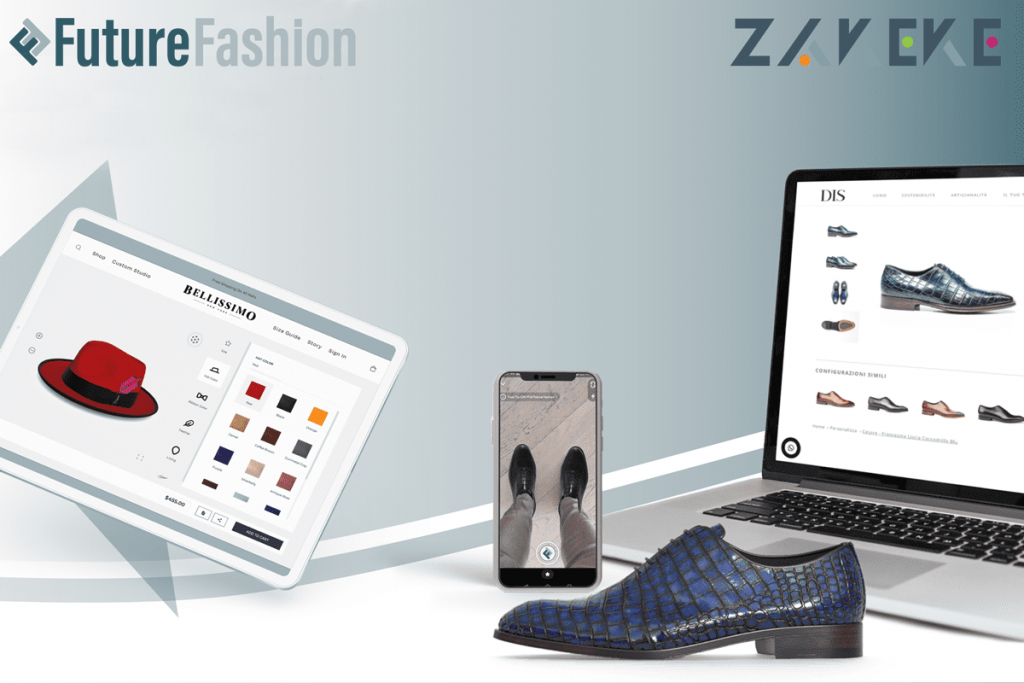
The 3D Asset Management solution will be integrated into Zakeke’s Visual Commerce platform and launched globally. The integration of Future Fashion into the group led by Angelo Coletta is part of Zakeke’s journey to develop an all-in-one visual platform for merchants worldwide. The integration of the 3D asset management platform complements its offerings and strengthens its presence in the fashion and luxury industries. Future Fashion, an omnichannel platform that helps fashion brands virtualize their collections, announced its entry into Zakeke Group, a world-leading SaaS company in Visual Commerce space that allows eCommerce brands and retailers to simultaneously offer customization, 3D configuration, Augmented Reality visualization, Try-On, and NFT minting to their customers. The operation, which involves a first step of investment by Zakeke in Future Fashion and then its subsequent complete acquisition, will help create a stronger international leader with italian roots and with a team of 60 people. This consolidates its role as a category leader, after a long collaboration that has successfully managed clients such as Valentino and A. Testoni. eCommerce is undergoing a deep revolution that also affects physical distribution, with consumers increasingly demanding a new customer-to-brand relationship model made of 3D visualization, visual customization, Try-On, NFTs, and holograms, and that in a very short time, as demonstrated by the data of the incredible growth in conversion and loyalty rates for brands that already use them, will become a conditio sine qua non for existing and asserting oneself in the physical world, in the eCommerce channel and in the emerging metaverses. The hybrid use of generative AI and photogrammetric scanners is also opening up the space for an incredible reduction in costs for creating 3D assets and a simultaneous increase in their quality, which now has nothing to envy of old photos, all through simple and shared management that Zakeke and the 3DSuite platform developed by Future Fashion will offer to all their clients worldwide, contributing to an improved workflow management of the creation of 3D models, a collaborative approach to managing and maintaining 3D catalogs, even of very large sizes. Zakeke, with over 7,000 active clients worldwide, 50% of which are based between the United States and Canada, including many world-class brands such as Ubisoft, HP, Sandro Paris, Bauli, thanks to plugins that connect to all eCommerce platforms such as Shopify, Woocommerce, Magento, Prestashop, Bigcommerce, Salesforce Commerce Cloud, Wix, Etsy, is focused on making it accessible, easy and intuitive for customers of all sizes, to have a completely new shopping experience that is based on deep interaction with the product, while riding the waves of mass customization and Visual Commerce. “The needs of the digital consumer, as well as those of brands and retailers, are constantly evolving. With the entry of Future Fashion into the Zakeke Group, we respond to these changes by strengthening the completeness of our technology platform and continuing on the path of creating a single all-in-one platform for Visual Commerce,” says Angelo Coletta, says Angelo Coletta, co-founder and CEO of Zakeke. “We are confident that the combination of our expertise in the field of customization and management of digital assets will lead to great successes and tangible value for our current and future clients.” “We are convinced that 3D will become the standard for object visualization within 5 years. With Zakeke, we want to create a single end-to-end platform for the 3D world,” says Andrea Carpineti, CEO and co-founder of Future Fashion. “Our platforms are complementary: while Future Fashion is focused on the automated and massive generation of 3D assets, Zakeke will continue in the development of a vertical platform for customization, with the goal of consolidating and strengthening its role as a reference player in the international landscape.” About Zakeke Zakeke empowers brands and retailers to provide consumers with seamless customization options and product personalization through 2D, 3D and augmented reality. Its suite of tools can be integrated into any e-commerce platform or a brand’s back-end to enhance the consumer shopping experience while increasing sales for customers across industries ranging from fashion and jewelry to gaming, gadgets, and sports equipment. Founded in 2017, Zakeke has over 7,000 customers globally in hundreds of industries looking to engage consumers with an interactive, visually appealing shopping journey. Zakeke is cloud-based, cross-platform and multi-lingual, making it easy for customers of all sizes to easily adapt and grow sales. For more information, please visit Zakeke.com About Future Fashion Future Fashion s.r.l. is an innovative SME founded in 2017 by Andrea Carpineti (CEO), Francesco Carpineti (CCO) and Michele Luconi to enhance one of the most important districts of the area they live in, the footwear district between the provinces of Macerata and Fermo in the Marche region. As owner of the brand DIS, over the years the company has developed an embeddable end-to-end platform to manage the fastest customized shoe service in the world, through the brand DIS. In 2021 Future Fashion decided to validate a new business division on the market, focused on reselling its platform to the fashion brands, to create, manage and visualize 3D assets in SaaS modality. Fore more information, please visit www.futurefashionsolution.com/
Visual Commerce: What It Is and Why It’s Vital for E-Commerce
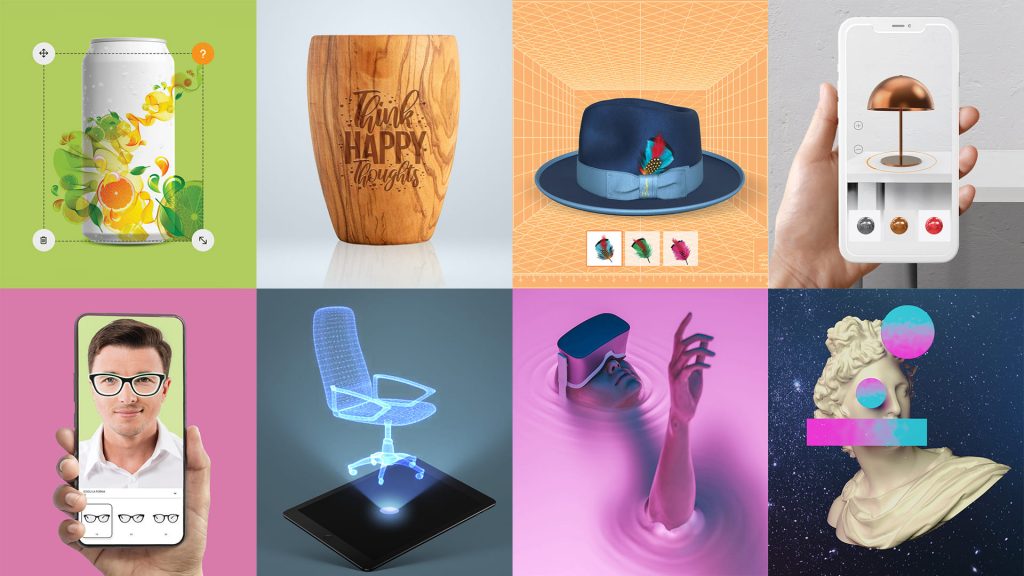
Statistics show that 67% of consumers claim that high-resolution visuals drive more views and conversions than text-based descriptions. 56% of marketers use visuals in 100% of their published work. Moreover, shoppers who watch videos are 1.8x more likely to buy than those who only read text-based descriptions. What do these stats tell us about e-commerce? We are in an age of visual commerce, and businesses need to embrace this trend in order to achieve a competitive edge. Up until recently, a good shopping experience was typically reserved for brick-and-mortar stores. Today, things are changing. With the evolution of mobile technology and a tsunami of visual applications that allow for shopping right within the app, the retail apocalypse is here. Forward-thinking retailers are embracing visual commerce to remain competitive and relevant in an industry that’s rapidly changing. But what exactly is visual commerce, and why should you care? In this guide, we’ll delve into the crux of visual commerce and explain why you should use it for your e-commerce business. We’ll also explore the various types of visual commerce and the trends that are making waves in the visual commerce space. Let’s dive in! What Is Visual Commerce? Visual commerce is the concept of leveraging visual content and augmented reality to attract, engage, and influence customers. In its most basic form, visual commerce is the concept of enriching customer experience with powerful visual content that empowers shoppers to engage, convert, and become loyal to a brand. Visual commerce is an umbrella term that includes, but not limited to: Essentially, visual commerce aims to drive conversions and engagement using compelling photos and videos. It aims to take the “normal” visuals that people use on social media and other sites to the next level. Instead of just having a plain 2D photo, you have a high-resolution product image, plus a super-engaging video, and maybe even a virtual try-on feature. This is often achieved through the use of specialized tools, such as 3D product configurators and augmented reality applications. The beauty of visual commerce is that it compels customers to interact with the product and be brand loyal. Types of Visual Commerce Visual commerce helps to improve product discoverability. This has a positive impact on conversions and sales. There are different types of visual commerce you could use to achieve this goal, which we’ll discuss in this section. 1. Visual Configurators Customers love the flexibility to choose between various product designs and parameters. Every customer has unique needs, and with options, they get to find exactly what they want. When customers are allowed to customize their products, they become more interested in your business. And this is where visual configurators come in! These online tools allow shoppers to customize and visualize products to their specifications. With a visual configurator, customers can create their desired product—change the design, shape, material, characteristics, etc., and have a 360-degree view of the product. This allows the customer to get involved in the design process. In other words, a visual configurator is a tool that allows users to customize the features and components of a product so that the final product meets the expectations as much as possible. As products become more complex and the need for personalization increases, product customizations have become a handy tool for shoppers and manufacturers. 2. Configurable Augmented Reality for E-Commerce Augmented reality (AR) is the next big thing in e-commerce. This technology allows shoppers to preview products or experience services in their own environment and on their own time before committing to buy. In other words, AR allows customers to see and experience the product as if they were in a physical store. It allows users to see virtual 3D versions in the real world. Using AR, shoppers can virtually try on and test products through an electronic device. This helps them understand what they are buying and how those items will work for them. 3. Virtual Photography Virtual photography is the practice of producing photorealistic, computer-generated images. A virtual photograph is a highly-realistic 2D computer-generated image. If done properly, and with the right tools, the final result is indistinguishable from a photo taken with a traditional camera in a studio. Creating virtual photographs requires utilizing product sketches, photos, and even existing CAD files. Depending on how many files there are and their size, creators will likely need to clean up the device storage regularly. The creator can add texture, colors, and shadow with these components to create a photorealistic image. Creators can then create a 3D experience, allowing customers to view the product in all styles, colors, and angles without leaving their homes. The goal isn’t just to save on costs but to show the product features in a way that evokes emotions. Virtual photography helps to showcase the product in all its glory. Hence, the produced photos also work great when used in marketing videos. 4. Visual Search Visual search leverages AI to help users search your website through the use of real-world imagery rather than text. AI-powered image recognition technology interprets the image’s content and returns relevant results. There are many things you can do to optimize your images for search, including making descriptive filenames and adding alternative texts. 5. Digital Lookbooks Lookbooks and digital catalogs are mainly used for lifestyle items. A lookbook is a collection of photos compiled to show off a model, style, or clothing line. Usually, marketers take fashionable photos of models for a particular look or season. This gives viewers ideas of how to style outfits or insights into the trending styles for a given month. The focus of digital lookbooks isn’t on the product but on the results—like a final look after donning certain attire or applying make-up. How e-Commerce Stores Use Visual Commerce Jeff Bullas, a renowned digital entrepreneur and blogger, says that content with visuals drives 94% more views than content without them. With that in mind, an increasing number of marketers are using visuals to spice up their content and