
✦ AI AGENT STUDIO IS OFFICIALLY LIVE!

Your AI creative team is now in Zakeke.

Industry Trends

visual commerce in retail
Industry Trends

Using Visual E-Commerce Solutions to Reduce Product Returns

Most online consumers today look at an e-commerce website’s product return policy before making a purchasing decision. This behavior is driven by their inability to physically interact with a product that they intend to buy. For many years, product returns have been the bane of many online brands. It has damaged many reputations, caused billions of dollars in logistics reversal, and frustrated the e-commerce industry, whether you are a consumer or an online retailer. But what if e-commerce brands could provide a user experience that can rival what a brick-and-mortar shop offers? With the current state of digital technology, this is becoming more and more possible. Below are some visual e-commerce solutions that could change the face of product returns and online shopping. Integrate High-Quality Product Images Analysis from Invesp shows that 22% of product returns are due to a disconnect between the customer’s expectations and the item’s actual appearance on the website. This could point to an inaccuracy in the visual depiction of the product. It could also be a sign of an unrealistic expectation on the side of the consumer. Whatever the case, the burden falls on the online retailer to resolve the issue. While having a robust return policy goes a long way in assuring potential customers, there are ways to minimize the mismatch between expectations and reality. One is by using high-resolution images of your products. High-quality images allow online users to examine even the most intimate details of the product, including the stitching, texture, and product material. This will help manage the expectations of online shoppers, even without holding the product itself. Incorporate Zoom Capabilities Aside from using high-quality photos, you must incorporate the capability to zoom on these images. Today’s customers have a certain level of expectation and have access to unlimited information about products that they intend to buy. They want to see up close if your products live up to the information they find through search engines and other sources. Offer 360 Degree Viewing  Seeing a product from various angles enables online shoppers to visualize it more accurately. This will help online shoppers make a more informed purchasing decision that they are less likely to regret later. There are several plugins that can enable 360? viewing for e-commerce websites. All you need is some photographic skill to make the most of this capability. Alternatively, you can outsource this part of the process to a professional photographer. Use Photos Submitted by Actual Users While using professional photography is important, online shoppers also want to see images and even videos submitted by other users. This gives them a more realistic perception of how a product or item will look on them. Another study from Power Reviews shows that 88% of online consumers actively search for visual content uploaded by other users before making a decision. It helps online brands in two ways. First, it increases the brand’s conversion rate and improves. Second, it reduces the possibility of product returns. Both scenarios will boost a brand’s bottom line. Bring in the Professionals There are many ways to reduce product returns and protect your brand image. One is by using the Zakeke plugin, a web empowering service that optimizes product visual personalization to enhance customer satisfaction. Thanks to Augmented Reality features and 3D photorealistic models, customers can see exactly what they are buying. They can zoom in, rotate it and see item from every angle. How it works? Request a demo here or Start a free trial now! Stay up to date and follow us on LinkedIn, Facebook and Instagram
Read More >
products customization
Industry Trends

How Product Customization Can Bridge the Gap Between Retail Store and E-Commerce

Even before the pandemic hit, consumer behavior had been shifting to the digital stage. As more people discovered the benefits of e-commerce, businesses were forced to accept the changing situation. Still, the trend had been a slow and steady evolution. While it was inevitable, businesses had plenty of time to catch up. And then the pandemic hit. The COVID-19 virus accelerated the timeline for the digital transformation. It made this change a necessity for virtually all businesses. Industries must expand or at least switch to e-commerce for them to survive in today’s business landscape. While there is no question that making the shift to online shopping is the only way to go, retail shop owners are left asking one question: How can customers experience the same level of shopping satisfaction online that they experience in retail shops? Their ability to answer this question would determine the success or failure of their transition to e-commerce. And to help them face the challenge, here are a few suggestions. The Power of Product Customization Product customization offers the ultimate experience in a consumer’s purchasing journey. The ability to determine a product’s appearance, size, fit, or any other critical feature is one of the most compelling reasons why customers today choose certain brands. However, customization came at a price. Anything that was bespoke was seen as expensive. But while this concept may have been true until a few years ago, it is becoming more difficult to support. With the emergence of customization software solutions, the continued improvement of product supply chains, and increasing demand for things bespoke, a perfect environment for mass product customization is brewing. This has allowed brands to offer customized products close to the price point of mass-produced items. Enhancing Customer Satisfaction with Product Customization If you ask online shoppers, one of their biggest concerns is getting a product that meets their expectations in terms of size, appearance, or quality. Without the ability to physically interact with the actual product, getting the right product is sometimes hit or miss, especially for first time purchases. That is why product returns are some of the most pressing issues for e-commerce, whether you are a consumer or an e-commerce brand owner. Product returns can damage a brand in many ways. It diminishes your credibility among current customers and makes them less likely to purchase from your website again. They could also discourage friends and family from choosing your brand, which means more potential losses on your part. In terms of logistics, the cost of reversing the purchasing process can be very expensive. You have to provide a refund, take back the rejected product, and potentially dispose of it. This does not even include the implication of packaging materials wasted. Based on studies by industry experts, half of the returned products offer little to nothing in terms of retrievable value. Consumers today have a certain level of expectation that is hard to meet. But for a business to succeed, there is no way around it. If you want to make a successful transition from a retail store to an e-commerce website, make sure that you invest in product customization.       Trust the Professionals There is no question that product customization is essential for today’s businesses. A great way to do this is by using the Zakeke plugin, a web empowering service that optimizes product visual personalization to enhance customer satisfaction. Our Product Customizer lets customers personalize any product and visualize how it will look before checking out. Customers see and interact with a live 3D model of their products and see it in their real-world thanks to the Augmented Reality. They’ll always know what they are going to get before buying, which means fewer refunds, fewer complaints, and more 5-star ratings. Visit Zakeke demo to learn more and Start a free trial now!

Read More >
3D configuration chair
Industry Trends

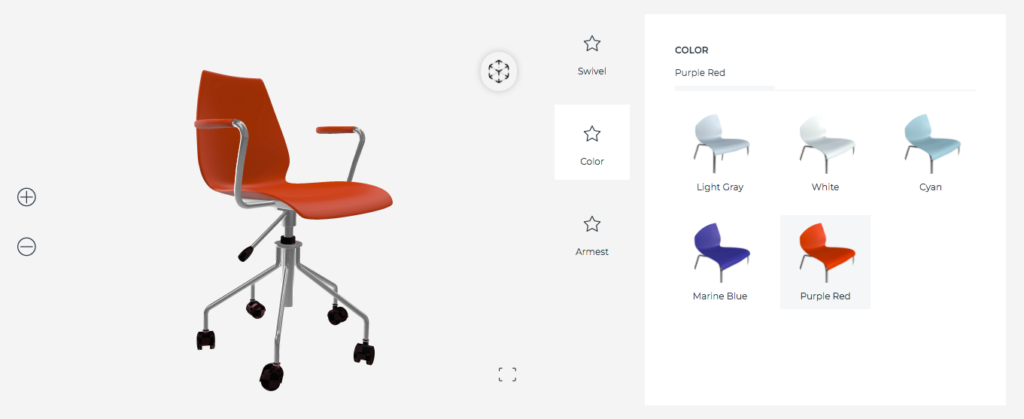
How Product Customization Can Boost the Jewelry & Furniture Shopping Experience

  With today’s technology, it is common to hear about businesses using technology for operations. Companies now take advantage of automation software and other innovations to streamline their processes. As a result, consumer tastes and preferences have also evolved significantly. Back in the day, it was a challenge for businesses to address all customers’ needs due to limitations, producing processes, or simply lack of imagination. Fortunately, technology has paved the way to eliminate these obstacles for both manufacturers and customers. In today’s digital era, the importance of customization and personalization has skyrocketed. According to research by Deloitte, more than 50% of customers prefer customized products or services in specific categories, and 1 in 4 people are willing to pay more for such items. The concept of made-to-order has become extremely popular for jewelry and furniture as people want to have a say in how their products turn out. Providing Better Customer Service When shopping for jewelry and furniture, it is common for people to have specific needs. Some shoppers may walk in without knowing what they are looking for, but they may still have an idea on what they want and do not want. By giving them the liberty to customize their order as they see fit, you can provide them with the best possible customer service. Personalized jewelry is extremely popular and sought-after because it allows people to incorporate unique and sentimental elements into it. Whether it be a symbolic gem or a carved initial, these little touches can add so much to the resulting piece. The same is for furniture, where custom pieces are often made to fit a space perfectly. Stimulate Customer Retention Customer retention is built on factors like brand image and overall product or service quality. With personalization and customizations on the rise today, it is no surprise that these steps have been found to stimulate customer retention. Allowing customers to have a say in their product is one of the best ways to improve customer relations, which can translate to loyalty. Promote User-Friendly Experience Giving customers the chance to personalize their products makes the shopping experience much more user-friendly. Many times, customers may be interested in what you have to offer, but want to have options to make slight modifications. By giving them such creative freedom, you can attract a larger crowd. However, should you decide to offer personalizations, you must ensure that the process is easy to follow. If the design or ordering process is too complicated, customers may opt not to customize their orders in the first place.   That’s why Zakeke has been chosen by more than 43.000 merchants all over the world: in order to give customers an immersive shopping experience, flawless and easy to integrate with most of the e-commerce ecosystems. Product customization is not just a trend, it’s a reality that needs to be implemented, in the right way, to increase revenues, awareness and to improve the customer experience itself.

Read More >
face mask
Industry Trends

Face Mask Customization Market Skyrocketed – Zakeke Case Study

Face Mask Market has skyrocketed due to the COVID-19. According to a new study, the global face mask market is expected to reach USD 7.22 billion and a CAGR of 22.14% by 2026. An already visible trend. Zakeke quickly meets the increasing demand for face mask customization.  The Market Face masks, whether we like it or not, are becoming a must-have. In many Asian countries, wearing a face mask in public has been a cultural phenomenon long before COVID-19. The norm of wearing a mask in those areas came about for several reasons: first of all, the industrialization that led to bad air quality, then other diseases that impacted fiercely those countries of the world. Face masks certainly impact the way that we interact socially as we will likely have to find a new normal to effectively communicate with others in the nonverbal ways. Anyway, just like sunglasses and hats evolved from sun protection to fashion accessories, masks may do the same. Whether it’s the design you choose or the way you fasten your mask to your face (with a popular debate now ensuing over whether ear loops or clasps behind the head are better), you have an opportunity to make a statement with the mask you wear — and protect others in style. The challenge Meeting people’s growing demand for custom orders The market is pushing demand for cloth face masks so high that is difficult to keep up. Almost everybody in the fashion and the interior design industry has pivoted and they’re all making masks now. They realized that maybe over time it’s going to be part of our culture and if people are comfortable with the design, they will be more likely to wear them. Many companies weren’t doing any custom orders for retail sales before, maybe they only allowed buyers to add small details to their products but nothing more. Considering the growing demand for personalized cloth face masks they now need to have the right systems in place to meet that demand that comes from both B2C and B2B markets. Fulfilling custom orders The customer experience must be prioritized because customers come first. Most of the time each order has to go through design, approval and then printing. It requires a lot of time and a lot of back and forth so the company can only offer this service to customers ordering great number of pieces. Allowing visitors to design their own products is great and time saver but the process needs to be easy and fun for the customer or they will leave the website with the shopping cart empty. Finding the right tool to help scaling Finding the right customization tool can be frustrating at first because on one hand you really want to grow but on the other hand you fear the tool won’t be as you expect. Some of the difficulties can be: it requires crazy investments and upfront costs it doesn’t really help fulfilling more orders in time the look and feel don’t match the brand and the website it is hard to install and implement on the marketplace online buyers find difficult to use it it doesn’t help the company scaling The solution A product customizer you can install and test in less than one day No more struggling and no more time spent fussing with technology with Zakeke. You can install it and test it in less than one day, no coding required. Moreover, the subscription models perfectly match your needs: small monthly subscription to get started – versus a steep upfront fee. Zakeke is the tool that grants a great experience for both visitors and store owners. Here’s the biggest benefits from both sides using Zakeke: STORE OWNERS Pay $0 on hosting costs or maintenance: Zakeke works on the cloud and integrates seamlessly with the most popular e-commerce platforms. You’ll never have to worry about hosting costs, manual software updates, or maintenance. Launch fast… real fast: creating your customizable products in Zakeke is quick and easy once you get the hang of it. Text, colors, patterns, images… you have full control of every possible customization you want to offer your store visitors. Increase sales and margins: take control of your pricing options with a percentage or fixed rate upcharge for every product attribute your clients change. Receive print-ready files: each order comes with the right files, every single time. Simply get the files and go to print. Zakeke delivers print-ready files in PDF, PNG, SVG and AutoCad DXF formats. Get Customer Support that’s always ready to help: our friendly team will assist you from implementation to launch. You get access to our Guidance Center and direct access to our helpdesk from your Admin Panel. We resolve 97% of support requests within one day and frequently update our tools with fixes and new features. Automate your workflow: Zakeke is compatible with services and apps mostly used to manage eCommerce store such as print-on-demand service (Printful, CustomCat, Invition) and automatization tools (Zapier, Order Desk, WebHooks). CUSTOMERS Get a fast and intuitive experience: Zakeke works blazing fast on desktop and mobile devices. Customers can easily customize their products and see an immediate, high-quality 3D rendering, without slowing down your website’s load speed. Love to buy from their phones: Zakeke works smoothly on any device and screen size. Visitors get the full customization experience, fast interface, and 3D preview on their phones. See before they buy: Zakeke allows your customers to quickly and easily customize products and preview them in 3D before making a purchase. It’s a uniquely immersive shopping experience that gives customers the confidence to order on the spot. Experience Augmented Reality: customers can see the customized product in their real world via smartphone thanks to AR. Write 5-star reviews: customers who get exactly what they want love to tell everyone about it. Imagine a swarm of happy buyers publishing glaring reviews for your store on Google, Facebook, Shopify, WooCommerce and all-over social media. The result Increased sales After

Read More >
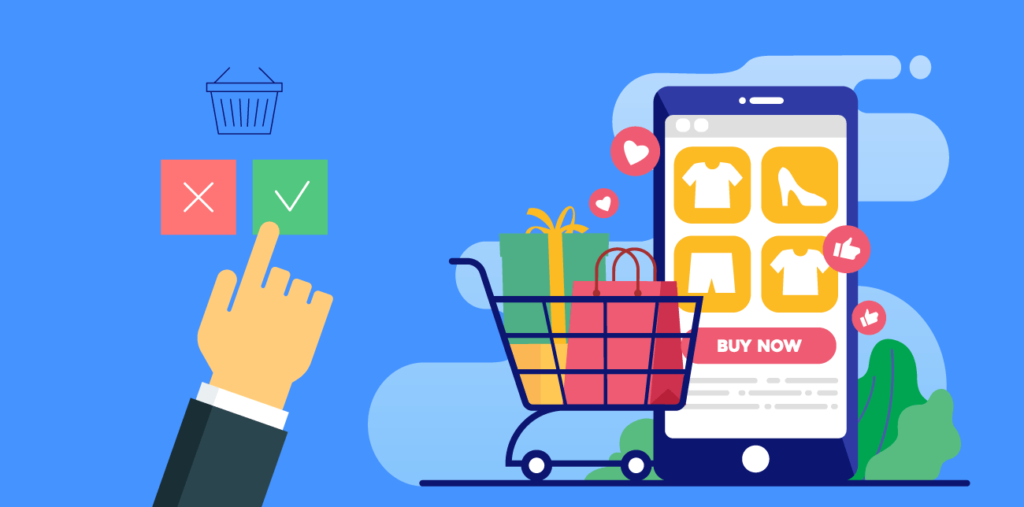
Ecommerce checkout
Industry Trends

Personalization: The Path To Success

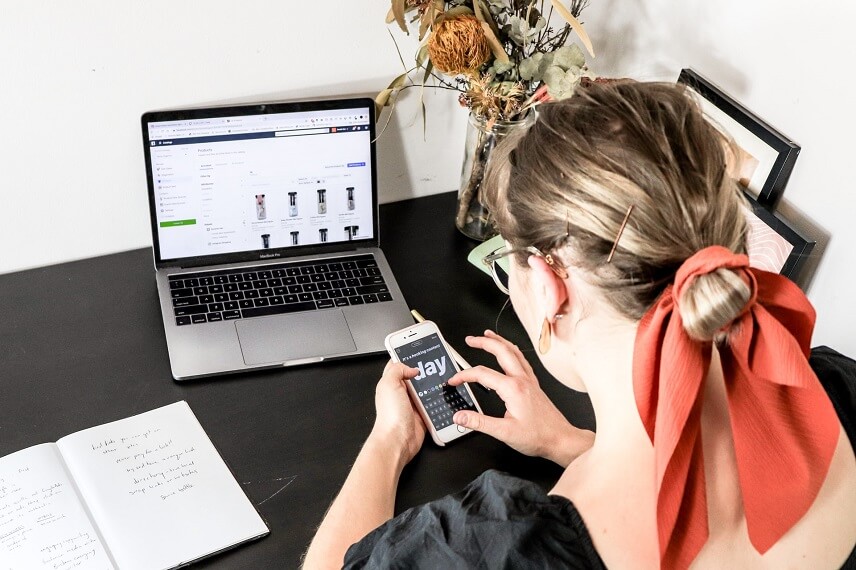
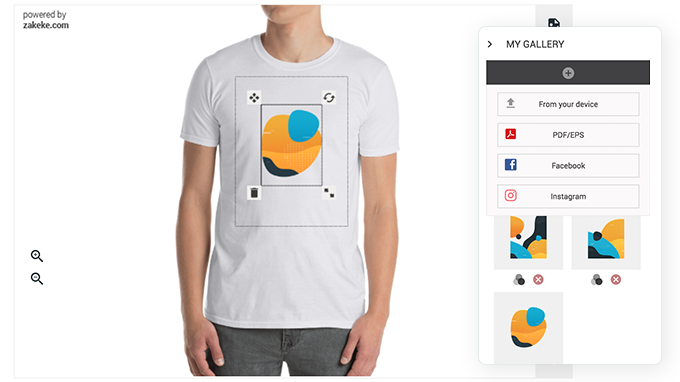
– Why Your eCommerce Store Needs A Custom Product Builder eCommerce. It’s no walk in the park. It’s super competitive – whether you’re selling stickers or sportswear. This means your site has to work even harder to get the sales it deserves. Shoppers have so much choice and quality that many goods are largely interchangeable. But give them the option to customize your products and you stand a better chance of getting their attention. That’s why more and more businesses are installing custom product builders on their eCommerce stores – to provide the interaction, engagement, and personalization needed to convert more site visits into sales. Let’s take a look at some of the benefits custom product builders offer and consider a few ways budding eCommerce entrepreneurs can get up and running with them. Time To Get Personal Nearly everything can get personalized – from accessories to clothes, furniture to cars, purses to bags. They’ll pay a premium for the privilege too. A study shows that 1 in 5 consumers 1 are willing to pay up to a 20% premium for personalized products & services. Also, chances are if you allow customers to make something of their own, they’re much less likely to return it. Never underestimate Word of Mouth. If your site makes product customization fun, engaging, and easy to use, you’re much more likely to get repeat customers and direct referrals. Not only that, but more virtual footfall means an improved online presence. And the more people visit your store, the more traffic you’ll get – and the higher your site will rank on Google. Sold On The Idea? You have a few different options when it comes to developing a custom product builder. Build it in-house If you have a dedicated IT team in-house, then it’s worth exploring if they can create a custom product builder for your eCommerce store. After all, working with trusted colleagues who understand your business allows you to work closely with them face-to-face, give faster feedback, minimize communication problems, and fast track any bug fixes. It also means you can add new functionality more easily. However, few eCommerce startups have the luxury of an extensive IT or software development team. And even those that do will have more pressing features for them to address. Hiring new people is an additional expense – plus it means getting someone new up to speed. Outsource to developers  If time, costs, and a lack of in-house expertise are major sticking points, consider outsourcing your custom product builder to an external software development team. There are a lot of companies all over the world that offer outsourcing services at an affordable price. However, a lot of communication is via email, phone, and video calls. Another downside is the fact they may be based in another country – adding time differences and language barriers into the mix. Plus finding a company you can trust to do the work required can take time. Use Plugins or Extensions Another, less expensive option, is to use custom product builder plugins and extensions. That way you can get access to the service you need for a small monthly fee, and select the functions, service levels, and support your business needs in a single package. However, one of the biggest problems here is that sometimes plugins can be limited in their scope – they may only work with a single eCommerce platform – like Shopify or WooCommerce. That’s why it’s always worth considering the following: Will the Plugin support my eCommerce platform? How complex is the Plugin to configure? Will the plugin affect my other eCommerce features? What do other customers have to say about the Plugin? What additional features does it offer? Is there customer support? What’s it like? Will they help you when you need it most? Is the pricing clear? Are there any hidden additional charges? Is it easy for your customers to use? Is it being regularly updated? Is it flexible enough for your needs? Is it just a simple plugin or can it really support configurable products? What We Offer Here at Zakeke, we have our own custom product builder Plugin – which offers a range of benefits for both eCommerce store owners and customers. A secure, cloud-based platform offering fast customer onboarding, Zakeke supports multiple platforms like Shopify, WooCommerce, Magento, Big Commerce, Salesforce and via API – all available with affordable monthly plans. Using our Plugin, customers can personalize their purchases on any device – mobile, laptop, desktop, or tablet. They can add also text, clip art, their own images, and photos – or choose from pre-made designs which they can tweak to make their own – before previewing their creations in 3D or using Zakeke’s new augmented reality feature to view their creations in the ‘real world’ using their smartphone. Live pricing shows customers exactly what they’ll pay for their items, meaning they can head to the checkout knowing the overall price. Overall, there are lots of different reasons to add a custom product builder to your eCommerce store. They can do a lot more than just keep customers on your site while they experiment with their own creations. They can also drive repeat visits, create customer loyalty, and ultimately boost your sales. If you’re an eCommerce store owner, you don’t even need any software skills to get started – so what are you waiting for? Keen to experience the Zakeke difference? Check out our product demo to see for yourself.

Read More >
ecommerce customized packaging
Industry Trends

Product Personalization Trends: 6 Trends For E-Commerce

Product trends show there is a major shift happening in our culture.. For the longest time, owning meant being . Buying expensive things afforded status and prestige, so luxury goods and big-name brands dominated the market. Every single one of These companies pushed the same message: if you had one of our products, you too could be part of an elite, exclusive group comprised of the cool, rich, and famous.

Read More >