✦ AI AGENT STUDIO IS OFFICIALLY LIVE!

Your AI creative team is now in Zakeke.

Industry Trends

polo sport configurator and customizer
Industry Trends

The Great Benefits of Custom Sports Products & Equipment

Customers love customization Custom sports products have been around for a long time, but it’s only recently that smaller companies have started to offer customization tools that allow customers to create unique, one-of-a-kind custom sports equipment. By offering your customers the ability to customize their own gear, they’ll be more likely to purchase for a number of reasons.  First and foremost, nobody likes having the same gear as a million other people. By enabling your customers to customize their gear, they’ll be able to create something unique to them, which is a huge selling point that all customers will love,  Also, off-the-rack sports gear never quite fits perfectly, and comfort is key when it comes to performing well during the game. By allowing your customers to create custom sports equipment, they’ll be able to tailor their new gear to them specifically, which means it will fit better and be more comfortable.  Augmented reality (AR) changes everything For those who haven’t heard of augmented reality before, this is essentially a technology that allows companies to superimpose graphics over the real world.  Thanks to Virtual Try-On Technology, if a customer takes a photo of themselves, they can upload it and see how custom sports gear will look and fit on them without having to make the trip into the store. This helps people get a better idea of what they’re buying. Plus, when you add other customization tools to your online store, they’ll be able to tinker with their new gear until it looks and fits exactly the way they want it to. This means the odds of them making a purchase will skyrocket, and the odds of them requesting a refund drop to virtually zero.  Online configuration makes shopping for custom gear easy When big e-commerce sites, like Amazon, first came out, it was a game changer; it meant that you could shop for gear and equipment from the comfort of your own home. The problem with this sort of shopping, though, is that it doesn’t allow you to customize or configure anything, apart from maybe the size or color of your equipment.  For now, most companies still don’t have AR and VR technology enabled for their online stores. This is probably because most small-mid-sized online retailers don’t know how to get started with implementing this sort of solution.  Summary Offering your customers the ability to customize their own gear and equipment and then view that gear in 3D with AR and VR tools is a gamechanger. Not only will the gear be tailored to them as an individual, which means that it will fit perfectly and be comfortable, but it will also allow them to show off their personality and style.  In the near future, VR and AR technologies will be the norm when it comes to online shopping, but with Zakeke, you can easily implement these tools today, which will help you get ahead of the curve and stand out from the crowd of competitors in the sports gear industry.  With Zakeke, you can easily allow customers to customize any product with only a few clicks. Plus, you’ll be able to offer live 3D view tools and AR configuration options. So, to learn more and get started, be sure to check out Zakeke today.  Customize your own products today with Zakeke Customization is about giving the customer choices in the products they purchase. We integrate with a variety of ecommerce, fulfillment/logistics, and other business services. So, ready to start your own custom product line? If you are wondering what you can do with Zakeke, check out our DEMO STORE. Supported Platforms: Shopify WooCommerce Prestashop BigCommerce Salesforce OpenCart Etsy API ShopWired DISCOVER ZAKEKE START A FREE TRIAL Ā  Ā  Stay up to date and follow us onĀ LinkedIn,Ā FacebookĀ andĀ Instagram

Read More >
growth
Industry Trends

7 Powerful Ecommerce KPIs Every Store Owner Needs to Know

Although it may go without saying, unlike Kevin Costner’s character in sentimental baseball movie ā€˜Field of Dreams’, simply building something is not enough to guarantee anyone will come looking for it. And so it is with eCommerce stores. You may have done everything to bring it to life. You’ve got the right domain name and an eye-catching web shop. You’ve done all your market research and have 100% certainty of who your target customer is. You may even have secured all the right supplier partnerships. Now comes the hard part – driving traffic to your store, keeping customers there, encouraging them to buy, and giving them a reason to come back. But where do budding Bezos’ begin? They start by getting their eCommerce KPIs in order. What Are KPIs? eCommerce KPIs? Yup, your online store’s Key Performance Indicators. Or, in (slightly) less business-y terms, the factors that lead to actions and outcomes. Unlike metrics, which are essentially how you determine the progress of a specific process (without bias) a KPI has momentum. It’s driven towards an overall business objective. It’s goal-orientated, so to speak. But it’s still an effective way of determining progress. Confused? Ok, so maybe that last sentence was deliberately misleading. There are a lot of crossovers between KPIs and metrics for one good reason – they can sometimes be one and the same. Basically, a KPI can function as a metric, but a metric alone is not a KPI. We need an example. Think of it like this – we want to increase our eCommerce store’s Average Order Value (see below for more). This is our KPI – to increase it, not merely to measure it. But, to understand an increase in our Average Order Value we’ll need to measure its progression. The main difference between KPIs and metrics is essentially intent and purpose. And intent drives things forwards. The Most Important eCommerce KPIs to Focus On: KPIs are always linked to business objectives – that’s a given. Knowing the desired outcome means finding a path towards achieving it. This is where KPIs come into their own. They function as milestones – points which need to be reached in order to declare something as inherently successful. In eCommerce, KPIs are data-driven – which makes complete sense. However, while they’re ultimately geared towards increasing sales, they address a very specific part of the process; as you’ll see. Let’s consider some of the most important eCommerce KPIs. 1) Conversion Rate (CR) The conversion rate is essentially the amount of shoppers who bought something against the number of site visits. In real world terms, it’s the amount of people who come into your store measured against the number of people who made an actual purchase. It’s a percentage. Get 100 people in to your store and only 10 buy something, then you have a conversion rate of 10% So how do you boost the conversion rate? You give shoppers something truly unique – access to a product, service, or experience that they’ll enjoy. The more invested consumers become, the greater the chance of a purchase. 2) Average Order Value (AOV) Average Order Value isn’t strictly how much each customer brings in each time. Well, actually it is – but there’s a little more to it. Essentially it’s ā€˜revenue generated’ divided by the number of orders. The resulting number is the AOV. Basically, it’s a way of understanding how much money each customer generates for the business – data which can consequently determine how much they’re worth spending on to acquire, which leads us neatly on to… 3) Customer Acquisition Cost (CAC) Probably one the better known eCommerce KPIs, the customer acquisition cost is a measure of how much companies should spend on attracting and onboarding new business. It’s the gap between the budget received and the number of successful conversions. Once you know what customers will spend on average, a cost can be attributed to acquiring each one. The better a company gets at lowering this cost, the more profitable they’ll be. It’s essentially a continuous improvement process. 4) Customer Lifetime Value (CLV) CLV operates on the assumption that your business wants to establish a long term relationship with its customers. As a metric, it can be used to determine how much revenue customers will produce for your company over the entire course of your relationship with them. It’s calculated by multiplying the Average Order Value by the average number of repeat purchases per customer. And what does good look like here? More money over a longer period of time. 5) Net Promoter Score (NPS) Net Promoter Scores. We’ve all seen them somewhere – a questionnaire, popup box, or similar: would we recommend this product or service to a friend? It’s actually a very accurate way of understanding the qualitative ā€˜how customers feel about your business’ with the quantitative ā€˜marks out of 10’. It may sound a little simplistic – it’s effectively the difference between good points (from promoters) and bad ones (from detractors) – but it’s super valuable. 6)Shopping Cart Abandonment Rate Ah yes. The whole customer thinking ā€˜let’s see how much this is all going to cost… ā€˜ before realizing ā€˜HOW MUCH??’ at the last hurdle. You can work this out by dividing the number of shoppers completing transactions, by the number of shoppers adding items to the cart. You’ll soon see how alarmingly high these rates are – more than three quarters of eCommerce shoppers abandon their carts according to research. But even more worryingly, a high cart abandonment rate can indicate wider site problems – such as a lack of trust or transparency. 7)Contribution Margin (CM) Once you subtract all of your costs – production, marketing, sales, packaging etc – from the total revenue, you’re left with your contribution margin. It’s NOT the same as your profit. Essentially some costs (eg marketing) are variable and are subject to change, while others (eg materials) are fixed. Being able to separate these out and look at them

Read More >
VTO zakeke
Industry Trends

Virtual Try-On: A Game Changer for the Retail Industry

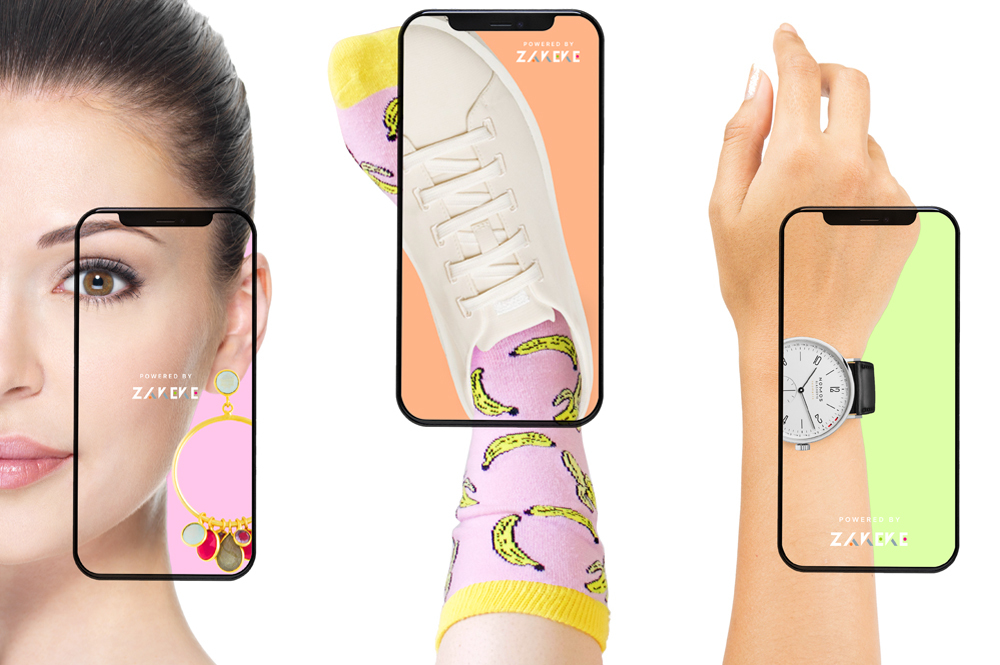
1. What Is Virtual Reality? Virtual Reality (VR) is an interactive computer-generated experience that creates a simulated environment. VR allows the user to interact with that environment in a realistic way as if they were actually there. 2. The Benefits Of Virtual Reality For The Retail Industry There are several benefits that VR brings to the retail industry. Read on to find out! Enhances Ease First, it allows customers to try on clothes without having to actually wear them. This is a game-changer for the retail industry and will likely change fashion as we know it.  Immersive Shopping Experience Second, VR can be used to create an immersive shopping experience. This means that customers can explore a virtual store, view products from all angles, and even interact with the products. This can be a great way to increase sales, as customers will be more likely to buy something if they have had the opportunity to experience it in VR.  Improves Customer Service Third, VR can be used to improve customer service. For example, retailers can use VR to help customers choose the right size or colour of a product, or to help them make a decision about which product is best for them.  Employee Training Fourth, VR can be used to train employees. This can be especially helpful for retailers who sell complex products or who have multiple locations. VR can also be used to improve customer satisfaction by giving customers a more positive shopping experience. Increased Accuracy Virtual try on is a much more accurate way to virtually try on clothes. With traditional methods, you are limited by what is in the store. With virtual try on, you can try on clothes from any store, anywhere in the world. This also allows you to try on clothes that are not available in your size or that are not sold in your country. 3. How To Create And Use A Virtual Reality App There are several ways to create a VR app. The most common way is to use a development platform such as Unity or Unreal Engine. These platforms allow you to create 3D environments and interactions using coding or scripting languages such as C++ or JavaScript.  If you are not familiar with coding or scripting, there are also many tools and frameworks that can help you create VR apps without any coding experience. Another way to create VR apps is to use 360-degree video.  This is a type of video that allows the viewer to look in all directions, as if they were actually there. There are many tools and services available for creating 360-degree videos, and it is a great way to get started with VR development. Once you have created your VR app, you need to distribute it to your customers. The most common way to do this is through app stores such as the Google Play Store or the Apple App Store. However, you can also distribute your app directly to customers, or even embed it on your website. 4. The Future Of VR In Retail The future of VR in retail is exciting. We can expect to see more VR apps from retailers, and we will likely see more innovative uses of VR technology. For example, we may see more virtual stores that allow customers to explore products from all angles, or VR apps that help customers choose the right size or colour of a product. We may also see more retailers using VR to train employees and improve customer service. Ways That Retailers Can Use VR Technology There are many ways that retailers can use VR technology today to market their products and increase sales. Some of the most common ways are by creating VR apps, using 360-degree videos, and using virtual reality headsets. There are a few different ways that virtual try-ons can be implemented. The most common way is to use a webcam to capture an image of the customer’s body. This image is then used to create a three-dimensional model of the customer’s body that can be used to try on clothes. Another way to do virtual try-ons is with a VR headset. This method allows the customer to actually see themselves in the clothes they are trying on. 5. Why You Should Care About Virtual Reality and The Retail Industry Virtual Reality is a powerful tool that can be used for many different purposes. For the retail industry, VR brings several benefits, including the ability to try on clothes without having to wear them, the ability to create an immersive shopping experience, and the ability to improve customer service.  If you are a consumer, you should care about VR because it will likely change the way we shop for clothes and other products. If you are a retailer, you should care about VR because it provides a new way to market your products and increase sales. There are a number of reasons why virtual try on is a game changer for the retail industry. First of all, it allows customers to try on clothes without having to actually wear them. This is a huge benefit, as it saves customers time and hassle. It also allows them to try on more clothes than they would be able to if they were actually trying them on in a store. Second of all, virtual try-on makes it easier for customers to find the right size and style of clothes. This is because they can compare different sizes and styles without having to go to different stores. Thirdly, virtual try-on is more cost-effective for retailers. This is because it eliminates the need for customers to try on clothes in-store, which can be time-consuming and costly. 6. Visual Commerce, Augmented Shopping and Virtual Try-On Visual commerce, augmented shopping and virtual try-on are all terms that refer to the ability to try on clothes without actually having to wear them.  This is a game-changer for the retail industry and will likely change fashion as

Read More >
NFT art
Industry Trends

eCommerce, NFTs, and the Metaverse

The convergence of eCommerce, the Metaverse and NFTs Trends in e-commerce are constantly changing, and you may be finding it quite difficult to keep up with all of the topics. The folks at Zakeke are here to help as we stay plugged into the technologies and trends that matter and will move the needle for business. Today we look ahead to the impact that the metaverse and NFTs will have on businesses, especially eCommerce.Ā  • The usage of the word NFT increased 11,000% last year; 45% of US online adults have never heard of NFTs, per Forrester. Additionally, 28% said they still don’t understand what NFTs are.  • A majority (71%) of US adults do not believe that NFTs will become commonplace collector’s items or speculative investments, per Civic Science.  • The vast majority of NFT transactions in 2021 were at the retail level, below $10,000 worth of cryptocurrency, per Chainalysis.  • In recent months, companies like Gap, Hennessy, Nike, and Walmart have joined Adidas and Prada by entering into the NFT pool.  Figures for the metaverse are similar and with so much hype and ā€œpie in the skyā€ discussion it is no wonder why so many people are skeptical of these technologies and why there is little understanding of space.  For most people the metaverse is still something of an obscure and opaque concept, however, that could soon change. Mainstream media outlets such as the New York Times are running metaverse tutorials; traditional brands like Sotheby’s and Coca Cola are wading into the metaverse; and in a very public way, Mark Zuckerberg has bet Facebook’s future on it, announcing that the company’s overarching goal is to ā€œhelp bring the metaverse to life.ā€  The metaverse may very well be one of the future game changers of the NFT space as it can be a place to store and appreciate NFT art, it can be a hub for gaming, and it’s an evolved version of how we hang out online. This trend began well before the pandemic and like many things, has been accelerated by the pandemic. We do not expect a single definition of the ā€˜Metaverse as the Metaverse will build upon the internet and iteratively transform it. With respect to eCommerce and the metaverse, we are starting to see brands enter this space. This past year Atari and Sotheby’s opened a virtual art gallery in the metaverse, followed by Coca-Cola with their ā€œcan-top partyā€ where you could swim inside a bottle of Coke and experience being inside the bubbles. The metaverse enables unique shopping and buying experiences, as well as compelling content and brands are just starting to tap into this world. We are seeing metaverse artists take a brand and put a fresh, modern twist on it to create NFT art. Which brings us to NFTs and brands in e-commerce. NFTs have generated a lot of media attention and become a reality in the arts and entertainment worlds. Yet, beyond these early applications, many practical real-world business and ecommerce use cases, from licensing and certifications to supply chain management and logistics, remain nascent or are just making their way into the market.  Certification and documentation  As NFTs contain code with a unique set of information, they can be used to tokenize documentation such as degrees, academic certificates, licenses and other qualifications as well as medical records, birth and death certificates. An identity or certification can be issued directly over the blockchain as an NFT, which can be traced back to the owner. So, employing NFTs to digitally store and protect medical history, personal profiles, education and address details gives users better control of their data and can help prevent identity theft.  eCommerce  Luxury brands are now coming to the NFT space. The amalgamation of high fashion and blockchain has started to create a revolution in the fashion industry. The set includes physical assets like retail clothing and other accessories along with their digital companions as NFTs. The merger of technology like NFT and augmented reality with physical couture has unveiled a new line of digital apparel as well as new digital shopping experiences. Luxury brand Dolce & Gabbana sold its inaugural nine piece collection of NFTs, called ā€œCollezione Genesi,ā€ a mix of high fashion and blockchain, for $5.6 million. The set included both physical items (women’s dresses) and their digital companions as NFTs. At London Fashion Week, a brand called Auroboros, billing itself as ā€œthe first fashion house to merge science and technology with physical couture,ā€ unveiled a line of digital apparel that you ā€œwearā€ using augmented reality (AR).  Art, luxury brands, sports, and memorabilia  Thus far, applications for NFTs that have taken off are primarily in the collectibles, art, gaming and virtual worlds. Sports tickets and other collectibles are also being tokenized. Examples of sports digital collectibles include “Moments,” sold on the NBA Top Shot platform. Moments might include various digital assets or the NBA’s Top Shot, a blockchain-based trading card system that offers game highlights.  NFTs play a much larger role in eCommerce than just art and luxury brands. Authentication and supply chain management are burgeoning use cases for NFTs.  They can be used to ensure that the product you are purchasing is authentic. Since the blockchain can permanently store information about the product, checking for rarity and authenticity will soon be a thing on physical products too.  Also, they can also be used to store information about the manufacturing process, ensuring that everything is fair trade. Their applications don’t stop at consumer products either. There have already been numerous companies successfully using NFTs for industrial design prototyping purposes.  Supply chain and logistics  The main function of NFTs in the supply chain lies in authenticating products, ensuring their quality and verifying their origin. Although in the early stages, NFTs on blockchain are suitable for logistics applications because of their immutability and transparency, which keeps supply chain data authentic and reliable. In the food and other perishable industries, knowing where the goods have been and for

Read More >
ecommerce customized packaging
Industry Trends

The Importance of Platform EconomicsĀ 

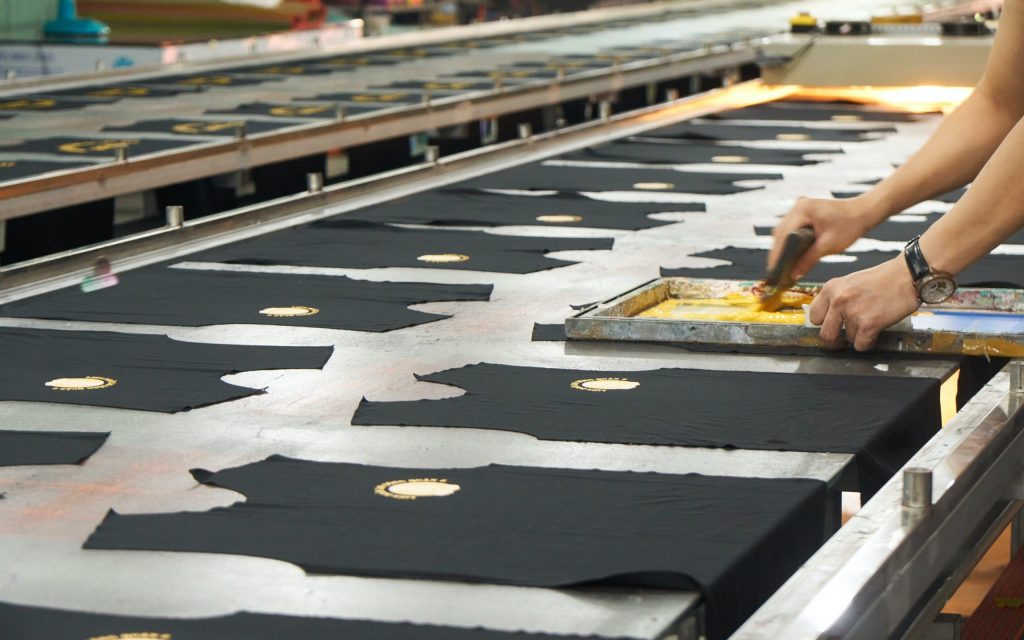
The Rise of Online Print Orders and the Print Platform Economy  eCommerce, along with the increased use of web-to-print solutions, is all set to reshape direct-to-consumer business. By 2030, global online ordering will be the norm for both printed goods and printed packaging. It is a business imperative for companies to invest in web-to print systems and online ordering. As businesses head in this direction it becomes easier for buyers to make price and service comparisons, thereby emphasizing services. The new eCommerce model consists of shorter orders with greater expectation of faster turnaround and next-day delivery. It pushes the broader adoption of smoother workflows coupled with efficient digital and automated printing, finishing, and distribution.  Packaging is now front and center.  Amazon may have kicked off today’s packaging innovation as they have shown the world how well-designed, printed, and labeled packaging can make all the difference. Advanced print technology is also fast becoming customizable.  Technology Reduces Cost  Inkjet is propelling printing technology due to its price and speed. Inkjet printers can be roll-fed or sheet-fed and have proven to be faster compared to traditional printers.  What is The Future of Printing Technology?  From 3D printing to sustainable printing, printing is being shaped by and is shaping the world we see today. As printing is constantly evolving, what does its future look like?  Printing will become more environmentally friendly  We are now focused on the environmental issues created by printing. Regulations across the world are changing to address the environmental impact of packaging. Legislation will favor environmentally sustainable printing practices. For example new legislation will include recycling of cartridges and paper and will begin to mandate the use of biodegradable and recyclable supplies. Estimates show that if printer cartridges are re-manufactured then 400,000 tons of waste could be saved each year.  3D Printing will become more advanced and change lives  With 3D printing it is now possible to print three dimensional objects out of various materials from metals to carbon fiber to polymers and plastic resin. The implications of this are huge. 3D printing is currently available in form factors ranging from desktop to factory level and will eventually become more advanced, affordable and more accessible. It has the potential to revolutionize the manufacturing industry by allowing production to happen at the point of consumption and on demand. Eventually we will see the average citizen able to manufacture their own goods in their own homes. This has the potential to shift economic models.  Advanced Technologies  Printing technology is constantly evolving. Looking ahead on the horizon we see conductive ink and the use of nanoparticles in ink. Many technologies are already in development such as photonic printing and the aforementioned conductive inks. Photonics is being used by innovators to develop invisible photonic printing techniques which may be used for anti-forgery or for watermarking documents. Conductive inks could change how print is used for communication. Currently using nanoparticles these inks are basically circuits that connect paper to the digital world.  For example a poster could have touchscreen capabilities. Printing is far from being a legacy or dead medium as the future of printing looks bright and exciting. We are likely to see a future where the use of 3D printers is more widespread and advertising is printed using conductive ink. 3D Printing is already a rapidly evolving side of the industry. That said, the paper, mug, water bottle, T-shirt printing businesses will still trend in 2022.  Every season there are new fashion trends and of course, one of the inevitable clothing trends is apparel and the perennial favorite ā€˜t-shirt’. All of these industries continue to grow year over year and the global market for the custom t-shirt printing industry alone is expected to cross $10 billion by 2025.  We at Zakeke are in the print business for the long run and continue to innovate in the 2D, 3D, and AR aspects of the business and we will continue to develop new technologies as opportunities present themselves. Contact us to learn more. If you are wondering what you can do with Zakeke, check out our DEMO STORE. Supported Platforms: DISCOVER ZAKEKE START A FREE TRIAL   Stay up to date and follow us on LinkedIn, Facebook and Instagram

Read More >
Printing techniques
Industry Trends

Label Printing Innovations for 2022

Top Label Printing Innovations That Will Reshape the Industry In 2022  This year (2022), the global market for label printing is set to hit $45.22 billion, while the worldwide volume of printed labels will go up to 1.41 trillion A4 sheets during that same time. These are huge numbers! A critical factor that has enabled this growth is the emergence of digital label printing, which allows prints to happen faster and more economically than previously. Many online print businesses have achieved profitability and have thrived because of this increased efficiency. Digital labels also provide a degree of design clarity and crispness, unlike traditional methods. Couple this with the general increase in eCommerce popularity and you have a boom for the label printing industry.  Along with evolving demand, the need to respond faster to multifaceted customer preferences with the help of label design software solutions as well as a growing sense of consciousness about environment-friendly practices has taken precedence. As we kickoff 2022 there are several trends set to reshape the international label printing industry over the next year or so.  Here is what to keep an eye on.  1. Automating the label printing processes With greater demand for flexibility and shorter print runs, many label printers are investing in management information systems or robust web-to-print platforms that enable a completely streamlined and automated workflow. Most of the label design software solutions have the potential to integrate with the Cloud and coordinate with shipping partners, monitor the production process, and manage payments automatically while giving customers the flexibility they need to personalize the labels and order them. Such a system running round the clock could significantly speed up production and delivery even for limited-period requirements.  2. Producing premium and premium looking products This involves making a product look more expensive by upgrading the label without changing the product itself. With consumer tastes gravitating to the exclusive and the premium, even in packaging, companies can win more buyers by investing in sleek labels. This involves using a diverse set of embellishments on the label service to make it appear costlier. This improved appearance can readily be accomplished in many ways, such as by controlling the saturation of the base color or by adding tactile effects to the finish. It also helps your label printing business to work with designers who can create custom labels that reflect elegance and taste while accurately representing the product.  3. Self-adhesive labels As the name suggests, self-adhesive labels are constructed in a manner that does not require applying any adhesive substance. They are made by printing the label design onto three layers – a release liner, a layer of adhesive, and the face material. These labels are exceptionally durable, cost-effective, and versatile, making them popular choices for products that need to be shipped long distances and need their labels intact.  4. Biodegradable labels These labels are designed to be environmentally-friendly by being readily biodegradable. They are made from sustainably sourced base materials such as compostable paper and are designed to be compatible across multiple applications. Keep in mind that biodegradable labels are not designed for reuse. They are best suited for plain packaging labels rather than elaborate ones that would have taken substantial time and resources to be manufactured.  5. Recycling labelsels With increased focus on sustainable business processes everywhere, printing and packaging are set to change regarding the materials used significantly. Authorities around the world are introducing guidelines on how to package products with recyclable materials and without waste. Labels are undergoing significant changes, with manufacturers opting for water-based adhesives that can be entirely detached from the surface when immersed in hot water to enable recycling. This is especially helpful for recycling plastic bottles and containers.  6. Transparent labels These are see-through labels that are typically made from some transparent plastic. They can be used as window stickers to offer a glimpse into what lies beneath and act as an extra protective layer for colored or printed surfaces. Given their subtle look, they tend to blend in and keep the focus on the package itself rather than acting as a distraction. They also avoid the risk of color clashing.  7. Custom labels With customer trends everywhere moving towards personalization, it is not hard to see why custom labels are also popular. By getting labels printed on-demand with an online label maker, companies can use different labels to suit each festival, occasion, or individual. From packaging labels to product labels to barcode labels, everything can be customized as the brand desires. They can also use label templates to save in their respective user accounts and edit as needed.  8. Inline label printing methods A common thread for all types of label printing is the need to label packages. Such forms of labeling can range from a need to showcase consistency in branding, identify what is in the package, or offer ingredient or warning info. An inline label printing process enables you to put these details on the packaging thus giving you more flexibility to change designs more efficiently and print on more unique surfaces with different textures. Consumer spending is on the uptick, and the global pandemic has made online shopping more relevant than ever. Brands that can distinguish themselves with high quality packaging and labels can create that much-needed good first impression and keep the orders coming. If you want to upgrade your label printing game online and want innovation in the printing industry to support that, do not hesitate to contact us at www.zakeke.com for a quick demo or book your free consultation by visiting our website.  Zakeke is well integrated with nearly all platforms and our knowledgeable team can assist you with selecting and vetting the elements of your ecosystem. If you are wondering what you can do with Zakeke, check out our DEMO STORE. Supported Platforms: DISCOVER ZAKEKE START A FREE TRIAL   Stay up to date and follow us on LinkedIn, Facebook and Instagram
Read More >

5 Things to get Started on the Web to Print Business

1. Do you want to target the B2B or B2C market?  Define your target customer so you can pick the correct tool. You need to decide what your end goal is before you start shopping for a solution. Determine what your targeted end customer is and then work backwards into a solution. There is a tremendous difference between the B2B and B2C markets as they have completely different needs and to be able to serve a segment well you need a solution dedicated to that segment. 2. Are you willing to offer more than print materials? The core question is, are you willing to expand the products and services you offer to be able to provide a complete marketing solution to your end customers? This still applies for both B2C and B2B market segments. This also includes services outside of products, such as kitting and assembly, inventory forecasting, guidance on best production methods based on usage and more. Customers are looking to find easy solutions to their problems. Finding partners that can ease steps along the entire marketing chain can work to distinguish yourself from other vendors.  3. How are you going to get your customers to the platform? While you are evaluating your options and the various solutions in the market, you should have a parallel process running to get customers to your selected platform. If you are going after the B2C market – Do you have a strong SEO strategy and practice? How are you going to drive traffic to the site? Are you going to run ad campaigns? If you are going after the B2B market – Which clients are you going to approach? What is your niche or your approach? You must have a plan on how to make your implementation of a platform successful. What are your metrics for success?  4. What happens when the orders start coming in? Once you have selected your platform and you are getting the orders flowing in then what do you do? If you are having to run operations with manual processes you are heading towards long days and missed deadlines. Whichever platform you choose be sure to run a handful of full cycle tests. Not only test the ordering process that your customers will experience, but also push those orders all the way through to final shipment. Is your overall system integrated from start to finish? If your customers are ordering things that are procured outside your company how does that flow work? Be prepared to handle the orders quickly.  5. Have you identified your internal leader and team? Selecting the right person on your team to ensure the project is successful is a key to success. This person should be held responsible for results and should be measured on set milestones and deadlines. If you successfully go through these five steps you are well on your way to a successful web to print implementation and business. Zakeke is well integrated with nearly all platforms and our knowledgeable team can assist you with selecting and vetting the elements of your ecosystem.

Read More >
computer work
Industry Trends

eCommerce Trends for 2022

Lessons Learned Trends for 2022  The acceleration of e-commerce is no secret to retailers. Amazon is always an example of how retail media spending can drive growth, while other retailers have been inspired and are in the process of launching their own retail media markets. E-commerce has been a part of social platforms for quite some time now. It has become an even more frictionless experience, especially for mobile devices. Users see ads targeted to their interests and with one button can click through to make their purchase. This smooth transaction can be seen with Instagram ads and, more recently, TikTok. While social platforms are tracking users and their activity, we are seeing privacy and regulatory battles intensify. The prevalence and tracking power of the cookie has begun fading with the implementation of privacy technology. Increasing adoption of this technology as well as potential new regulations and laws will require marketers to change.  As the old methods to target, track and attribute the results of ad campaigns begin to become obsolete, companies will need to innovate and adapt to remain in touch and engaged with their consumers. Strategies for Success So, where do you start? Take inventory of your e-commerce health and evaluate your digital shelf to ensure optimal product content. How are your products presented? How easy is it for your customers to visualize your products? Is your pricing competitive? Here are a few specific strategies to consider executing in the new year. Be everywhere. The consumer is looking at every possible option on every site. It’s important to be where consumers are shopping or looking at advertisements, including big retail sites, social media platforms and other online locations. Think about how your business is reaching consumers currently and find the gaps. Diversify your approach as diversification builds durability. This means diversifying where you receive your supply, which channels you are selling on, which countries you are reaching and what fulfillment options you offer. As you think about expanding to new channels, factor in the customer acquisition costs. Think about the channels you are expanding to and the cost for advertisement. What’s your strategy for moving to new channels and have you budgeted for it? Focus on fulfillment. The last mile has gotten competitive, especially with features such as shortened delivery times, free shipping and buy-now-pick-up-later options. The consumer journey is important at every stage including the fulfillment options. Set yourself apart from other retailers and brands to get consumers their products when and how they prefer. If you are wondering what you can do with Zakeke, check out our DEMO STORE. Supported Platforms: DISCOVER ZAKEKE START A FREE TRIAL   Stay up to date and follow us on LinkedIn, Facebook and Instagram

Read More >
Augmented reality sofa
Industry Trends

Why Custom Furniture and Decor might be more than just a trend

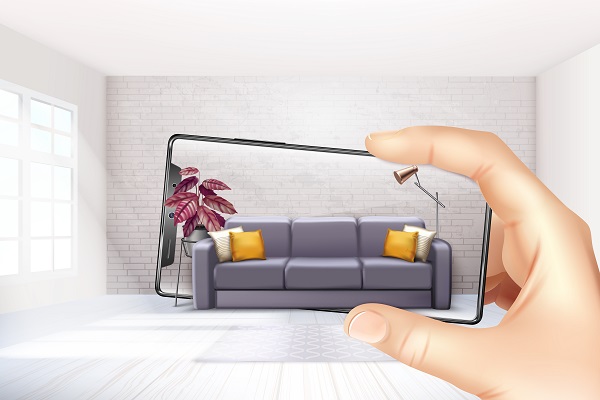
Over the past couple of years, the interior design world has experienced two major challenges. First, the prevalence of TV programs focused on home design has raised the bar on home furnishings, and made consumers more interested in custom decor. Second, the worldwide pandemic has reduced the role of in-person shopping for furniture and dĆ©cor. Both of these events have forced even mainstream furniture manufacturers to encourage shopping online, increase flexibility in manufacturing, and help customers ā€œseeā€ a piece of custom furniture in their home. Of course, some people in our industry think that product customization is a trend. After all, the pandemic will end, and people will return to showrooms. In addition, personalized furniture may not always be fashionable. Certain fashions come and go, so people might return to buying what’s in the showroom without customization.  At Zakeke, we would argue that product customization is here to stay. One reason for this is that customization isn’t as new as some people think it is. It’s just that the old is new again. And, people love to customize things themselves, with instructions on how to do this all over the internet. Plus, there are situations where custom furniture is the best option, and not just a fashion statement. Finally, new technologies such as 3D and augmented reality have made customization easier than ever.  Let’s take a look at each of these points. What’s old is new again (sort of). The desire to customize the inside of our homes isn’t new. A century ago, people would compete on dĆ©cor by purchasing exotic rugs and other handmade pieces from overseas. In addition, many people would purchase a piece of furniture and then put their own upholstery fabric on it. Many furniture shops and repair people would perform this service. This went far beyond the ā€œpick your colorā€ that most of us are used to in modern furniture showrooms: the fabric was often purchased from a different supplier than the furniture. In addition, most of us know about interior designers. These professionals survey a building and decide what will look nice in there. Designers consider an owner’s sense of style, contemporary tastes, and the overall room ambience. Sometimes, they’ll order an unusual product configuration to fit the room, or even commission fully custom dĆ©cor.  Nowadays, custom furniture and custom dĆ©cor is once again easy for consumers to buy directly. Not only do ecommerce sites like Etsy offer custom designs made by hand, but modern technology allows the production of customized items at scale. While you can always purchase a ready-made couch at a furniture showroom and have it delivered the next day, custom usually requires going through a professional. Now, people can order a particular product configuration online, and it’ll arrive in a couple of weeks. DIY feeds the customization trend. A quick browse of custom dĆ©cor ideas on Pinterest shows one thing: There’s a huge amount of creativity in everyday consumers. People will take an old, junky thrift store dresser and turn it into a glossy, gorgeous painted piece of customized furniture. Or, they’ll turn an old vase into an awesome lamp. Finally, decals and other accessories easily transform ordinary Target or Walmart finds into something unique. Here’s the thing. Not everyone has the time or know-how to do their own customization. This is one reason why product customization is becoming so popular on a commercial scale. People love to make a statement with their furniture, whether it’s a centerpiece for their room or just a cute accessory. By purchasing customized furniture online, people can achieve that lived-in look that suits them, without all the work. Sometimes custom is the best option. Besides the DIY revolution, many people need custom solutions to maximize the space in their homes. There are many reasons for this, such as a small space or an antique home. Or, they might have an antique piece of furniture that they want to use. Small spaces? There’s a custom option Small spaces are a constant problem for two main customer groups: those who live in smaller homes, and owners of antique houses. For instance, someone who has a loft apartment in New York City must maximize their space, often with loft beds that double as storage space. Or, they might opt for a foldaway option. Often the ready-made options in stores aren’t good for their space, suggesting a piece of custom furniture will perform best.  Likewise, people who have antique homes might benefit from product customization. Many older homes have low ceilings in some rooms, such as a pitched roof upstairs. In these situations, a high bed won’t work well. Worse, there might be very little wall space to work with. For these consumers, maximizing their space is key to comfortable living. One example might be a shorter head board that will fit under the ceiling, or underbed storage that helps maximize the space. Matching an heirloom sometimes requires custom Finally, people often have a family heirloom or existing statement piece that they want to make the center of their room dĆ©cor. Sometimes it’s as simple as a custom chair. In other cases, they might want to buy custom furniture that complements what they already have. This can include custom configuration, special upholstery, or other extras. Either way, customers want to be certain that an addition to the room will ā€œworkā€ before purchasing. New technology feeds the custom trend. Now that we realize custom furniture and dĆ©cor aren’t going away soon, let’s look at how modern technology makes it easier and more economical. Probably the biggest innovation is custom manufacturing technology. In particular, machines can be easily adjusted to create the perfect design quickly. 3D printing technology also helps. However, new technology also helps with the design and sale process. For instance, a 3D viewer can help a customer visualize a design and be certain that it’s what they want-or make adjustments until they’re happy. Likewise, augmented reality makes it possible for customers to ā€œseeā€ a product in

Read More >

Enhancing the shopping experience: new trends, plus big opportunities for retailers

Most consumers today still prioritize value, product, and convenience while making their purchasing decisions. They want to feel confident that they have found the right product, for the right price, and that it’s not too hard to obtain. What’s more, these attitudes seem to have held steady for generations of consumers in the United States, no matter what technology or social trends we may be in the thick of. This can provide a vital foundation as retailers look to integrate powerful and innovative new technology into their customer journey. In our latest ā€œConsumer Shopping and Personalizationā€ report, we uncovered what US consumers are shopping for, how often they utilize virtual ā€˜try-on’ technology, and the ways in which they want a more personalized shopping experience online. Conducted with third-party research firm YouGov, we revealed what matters most to consumers when it comes to online shopping. From this research, it’s clear that despite the technology advances made over the years to generate an engaging, visually appealing eCommerce experience, there’s work to be done before this kind of technology is utilized by the masses. The concept of personalization is not new – 41% of Americans want a personalized shopping experience. But when it comes to building brand loyalty, the kind of personalization does matter. When looking into the products for which consumers want a personalized experience, apparel (30%), shoes (30%), home goods (25%) and furniture (19%) lead the pack. Millennials and Gen Z shoppers are less likely to stay loyal to a brand, but this demographic does want a personalized visit (46% of Americans between the ages of 18-34) so there’s an opportunity for retailers to build brand loyalty by offering more personalized options to these shoppers and increase their chance of repeat visits. Today’s personalization leaders have found proven ways to drive 5 to 15 percent increases in revenue and 10 to 30 percent increases in marketing-spend efficiency — predominantly by deploying product recommendations and personalization and triggering targeted communications. Retailers have made strides in providing a more personalized shopping experience, but now is the time to elevate the ways to offer both personalization and customization. Consumers want retailers to understand their shopping habits and them, and the only way to do this is to offer more personalization options. According to the research findings, consumers want options when it comes to shopping, and noted they need to interact with certain products more than others before purchasing. Apparel (35%), shoes (34%), and household furniture (29%) are ones consumers need to visualize/interact with before buying online. Furniture, which has in recent years, started to become more popular to shop for online, continues this upward mobility, so retailers in this space must ensure they have the tools (2D, 3D, AR) necessary for customers to interact with that will better inform their purchase. Moreover, 1 in 6 Americans over 35 years old listed furniture as something they need to visualize before purchasing online. Specialty retailers who offer products like clothing and shoes need to invest in technology that makes it easy for consumers to ā€œseeā€ what their possible purchases will look like, as it will foster increased sales and reduce the number of returns. ā€œWe know more people are turning to online shopping – it’s convenient, there are endless options and with the right technology, consumers can have a nearly identical experience to shopping at a physical location, so it’s surprising to see that most consumers aren’t using these tools,ā€ said Angelo Coletta, CEO of Zakeke. ā€œOne respondent noted that if they are going to buy something online, they’ll go into the physical store to try it on/interact with it, then go home to purchase the product online. This should be a red flag to retailers that something needs to change. To drive sales, increase repeat visits and build a loyal customer base, retailers need to invest in the right kind of technology that’s easy to use, both for the retailer and for the consumer.ā€ Today’s shopping experiences are happening in many different contexts: at-home, on-the-go, and in-store. Delivered effectively, virtual shopping can help customers feel more confident in their product selection—whether through richer product information or interaction, the ability to personalize or configure unique product designs, or via the deeper emotional connection from immersive brand storytelling. The most successful experiences today tend to be delivered by retailers that have highly standardized product sets with high opportunities for customization. Virtual shopping provides a new opportunity for customers to see and interact with unique products like never before. The more customizable, the more valuable these experiences become to build trust and confidence along the shopping experience, giving an edge to those who offer a seamless experience, for everyone. Developing a personalization capability is a journey to get to the full suite of capabilities needed for true dynamic personalization: always-on, real-time, one-to-one communication across the consumer ecosystem. Often, the hardest part is just getting started. The first step is to determine which use cases to focus on (converting new customers, increasing spend of loyal customers, reducing returns etc.) and put an agile team on each of them to rapidly test & learn which offers and interactions best deliver. Personalization is becoming more pervasive and urgent. Only by acting today, however, can businesses hope to be in a position to deliver high value to both their customers and their own brands. MethodologyAll figures, unless otherwise stated, are from YouGov Plc. Total sample size was 1,127 US adults who have shopped online in the last year. Fieldwork was undertaken between September 13- 14, 2021. The survey was conducted online. The figures have been weighed and are representative of all US adults (aged 18+). About ZakekeZakeke empowers brands and retailers to provide consumers with seamless customization options and product personalization through 2D, 3D and augmented reality. Its suite of tools can be integrated into any eCommerce platform or a brand’s back-end to enhance the consumer shopping experience while increasing sales for customers across industries ranging from fashion and jewelry to

Read More >