
Product Customization: The Secret to Retaining your Customers for Life
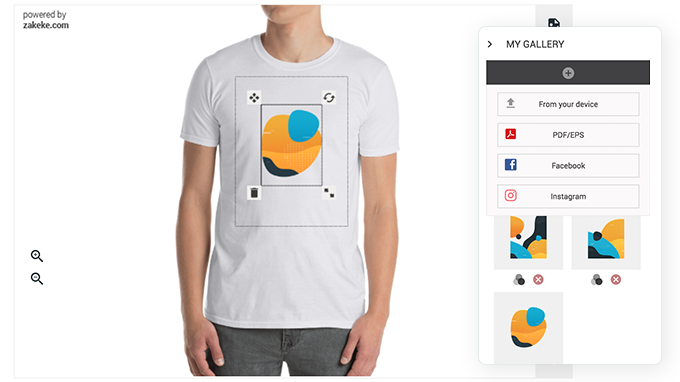
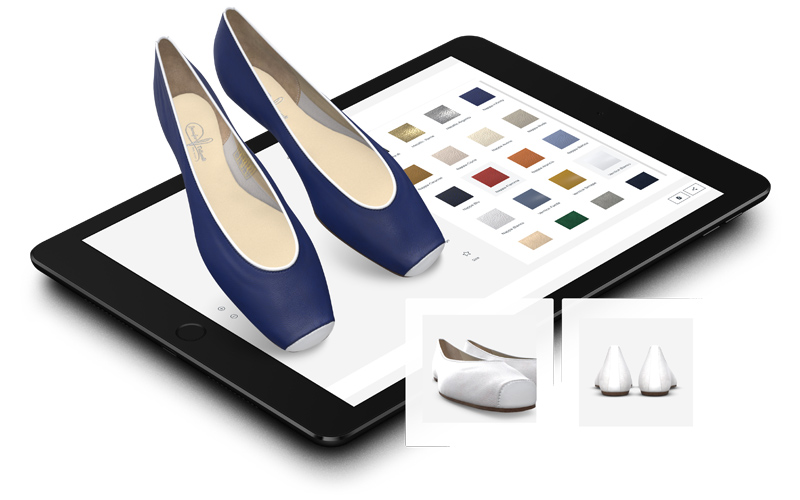
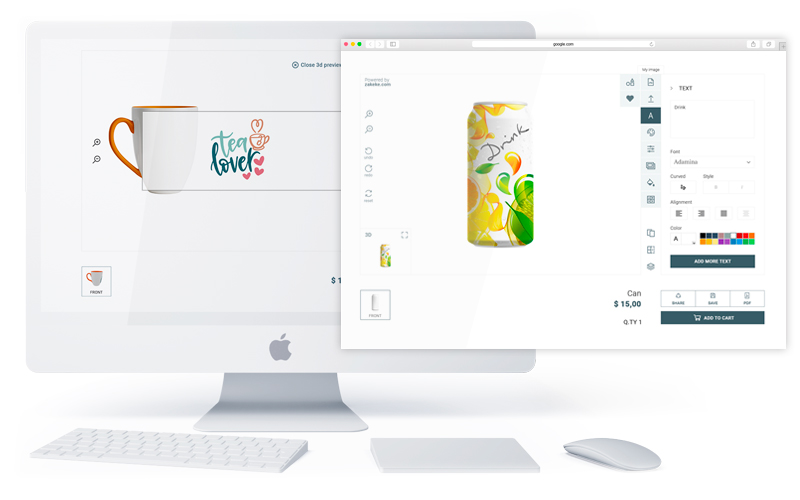
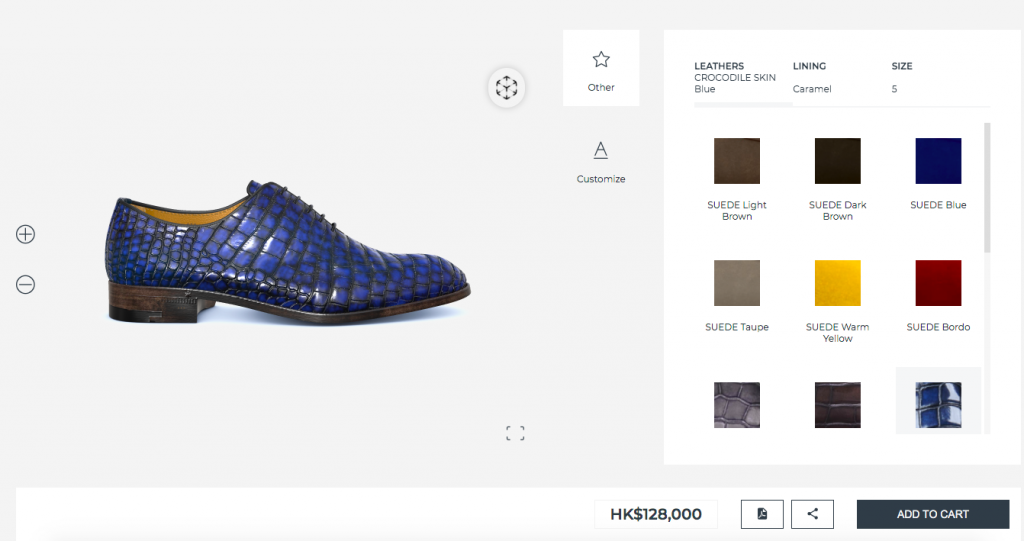
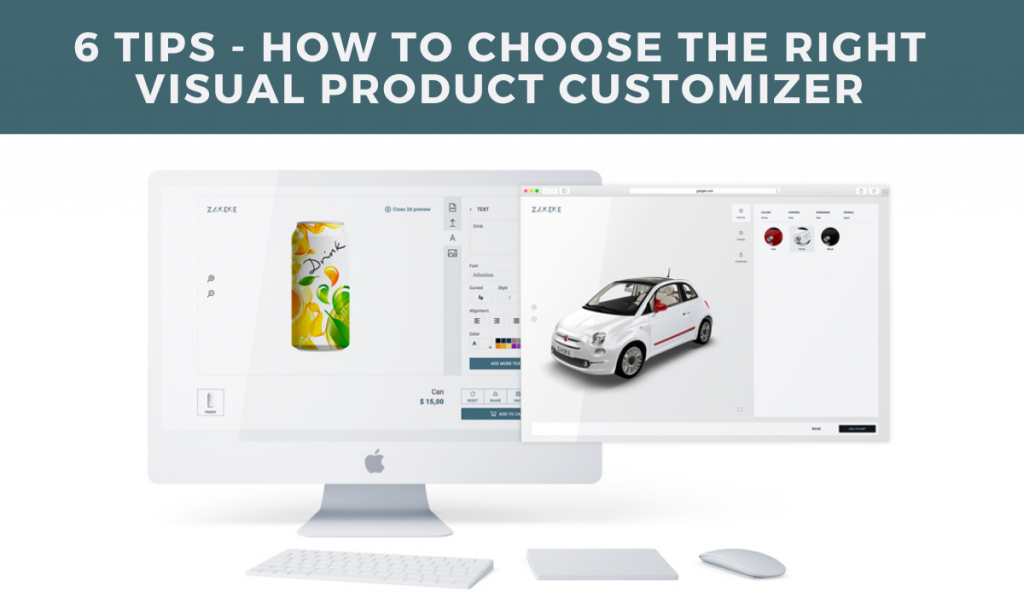
In this guide, we’ll discuss product customization in detail and explain the benefits it can bring to your business. But first, let’s get down to the basics. Who won’t love a personal touch in the products they order? In today’s competitive world, consumers expect brands to tailor their products to meet the customers’ needs. The demand for customized products has reached sky-high in recent times. A decade ago, this was primarily limited to mugs and mobile cases, where people used to have their photos printed on their mobile cases. Today, product customization has become the buzzword of the 21st century. In the online world, e-commerce websites will adapt their pages based on the customer’s buyer behavior. Even the shows you watch on streaming services, like Netflix, are personalized based on your search and watch history. Brick-and-mortar stores aren’t left behind, either. More and more retailers are increasingly offering the same experience, where consumers can buy products specifically customized for them. The reason? Product customization leads to more sales and stronger brand-employee relationships. In a recent study by Deloitte, 36% of shoppers said they covet customized products. Interestingly, 1 in 5 of these shoppers are willing to pay 20% more to have products customized for them. What Is Product Customization? Product customization is the process of delivering goods that have their key features and elements altered specifically to meet the buyer’s needs. For example, a shoe company can allow a mountaineer to order a one-of-a-kind shoe ideal for their mountain climbing needs. Customers can approach the shoe retailer via their website, design the shoe they want, and make the order online. A perfect example of product customization in real life can be seen in how the Fender company handles online guitar sales. Fender, a California-based musical instruments company, provides many different options for each part of their guitars for customers to choose from. Customers can choose the color, body material, tuners, neck shape, fingerboard options, and more depending on their preferences. Customizing designs to user preferences leads to a better user experience and increased sales. Product customization opens a world of endless possibilities for many industries, especially the apparel industry, allowing customers to experiment with various fabrics, designs, colors, and more before any product is made. How Does It Differ from Personalization? The terms “customization” and “personalization” are often used interchangeably. And it makes sense because both practices aim to empower shoppers to create the exact product they desire, with confidence. However, the terms aren’t the same. Product customization involves delivering goods that have their design, color, and other elements altered to meet customer preferences. In customization, the company provides a selection of options for customers to choose from. Product personalization, on the other hand, takes things up a notch by inviting customers to embellish products with their own content. This can take the form of a personalized text or image, but there’s no limit to how you can personalize your products. Personalization is about the seller tailoring the product to meet consumer needs but in a way that doesn’t require sophisticated manufacturing facilities. It’s all about making the shopper feel special by offering a few tweaks to the products in a way that differentiates the product from the mass-produced items. Examples of personalization include printing a photograph on a standard manufactured product, sewing a patch, or embroidering a user-specific text on the product. Personalization provides a unique shopping experience that drives sales and repeat business. Deloitte found that offering personalized products increases sales by as much as 30%. A product can be personalized, customized, or both. Either way, the customer uses what’s called a product customizer or configurator. A product customizer is basically software integrated within a website that allows customers to visualize and select their options. What about Product Configuration? Product configuration is simply the act of selecting your options, which is offered at a basic level by most e-commerce platforms. You can improve customer experience by integrating a product customizer that offers advanced features like augmented reality (AR) and 3D visualization. Benefits of Product Customization There are many reasons that make product customization a must-have tool for retailers. Here, we’ll look at the benefits e-commerce brands can enjoy from product customization. 1. Appeal to a Growing Audience As mentioned, 36% of shoppers covet customized products. With almost half of your customers yearning for customized experiences, providing a product customizer on your site can do wonders for your business. Customizing a product adds a personal touch to it. When customers design products to their liking, the end product isn’t just the same as the mass-produced items. Customization adds a sentimental value to the product, whether they’re designing it for themselves or someone else. 2. Generate More Sales and Profits One of the obvious benefits you get from product customization is an increase in sales. First, customers love differentiated products. Giving them the option to choose their desired designs, colors, and other elements builds trust, which ultimately leads to brand advocacy. Secondly, customers are willing to pay extra for customized products. As Deloitte found, 1 in 5 customers wouldn’t mind paying an extra 20% to have the products customized to their preferences. This leads to increased revenue and profits. 3. You Gain a Competitive Advantage The global e-commerce market is huge, with 1.8 million retailers operating in the US and contributing a staggering $861 billion to the US economy. How can you stand out in such a competitive marketplace? One way is to adopt product customization. With a product customizer that provides unique customer experiences that shoppers won’t elsewhere, you’ll definitely set yourself apart from the competition. Your store will stand out from others, and shoppers will recommend your brand for the unique experience. Additionally, you can charge an additional mark-up for offering a customized experience. Users are more likely to pay more since they’re emotionally invested in the designs that match their tastes and preferences. 4. Better Customer Insights Another benefit you get from implementing product customization for